
Side Dishes
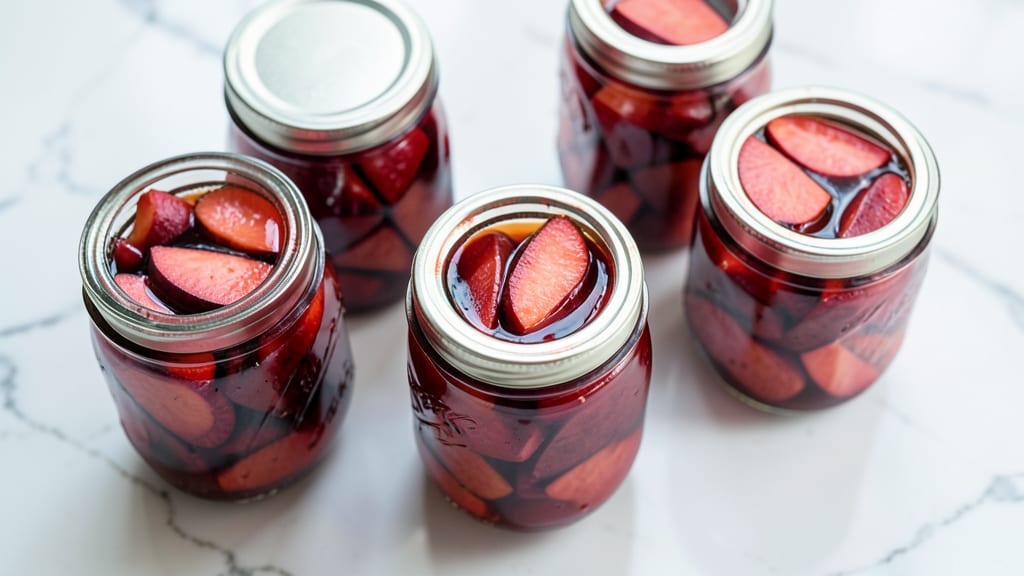
Preserving red potatoes through canning transforms a seasonal staple into a year-round pantry essential that maintains their signature crisp texture and fluffy pink centers. This acid-infused method ensures safety while delivering restaurant-quality wedges straight from your jar—perfect for quick sides, salads, or roasted dishes.
The key lies in precise preparation and sterilization techniques that prevent spoilage while locking in flavor.
Unlike fresh potatoes that bruise easily, properly canned red potatoes develop a satisfying crunch when reheated, with their natural sweetness enhanced by the acidified brine. This process requires basic equipment—a pressure canner, quart jars, and lids—but delivers results that last up to a year when stored correctly.
The acidification step isn't just for preservation; it also brightens the potatoes' natural flavor profile.
What makes this method foolproof is the step-by-step approach: peeling and cutting potatoes uniformly ensures even cooking, while the boiling water bath removes surface starch that could cause mushiness.
Sterilizing jars and lids eliminates contamination risks, and the proper processing time—determined by altitude—guarantees safe, shelf-stable results every time. No more last-minute grocery runs when inspiration strikes.
Once canned, these potatoes become versatile building blocks for meals—toss them into salads, roast for crispy wedges, or mash for creamy sides. The acid-infused brine preserves their vibrant color and texture, making them indistinguishable from fresh potatoes until you taste the difference.
Let's get started with the precise method that turns seasonal abundance into long-term convenience.
Ingredients for canning red potatoes
Six pounds of red potatoes become year-round pantry staples with these acid-infused canning essentials.
| Ingredient | Amount | Notes |
|---|---|---|
| Red Potatoes 🥔 | 5 lb | Uniform size, peeled and cut into wedges |
| White Vinegar 🍶 | 2 cups | 5% acidity for proper acidification |
| Canning Salt 🧂 | 1 ½ tbsp | Non-iodized for accurate processing |
| Lemon Juice 🍋 | 1 cup | Freshly squeezed for bright flavor |
| Quart-Sized Mason Jars 🍶 | 6 whole | Ball or Kerr brand recommended |
| Two-Piece Canning Lids 🔒 | 6 whole | New lids for each jar |
| Distilled Water 💧 | 6 cups | For final brine adjustment |
| Extra-Virgin Olive Oil 🫒 | 2 tbsp | For jar sealing and flavor |
| Fresh Rosemary 🌿 | ½ tsp | Dried works if unavailable |
| Fresh Thyme 🌿 | ½ tsp | Dried at 1/4 amount |
| Black Peppercorns 🌶️ | 1 tsp | Crushed lightly for flavor |
| Garlic Cloves 🧄 | 3 cloves | Minced for infused brine |
The potatoes must be uniform—Russet or Yukon Gold substitutes lose their signature pink centers. Local farmers markets often carry red potatoes in peak season, while Whole Foods or Trader Joe's stock them year-round. Look for firm potatoes with smooth skins—any bruising will affect texture. The white vinegar is critical: 5% acidity is standard for safe canning, and Mapei brand is widely available at grocery stores. For the jars, Ball or Kerr are the gold standard—check for any chips or cracks before use, and always sterilize by boiling for 10 minutes.
No white vinegar? Lemon juice works at double the amount, though flavor will differ slightly. Short on rosemary? Dried thyme at half the quantity provides similar earthy notes. The garlic can be omitted if preferred, but it infuses subtle depth into the brine. For the distilled water, tap water is fine if you're in a soft-water area, but hard water can interfere with jar sealing. The olive oil isn't just for sealing—it adds a subtle richness that elevates the potatoes when reheated. Store-bought canning salt is ideal, but kosher salt in a 1:1 ratio works in a pinch.
Once canned, these potatoes maintain their texture for up to 12 months in a cool, dark pantry. The acidified brine preserves their vibrant color and crisp texture, though they'll soften slightly over time. For best results, reheat in the oven at 375°F for 15-20 minutes to restore their satisfying crunch. The jars can be reused for future batches, but always use new lids. Label each jar with the date—properly canned potatoes are safe indefinitely, but quality begins to decline after 12 months.
Why You'll Love This Recipe
- No-Fuss Preservation: I swear by this method because it’s basically set-it-and-forget-it. Wash the potatoes, pack them into jars with vinegar and salt, and the water bath does all the work—no peeling, no chopping, just pure hands-off simplicity.
- Bright Tangy Zing: That lemon juice and vinegar combo? It keeps them crisp and tangy for months, like a fresh summer bite anytime you open a jar. Honestly, the flavor punches way harder than store-bought pickled potatoes ever could.
- Pantry Powerhouse: Use them in salads, mash them into soups, or toss them into a skillet for hash—this is my secret weapon for quick meals. I keep a few jars stocked so I’m never scrambling when I need a side dish in 10 minutes.
- Budget-Friendly Staple: A single bag of red potatoes and a few cents’ worth of vinegar stretch into jars that last all year. No fancy ingredients, no waste—just reliable, shelf-stable goodness that saves me money and stress.
Step-by-step instructions for acid-infused canned red potatoes
Mastering this canning technique ensures perfectly preserved potatoes with a crisp exterior and tender interior.
Prepare the Potatoes and Acid Brine
Begin by peeling the 5 lb red potatoes and cutting them into uniform wedges, about 1-inch thick. Uniform size ensures even cooking and processing. Place the wedges in a large bowl and add the 2 cups white vinegar and 1 cup lemon juice. Stir gently to coat the potatoes completely. This acid mixture is critical for both safety and flavor preservation.
Let the potatoes soak in the acidified water for at least 30 minutes. This step accomplishes two things: it begins the preservation process by lowering the pH, and it infuses the potatoes with bright, tangy flavor. After soaking, drain the potatoes thoroughly using a colander, shaking off any excess liquid. This prevents dilution of your final brine and ensures proper jar sealing.
Sterilize Jars and Prepare the Infused Brine
Wash the 6 quart-sized mason jars and their lids in hot, soapy water, then sterilize them by boiling for 10 minutes. This eliminates any bacteria that could compromise your canned product. While the jars sterilize, prepare the infused brine by combining 6 cups distilled water, the 1.5 tbsp canning salt, the 0.5 tsp fresh rosemary, 0.5 tsp fresh thyme, 1 tsp crushed black peppercorns, and the 3 minced garlic cloves in a large pot.
Bring the brine to a gentle boil, then reduce heat to maintain a simmer for 5 minutes. This allows the herbs and garlic to infuse their flavors into the liquid. Remove the pot from heat and let the infused brine cool to room temperature. The aroma should be rich and aromatic—this is your flavor foundation for the canned potatoes.
Pack and Process the Potatoes
Using a slotted spoon, carefully pack the drained potato wedges into each sterilized quart jar, leaving about 1-inch headspace at the top. This space is essential for proper jar sealing during processing. Pour the cooled infused brine over the potatoes until each jar is filled to within 1-inch of the rim. Add 2 tbsp extra-virgin olive oil to each jar, swirling gently to distribute it over the potatoes.
The olive oil creates a protective layer that enhances flavor and helps preserve the crisp texture. Wipe the jar rims with a clean, damp cloth to remove any residue, then secure the two-piece canning lids according to the manufacturer's instructions. Place the jars in a canning pot or large stockpot, ensuring they are covered by at least 1-inch of water.
Pressure Can the Potatoes for Safe Preservation
Bring the water to a rolling boil, then process the jars at 10 pounds of pressure for 90 minutes if using a weighted-gauge pressure canner, or 11 pounds for 90 minutes if using a dial-gauge canner. This extended processing time ensures the potatoes are safely preserved while maintaining their texture. During processing, maintain a steady pressure—never adjust it during the cooking cycle.
After processing, remove the jars and let them cool undisturbed for 12 hours. This cooling period allows the lids to seal properly. Check each lid by pressing in the center—if it doesn't pop back, the jar has sealed successfully. Store the sealed jars in a cool, dark place for up to 12 months. The potatoes should retain their crisp exterior and fluffy pink centers, ready to be enjoyed year-round.
Pro Tips For Making Canning Red Potatoes
- Boil Until Fork-Tender: Red potatoes should fall apart like butter when pierced—no one wants mushy or undercooked chunks. Simmer them in salted water for 12-15 minutes after they float, stirring occasionally to prevent sticking. If they’re still firm, they’re not done.
- Rinse Vinegar Off: That white vinegar brine is non-negotiable for safety, but the acid taste lingers if you skip this. Drain the cooked potatoes, then rinse them under cold water while still in the pot—it cuts the sharpness without soaking them dry.
- Pack Jars Tightly: Loose potatoes leave air gaps, which can lead to mold or uneven processing. Press them in firmly with a spoon or jar lifter, leaving just a 1-inch headspace. A packed jar seals better and stores longer.
- Add Lemon Last: Lemon juice brightens the flavor, but it’s best added right before sealing. Mix it with the vinegar brine just before filling the jars—this keeps the acidity potent and prevents the jars from clouding over time.
Creative variations of canning red potatoes
Herb-Infused Variations
Swap the rosemary and thyme for fresh dill and bay leaves—this Mediterranean twist pairs beautifully with roasted fish or Greek salads. Use 1 tsp fresh dill and 1 bay leaf per jar, removing the bay leaf after processing.
The dill’s bright aroma complements the potatoes’ earthiness, while the bay leaf adds subtle depth. 🌿
Garlic & Chili Heat
For a spicy kick, add 1 tsp crushed red pepper flakes and 4 minced garlic cloves directly to the jars before sealing. This version works perfectly with Mexican-inspired dishes like tacos or enchiladas.
The heat mellows slightly during canning but remains noticeable when reheated. I’ve found Penzeys brand chili flakes deliver consistent heat every time. 🌶️
Citrus Brightened
Boost the acidity and flavor by adding zest from 1 lemon and 1 orange to the brine. The citrus oils infuse the potatoes with a refreshing tang that pairs well with seafood or light summer salads.
After processing, the zest can be removed, leaving just the bright, citrus-forward flavor. This variation is especially popular in coastal regions where fresh citrus is abundant. 🍊
Smoky Maple Glaze
After opening the jar, toss the potatoes in a mix of 2 tbsp pure maple syrup, 1 tsp smoked paprika, and 1 tsp olive oil before roasting at 400°F for 20 minutes.
This caramelized version works as a sweet-savory side dish or dessert topping. The maple syrup adds natural sweetness while the smoked paprika introduces a subtle BBQ-like depth. 🔥
Cheesy Potato Bites
After reheating, mix the potatoes with ½ cup shredded sharp cheddar and 2 tbsp sour cream for creamy, cheesy bites. This variation is perfect for game day appetizers or loaded baked potato toppings.
For extra richness, sprinkle with crushed potato chips before serving. The acidified brine prevents the cheese from becoming overly greasy. 🧀
Seasonal Harvest Twist
In fall, add ½ cup diced apples and ½ tsp cinnamon to the jars for a sweet-savory combination. This variation works beautifully in autumn soups or alongside roasted pork. The apples soften slightly during processing, creating a unique texture contrast.
Store the jars in a cool pantry until ready to use—this variation keeps well for up to 9 months. 🍂
Nutrition facts
Frequently asked questions
Why do I need to use vinegar or lemon juice when canning red potatoes?
Acidification is critical for safe canning—potatoes are low-acid foods that can harbor harmful bacteria without proper acid treatment. The 2 cups vinegar and 1 cup lemon juice create an acidified brine (pH below 4.6) that prevents botulism and other foodborne pathogens. This also preserves their vibrant color and crisp texture during storage.
Can I use regular salt instead of canning salt?
Yes, but only if it's non-iodized—iodine can react with the potatoes and affect flavor. Use a 1:1 ratio of kosher or table salt (no iodine). The key is accurate measurement: 1.5 tbsp ensures proper preservation without over-salting. Always check your salt's label to confirm it's iodine-free.
What if my jars don't seal properly after processing?
If the lid flexes up and down when pressed, the jar failed to seal. This usually happens from insufficient headspace (1-inch required), dirty jar rims, or improper processing time. Reprocess the contents immediately in a fresh jar with new lids, or refrigerate and use within 7 days. Always check seals after the 12-hour cooling period.
How do I adjust processing time for high altitudes?
Add 5 minutes to the 90-minute processing time for every 1,000 feet above sea level. At 6,000 feet, process for 105 minutes (weighted gauge) or 10 pounds pressure for 105 minutes (dial gauge). Always follow your canner's altitude chart—under-processing is a serious safety risk.
Can I can whole red potatoes instead of wedges?
Whole potatoes won't cook evenly and may leave unsafe undercooked centers. Wedges (1-inch thick) ensure consistent heat penetration during processing. For small potatoes (2-inch diameter), halving them lengthwise works—just maintain uniform size. Never can whole potatoes larger than 2.5 inches in diameter.