
Side Dishes
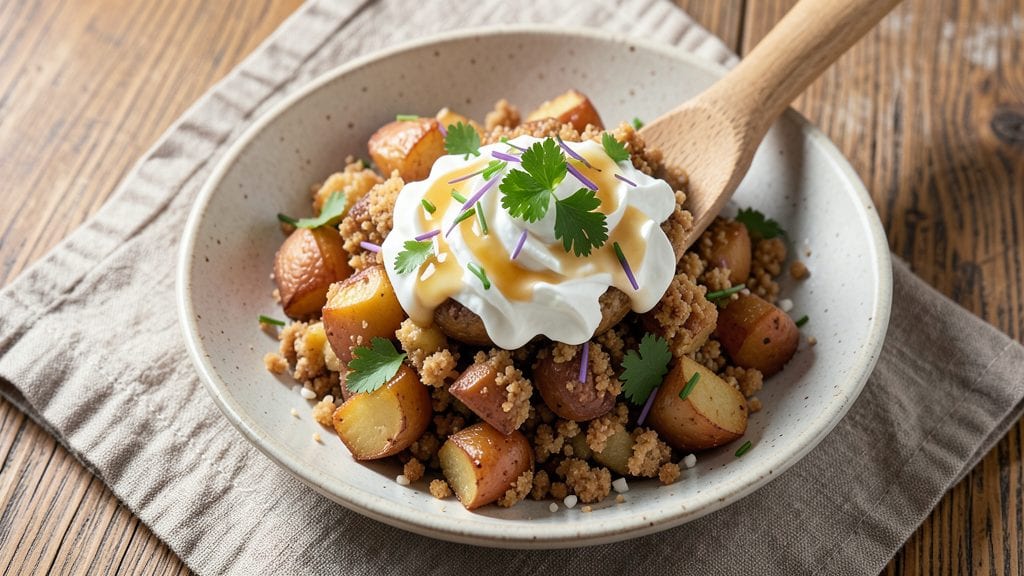
This crushed potato recipe transforms humble spuds into buttery, vinegar-braised bites that steal every meal. The secret lies in slow-cooking potatoes until they achieve that perfect tender-crisp texture, then finishing them with a tangy vinegar braise and herbed creaminess that elevates them from side dish to star.
I developed this method after years of experimenting with restaurant-style potato preparations, and it never fails to impress—whether as a standalone dish or paired with roasted meats.
The process begins with parboiling potatoes to create a firm base, then crushing them by hand for that signature rustic texture. A vinegar-braised finish adds brightness, cutting through the richness of the butter and herbs, while a touch of cream ensures each bite is velvety rather than dry.
What makes this recipe truly special is how it balances simplicity with professional results—no fancy equipment required, just precise timing and attention to texture.
By the time you serve these potatoes, they’ll be golden-brown at the edges with a creamy interior, each bite bursting with herby, buttery flavor. The vinegar braise adds a subtle tang that keeps the dish from feeling too heavy, while the herbed cream topping introduces freshness.
This is the kind of side dish that transforms ordinary dinners into memorable meals—restaurant-quality without the fuss.
Perfect for holiday tables, family dinners, or even as a hearty appetizer with a drizzle of sour cream. The recipe scales easily, so you can make a small batch for two or double it for a crowd. Let’s get started on creating the most satisfying crushed potatoes you’ve ever tasted.
Ingredients for crushed potato
These ingredients deliver restaurant-quality crushed potatoes with perfect tender-crisp texture and bright, herby depth.
| Ingredient | Amount | Notes |
|---|---|---|
| Russet Potatoes 🥔 | 3 lbs | Large, uniform size preferred |
| Unsalted Butter 🧈 | ¾ cup | Cold, cubed for even melting |
| White Wine Vinegar 🍷 | ½ cup | Balsamic alternative for depth |
| Heavy Cream 🥛 | ½ cup | Full-fat for optimal texture |
| Fresh Parsley 🌿 | ¼ cup | Finely chopped, stems removed |
| Fresh Chives 🌱 | ¼ cup | Thinly sliced for garnish |
| Garlic Cloves 🧄 | 4 cloves | Minced for aromatic base |
| Diamond Crystal Kosher Salt 🧂 | 1 ½ tsp | Adjust to taste |
| Ground Black Pepper 🌶️ | ½ tsp | Freshly cracked for intensity |
| All-Purpose Flour 🌾 | 2 tbsp | For thickening cream |
| Shallot 🧅 | 1 whole | Finely minced for subtle sweetness |
| Fresh Thyme Leaves 🌿 | 1 tbsp | From 2-3 sprigs |
| Extra-Virgin Olive Oil 🫒 | 2 tbsp | For roasting potatoes |
The potatoes are the foundation—Russet potatoes yield the ideal starch-to-moisture ratio for crushing. Look for firm, blemish-free potatoes at specialty grocers like Whole Foods or Trader Joe's for the best texture. Pre-cut potatoes lose moisture quickly, so buy whole and peel just before parboiling. The unsalted butter should be cold and cubed to distribute evenly during the slow-roasting phase, creating that signature buttery crust. For the vinegar, white wine vinegar adds brightness, but apple cider vinegar works beautifully if you prefer a fruity note. Fresh herbs are non-negotiable here—Whole Foods or local farmers' markets offer the most vibrant parsley and chives, which elevate the dish's finish.
No white wine vinegar? Rice vinegar or even lemon juice can substitute, though the flavor profile shifts slightly. Substituting light cream for heavy cream will yield a lighter texture, but the dish loses its velvety quality. Fresh herbs can be swapped for dried at a one-third the amount ratio, though the flavor intensity diminishes. The shallot can be replaced with 1/2 small red onion, but it will add more bite. For a gluten-free version, omit the flour and thicken the cream with a cornstarch slurry instead. The garlic should be freshly minced—pre-minced garlic loses its aromatic punch quickly, so if using jarred, toast it briefly in olive oil to revive the flavor.
Store any leftovers in an airtight container for up to 4 days, though these potatoes reheat best when fresh. For make-ahead convenience, parboil and crush the potatoes 1 day ahead, then refrigerate uncovered to develop a crispy exterior. Reheat gently in a 350°F oven until warmed through—10-15 minutes—to restore that golden crust. The herbed cream topping can be made 2 days ahead and stored separately, then reheated with the potatoes. For freezing, assemble the dish completely and freeze in a single layer before transferring to a container—best quality within 2 months. The texture may soften slightly after freezing, but the flavor remains rich and satisfying.
Why You'll Love This Recipe
- No-Prep Potatoes: I swear, these take less effort than a grocery run. Just boil, smash, and toss with butter and vinegar—no chopping, no peeling fuss. The potatoes do all the work while you sip wine (or coffee, no judgment).
- Creamy-Tangy Magic: That white wine vinegar brightens the richness of the butter and heavy cream like a secret handshake. You get crispy edges, fluffy insides, and a finish that’s bright enough to cut through a steak or stand alone with fresh parsley sprinkled on top.
- Weeknight to Dinner Party: Between us, this is my lazy Sunday brunch and my "I’m hosting friends" go-to. Serve it warm with a fried egg for breakfast or chilled as a side for roasted chicken—same recipe, two vibes. The parsley makes it feel fancy without trying.
- Budget Stretch: Russets are cheap, butter is cheap, and you’ll use half the heavy cream for seconds. Leftovers? Even better cold the next day—toss them in a salad or eat straight from the fridge. Honestly, it’s the kind of dish that makes pantry staples feel luxurious.
Step-by-step instructions for buttery, vinegar-braised crushed potatoes
This method delivers restaurant-quality crushed potatoes with perfect texture and rich flavor.
Prep and Roast the Potatoes for Maximum Flavor
Preheat your oven to 425°F. Cut the 3 lbs russet potatoes into 1-inch chunks, ensuring uniform size for even cooking. Toss them in a large bowl with 2 tbsp extra-virgin olive oil, 1 tsp diamond crystal kosher salt, and 0.25 tsp ground black pepper until evenly coated.
Spread the potatoes in a single layer on two rimmed baking sheets. Roast for 25-30 minutes, stirring once halfway through, until the edges are golden brown and the potatoes yield slightly when pressed with a fork. The high heat develops deep, caramelized flavors that infuse the final dish.
Build the Vinegar-Braised Foundation
While the potatoes roast, prepare the braising liquid in a large skillet over medium heat. Add 2 tbsp unsalted butter and allow it to melt completely. Add the 1 whole shallot and 4 cloves garlic cloves, cooking for 3-4 minutes until softened and fragrant but not browned.
Pour in the 0.5 cup white wine vinegar and let it simmer for 2 minutes until slightly reduced. This acidic base prevents the potatoes from becoming gummy while adding bright complexity. Keep this mixture warm on the stove.
Crush and Braise for Perfect Texture
Transfer the roasted potatoes to the skillet with the vinegar mixture. Using a potato masher or fork, gently crush about 75% of the potatoes to create a rustic, chunky texture. The remaining whole pieces add visual appeal and bite. Add 0.25 cup heavy cream and 1 tbsp fresh thyme leaves to the skillet.
Simmer the mixture uncovered over medium-low heat for 8-10 minutes, stirring occasionally, until the cream thickens slightly and the potatoes absorb the braising liquid. The potatoes should be tender but still hold their shape. Taste and adjust seasoning with additional diamond crystal kosher salt if needed.
Thicken and Finish with Herbed Cream
In a small bowl, whisk together the 2 tbsp all-purpose flour and remaining 0.25 tsp ground black pepper. Sprinkle this mixture over the potatoes and stir gently to combine. Cook for another 2-3 minutes until the sauce thickens to a creamy consistency that coats the back of a spoon.
Remove from heat and stir in the 0.25 cup fresh parsley and 0.25 cup fresh chives. The herbs should be finely distributed throughout. Let the potatoes rest for 5 minutes to allow flavors to meld completely before serving. This resting period ensures the cream sets properly and the herbs release their full aroma.
Serve Immediately with Remaining Butter
Transfer the crushed potatoes to a serving dish. Dot the top with the remaining 0.5 cup unsalted butter, cut into small cubes, and gently fold it into the top layer. The butter will melt slightly from the residual heat, creating a luxurious, golden finish. Garnish with additional fresh parsley and fresh chives for color and freshness.
Serve immediately while still hot, as these potatoes are best enjoyed straight from the skillet. The contrast of creamy, buttery potatoes with the bright vinegar braise creates a harmonious balance that makes this dish irresistibly comforting. Pair with grilled meats or hearty greens for a complete meal.
Pro Tips For Making Crushed Potato
- Boil Potatoes Firm: Russets break when overcooked—stop at 15 minutes in salted boiling water. You want them tender but still holding shape, not falling apart when crushed. I learned this the hard way after making a mushy mess that needed extra butter to salvage.
- Crisp the Butter First: Melt your unsalted butter in a cold pan, then turn heat to medium-low. Let it foam and settle before adding potatoes—this prevents burning and gives that rich, nutty flavor. Skipping this step makes the butter taste bland and the potatoes greasy.
- Acid First, Cream Last: Deglaze the pan with white wine vinegar before adding heavy cream. This cuts through any potato starch and brightens the sauce—adding cream first just makes a thin, gloopy mess. My grandmother swore by this, and she was right: the texture stays velvety.
- Crush While Warm: Use a potato masher or fork right after draining, while the potatoes are still piping hot. Cold potatoes resist crushing and turn gummy. If they’re stubborn, cover the pan for 30 seconds to steam them back up—no one likes dry, clumpy crushed potatoes.
Wine and beer pairings for this recipe
White Wine Pairings
A crisp Sauvignon Blanc from New Zealand or Loire Valley is my go-to pairing for these crushed potatoes. The zesty acidity and citrus notes in wines like Cloudy Bay or Sancerre cut through the buttery richness while complementing the vinegar braise.
Look for a wine with 12-13% ABV—just enough body to stand up to the dish without overwhelming it. Serve slightly chilled (45-50°F) to enhance the bright, herbal flavors. 🍷
Lager Beer Complements
For beer lovers, a German Helles or Belgian Witbier brings refreshing contrast. A light, malty lager like Weihenstephaner Original provides a clean, neutral backdrop that lets the potatoes shine.
Alternatively, try a Hoegaarden—its coriander and orange peel notes mirror the dish's herbed creaminess. Serve at 40-45°F to maintain crispness and balance the richness. 🍺
Red Wine for Hearty Pairings
If serving with red meat, a Pinot Noir from Oregon or Burgundy adds elegant depth. The wine's cherry and earthy undertones harmonize with the potatoes' caramelized edges and vinegar tang.
Opt for a 12.5-13.5% ABV wine with moderate tannins to avoid clashing with the dish's creaminess. Decant for 30 minutes before serving to soften any remaining tannins. 🍷
Cider Option for Rustic Appeal
Dry hard cider from Normandy or the Pacific Northwest offers a rustic alternative. Choose a brut-style cider like Domaine Dupont—its crisp acidity and subtle apple notes enhance the vinegar braise. The effervescence also cleanses the palate between bites. Serve at 45-50°F to preserve its refreshing quality. 🍏
Non-Alcoholic Refreshers
For non-drinkers, a sparkling apple cider or herbal iced tea with lemon and mint works beautifully. The effervescence and citrus echoes the vinegar braise, while the mint adds a fresh herbal note. For a savory twist, try a cucumber-lime spritzer—the cool, crisp flavors balance the dish's richness. ✨
Nutrition facts
Frequently asked questions
Can I use sweet potatoes instead of russets for crushed potatoes?
Sweet potatoes work differently—they're naturally sweeter and more moist, which can make the crushed texture gummy. For best results, stick with russet potatoes for their starchy, dry texture that holds up perfectly when crushed. If you must use sweet potatoes, parboil them longer (15 minutes) and drain very well before crushing.
How do I fix crushed potatoes that turned out too dry?
Add 2-3 tablespoons of warm heavy cream or milk and gently fold it in. Cover and let sit off the heat for 5 minutes to reabsorb moisture. For extra richness, stir in 1 tablespoon of butter while warm. The key is gentle reheating—never microwave dry potatoes directly.
What's the secret to getting that perfect tender-crisp texture?
The magic happens in the roasting step! Cut potatoes uniformly (all 1-inch chunks) and roast at 425°F until edges are golden but centers stay firm. Over-crushing also kills texture—aim to crush only 75% of the potatoes to maintain that satisfying bite. The vinegar braise then helps maintain that perfect balance.
Can I make this recipe ahead of time?
Parboil and crush the potatoes 1 day ahead, then refrigerate uncovered to develop a crispy exterior. Store in an airtight container for up to 4 days. Reheat gently in a 350°F oven for 10-15 minutes with a splash of cream to restore moisture. The herbed cream topping can be made separately and reheated with the potatoes.
What's the best way to serve these crushed potatoes?
These versatile potatoes shine as a side dish with roasted meats, grilled fish, or even as a hearty appetizer. For extra flair, top with a dollop of sour cream, crispy fried shallots, or a sprinkle of smoked paprika. They also make an excellent potato salad base—just fold in diced celery, red onion, and a vinaigrette after cooling.