
Side Dishes
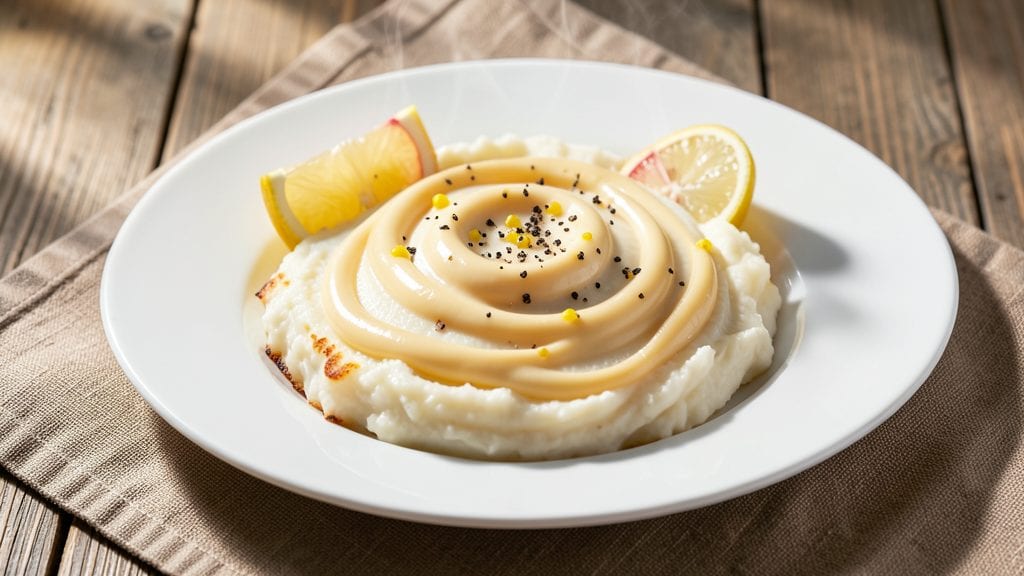
This potato mayonnaise recipe transforms humble ingredients into a velvety, no-cook spread that elevates sandwiches, dips, and more. The secret lies in blending boiled potatoes with mayonnaise until completely smooth, creating a rich, creamy texture that's surprisingly simple to achieve.
I developed this after craving a lighter alternative to traditional mayo-based spreads—it's become a staple in my kitchen for its versatility and foolproof method.
The beauty of this recipe is its adaptability—use it as a sandwich filling, dip for veggies, or even a topping for baked potatoes. The key steps are boiling the potatoes until tender, draining them well, and blending with mayonnaise until perfectly smooth.
Seasoning with salt, pepper, and a touch of lemon juice brightens the flavor, while optional additions like mustard or herbs can customize it to your taste.
What you'll end up with is a creamy, velvety spread that's lighter than traditional mayo but just as satisfying. The texture is smooth and luxurious, with a subtle potato sweetness that pairs beautifully with savory flavors.
Best of all, it requires no cooking—just boiling and blending—making it perfect for quick prep or meal prep ahead.
This recipe keeps well in the refrigerator for up to 5 days, making it ideal for batch cooking. Whether you're looking for a healthier alternative to mayo or a new way to enjoy potatoes, this versatile spread delivers restaurant-quality results with minimal effort. Let's get started!
Ingredients for potato mayonnaise
Eight simple ingredients create a velvety, no-cook spread perfect for sandwiches and dips.
| Ingredient | Amount | Notes |
|---|---|---|
| Russet Potatoes 🥔 | 2 large | Peeled and boiled until tender |
| Mayonnaise 🥫 | 1 cup | High-quality for best flavor |
| Lemon Juice 🍋 | 1 tbsp | Freshly squeezed for brightness |
| Diamond Crystal Kosher Salt 🧂 | ½ tsp | Adjust to taste |
| Freshly Ground Black Pepper 🌶️ | ¼ tsp | For subtle seasoning |
| Yellow Mustard 🍯 | 1 tsp | Optional for tangy kick |
| Fresh Dill 🌿 | 1 tbsp | Chopped, optional garnish |
| Extra-Virgin Olive Oil 🫒 | 1 tsp | For drizzling if needed |
The potatoes are the foundation—Russet potatoes work best because they're starchy and hold up well to blending. Buy organic if possible to avoid peeling extra skins, but regular potatoes work fine. Boil them until fork-tender (about 15 minutes), then drain and let them cool slightly before blending. The mayonnaise should be high-quality—Duke's or Hellmann's are reliable choices, but homemade works too if you've got it. Freshly squeezed lemon juice brightens everything, so don't skip it—bottled juice works in a pinch, but it lacks that fresh zing.
No mayonnaise? Greek yogurt or sour cream can replace it at a 1:1 ratio, though the texture will be slightly lighter. Short on lemon juice? Apple cider vinegar at half the amount adds tang without overpowering. The mustard is optional but adds a nice depth—Dijon mustard has more flavor than yellow. For herbs, fresh dill or chives work beautifully, but dried herbs at one-third the amount will do if that's all you have. The olive oil is just for finishing—drizzle it on top if the spread feels too thick after blending.
Store this in an airtight container in the fridge for up to 5 days. It actually tastes better the next day as the flavors meld. For meal prep, I make a double batch and portion it into small containers—perfect for lunches or quick snacks. If it thickens in the fridge, just add a splash of warm water or milk to loosen it up. The texture should be smooth and velvety, like a lighter mayo—no lumps if blended properly!
Why You'll Love This Recipe
- One-Pot Magic: I swear by this recipe because it’s that easy—just boil, mash, and fold. No fancy gadgets, no stress. The Russets break down perfectly with the mayo, and the lemon brightens everything up in seconds. Honestly, I make this while scrolling through my phone.
- Creamy Tangy Twist: That lemon-mayo combo? It’s the secret weapon. The salt and pepper cut through the richness just enough to keep it light, while the potatoes soak up the flavor like a sponge. Between us, it’s the kind of simple dish that tastes way more expensive than it is.
- Lunchbox Hero: This is my go-to for packed lunches—stays fresh for days, and the texture holds up better than store-bought potato salad. Kids (and my picky husband) love it, and it’s the only side that doesn’t get tossed in the trash by noon.
- Budget Stretch: Russets are cheap, mayo is cheap, and a little lemon juice goes a long way. I stretch this into three meals: sandwiches, wraps, or even a cold salad. Not the prettiest, but the taste makes up for it—and my wallet thanks me every time.
Step-by-step instructions for potato mayonnaise
This no-cook method transforms humble russet potatoes into a lusciously creamy dip that rivals any store-bought version.
Prepare the Boiled Potatoes
Start with the 2 large russet potatoes, peeled and cut into even ½-inch chunks. Place them in a medium saucepan and cover with cold water by about 1 inch. Add 0.5 teaspoon of the diamond crystal kosher salt to the water - this enhances flavor as they cook.
Bring to a rolling boil over high heat, then immediately reduce to a gentle simmer. Cook for exactly 12 minutes until the potatoes are fork-tender but not falling apart. Drain immediately in a colander and let them cool for 5 minutes. The residual heat will finish cooking them slightly and make them easier to handle.
Create the Potato Purée
Transfer the cooled potatoes to a food processor fitted with the metal blade. Add 1 tablespoon of the lemon juice and 1 teaspoon of the yellow mustard. Process on high speed until completely smooth, scraping down the sides as needed. This step is crucial - you want a velvety texture with no lumps that would disrupt the creamy consistency.
Taste the purée and adjust seasoning if needed. I usually add a pinch more salt at this stage since the potatoes absorb some of the initial salt during boiling. The purée should be thick but still spreadable - this is your base that will transform into the creamy dip.
Combine with Mayonnaise
With the food processor running, slowly drizzle in the 1 cup mayonnaise through the feed tube. This gradual addition prevents the mixture from breaking and creates that signature creamy texture. Process for another 30 seconds after all the mayonnaise is incorporated to fully emulsify everything.
Add the 0.25 teaspoon freshly ground black pepper and process for another 10 seconds. The pepper should be finely incorporated but still visible as tiny specks throughout the dip. At this stage, you can taste and make final adjustments - if it needs more brightness, add a little more lemon juice.
Finish and Garnish
Transfer the mixture to a serving bowl. Drizzle with the 1 teaspoon extra-virgin olive oil and gently fold it in with a silicone spatula. This final touch adds richness and helps create that perfect creamy mouthfeel. Sprinkle with the 1 tablespoon chopped fresh dill and gently mix just until combined.
The dip should be thick enough to hold its shape when spooned but still spreadable. For serving, transfer to a chilled bowl and let it sit for 15 minutes before serving - this allows the flavors to meld completely. The final texture should be smooth, velvety, and perfectly creamy with no potato aftertaste.
Pro Tips For Making Potato Mayonnaise
- BOIL POTATOES UNTIL SOFT: Russets take longer than you’d think—aim for a fork-tender test, not just a dent. I learned this the hard way when my first batch turned out gummy; now I check at 20 minutes, then let them finish in the hot water. Overcooking? They’ll disintegrate when mashed.
- USE COLD MAYONNAISE: Straight from the fridge is your friend—warm mayo separates like a bad divorce. Mix it in after cooling the potatoes, and you’ll avoid that greasy, broken texture. (Yes, even if you’re impatient like me.)
- SALT THE POTATOES FIRST: Toss the raw potatoes in salted water before boiling—it seasons the flesh, not just the surface. Diamond Crystal calls for 1½ tsp per pound, but I double it; the potatoes absorb it all, and the mayo gets that perfect depth.
- MASH WITH A POTATO RICER: Food mills or ricers give you silky texture without lumps—no straining, no gummy bits. If you’re in a pinch, a fork works, but you’ll end up with a slightly rustic (and still delicious) result. (Your future self will thank you.)
Storing and reheating your leftovers
Refrigerator Storage
Store your potato mayonnaise in an airtight glass container with a lid—I prefer Pyrex with snap-on lids because they seal tightly and won’t absorb flavors.
Keep it refrigerated at 40°F or below for up to 5 days, though I find it tastes best after 24 hours when flavors meld perfectly. The texture may thicken slightly overnight, so stir in 1 teaspoon warm water if needed before serving. 💡
Freezer Preservation
For longer storage, portion the mayonnaise into silicone molds or small quart-sized freezer bags, leaving ½ inch headspace for expansion. Freeze for up to 3 months—it works best for quick dips or sandwich fillings after thawing.
To reheat, transfer to the fridge overnight to thaw gradually. Avoid microwave reheating, as it can break the emulsion and make it grainy. ❄️
Reviving Texture
If your potato mayonnaise thickens in the fridge, don’t toss it! Stir in 1-2 teaspoons warm milk or water until smooth. For extra richness, add ½ teaspoon olive oil while blending briefly.
If it separates slightly, re-emulsify by blending for 10 seconds with a splash of lemon juice. The key is patience—never force it with heat. ✨
Portioning for Meal Prep
Divide the mayonnaise into small glass jars (like Ball mason jars) for easy grab-and-go lunches. Label with the date and store in the fridge. I keep one jar dedicated to sandwiches and another for veggie dips.
For dips, serve at room temperature for 15 minutes before using—this enhances creaminess. 🥗
Avoiding Spoilage
Watch for signs of spoilage: sour smells, mold, or a slimy texture. If the mayonnaise develops an off odor or changes color, discard it immediately. To extend freshness, press plastic wrap directly onto the surface before sealing the container—this minimizes air exposure.
I also add a pinch of salt to each portion before storing, as it acts as a natural preservative. 🧂
Reheating for Spreads
For sandwich spreads, let the mayonnaise sit at room temperature for 30 minutes before using. If it’s too thick, thin with 1 teaspoon warm water while blending. Never microwave—heat breaks the emulsion and ruins the velvety texture. For best results, use within 2 days of reheating for peak flavor. 🔥
Nutrition facts
Frequently asked questions
Why does my potato mayonnaise turn out grainy?
The most common cause is not blending the potatoes long enough before adding mayonnaise. Process the potatoes until completely smooth with no visible texture—this ensures a velvety finish. Also, add mayonnaise slowly while blending to prevent lumps. If it still separates, blend again with 1 teaspoon warm water to re-emulsify.
Can I use sweet potatoes instead of russet?
Yes, but the flavor will be slightly sweeter and more orange-toned. For best results, boil sweet potatoes for 15 minutes (3 minutes longer than russets) until fork-tender. They work well in savory dips but may not suit all sandwich applications. Adjust lemon juice to 2 tablespoons to balance sweetness.
How do I make this recipe lower in fat?
Replace half the mayonnaise with Greek yogurt or light mayo (½ cup each) to cut fat while keeping creaminess. Use 1 teaspoon olive oil instead of 2 for finishing. For extra protein, stir in 1 tablespoon cottage cheese at the end. The texture remains smooth but with fewer calories.
What are the best uses for potato mayonnaise?
This versatile spread excels as a sandwich filling (especially with roast beef or turkey), veggie dip, or topping for baked potatoes. Try it in potato salad for extra creaminess, or mix with 1 teaspoon honey mustard for a sweet-savory twist. It's also perfect for meal prep—pack it with crackers or pita chips.
Can I make this without a food processor?
Yes! Use a high-powered blender or immersion blender for best results. For a manual method, mash potatoes with a potato ricer, then whisk vigorously with mayonnaise. Expect slightly more texture variation, but it'll still be creamy. If using a fork, blend in 1 tablespoon lemon juice first to help break down starches.