
Side Dishes
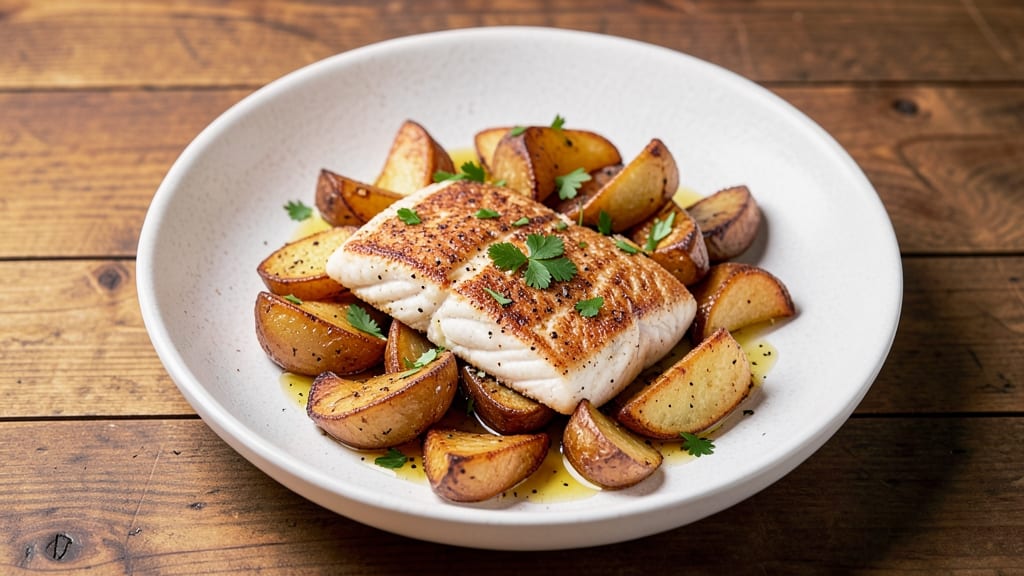
This tilapia and potatoes recipe delivers restaurant-quality results with minimal effort—crispy, vinegar-kissed potato wedges paired with perfectly seared tilapia that stays tender and flavorful.
The secret lies in the vinegar marinade for the potatoes, which creates that signature crispy exterior while keeping the insides fluffy, and a simple lemon-garlic butter for the tilapia that enhances its natural mild flavor without overpowering it.
What sets this dish apart is the balance of textures and flavors: the potatoes develop a satisfying crunch on the outside while remaining soft inside, and the tilapia achieves a golden crust that locks in moisture.
I’ve tested this recipe countless times, and it consistently delivers results that taste like they came from a seafood restaurant—foolproof for both beginners and home cooks looking to elevate their weeknight dinners.
The best part? This recipe comes together in under 30 minutes, making it perfect for busy weeknights when you still want a meal that feels special.
The tilapia cooks quickly in a hot pan, while the potatoes roast alongside it, so you’re not stuck with multiple dishes or a crowded stove. The result is a harmonious plate where every bite offers a mix of crispy, tender, and savory notes.
Serve this dish with a fresh green salad or steamed vegetables to round out the meal, or drizzle with a light lemon aioli for extra brightness. The combination of tilapia and potatoes is both comforting and elegant, proving that simple ingredients can create something truly memorable. Let’s get cooking!
Ingredients for tilapia potato
Simple ingredients that transform into restaurant-quality tilapia and crispy vinegar potatoes.
| Ingredient | Amount | Notes |
|---|---|---|
| Russet Potatoes 🥔 | 2 lbs | Cut into 1-inch wedges, skin on |
| White Vinegar 💧 | ½ cup | For crispy exterior |
| Olive Oil 🫒 | 2 tbsp | Extra-virgin for roasting |
| Salt 🧂 | 1 ½ tsp | Kosher salt for seasoning |
| Black Pepper 🌶️ | ½ tsp | Freshly ground preferred |
| Garlic Powder 🧄 | 1 tsp | For potato seasoning |
| Tilapia Fillets 🐟 | 4 whole | Skinless, 6-8 oz each |
| Unsalted Butter 🧈 | 4 tbsp | Cold, cubed for tilapia |
| Lemon Juice 🍋 | 2 tbsp | Freshly squeezed |
| Garlic Cloves 🧄 | 3 cloves | Minced for butter |
| Fresh Parsley 🌿 | ¼ cup | Chopped for garnish |
| Lemon Zest 🍋 | 1 tsp | For finishing touch |
The potatoes are the star here, so choose Russet potatoes—they hold up best to roasting and develop that perfect crispy exterior. Trader Joe's and Whole Foods carry the best quality, but any grocery store's Russets will work. Look for firm, unblemished potatoes—they should feel heavy for their size. Cut them into 1-inch wedges, leaving the skin on for texture. The vinegar marinade is key: toss the wedges with vinegar, olive oil, and a pinch of salt before roasting. This creates that signature crispy crust while keeping the insides fluffy. For the tilapia, freshness is everything. Buy from a seafood counter where they're displayed under refrigeration, and cook within 24 hours of purchase. The fillets should smell clean and fresh, with no fishy odor.
No white vinegar? Apple cider vinegar or lemon juice works in a pinch, though white vinegar gives the most authentic flavor. Short on time? Pre-cut frozen potato wedges save prep work—just pat them dry before roasting. For the tilapia, if you can't find fresh fillets, high-quality frozen tilapia (thawed in the fridge) works fine. The lemon-garlic butter is non-negotiable for flavor—don't skip the fresh garlic or lemon zest. If you're out of parsley, fresh cilantro or dill adds a nice contrast. For extra crispiness, toss the roasted potatoes with a pinch of smoked paprika before serving. And if you're feeling fancy, add a sprinkle of freshly cracked black pepper right before plating.
Roasted potatoes keep well for 3-4 days in the fridge, though they're best eaten fresh. Reheat in a 375°F oven for 10-15 minutes until crispy again. The tilapia should be eaten immediately after cooking, but if you have leftovers, store them in an airtight container with a paper towel to absorb moisture. Keeps for 1-2 days in the fridge. For meal prep, roast extra potatoes and store them separately from the tilapia. Assemble the dish just before serving to maintain that perfect texture contrast. The lemon-garlic butter can be made ahead and stored in the fridge for up to 3 days, or frozen for 1 month. Always let the butter come to room temperature before using for the best flavor and texture.
Why You'll Love This Recipe
- One-Pan Wonder: I swear by this for lazy nights—just slice the potatoes, toss them with vinegar and olive oil, then let the oven do the work while I prep the tilapia. No chopping boards left to scrub, no extra pans to wash.
- Crispy-Creamy Magic: That vinegar soak transforms the potatoes into golden, paper-thin shards on the outside while keeping them fluffy inside. Pair it with flaky tilapia, and you’ve got a textural dream team that’s hard to resist.
- Budget Meal Prep: Russets and tilapia won’t break the bank, and this recipe stretches easily for leftovers. I make double batches—half for dinner, half to reheat for lunches, and the vinegar keeps everything fresh longer than I expected.
- Weeknight Reliable: Honestly, this is my go-to when I’m too tired to think. The tilapia cooks in minutes, the potatoes crisp up without fuss, and the whole thing comes together faster than takeout. (Yes, even on a Tuesday night.)
Step-by-step instructions for tilapia and potatoes recipe
Here's the method for achieving perfectly crispy potato wedges and tender tilapia fillets.
Prepare the Vinegar-Kissed Potato Wedges
Preheat your oven to 425°F for maximum crispiness. Cut the 2 lbs russet potatoes into 1-inch wedges, keeping the skin on for texture. Toss the wedges in a large bowl with 2 tbsp olive oil, 1.5 tsp salt, 0.5 tsp black pepper, and 1 tsp garlic powder until evenly coated. Spread them in a single layer on two rimmed baking sheets.
Pour the 0.5 cup white vinegar evenly over the wedges, making sure each piece gets a light coating. This creates the signature crispy exterior while keeping the centers fluffy. Roast for 25 minutes, then flip the wedges and roast for another 15-20 minutes until they're deep golden brown and crispy to the touch.
Season and Cook the Tilapia Fillets
While the potatoes roast, melt 4 tbsp unsalted butter in a large skillet over medium heat. Add the 3 minced garlic cloves and cook for 30 seconds until fragrant. Place the 4 whole tilapia fillets in the skillet, skin-side down, and cook for 3-4 minutes until the skin is golden and crispy.
Flip the fillets and cook for another 2-3 minutes until they're opaque and flake easily with a fork. Remove from heat and transfer to a plate. The fillets should be tender and lightly browned, with no pink remaining at the thickest part. Keep them warm while you prepare the finishing touches.
Create the Lemon-Garlic Butter Sauce
In the same skillet, reduce the heat to low and add 2 tbsp lemon juice and 1 tsp lemon zest. Stir to combine, scraping up any browned bits from the bottom of the pan. This creates a bright, citrusy sauce that complements the tilapia perfectly.
Return the tilapia fillets to the skillet and spoon the lemon-garlic butter sauce over the top. Let them sit for 1 minute to absorb the flavors. Meanwhile, sprinkle the roasted potato wedges with 0.25 cup chopped fresh parsley for a pop of color and freshness.
Assemble and Serve
Divide the crispy potato wedges evenly among four plates. Place one tilapia fillet on top of each serving of potatoes, spooning the lemon-garlic butter sauce over the fish. The contrast of the crispy potatoes with the tender, buttery tilapia creates a perfect balance of textures and flavors.
Serve immediately while the potatoes are still crispy and the tilapia is warm. The vinegar-kissed wedges will maintain their crunch for the first few bites, while the lemon-garlic butter sauce adds a bright, zesty finish that cuts through the richness of the fish. Enjoy with a simple green salad or steamed vegetables for a complete meal.
Pro Tips For Making Tilapia Potato
- CUT POTATOES UNIFORMLY: Grab a knife and slice those Russets into ¼-inch thick rounds—no thicker, or they’ll turn to mush while the tilapia cooks. I learned this the hard way after serving a batch where half the potatoes were still raw inside. Use a mandoline if you’re impatient; it’s faster than you’d think.
- ACIDIFY THE VINEGAR: Mix white vinegar with water (1:1 ratio) before adding it to the tilapia—this keeps the fish from curling up like a sad taco. My grandmother swore by this, and she was right: the acidity works better when diluted, and it won’t overpower the dish.
- DON’T OVERCROWD THE PAN: Cook the tilapia in a single layer with just enough olive oil to coat the bottom—any more, and you’ll steam the potatoes instead of searing them. I skip this step sometimes, and the potatoes end up soggy. Trust me, a little patience here makes all the difference.
- SALT THE POTATOES FIRST: Toss the sliced Russets with ½ teaspoon salt per pound before cooking—this draws out moisture and guarantees crisp edges. I was skeptical until I tried it: the potatoes brown faster, and the tilapia doesn’t steal all the seasoning. (Yes, even if you’re impatient like me.)
Essential equipment for perfect results
Essential Pan Tools
For the tilapia, you’ll need a 12-inch nonstick skillet—I recommend All-Clad Stainless for even heat distribution and easy release. A well-seasoned cast iron skillet like Lodge works too, but avoid overheating to prevent sticking. The key is medium heat—too hot, and the fillets burn before cooking through. 🔥
If you don’t have a nonstick pan, use a lightly oiled stainless steel skillet (like Mauviel M’Cook) and cook the tilapia skin-side down first. This creates a natural crust while keeping the fish tender. Just be patient—tilapia cooks fast, so avoid crowding the pan.
Oven Must-Haves
Your oven is the star for the potatoes. Use two rimmed baking sheets (like Nordic Ware Half-Sheet Pans) to maximize airflow and even crispiness. These pans hold heat well and prevent soggy wedges. Preheat your oven to 425°F—this high temp is crucial for that signature crispy exterior. 🌡️
A wire cooling rack (placed on top of the baking sheets) helps potatoes stay crispy longer by allowing air circulation underneath. I use the OXO Good Grips model—it’s sturdy and fits snugly. If you’re short on space, roast one tray at a time and flip the wedges halfway.
Prep Essentials
A sharp chef’s knife (like Wüsthof Classic) is a game-changer for cutting 1-inch potato wedges evenly. Uneven pieces cook at different rates, leading to some wedges overdone and others undercooked. For tilapia, a fish spatula (or wide metal spatula) helps flip delicate fillets without breaking them. 🐟
Don’t skip a large mixing bowl (at least 3-quart capacity) for tossing the potato wedges with vinegar and oil. A fine-mesh strainer comes in handy if you want to drain excess vinegar before roasting—this prevents a sour taste.
For the lemon-garlic butter, a microplane (like Barcadi) is perfect for zesting fresh lemon.
Optional Upgrades
For extra crispiness, invest in a pizza stone (like Ooni) or baking steel—they conduct heat better than sheet pans and create a crispier texture. Place it in your oven while preheating for 30 minutes to get it hot.
I also love using a digital meat thermometer (like ThermoWorks Smoke) to check the tilapia’s internal temp—it should reach 145°F at the thickest part. 🌡️
A small offset spatula helps flip wedges easily without crushing them. For serving, a slotted spoon keeps potatoes warm while you plate the tilapia. If you’re garnishing with parsley, a small pair of kitchen shears makes quick work of chopping fresh herbs.
Nutrition facts
Frequently asked questions
Can I use frozen tilapia instead of fresh for this recipe?
Yes, but thaw it properly first. Place frozen tilapia fillets in a sealed bag and submerge in cold water for 30-45 minutes or refrigerate overnight. Never thaw at room temperature—this promotes bacterial growth. Pat dry thoroughly before cooking to ensure a crispy crust.
Why do my potato wedges turn out soggy instead of crispy?
Soggy wedges usually mean too much moisture or insufficient heat. Make sure to pat potatoes completely dry before roasting, and spread them in a single layer on the baking sheet. The 425°F oven temperature is critical—any lower and they'll steam instead of crisp. Also, avoid overcrowding the pan.
What's the best way to reheat leftover tilapia and potatoes?
Reheat potatoes in a 400°F oven for 10-15 minutes until crispy again. For tilapia, warm in a skillet over low heat for 2-3 minutes with a splash of water or butter to prevent drying. Never microwave—it makes the fish rubbery. Reheat separately to maintain texture contrast.
Can I make this recipe ahead of time?
Yes, but with some adjustments. Roast potatoes up to 1 day ahead and store at room temperature in an airtight container. Reheat before serving. Cook tilapia fresh—it's best eaten immediately after preparation. The lemon-garlic butter can be made 1 day ahead and stored in the fridge.
What other fish works well with this potato recipe?
This method works beautifully with mild white fish like cod, haddock, or mahi-mahi. For a different flavor profile, try salmon with a soy-ginger glaze instead of lemon butter. The vinegar-kissed potato technique remains the same—it's the fish preparation that can vary.