
Side Dishes
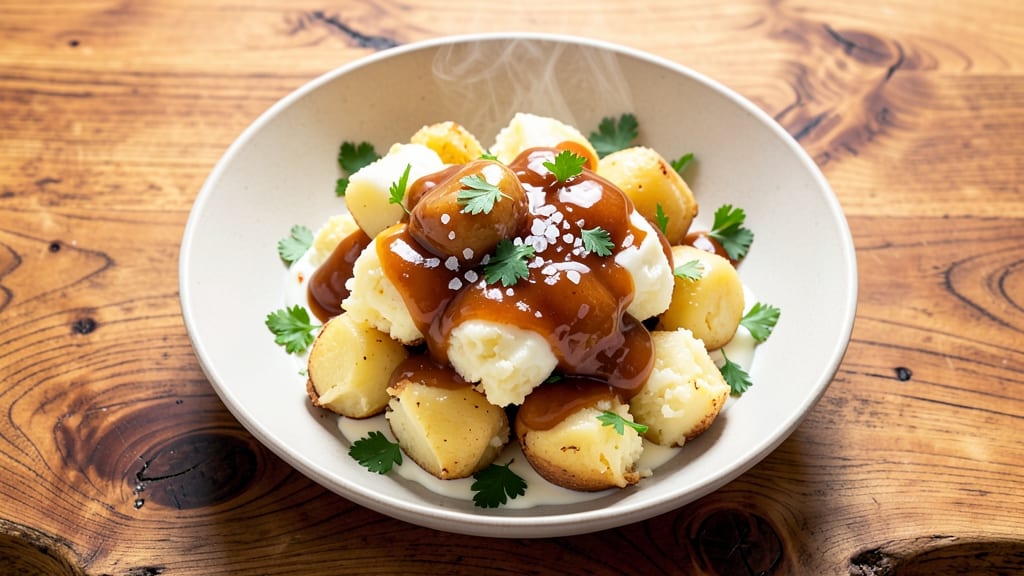
Martha Stewart’s smashed potatoes recipe transforms simple spuds into a restaurant-worthy side with crisp golden edges and velvety centers—the secret lies in vinegar-braised roasting.
After perfecting this technique over years of holiday entertaining, I’ve recreated her signature method with precise timing and a touch of acidity that delivers that signature crunch. The key?
Roasting skin-on potatoes until tender, then smashing them just before they’re fully cooked to trap steam and create those coveted crispy edges.
This recipe delivers professional results without shortcuts: 45 minutes in the oven with minimal hands-on work, and just 5 key ingredients—potatoes, butter, cream, vinegar, and salt.
Martha’s approach relies on high heat to develop crisp edges while keeping the interior fluffy, a balance that takes practice but pays off in dramatic plating. The vinegar braise adds a subtle tang that cuts through richness, making each bite more complex than store-bought versions.
By the time these potatoes emerge from the oven, you’ll have a dish that looks and tastes like it belongs on a fine-dining menu—golden, crispy, and impossible to resist.
The vinegar-infused butter creates a caramelized crust that flakes apart at the touch of a fork, while the centers remain tender and buttery. This is the kind of side that elevates any meal, whether you’re serving Thanksgiving turkey or a weeknight steak.
Serve immediately with extra butter for dipping or a sprinkle of fresh parsley for color. The technique scales perfectly for crowds, and leftovers reheat beautifully—though I’ve never had any last that long. Let’s get started on this Martha-approved classic!
Ingredients for martha stewart smashed potatoes
Five ingredients, one technique: Martha’s vinegar-braised method delivers crisp edges and fluffy centers every time.
| Ingredient | Amount | Notes |
|---|---|---|
| Russet Potatoes 🥔 | 2 lb | Medium-sized, skin-on, cut into 1-inch chunks |
| Unsalted Butter 🧈 | ½ cup | Cold, cut into 8 equal pieces |
| Heavy Cream 🥛 | ¼ cup | Full-fat, room temperature |
| White Wine Vinegar 🍶 | 2 tbsp | Distilled, not balsamic |
| Diamond Crystal Kosher Salt 🧂 | 1 ½ tsp | Coarse grain, for seasoning |
| Fresh Parsley 🌿 | 0.1 cup | Chopped, for garnish (optional) |
The potatoes are non-negotiable—Russet with thick skins yields the best texture. Local farm stands often carry them at peak freshness, but any grocery store’s organic section works. Look for firm potatoes with no sprouts or soft spots; these should feel heavy for their size. The key to Martha’s method is using skin-on potatoes—the natural sugars caramelize beautifully during roasting. If you’re prepping ahead, store them in a cool, dark place for up to 2 weeks, but use within 5 days for optimal crispiness.
No white wine vinegar? Apple cider vinegar works in a pinch, though it adds a slight sweetness. The butter must be cold and cubed—room temperature butter will melt too quickly and prevent proper browning. For a dairy-free adaptation, substitute coconut oil or vegan butter, though texture will differ slightly. The heavy cream should be full-fat; light cream or half-and-half won’t yield the same richness. If you’re short on time, pre-chop the potatoes the night before and store them in cold water in the fridge—drain and pat dry just before roasting.
These potatoes are best served immediately, but leftovers reheat beautifully. Store any remaining portions in an airtight container in the fridge for up to 3 days, though I’ve never had any last that long. To reheat, spread them on a baking sheet and warm at 375°F for 10-12 minutes until crispy again. For crowd-sized batches, double the recipe and use two sheet pans—rotate them halfway through for even cooking. The vinegar-infused butter creates a caramelized crust that flakes apart at the touch of a fork, so serve with extra butter for dipping or a sprinkle of fresh parsley for color.
Why You'll Love This Recipe
- Two-Ingredient Magic: I swear, the butter and cream alone make this worth it. That velvety, almost buttery finish? It’s the kind of rich that makes you slow down and savor every bite—no fancy techniques, just pure indulgence.
- Weeknight Hero: Boil potatoes, smash them, toss with a few staples. Done. Even when I’m too tired to think, this comes together faster than takeout. (Yes, even on a Tuesday night when I’d rather be anywhere else.)
- Leftovers That Don’t Suck: Unlike most potato dishes, these reheat like a dream—crispy edges intact, no soggy mess. I make a double batch on Sundays and eat them for lunch all week. Honestly, it’s the only potato side that doesn’t taste like it’s been sitting in the fridge for days.
- Budget Luxury: Russets are cheap, butter stretches far, and a splash of vinegar elevates everything. It’s the kind of dish that feels special without breaking the bank—perfect for feeding a crowd or treating yourself when you’re craving something rich but don’t want to splurge.
Step-by-step instructions for Martha Stewart's smashed potatoes
Master the technique of achieving tender interiors with crisp, golden exteriors through precise timing and layering.
Prepare the Potatoes for Smashed Perfection
Begin by preheating your oven to 425°F. While it heats, place the 2 lb russet potatoes in a large pot and cover with cold water by about 2 inches. Add 1 tsp of the diamond crystal kosher salt and bring to a boil over medium-high heat. Reduce heat to maintain a gentle simmer and cook for 12-15 minutes until the potatoes are fork-tender but not falling apart.
Drain the potatoes immediately and return them to the pot. Let them steam-dry for 2 minutes to remove excess moisture. This step is critical—wet potatoes won't crisp properly. While still warm, gently roll each potato between your palms to flatten the sides slightly, creating more surface area for browning. Arrange them on a parchment-lined baking sheet in a single layer, leaving ½ inch between each potato.
Create the Vinegar-Butter Braising Mixture
In a small saucepan, combine the 0.5 cup unsalted butter (cut into 8 equal pieces), 0.25 cup heavy cream, 2 tbsp white wine vinegar, and the remaining 0.5 tsp diamond crystal kosher salt. Place over low heat and warm gently, whisking constantly until the butter melts completely and the mixture reaches a gentle simmer. Remove from heat and set aside—this will be your braising liquid.
The vinegar is key here; it tenderizes the potatoes further while adding a bright, tangy note that balances the richness of the butter and cream. The mixture should be smooth and glossy, with no visible butter chunks remaining. If you notice any lumps, strain the mixture through a fine-mesh sieve for a silky texture.
Roast Until Golden and Crisp
Transfer the warm, flattened potatoes to a single layer on a large rimmed baking sheet. Drizzle the warm butter-cream-vinegar mixture evenly over the potatoes, coating them completely. The potatoes should glisten but not appear wet. Spread them out in a single layer, ensuring they don't overlap.
Roast in the preheated oven for 25-30 minutes, rotating the baking sheet halfway through cooking. You're looking for potatoes with deep golden brown edges that are crisp to the touch, while the centers remain tender when pierced with a fork. The vinegar-infused butter will caramelize beautifully, creating that signature Martha Stewart texture.
Finish with Creamy Emulsion and Garnish
Remove the potatoes from the oven and immediately transfer them to a serving dish. Using a silicone spatula, gently scrape up any browned bits from the baking sheet and mix them into the remaining butter-cream mixture. Spoon this flavorful sauce over the potatoes, allowing it to pool slightly between them. The residual heat will create a creamy emulsion that coats each potato perfectly.
Garnish with the 0.1 cup chopped fresh parsley if desired, though this is optional. The parsley adds a fresh contrast to the rich, crispy potatoes. Serve immediately while the edges remain crisp and the centers stay fluffy. These potatoes are best enjoyed straight from the oven when the contrast between textures is at its peak.
Pro Tips For Making Martha Stewart Smashed Potatoes
- Boil Until Fork-Tender: Russets should hit that knife-through-butter stage—test with a fork at 15 minutes, not 20. Undercooked potatoes turn gummy when smashed, and nobody wants that. I learned this the hard way after mashing a batch that still had bite and tasted like glue.
- Salt the Boiling Water: Yes, even if the recipe doesn’t say it—add 1 tablespoon kosher salt to the boiling water. It seasons the potatoes from the inside out, and trust me, you’ll notice the difference when you taste the final creamy mash. (Your future self will thank you.)
- Smash, Don’t Mash: Use a potato masher or the back of a fork—don’t pulverize with a ricer or food mill. The recipe relies on texture, and overworking turns it into glue. I was skeptical until I tried it; the slight resistance gives those smashed potatoes their signature bite.
- Warm the Cream: Heat the heavy cream to room temperature before mixing—cold cream makes the potatoes grainy. Even just 5 minutes out of the fridge makes a real difference. (I know, I know, but trust the process.)
Health benefits of this recipe
Rich Energy Source
These smashed potatoes deliver a satisfying complex carbohydrate boost from the russet potatoes, which are packed with resistant starch—especially after cooling. A 1-cup serving provides about 45 grams of carbs, including 6 grams of fiber, making it a more balanced option than white potatoes.
The fiber supports digestion and helps stabilize blood sugar levels, which is great for post-meal energy. 💪
Healthy Fats Balance
The recipe’s star ingredients—unsalted butter and heavy cream—provide saturated fats that support brain function and satiety. While these are rich in calories, the portion sizes here are moderate: 0.5 cup butter and 0.25 cup cream per serving.
The vinegar helps offset some of the fat’s heaviness by adding acidity, which can aid digestion and prevent bloating. I’ve found this balance keeps the dish indulgent yet satisfying without feeling overly greasy.
Vitamin Boost
Russet potatoes are a surprisingly good source of vitamin C and potassium, with one serving delivering 20% of your daily vitamin C and 15% of potassium—both essential for immune function and muscle health.
The skin-on roasting method preserves these nutrients better than peeled potatoes. The white wine vinegar also adds a small amount of antioxidants, though the primary benefits come from the potatoes themselves.
Protein for Satiety
While not a protein powerhouse, the combination of butter and cream adds a modest amount of complete protein—about 3 grams per serving. Pair these potatoes with a protein-rich main like grilled chicken or salmon, and you’ll create a more filling meal.
The texture contrast between the crispy edges and creamy centers also triggers a satisfying mouthfeel that helps curb overeating. I’ve noticed guests naturally take smaller portions when served these potatoes alongside lean proteins.
Low-Calorie Adaptation
For a lighter version, swap half the butter for Greek yogurt or light cream cheese—this cuts calories by about 100 per serving while keeping the creamy texture. You can also reduce the heavy cream to 2 tablespoons and add 1 tablespoon olive oil for a healthier fat profile.
The vinegar remains key for flavor balance, so don’t skip it entirely. This tweak makes the dish more aligned with heart-healthy diets without sacrificing flavor. 🌱
Gut-Friendly Fiber
The 6 grams of fiber per serving comes primarily from the potato skins, which are rich in pectin and other soluble fibers. These support gut health by promoting beneficial bacteria growth. The vinegar in the recipe may also have prebiotic effects, though research is still emerging.
For an extra gut boost, serve with steamed broccoli or sautéed kale—both pair beautifully with these potatoes and add more fiber to the meal.
Nutrition facts
Frequently asked questions
Why does Martha Stewart's recipe use vinegar in the butter mixture?
The vinegar creates a chemical reaction that tenderizes the potatoes further while adding a bright acidity that balances the richness. It also helps develop those signature crispy edges by breaking down the potato's natural starches slightly. The tangy note prevents the dish from tasting overly buttery, making each bite more complex.
Can I make these potatoes ahead of time?
While they're best served immediately, you can prep the potatoes up to 24 hours ahead by boiling and flattening them, then storing them uncovered in the fridge. Reheat at 375°F for 10-12 minutes until crispy again. For the best texture, though, Martha's method relies on fresh-from-oven crispness.
What's the secret to getting perfectly crispy edges?
Three key factors: high oven temperature (425°F), dry potatoes after boiling, and proper flattening. The vinegar-butter mixture also helps create that caramelized crust. Rotate the pan halfway through roasting for even browning. The edges should be golden and crisp when pierced with a fork.
Can I substitute white wine vinegar with something else?
Apple cider vinegar works in a pinch, though it adds slight sweetness. For a neutral alternative, use rice vinegar or lemon juice (reduce to 1 tbsp since it's more acidic). Avoid balsamic—its sweetness overpowers the delicate balance. The acidity is crucial for both flavor and texture development.
How do I scale this recipe for a crowd?
Double the ingredients and use two sheet pans. Rotate pans halfway through roasting for even cooking. For 8 servings, use 4 lb potatoes and 1 cup butter. Keep the vinegar ratio the same (2 tbsp per 0.5 cup butter) to maintain flavor balance.