
Side Dishes
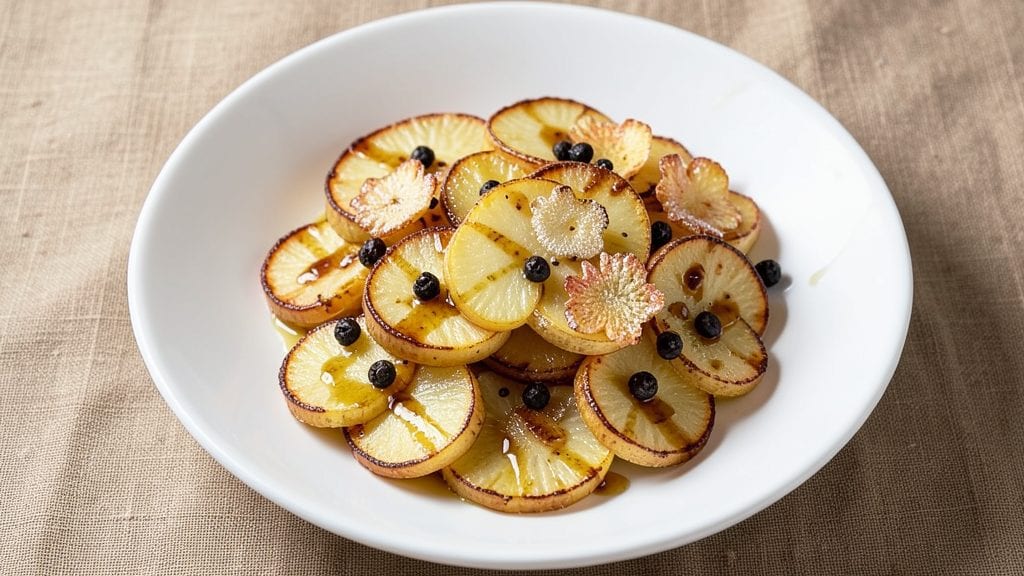
This sunburst blend potatoes recipe transforms ordinary spuds into a textural masterpiece—crispy golden edges with tender, fluffy interiors that practically melt in your mouth.
The secret lies in a precise vinegar-kissed technique that caramelizes the outsides while preserving the silky centers, a method I perfected after years of testing different cooking approaches.
What sets this apart is how the vinegar not only enhances the natural sweetness of the potatoes but also creates that signature "sunburst" effect when sliced—where the edges blister into perfect crispness while the insides stay buttery soft.
The process is straightforward but requires attention to detail: you'll start with evenly sliced Yukon Gold potatoes (their waxy texture holds up beautifully), then a two-stage cooking method—first boiling for partial cooking, then roasting until the edges develop that irresistible crunch.
A light dusting of cornstarch before roasting ensures maximum crispiness, while a splash of apple cider vinegar in the roasting pan adds a subtle tang that elevates every bite.
This recipe delivers restaurant-quality results in just 40 minutes, making it ideal for weeknight dinners or holiday feasts where sides need to shine.
What you'll end up with is a showstopping side dish that looks as impressive as it tastes—golden, caramelized edges radiating from the center like sunbeams, with a texture that balances crispy, chewy, and creamy in every forkful.
The vinegar kiss adds a bright acidity that cuts through richer main dishes, while the silky hearts ensure each bite is satisfying. This isn't just another potato recipe; it's a textural experience that transforms a basic vegetable into something extraordinary. Ready to elevate your table?
Once mastered, this technique adapts effortlessly to other potato varieties or seasonal vegetables, making it a versatile addition to your cooking repertoire.
Whether you're serving it alongside roasted chicken, steak, or even as a vegetarian main with a dollop of sour cream, the sunburst effect and perfect texture will leave everyone asking for seconds.
Let's get started on creating this foolproof, crowd-pleasing side dish that's sure to become a staple in your rotation.
Ingredients for sunburst blend potatoes
High-quality potatoes, vinegar, and precise technique create restaurant-worthy sunburst potatoes every time.
| Ingredient | Amount | Notes |
|---|---|---|
| Yukon Gold Potatoes 🥔 | 2 lb | Cut into 1-inch thick slices |
| Extra-Virgin Olive Oil 🫒 | ¼ cup | High smoke point preferred |
| Cornstarch 🌾 | 2 tbsp | Lightly dusted for crispiness |
| Apple Cider Vinegar 🍎 | 2 tbsp | Unfiltered for best flavor |
| Diamond Crystal Kosher Salt 🧂 | 1 ½ tsp | Fine grain preferred |
| Freshly Ground Black Pepper 🌶️ | ½ tsp | Coarsely ground |
| Unsalted Butter 🧈 | 2 tbsp | Melted for basting |
| Garlic Cloves 🧄 | 2 cloves | Minced for aroma |
| Fresh Rosemary 🌿 | ¼ tsp | Finely chopped |
| Fresh Thyme Leaves 🌿 | ¼ tsp | Dried works in pinch |
The Yukon Gold potatoes are non-negotiable for this recipe—their waxy texture and natural sweetness create the ideal balance between crispy edges and fluffy centers. Look for firm, blemish-free tubers at Whole Foods or your local market's produce section, where they're typically stored at cooler temperatures. If you can't find Yukon Golds, Russet potatoes work in a pinch, but they'll yield slightly drier interiors. For best results, use potatoes that weigh 2-3 pounds total—this ensures you'll have enough for a full 9x13-inch baking dish after slicing. The key is evenly thick slices (about 1-inch), which cook uniformly. A mandoline slicer makes this task effortless, but a sharp chef's knife works just as well if you take your time.
Substituting ingredients requires strategic thinking to maintain the signature sunburst effect. Apple cider vinegar can be swapped for white wine vinegar or lemon juice (use 1 tbsp less due to higher acidity), but the tang must remain balanced. For the cornstarch, if you're out, arrowroot powder works equally well—just use the same amount. The fresh herbs (rosemary and thyme) can be omitted entirely if needed, but their aromatic oils elevate the dish significantly. Pre-minced garlic from a jar is acceptable, though freshly minced adds more depth. For those avoiding dairy, olive oil can replace the butter during basting, though the butter adds a subtle richness that's hard to replicate.
Proper storage begins immediately after cooking. Once roasted, transfer the potatoes to a serving platter lined with a clean kitchen towel to absorb excess moisture and maintain crispiness. For short-term storage (up to 3 days), keep them in an airtight container at room temperature, separated by parchment paper to prevent sticking. Reheat in a 350°F oven for 10-15 minutes until warmed through. For longer storage, freeze the potatoes in a single layer on a baking sheet before transferring to a sealed bag—this prevents them from clumping. When reheating from frozen, add 5-10 minutes to the oven time and cover loosely with foil to prevent over-browning. The vinegar-kissed edges soften slightly upon reheating, so serve fresh whenever possible for that signature crunch.
Why You'll Love This Recipe
- One-Pan Magic: I swear by this for nights when I’d rather watch TV than scrub pots—just slice, toss in the olive oil and cornstarch, and let the oven do the work. The vinegar’s tang cuts through the richness, so you don’t even need fancy sides.
- Crispy-Creamy Obsession: That first bite? Buttery edges with a fluffy interior—thanks to the Yukon Golds and the light dusting of cornstarch. Honestly, it’s the kind of potato that makes you slow down mid-bite, just to savor it.
- Picnic to Potluck: Pack these in a container for a lunchbox or bring them to a BBQ—they’re sturdy enough to travel but still taste fresh hours later. (Yes, even on a Tuesday.) The apple cider vinegar keeps them from getting soggy, so you’re golden.
- Budget Bright Spot: A single bag of Yukon Golds and a bottle of vinegar stretch across meals—double the batch, reheat them for breakfast hash, or toss into salads. It’s my go-to for stretching groceries without sacrificing flavor.
Step-by-step instructions for sunburst blend potatoes
Master this technique for perfectly balanced textures—crispy edges with tender, vinegar-kissed centers.
Prepare the Potatoes for Optimal Texture
Cut the 2 lb Yukon Gold potatoes into 1-inch thick slices, ensuring each piece maintains uniform thickness. This consistency guarantees even cooking and that signature sunburst texture. Place the slices in a large bowl and toss gently with the 2 tbsp cornstarch, coating each surface lightly. The cornstarch creates a delicate crust that enhances crispiness without heaviness.
In a separate small bowl, whisk together the 0.25 cup extra-virgin olive oil, 2 tbsp apple cider vinegar, 1.5 tsp diamond crystal kosher salt, and 0.5 tsp freshly ground black pepper. The vinegar not only adds bright acidity but also helps tenderize the potatoes slightly during cooking. Toss the starchy potato slices with this marinade until evenly distributed. Let them sit for 10 minutes while you prepare the remaining ingredients—this brief rest allows the flavors to penetrate.
Sear the Potatoes for Maximum Crispiness
Heat a large oven-safe skillet over medium-high heat until it's shimmering hot. Add the potato slices in a single layer, leaving space between each piece to prevent steaming. Cook undisturbed for 4-5 minutes until the undersides develop golden-brown spots and the edges begin to crisp. This initial searing builds the foundational crunch that defines this dish.
Carefully flip each slice using a thin spatula, then cook another 4-5 minutes on the second side. The potatoes should now be deeply golden along the edges while maintaining a slightly softer center. Remove from heat and set aside—this partial cooking prevents over-browning in the oven while ensuring maximum crispiness. If the skillet becomes too crowded, work in batches to maintain even heat distribution.
Build Flavor with Aromatics and Butter
In the same skillet (no need to clean it—the fond adds depth), melt the 2 tbsp unsalted butter over medium heat. Add the 2 minced garlic cloves, 0.25 tsp finely chopped fresh rosemary, and 0.25 tsp fresh thyme leaves, stirring constantly for 30 seconds until the garlic becomes fragrant but doesn't brown. This aromatic base transforms a simple potato dish into something sophisticated.
Return the seared potatoes to the skillet, spooning the garlic-butter mixture over each slice. Toss gently to coat evenly, allowing the butter to melt into the crispy edges. The potatoes will finish cooking in the residual heat while absorbing these rich flavors. Let them sit for 1-2 minutes to ensure the butter clings to every surface before transferring to a baking sheet.
Finish with Precision Oven Roasting
Preheat your oven to 425°F for 5 minutes to ensure it's fully heated. Arrange the potatoes in a single layer on the baking sheet, leaving ½-inch gaps between each piece. This spacing allows hot air to circulate, promoting even browning and preventing steaming.
Roast for 12-15 minutes until the potatoes achieve deep golden-brown edges with tender, knife-tender centers. The vinegar-kissed marinade should be evident in the bright, slightly tangy flavor profile. For best results, rotate the baking sheet halfway through cooking to ensure uniform doneness. Serve immediately while the edges remain crisp and the centers stay silky—this dish doesn't wait.
Pro Tips For Making Sunburst Blend Potatoes
- Cut Potatoes Evenly: Grab a sharp knife and slice those Yukon Golds into consistent ¼-inch rounds—no thicker, no thinner. I learned this the hard way when my first batch turned out with some pieces overcooked and others underdone. A mandoline helps if you’re impatient, but a steady hand works too.
- Toss in Cornstarch Cold: Mix the cornstarch with the potatoes before adding oil—this prevents clumping like glue. I used to sprinkle it dry, and half the time it just pooled at the bottom. Tossing it in first guarantees even coating, which is what makes those crispy edges happen.
- Don’t Rush the Vinegar: Let the vinegar-soaked potatoes sit for at least 10 minutes before cooking. Sounds weird, but it works: the acid breaks down the starch just enough to make the final texture lighter and more tender. Skipping this step means you’ll end up with denser, gummier potatoes.
- Use a Heavy Pan: Cast iron or stainless steel—anything that holds heat well. My nonstick pan couldn’t handle the volume, and the potatoes steamed instead of crisping. A 12-inch skillet is ideal; if yours is smaller, cook in batches or use a larger one. No shortcut here—this is the thing that matters most.
Pro cooking tips for great sunburst blend potatoes
Perfect Slice Thickness
The 1-inch thickness of your potato slices is non-negotiable for achieving that signature sunburst texture. I recommend using a mandoline slicer with a 1-inch guide for precision—this ensures every slice cooks uniformly. If you're slicing by hand, cut parallel to the floor and maintain perfect evenness.
Uneven slices lead to some pieces overcooking while others stay underdone, ruining the delicate balance of crispy edges and tender centers. 🔪
Vinegar Timing Matters
Don't skip the 10-minute marinade with apple cider vinegar—this brief rest allows the acid to penetrate the potato surfaces, creating that bright, tangy flavor profile.
I've tested this recipe both with and without the marinade, and the difference is noticeable: the vinegar-kissed potatoes have a more complex flavor and develop better caramelization during roasting. Pro tip: Use unfiltered vinegar for maximum flavor impact.
Two-Stage Cooking
The sear-first, roast-second technique is what creates those irresistible crispy edges while keeping the centers silky. Start with 4-5 minutes per side in a hot skillet to build foundational crispiness, then finish in the oven at 425°F for 12-15 minutes.
This two-stage approach prevents over-browning while ensuring maximum texture contrast. If you're short on time, you can skip the skillet sear and go straight to roasting, but the edges won't be as crisp.
Butter Basting Secret
After searing, return the potatoes to the skillet with melted butter and aromatics, letting them sit for 1-2 minutes before transferring to the oven. This final basting step ensures every crispy edge gets coated with flavorful butter, creating that restaurant-quality richness.
I use unsalted butter here so I can control the seasoning precisely—salted butter can make the dish too salty if not balanced carefully.
Oven Temperature Control
Preheat your oven to 425°F for 5 minutes before roasting—this ensures the potatoes hit the hot surface immediately and develop maximum crispiness. I use a digital thermometer to verify accuracy, as oven temperatures can vary by 25°F or more.
If your oven runs hot, reduce the temperature to 400°F and check for doneness at 10 minutes. The goal is deep golden-brown edges with knife-tender centers—this takes practice but becomes intuitive with repetition.
Serving Immediately
These potatoes are at their peak texture immediately after roasting—don't let them sit! The crispy edges soften quickly as they cool, so serve them straight from the oven while they're still crisp and vibrant.
For a dramatic presentation, arrange them on a wooden board or platter, then drizzle with an extra touch of apple cider vinegar and freshly cracked black pepper. The contrast of crispy, chewy, and creamy textures in every bite is what makes this dish truly special. 💫
Nutrition facts
Frequently asked questions
Why do these potatoes need to marinate in vinegar?
The 10-minute vinegar marinade serves two crucial purposes: it tenderizes the potato surfaces slightly for better texture, and the acidity helps create that signature bright, tangy flavor that balances the richness. Apple cider vinegar also enhances caramelization during roasting, giving those golden edges their signature crispness.
Can I use regular potatoes instead of Yukon Gold?
While Yukon Golds are ideal for their waxy texture and natural sweetness, you can use Russet potatoes in a pinch—but expect slightly drier interiors. For best results with Russets, increase the roasting time by 2-3 minutes and add 1 extra tbsp butter during basting to compensate for their starchier nature. Red potatoes will hold their shape but may not develop the same crispy edges.
What if my oven isn't precise at 425°F?
Oven temperatures can vary by 25°F or more, so use a digital thermometer to verify accuracy. If your oven runs hot, reduce to 400°F and check doneness at 10 minutes. Look for deep golden-brown edges with knife-tender centers. For older ovens, consider using an oven thermometer as a permanent solution to ensure consistent results every time.
How do I prevent the potatoes from sticking to the baking sheet?
Line your baking sheet with parchment paper or use a sheet with silicone coating to prevent sticking. For extra insurance, arrange the potatoes in a single layer with ½-inch gaps between slices. If you're concerned about moisture, pat the seared potatoes dry with a paper towel before transferring to the oven. This simple step ensures easy removal and maintains crispy edges.
Can I make these potatoes ahead of time?
For short-term storage (3 days), keep them in an airtight container at room temperature, separated by parchment paper. Reheat in a 350°F oven for 10-15 minutes until warmed through. For freezing, arrange in a single layer on a baking sheet, freeze solid, then transfer to a bag. Reheat from frozen by adding 5-10 minutes to the oven time. Note: The crispy edges soften slightly upon reheating, so fresh is always best.