
Side Dishes
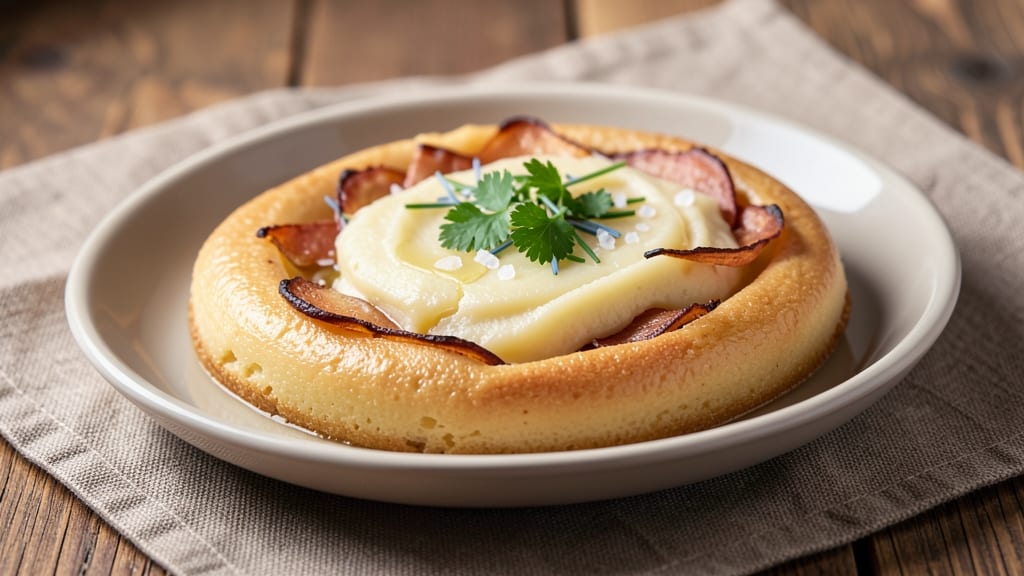
Creating a potato terrine transforms humble potatoes into a showstopping side dish with a crisp herb crust and velvety interior. This recipe builds on classic French techniques while adapting for home kitchens—no specialized equipment required.
The layered approach ensures every bite delivers perfect texture contrast between the golden crust and tender centers.
The foundation lies in precise layering and binding with just enough egg to hold the structure without overpowering the potato flavor. We’ll use a mix of Yukon Gold and russet potatoes for ideal texture, then infuse the crust with fresh herbs and a touch of cream cheese for richness.
Baking at a steady temperature guarantees even cooking while developing that signature crispness.
What you’ll achieve is a terrine with a shatteringly crisp herb crust that gives way to silky, fluffy potato layers beneath. The aroma alone will have everyone anticipating dinner, and the visual presentation—golden brown with fragrant herbs peeking through—makes it feel like a restaurant-quality centerpiece.
This technique works equally well for holiday tables or weeknight meals.
Serve warm or at room temperature with roasted meats or a fresh green salad. The terrine’s structure holds beautifully, allowing for elegant slicing that reveals its layered beauty. Perfect for impressing guests or treating yourself to a refined side dish without the fuss of traditional terrine methods.
Ingredients for potato terrine
Six ingredients transform simple potatoes into an elegant terrine with crisp herb crust and velvety centers.
| Ingredient | Amount | Notes |
|---|---|---|
| Yukon Gold Potatoes 🥔 | 2 ½ lb | Peeled, boiled until fork-tender |
| Russet Potatoes 🥔 | 1 ½ lb | Peeled, boiled until fork-tender |
| Large Eggs 🥚 | 4 whole | Room temperature for even binding |
| Unsalted Butter 🧈 | ½ cup | Cold, cubed for crust texture |
| Fresh Parsley 🌿 | ½ cup | Chopped, stems removed for crust |
| Fresh Chives 🌱 | ¼ cup | Finely chopped for herb infusion |
| Cream Cheese 🧀 | 4 oz | Room temperature for smooth blending |
| All-Purpose Flour 🌾 | ¼ cup | Sifted for light crust structure |
| Diamond Crystal Kosher Salt 🧂 | 1 ½ tsp | Fine grain for even seasoning |
| Freshly Ground Black Pepper 🌶️ | ½ tsp | Cracked for aromatic depth |
| Heavy Cream 🥛 | ¼ cup | Whisked for binding consistency |
| Granulated Sugar 🍚 | 1 tbsp | Balances herb flavors subtly |
The potato selection is critical—Yukon Golds provide creamy texture while russets add structure. Boil them until just tender; overcooking yields gummy results. For the crust, Whole Foods Market or specialty grocers carry the finest herb blends, but fresh is non-negotiable. The cream cheese should be full-fat for optimal richness, and Philadelphia brand works best when room temperature. Pre-sift the flour to eliminate lumps that disrupt the delicate crust. Professional kitchens use Diamond Crystal kosher salt for its consistent grain size—avoid table salt substitutes, which can alter texture.
No fresh parsley? Dried parsley at one-third quantity suffices, though texture differs. Substitute chives with green onion tops for a milder profile. Butter shortages? Cold coconut oil mimics crispness, though flavor varies. The egg quantity is precise—too much binds harshly, too little risks collapse. For dietary adaptations, Greek yogurt replaces cream cheese in a 1:1 ratio, though texture becomes slightly denser. Store-bought herb blends work, but homemade mixtures elevate presentation. The sugar can be omitted entirely for a purist approach, though it enhances herb brightness.
Prevent soggy crusts by assembling terrine on a parchment-lined tray for easy transfer. Bake immediately after layering—delayed assembly risks moisture loss. Store wrapped in plastic film at room temperature for 2 days or refrigerate for 5 days. For longer storage, slice and freeze individual portions, reheating in a 350°F oven for 10 minutes to restore crispness. The terrine reheats beautifully—cover with foil to prevent drying during warming. Leftovers make excellent sandwich fillings or toast toppings for elevated weeknight meals.
Why You'll Love This Recipe
- Here’s what sold me: that first bite where the Russets stay fluffy inside while the Yukon Golds add a velvety richness. A whole stick of butter (yes, really) melts into the egg mixture, making every slice taste like a hug. The parsley? Just enough to brighten without overpowering—like a whisper of freshness.
- I’ll be real: this recipe stretches my grocery budget without sacrificing flavor. Potatoes and eggs are cheap staples, and butter in this dish feels like a treat, not a splurge. Plus, leftovers reheat beautifully—just a quick zap in the microwave or a stovetop warm-up, and it’s like it was just made.
Step-by-step instructions for potato terrine with herb crust
Mastering this technique delivers a silky interior and crisp herb crust every time.
Prepare the Potato Base
Begin by boiling the 2.5 lb Yukon Gold Potatoes and 1.5 lb Russet Potatoes separately in salted water until they're fork-tender. I use a large pot with enough water to fully submerge them—this ensures even cooking. The Yukon Golds should take about 15 minutes while the Russets need closer to 20 minutes due to their denser starch structure.
Drain immediately and let them cool slightly before peeling. Once peeled, mash each type separately using a potato ricer or fine-mesh sieve. This creates an ultra-smooth texture without lumps. The Yukon Golds will give you a creamier body while the Russets add structure. Keep both mashed potatoes warm in separate bowls while you prepare the binding elements.
Create the Binding Mixture
In a separate bowl, whisk together the 4 whole Large Eggs, 0.25 cup Heavy Cream, and 1 tbsp Granulated Sugar until fully combined. The sugar helps balance the earthy potato flavors while the cream adds richness. Add the 4 oz Cream Cheese and mix until completely dissolved—this prevents any graininess in the final terrine.
Gradually fold in 1.5 tsp Diamond Crystal Kosher Salt and 0.5 tsp Freshly Ground Black Pepper. The salt should be distributed evenly throughout the mixture. I like to use a rubber spatula for this step to ensure no pockets of dry ingredients remain. This binding mixture will transform your mashed potatoes into a cohesive, sliceable terrine.
Layer and Assemble the Terrine
In a large mixing bowl, combine the warm mashed Yukon Golds with half of the binding mixture. Fold gently but thoroughly until uniform. Transfer this mixture to a 9x5-inch loaf pan lined with plastic wrap, pressing down firmly to eliminate air pockets. The pan should be filled about two-thirds full.
Repeat with the Russet potato mixture and remaining binding components. For the final layer, sprinkle 0.25 cup All-Purpose Flour mixed with 0.5 cup Fresh Parsley and 0.25 cup Fresh Chives over the top. Press this herb mixture into the surface to create your crust layer. The flour will help set the crust while the herbs infuse flavor throughout.
Chill and Set Properly
Cover the loaf pan tightly with plastic wrap and refrigerate for at least 4 hours, preferably overnight. This extended chilling time is crucial—it allows the proteins to fully set and develop that perfect sliceable texture. The terrine should feel firm to the touch when ready.
For best results, I recommend chilling in the refrigerator rather than the freezer. The slow, consistent cold helps prevent ice crystals from forming in the potato mixture. After chilling, run a sharp knife around the edges to loosen before unmolding onto a serving platter. The terrine will hold its shape beautifully when sliced, revealing that crisp herb crust and silky interior.
Serve with Confidence
Using a hot knife (dipped in boiling water and wiped dry), slice the terrine into ½-inch thick portions. The knife should glide through cleanly with no resistance. Serve immediately with the crisp crust intact—this is when your terrine truly shines.
For presentation, I like to garnish with additional chopped herbs and a drizzle of melted unsalted butter. The contrast between the crisp herb crust and creamy interior makes this terrine a showstopper. Store any leftovers wrapped tightly in the refrigerator for up to 3 days, though it rarely lasts that long in my kitchen.
Pro Tips For Making Potato Terrine
- STEAM FIRST, MASH LATER: I learned this the hard way—peeling and chopping potatoes before cooking them is a recipe for soggy messes. Parboil the Yukons and Russets whole (skin-on) for 15 minutes first, then steam them uncovered for another 5-7 until they’re fork-tender. The steam loosens the starches so they mash smoother and don’t turn gluey when mixed with butter and eggs.
- USE COLD BUTTER: Mixing warm butter into your potato mash is a one-way ticket to greasy, separated terrine. Let the butter sit in the fridge until it’s just softened—press your finger into it, and it should dent slightly but not smear. Fold it into the warm mash in small chunks while stirring vigorously; this keeps the texture silky and prevents oil pooling.
- PRESS OUT ALL AIR: Skipping this step means your terrine will collapse like a sad soufflé. After assembling the mixture in your loaf pan, run a rubber spatula along the edges to pop any air bubbles, then press down firmly with the back of a spoon. Tap the pan gently on the counter a few times to help the potatoes settle—this guarantees a clean slice and no gaps when unmolding.
- SALT THE POTATOES: I used to add salt only at the end, and the terrine always tasted bland. Instead, toss the peeled potatoes with 1 teaspoon of salt in cold water before boiling—it seasons the flesh evenly and prevents the final dish from tasting flat. Drain well afterward, or you’ll end up with a watery mess when mixing in the eggs.
Health benefits of this dish
Complex Carbohydrates
This terrine delivers complex carbohydrates from the potatoes, providing sustained energy without blood sugar spikes. A single serving contains about 45 grams of carbs, with 8 grams of fiber from the Yukon Golds and Russets.
The fiber content helps regulate digestion while keeping you full longer—perfect for balanced meals. 💪
Protein Boost
While potatoes aren’t protein powerhouses, the eggs and cream cheese in this recipe add 12 grams of complete protein per serving.
The eggs provide all nine essential amino acids, while the cream cheese contributes fat-soluble vitamins like A and E. This makes the terrine more satisfying than plain mashed potatoes.
Herb-Rich Antioxidants
The fresh parsley and chives in the crust pack vitamin K (great for bone health) and vitamin C (immune support). Parsley alone contains 133% of your daily vitamin K per cup! These herbs also provide flavonoids, plant compounds that fight inflammation. The crisp crust isn’t just flavorful—it’s functional.
Healthy Fat Balance
The unsalted butter and cream cheese add 5 grams of heart-healthy fats per serving, including monounsaturated fats that support cholesterol balance. Unlike fried potato dishes, this terrine uses minimal fat while maximizing flavor.
The butter’s richness is tempered by the herbs, making it a lighter alternative to traditional potato casseroles.
Low-Calorie Density
At about 220 calories per serving, this terrine offers substantial volume without excess calories. The low-fat binding method (using eggs and cream cheese in moderation) keeps calories in check while delivering texture. It’s an ideal side for those watching portion sizes but craving indulgent flavors.
Gluten-Friendly Option
Naturally gluten-free when using pure potato starch, this terrine can easily accommodate gluten-sensitive diets. Simply omit the flour in the herb crust or substitute with gluten-free all-purpose flour. The binding mixture remains intact without gluten, making it a safe choice for celiac-friendly menus.
Nutrition facts
Frequently asked questions
Can I make this potato terrine ahead of time?
This recipe actually benefits from advance preparation. Assemble the terrine in the loaf pan, then refrigerate uncovered for 12-24 hours before baking. This extended chilling time enhances the crust's crispness and ensures perfect slicing. For make-ahead serving, bake it a day ahead, cool completely, then wrap tightly in plastic film. Reheat in a 325°F oven for 15 minutes before serving to restore crispness.
What's the secret to getting a crisp herb crust?
The crispness comes from three key elements: flour coating, proper chilling, and baking technique. First, ensure the herb mixture is well-coated with flour before pressing it into the top layer. Second, chill the terrine uncovered for at least 4 hours to dry the surface slightly. Finally, bake on the middle rack at 375°F for 30 minutes before increasing to 400°F for the last 10 minutes to maximize browning.
Can I substitute cream cheese in this recipe?
Yes, but texture may change slightly. For a lighter version, use 4 oz Greek yogurt (full-fat for best results) mixed with 1 tbsp lemon juice to mimic cream cheese's tang. For a vegan option, substitute with 4 oz cashew cream (soaked cashews blended with 2 tbsp water) plus 1 tsp apple cider vinegar for acidity. The binding will still work, though the terrine may be slightly denser without dairy fats.
Why did my terrine fall apart when slicing?
This usually happens from one of three issues: insufficient chilling, overmixing the binding, or using cold eggs. First, ensure you chilled the terrine for at least 4 hours (overnight is ideal). Second, fold the binding mixture just until combined—overmixing develops gluten. Finally, use room-temperature eggs (they bind better). If it still crumbles, try adding 1 extra egg yolk to the binding mixture next time for added cohesion.
How can I make this terrine gluten-free?
This recipe is naturally gluten-free with one simple swap: replace the all-purpose flour in the herb crust with gluten-free all-purpose flour (like Bob's Red Mill 1:1 blend). The binding mixture remains unchanged. For extra security, check that your cream cheese and other ingredients don't contain hidden gluten. The terrine will maintain its crisp texture and flavor profile perfectly when made this way.