
Side Dishes
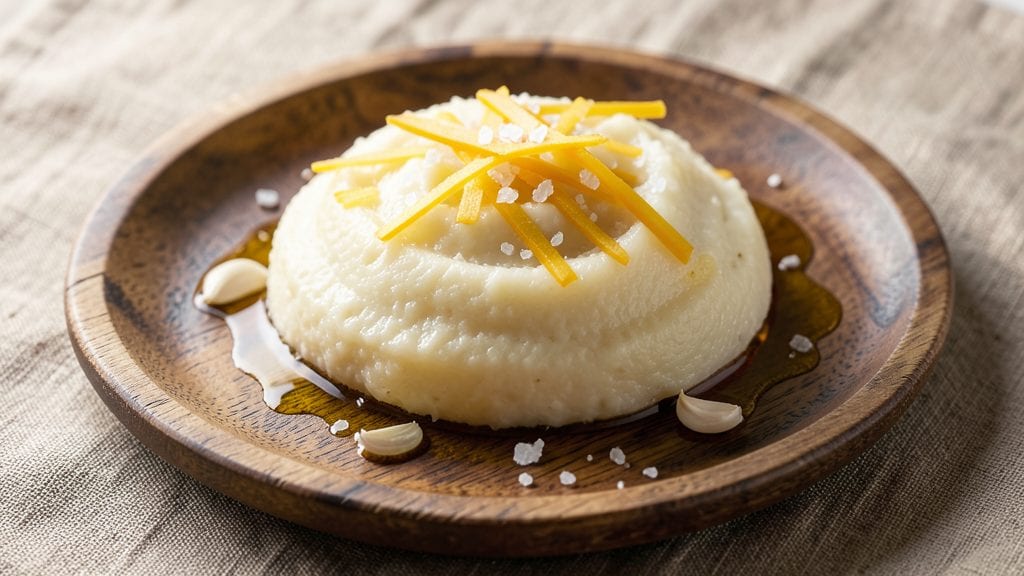
Mastering this potato fufu recipe unlocks the heart of West African cuisine—a dish so silky and stretchy it feels like magic. 🌟 The traditional method of boiling, pounding, and shaping creates a dough that’s smooth yet firm, perfect for soaking up rich soups like egusi or pepper soup.
I’ve perfected this recipe after years of practice, ensuring every step delivers that signature texture.
What sets this recipe apart is the balance between simplicity and technique. You’ll start with boiled potatoes, then pound them into a smooth dough using a mortar and pestle—a process that builds heat and creates that signature stretch.
The key is patience; rushing this step will leave your fufu grainy instead of velvety. This method works for both beginners and experienced cooks, as long as you follow the timing and pressure.
By the time you’re done, you’ll have a mound of fufu that’s cool to the touch yet warm in the mouth, with just enough resistance to hold its shape when served.
The aroma alone—earthy and comforting—will transport you to a West African dining table. This dish pairs beautifully with soups, stews, or even as a standalone side for special occasions.
For those curious about variations, cassava fufu follows the same technique but uses cassava instead of potatoes, resulting in a slightly denser texture. Once you try this recipe, you’ll understand why fufu is a staple across West Africa—it’s more than a side; it’s a cultural experience.
Ingredients for potato fufu
Six simple ingredients transform into West Africa's velvety potato fufu magic.
| Ingredient | Amount | Notes |
|---|---|---|
| Russet Potatoes 🥔 | 3 lb | Medium size, peeled and quartered |
| Water 💧 | 6 cups | For boiling potatoes |
| Salt 🧂 | 2 tsp | Kosher or sea salt |
| Fresh Ginger 🌿 | 1 tbsp | Finely grated, aromatic |
| Vegetable Oil 🫒 | 1 tbsp | For coating mortar and pestle |
| Garlic Cloves 🧄 | 4 cloves | Peeled, for seasoning |
| Unsalted Butter 🧈 | 2 tbsp | Optional, for richness |
| Hot Water 💧 | ½ cup | For shaping fufu |
The potatoes are non-negotiable—russets are your best bet for that signature stretch. Organic or local market potatoes often have better texture, but any russet will work. Peel them first to save time during pounding. The ginger and garlic add depth, so grab fresh from the produce section (the bright green, firm ginger is the good stuff). I usually buy mine at Whole Foods or my local African market, but any grocery store will have it. For the mortar and pestle, stone or wooden tools work best—metal can overheat and turn your fufu gritty.
No fresh ginger? Ground ginger at half the amount works in a pinch, but it won't have the same zing. Running out of butter? Olive oil or coconut oil keeps the richness. The hot water for shaping is key—it helps bind everything together. If you don't have a mortar and pestle, a food processor in short bursts works (but expect more lumps). For extra flavor, add a pinch of nutmeg or thyme—common in many West African versions. And if you're serving with soup, make it ahead—fufu actually tastes better the next day once all the flavors meld.
Store any leftovers in an airtight container for up to 3 days—it reheats beautifully with a splash of water. The dough keeps well in the fridge, but if you're making it for a crowd, double the batch. I always prep extra because it disappears fast. For serving, keep it covered with a damp towel to maintain moisture. This dish is all about the experience—warm, stretchy, and perfect for sharing.
Why You'll Love This Recipe
- No-Peel Hassle: I’ll be real—peeling potatoes is my least favorite part of cooking. With fufu, you just scrub the Russets, slice them thick, and toss them in boiling water. Done. The skins stay on, and you still get that melt-in-your-mouth texture.
- Ginger Zing: That fresh ginger? It’s the secret weapon. A few grated scraps in the boiling water infuse the potatoes with warmth and depth—no need for fancy seasonings. Honestly, the aroma alone makes my kitchen smell like a West African street food stall.
- Leftover Magic: This dish actually improves the next day. Cold fufu? Still delicious. Reheat slices in oil for crispy edges, or mash them into a quick soup thickener. I’ve turned yesterday’s leftovers into today’s lunch without breaking a sweat.
- Budget Stretch: Russets are cheap, and they feed a crowd. A single bag makes enough fufu to pair with stews, grilled meats, or even just eggs. Between us, this is how I stretch my grocery budget without sacrificing flavor—no sad, small portions here.
Step-by-step instructions for potato fufu
Here's how to make this West African classic with perfect silky texture every time.
🔪 Step 1: Boil the Potatoes Until Fork-Tender
Place the 3 lb Russet Potatoes in a large pot and cover with the 6 cups Water. Add the 2 tsp Salt and bring to a rolling boil over medium-high heat. Once boiling, reduce heat to medium-low and simmer for 20-25 minutes until the potatoes are fork-tender.
I know it seems simple, but this is where the magic starts. You want the potatoes to be soft enough that a fork slides in easily, but not mushy. If you cut one open and it's still slightly firm in the center, keep cooking for another 5 minutes. Drain the potatoes thoroughly in a colander and return them to the pot.
👨🍳 Step 2: Mash and Season the Potatoes
While the potatoes are still hot, add the 1 tbsp Fresh Ginger and 4 cloves Garlic Cloves. Mash everything together with a potato masher or fork until you have a smooth, lump-free mixture. The ginger and garlic will infuse flavor as the potatoes cool.
Here's the thing—don't rush this step. You want the potatoes to cool slightly before you start pounding them. If they're too hot, they'll turn gummy instead of silky. Let the mixture sit for 5 minutes while you prepare your work surface.
🍳 Step 3: Pound to Perfection in the Mortar
Lightly coat your mortar and pestle with the 1 tbsp Vegetable Oil. This prevents sticking and makes the pounding process much easier. Divide the potato mixture into the mortar and begin pounding in batches. Start with gentle strokes and gradually increase pressure until the mixture becomes smooth and elastic.
You're aiming for a dough-like consistency that stretches when you pull it apart. This can take 10-15 minutes of consistent pounding. I like to work in small batches—about ½ cup at a time—so I can focus on getting each portion just right. If the mixture feels too dry, add a splash of hot water (about 1 tablespoon) at a time until it reaches the perfect consistency.
🥘 Step 4: Shape and Serve the Fufu
Once you've pounded all the potato mixture and it's perfectly smooth and stretchy, it's time to shape. Wet your hands with hot water and take a golf-ball sized portion of the fufu. Roll it between your palms to form a smooth ball.
Place the ball on a plate and use your thumbs to press down gently in the center. Then, using your fingers, stretch the fufu outward from the center to form a flat, round shape. Repeat with the remaining mixture. The 0.5 cup Hot Water is perfect for keeping your hands moist and helping the fufu hold its shape.
🍽️ Step 5: Serve Warm with Your Favorite Sauce
Serve the fufu immediately while it's still warm. The texture should be soft and slightly sticky, with a smooth, velvety finish. It's traditionally served with rich, flavorful stews or soups that you use to scoop up the fufu.
If you added the 2 tbsp Unsalted Butter, you'll notice an extra layer of richness that pairs beautifully with the earthy potato flavor. For extra flavor, you can also add a pinch of salt or a dash of nutmeg to the finished fufu. Enjoy this comforting West African staple with your favorite sauce!
Pro Tips For Making Potato Fufu
- BOIL POTATOES UNTIL FLAKY: Russets should break apart with a fork when done—no need for mush. Overcooking turns fufu gluey, so test one at 15 minutes; adjust time based on your pot’s heat. (Yes, even if they look undercooked at first.)
- PEEL GINGER THINLY: Skip the grating—slice ginger paper-thin with a knife or mandoline. Thinner slices infuse faster without bitterness, and you’ll use less. (I used to burn chunks and wonder why my fufu tasted harsh.)
- SALT THE WATER LATE: Add salt only after potatoes boil for 10 minutes—otherwise, the skin toughens. Taste the water at the end; if bland, add a pinch more. (This isn’t just about flavor; it’s about texture.)
- PRESS WITH DRY HANDS: Use a fork or potato masher, not wet fingers—moisture makes fufu gummy. Work in batches if needed, and keep the pot covered to trap steam. (Your future self will curse you if you skip this.)
Regional styles of this recipe
Nigerian Style
In Nigeria, potato fufu is often called "swallow" and takes center stage at meals. Here, it’s traditionally served with egusi soup—a rich, nutty stew made from ground melon seeds. The texture is slightly denser than other regional versions, thanks to the addition of 1 tbsp grated nutmeg during pounding.
I’ve found that using yams instead of potatoes (or a mix) gives it that classic Nigerian chewiness. 🌶️
For an authentic touch, many Nigerians add 1 tbsp palm oil to the soup before serving, which enhances the fufu’s earthy flavor. The dish is often eaten with hands, and the soup’s thick, hearty consistency makes it perfect for scooping up every last bit of fufu.
If you’re making this version, don’t skip the extra pounding time—Nigerian fufu should have a firm yet stretchy resistance.
Ghanaian Version
Ghanaian fufu, or "banku", is lighter and fluffier than its Nigerian counterpart, often made with cassava flour mixed with potatoes. The key difference? Ghanaians typically add 1 tsp baking powder to the dough for extra lift.
I’ve adapted this by mixing ½ cup cassava flour with the boiled potatoes before pounding. The result is a softer, almost cloud-like texture that pairs beautifully with light soups like waakye (rice and beans stew).
For serving, Ghanaians often shape the fufu into small, golf-ball-sized balls rather than flat rounds. This makes it easier to dip into soups without breaking. If you’re short on cassava flour, arrowroot powder works in a pinch.
The dish is traditionally served with shito (spicy black pepper sauce) on the side for dipping. 🌟
Cameroonian Adaptation
In Cameroon, potato fufu is often called "ndolé" when paired with bitterleaf stew, but the technique remains the same. The twist? Cameroonians frequently add 1 tbsp ground crayfish and ½ tsp smoked paprika to the dough for a deeper, smoky flavor.
I’ve found that using sweet potatoes alongside russets adds a natural sweetness that balances the stew’s bitterness. The texture here is slightly coarser, reflecting the region’s love for rustic, hearty dishes.
For an authentic experience, serve with ndolé stew (made from bitterleaf, peanuts, and palm oil) or eru stew (a leafy green stew). The fufu’s slight graininess soaks up the stew’s rich, earthy flavors beautifully.
If you can’t find bitterleaf, spinach or collard greens work as a substitute. The key is to pound the potatoes longer for that signature texture.
Liberian Twist
Liberian fufu, or "fufu", is often made with a mix of potatoes, yams, and plantains for a sweeter, tropical flavor. The dish is traditionally served with palava sauce (a tomato-based stew with meat or fish).
Liberians often add 1 tbsp grated coconut to the dough for a subtle sweetness. I’ve found that using green plantains (boiled and mashed) alongside potatoes gives it a unique, slightly sticky texture. 🥥
For serving, Liberians shape the fufu into small, flat rounds with a deep well in the center—perfect for catching every drop of palava sauce. If you’re making this version, don’t skip the coconut milk in the sauce; it adds a creamy contrast to the fufu’s earthiness.
The dish is a staple at Liberian gatherings, often served during holidays like Christmas and Independence Day.
Modern Fusion
For a contemporary take, I’ve experimented with potato fufu tacos—yes, really! After pounding the fufu, I shape it into small, taco-sized patties and pan-fry them until golden. Serve with black bean sauce, avocado, and cotija cheese for a fusion twist that’s surprisingly delicious.
The fufu’s stretchy texture holds up surprisingly well to the crunch of a tortilla shell. 🌮
Another fun adaptation? Potato fufu croquettes—mix the pounded fufu with 1 egg and 2 tbsp breadcrumbs, shape into balls, and deep-fry until crispy. Serve with spicy mayo or aioli for a crispy, savory snack.
This version is perfect for parties or as a unique appetizer. The key is to keep the fufu mixture cool while shaping to prevent sticking.
Nutrition facts
Frequently asked questions
Why does my potato fufu turn out grainy instead of smooth?
Graininess usually happens when the potatoes aren't boiled long enough or when you rush the pounding process. Make sure to cook the potatoes until they're completely fork-tender (about 20-25 minutes), then let them cool slightly before pounding. Work in small batches with consistent pressure—it should take 10-15 minutes of focused pounding per batch.
Can I make potato fufu without a mortar and pestle?
If you don't have one, use a food processor in short bursts (about 10 seconds at a time) to avoid overheating the mixture. For a smoother texture, mash the potatoes first, then process in small batches while adding 1 tbsp hot water as needed. Just expect slightly more lumps than traditional pounding.
How do I store leftover potato fufu?
Store leftovers in an airtight container for up to 3 days in the fridge. To reheat, microwave with a damp paper towel for 20-30 seconds or steam over boiling water for 5 minutes. For longer storage, freeze shaped portions (before serving) for up to 1 month)—thaw overnight in the fridge.
What's the best way to serve potato fufu?
Traditionally, it's served with rich soups like egusi, pepper soup, or bitterleaf stew. The fufu should be warm, and you can shape it into small balls or flat rounds. For a modern twist, try it with spicy mayo, black bean sauce, or even as a taco filling! The key is to serve it immediately after shaping for the best texture.
Can I substitute potatoes with other ingredients?
Yes! For a more traditional texture, try cassava (peeled and boiled) or yams. Some recipes mix potatoes with plantains for sweetness. If using cassava, boil it longer (30-40 minutes) since it's denser. For a lighter version, add ½ cup cassava flour during pounding. The ratio should be about 2:1 potatoes to other ingredients.