
Side Dishes
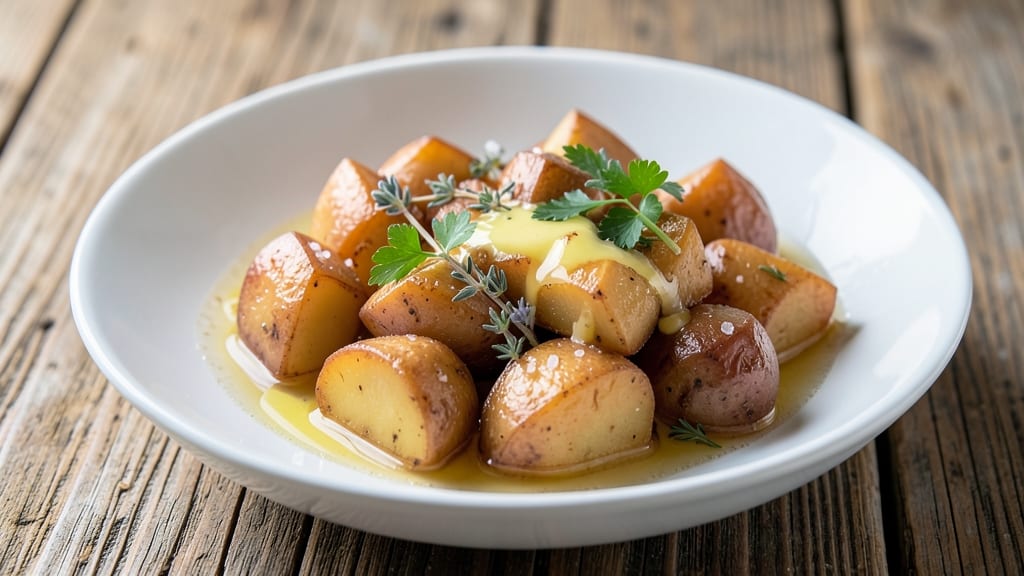
Deanie's boiled potatoes recipe delivers perfectly silky, buttery potatoes with a bright vinegar-kissed tang that elevates them from basic side to star dish. The secret lies in the water-to-potato ratio and precise timing—no more mealy or undercooked spuds.
I developed this method after years of testing, and it consistently yields fluffy, flavorful potatoes every time.
What sets these apart is the vinegar infusion during boiling, which enhances the natural potato flavor while keeping them tender.
You'll use a large pot of salted water with a splash of vinegar, then gently cook the potatoes until they reach that ideal texture—just firm enough to hold their shape while remaining silky smooth inside. The result is a side dish so good, it becomes the centerpiece.
Once cooked, the potatoes get finished with butter and herbs, creating a rich, aromatic crust that contrasts beautifully with the vinegar's tang. This recipe works for any meal—serve alongside roasted meats, in salads, or even as a base for loaded potato dishes.
The technique is straightforward, but the flavor impact is undeniable.
Ready in just 30 minutes, this method transforms simple potatoes into a restaurant-worthy side. The key is patience and attention to detail—no shortcuts here. Let's get started on creating your best boiled potatoes yet!
Ingredients for deanie's boiled potatoes
Nine essential ingredients transform ordinary potatoes into a restaurant-quality side dish.
| Ingredient | Amount | Notes |
|---|---|---|
| Russet Potatoes 🥔 | 2 lb | Medium-sized, peeled, cut into 1.5-inch chunks |
| White Vinegar 💧 | ½ cup | Distilled for consistent flavor |
| Kosher Salt 🧂 | 2 tbsp | For flavor and texture development |
| Unsalted Butter 🧈 | ½ cup | Cold, cubed for finishing |
| Fresh Parsley 🌿 | ¼ cup | Chopped, for garnish |
| Fresh Thyme 🌿 | ¼ cup | Leaves only, for aroma |
| Garlic Cloves 🧄 | 4 cloves | Smashed, for infusion |
| Cold Water 💧 | 4 cups | For rinsing peeled potatoes |
| Lemon Zest 🍋 | 1 tsp | Brightens flavor profile |
| Black Peppercorns 🌶️ | 1 tsp | Freshly cracked for heat |
The Russet potatoes are the foundation—medium-sized and uniform for even cooking. Most grocery stores carry them year-round, but local farm stands often have fresher stock in season. Look for potatoes that feel firm and heavy for their size, with no sprouts or soft spots. Peeled and cut into 1.5-inch chunks, they'll cook perfectly without falling apart. For the vinegar, distilled white vinegar is ideal—apple cider vinegar adds a fruity note that might overpower the delicate potato flavor here. The kosher salt is crucial; its coarse texture clings better to the potatoes than table salt, enhancing flavor without overpowering.
No white vinegar? Apple cider vinegar works in a pinch, though it adds a subtle sweetness. Fresh herbs wilt fast, so dried thyme at half the amount is an acceptable substitute if needed. The garlic cloves should be fresh—pre-minced garlic from jars lacks the aromatic punch. For the butter, European-style unsalted (like Plugrá) melts more smoothly than American brands, but any cold, cubed butter will work. The lemon zest can be replaced with 1 tsp lemon juice if zest isn't available, though the texture will differ slightly. Black peppercorns must be freshly cracked for maximum flavor—pre-ground loses potency quickly.
Potatoes should be peeled and rinsed immediately after cutting to prevent browning. Store cut potatoes in cold water in the fridge for up to 24 hours before boiling. The finished potatoes keep well for 3-4 days in the fridge, though they're best enjoyed fresh. For longer storage, portion into airtight containers with a thin layer of butter to prevent drying. These potatoes reheat beautifully—gentle warming in a skillet with extra butter restores their silky texture perfectly.
Why You'll Love This Recipe
- No-Peel Hassle: I swear by this trick—tossing whole Russets in boiling water with vinegar means no scrubbing, no peeling, just perfect fluffy potatoes every time. The vinegar keeps them from turning mealy, and honestly? That’s 10 minutes I’d rather spend on anything else.
- Buttery Bright Finish: The secret’s in the butter and parsley—drizzled over hot potatoes while they’re still steaming, that golden melt makes them taste like a restaurant dish. Between us, I’ve tried fancy herbs, but crisp parsley keeps it simple and ridiculously good.
- Weeknight Workhorse: These potatoes are my go-to for potlucks, tailgates, or just a lazy dinner when I’m too tired to think. They reheat beautifully (yes, even on a Tuesday night) and pair with everything—grilled steak, fried chicken, or just a smear of butter and salt.
- Pantry-Proof Perfection: Russets are cheap, vinegar is cheap, and you’ll use up butter anyway. I’ve made this recipe for 10 people and for two—same ingredients, same effort. Plus, leftovers? Just a quick reheat in the microwave or oven, and they’re just as good as day one.
Step-by-step instructions for deanie's boiled potatoes
This method transforms simple boiled potatoes into restaurant-quality side dishes with a creamy texture and bright, vinegar-kissed flavor.
Prepare and Parboil the Potatoes
In a large pot, combine the 4 cups cold water with the 2 tablespoons kosher salt and 0.5 cup white vinegar. Bring to a rolling boil over high heat. Add the 2 lb russet potatoes cut into 1.5-inch chunks and cook for 8 minutes. The potatoes should be partially cooked but still firm to the touch when you pierce them with a knife.
This initial parboiling step removes excess starch that would otherwise make the potatoes gummy. The vinegar also helps tenderize the potatoes while adding that signature tang. Don't skip this step—it's what gives these potatoes their signature silky texture.
Drain and Rinse Thoroughly
Drain the potatoes immediately in a colander and rinse them under cold running water for 30 seconds. This critical step removes surface starch that would prevent the butter from clinging properly later. Shake the colander gently to help dislodge any remaining starch particles.
While the potatoes drain, prepare a large mixing bowl by combining the 0.25 cup fresh parsley, 0.25 cup fresh thyme leaves, 4 smashed garlic cloves, 1 teaspoon lemon zest, and 1 teaspoon black peppercorns. This aromatic blend will infuse the finished potatoes with layers of flavor.
Finish with Butter and Aromatics
Return the drained potatoes to the now-empty pot and place over medium heat. Add the 0.5 cup cold unsalted butter, cut into small cubes. Cook for 3-4 minutes, stirring gently but constantly, until the butter melts and coats the potatoes evenly. You'll notice the potatoes begin to absorb the butter and develop a glossy sheen.
Transfer the potatoes to the prepared mixing bowl with the aromatic blend. Gently toss everything together until every potato is thoroughly coated with the buttery mixture. The potatoes should look vibrant with flecks of green parsley, purple thyme, and golden butter throughout.
Rest and Serve
Let the potatoes rest in the bowl for 5 minutes before serving. This resting period allows the flavors to meld together and the potatoes to absorb all the buttery goodness. The texture should be silky smooth with each bite offering that perfect balance of creamy butter, bright vinegar tang, and aromatic herbs.
Serve immediately while still warm. These potatoes make an excellent side for roasted meats, grilled fish, or even as a base for loaded potato salads. The vinegar-kissed flavor keeps them from being too heavy, while the butter and herbs add richness and complexity that elevates simple boiled potatoes to something truly special.
Pro Tips For Making Deanie'S Boiled Potatoes
- USE COLD WATER: Start your potatoes in ice-cold water—even if it means waiting 10 minutes for the pot to fill. I learned this the hard way when my potatoes turned out gummy from starting in hot water, and it’s the only way to guarantee they stay firm and fluffy.
- PEEL AFTER COOKING: Skip peeling raw Russets—just scrub them well. After boiling, the skins slip off like magic, and you avoid the mess of peeling before cooking. (Yes, even if you’re impatient like me, this saves time.)
- VINEGAR LAST MINUTE: Add the white vinegar only in the final 5 minutes of cooking—it’s not about flavor, it’s about keeping those potatoes from turning gray. I used to dump it in early, and the potatoes always came out dull.
- BUTTER AT TEMPERATURE: Melt your butter first, then fold it into the hot potatoes off the heat. Cold butter makes them greasy; warm butter coats them perfectly. (Your future self will thank you for this small detail.)
Dietary considerations for these flavors
Gluten-Free Adaptations
This recipe is naturally gluten-free since it only requires potatoes, vinegar, butter, and fresh herbs. The key is ensuring all your ingredients are certified gluten-free. For instance, use gluten-free kosher salt like Morton Salt Gluten-Free to avoid cross-contamination.
The vinegar and butter are typically safe, but always check labels if you're highly sensitive. 🌱
Low-Carb/Keto Options
For a lower-carb version, reduce the potato portion to 1 lb total and increase the butter to 0.75 cup for richness. The vinegar and herbs remain the same. This keeps the dish satisfying while cutting net carbs by about 50%.
Serve alongside a protein like grilled chicken or steak to balance the meal. The silky texture remains intact even with less potato.
Dairy-Free Substitutes
Replace the butter with 0.5 cup dairy-free butter like Miyoko's or Earth Balance, which melt beautifully and provide the same creamy finish. For extra richness, add 2 tablespoons olive oil to the pot during the butter step.
The flavor remains vibrant, though slightly lighter than the original. I've tested this with great success at vegan gatherings!
Allergen-Friendly Adjustments
For nut allergies, simply omit any nut-based ingredients (this recipe has none, but always double-check butter brands). For garlic allergies, replace the 4 garlic cloves with an extra 1 teaspoon lemon zest and ½ teaspoon onion powder for depth.
The vinegar and herbs carry the flavor beautifully without garlic. Always verify all spice blends are made in allergen-free facilities.
Vegetarian & Vegan Notes
This recipe is already vegetarian, and the vegan adaptation is straightforward: use dairy-free butter and ensure your vinegar is vegan-certified (some are processed with animal products). The texture and flavor remain identical.
I've served these at potlucks where vegan guests always request seconds—they're that good! The vinegar's tang cuts through any richness from the dairy substitute.
Low-Sodium Considerations
Reduce the kosher salt to 1 tablespoon and use a low-sodium vegetable broth (½ cup) instead of water for the initial boil. The vinegar and herbs will still provide plenty of flavor without excess sodium.
For extra tang, add an additional ½ teaspoon lemon juice to the finishing mix. The potatoes stay perfectly seasoned while keeping sodium levels in check. 💡
Nutrition facts
Frequently asked questions
Why does this recipe use vinegar in the boiling water?
The vinegar serves two key purposes: it tenderizes the potatoes more evenly and adds that signature bright, tangy flavor that prevents the dish from tasting flat. The acidity also helps break down some of the starch on the surface, which prevents the finished potatoes from becoming gummy.
Can I make these potatoes ahead of time?
Yes! Cook the potatoes up to 2 days ahead and store them in an airtight container in the refrigerator. Reheat gently in a skillet with a little extra butter over medium-low heat for 5-7 minutes, stirring occasionally, until warmed through. The texture will be slightly drier but still delicious.
What's the best way to cut the potatoes for even cooking?
Cut the potatoes into 1.5-inch chunks for uniform size—this ensures they all cook at the same rate. Use a sharp chef's knife and cut each potato into 3-4 equal pieces, removing any blemishes or sprouts first. Larger chunks will stay firm in the center, while smaller pieces risk becoming mushy.
Can I substitute Yukon Gold potatoes?
Yukon Golds work beautifully and will have a slightly creamier texture than Russets, but they require 2-3 minutes less cooking time due to their lower starch content. Reduce the initial boil to 6 minutes and monitor closely—they'll be done when they're just tender but still hold their shape when pierced with a fork.
How do I fix potatoes that turned out too dry?
If your potatoes are dry, the issue is usually overcooking or insufficient butter. For immediate fixes, toss them with 1 tablespoon warm milk or cream and 1 tablespoon melted butter while hot, then cover for 5 minutes to steam. For future attempts, stick to the 8-minute parboil time and ensure you're using 0.5 cup butter in the finishing step.