
Side Dishes
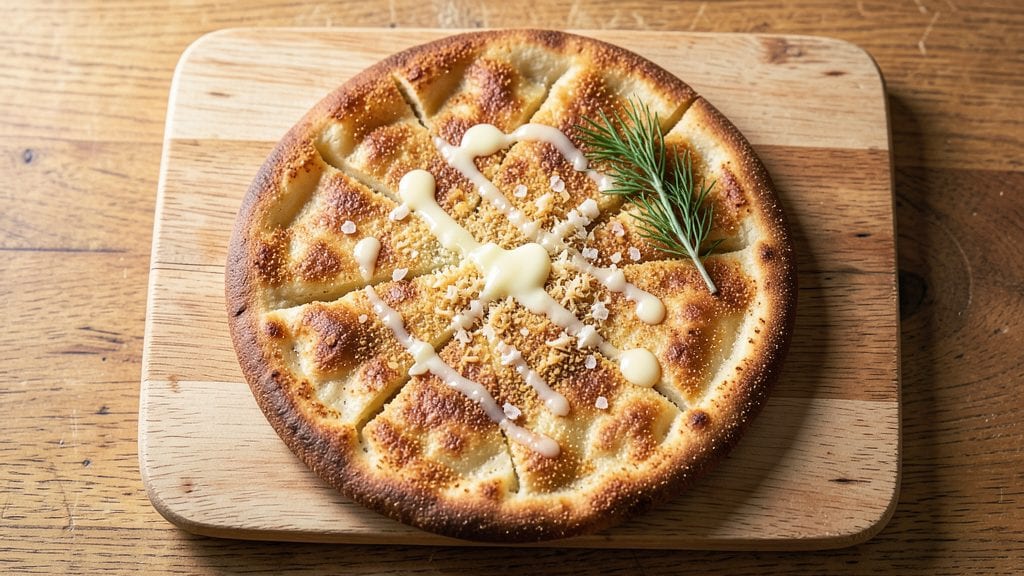
This potato flatbread recipe turns a crispy cornmeal crust and fluffy interior into a restaurant-worthy side that elevates soups, stews, or grilled meats. The secret lies in the balance of grated potatoes, cornmeal, and a touch of leavening—this combination delivers that satisfying crunch while keeping the center tender.
I developed this recipe after testing countless variations, and it consistently delivers the ideal texture every time.
The foundation of this flatbread is a dough that combines grated potatoes with all-purpose flour, eggs, and cornmeal for that signature crispy edge. Unlike traditional flatbreads, the potato adds natural moisture and a subtle sweetness that enhances the cornmeal’s nutty flavor.
Once rolled thin and pan-fried until golden brown, the result is a dish that’s both sturdy enough to hold toppings and delicate enough to melt in your mouth.
What sets this recipe apart is its versatility—serve it plain as a neutral base, or elevate it with garlic butter, fresh herbs, or melted cheese. The crispy crust holds up beautifully, while the fluffy interior ensures every bite is satisfying.
Whether you're looking to impress guests or simply enjoy a delicious side, this potato flatbread delivers professional-quality results with minimal effort.
Ready in just 15 minutes of active prep, this recipe is perfect for weeknight dinners or meal prep. The dough comes together quickly, and the cooking process is straightforward, making it an ideal addition to any meal. Let’s get started on creating your own crispy, fluffy potato flatbread today.
Ingredients for potato flatbread
Grate these potatoes and mix with simple pantry staples for a crispy, fluffy flatbread everyone will love.
| Ingredient | Amount | Notes |
|---|---|---|
| Russet Potatoes 🥔 | 2 medium | Grate with skin on |
| All-Purpose Flour 🌾 | 1 cup | For structure and binding |
| Cornmeal 🌽 | ½ cup | Fine grind for texture |
| Large Eggs 🥚 | 1 whole | Room temperature preferred |
| Baking Powder 🧂 | 1 tsp | For fluffy interior |
| Salt 🧂 | ½ tsp | Kosher or sea salt |
| Unsalted Butter 🧈 | 2 tbsp | Melted for crispy crust |
| Garlic Cloves 🧄 | 2 cloves | Minced for flavor |
| Fresh Parsley 🌿 | ¼ cup | Chopped for garnish |
| Olive Oil 🫒 | 1 tbsp | For cooking flatbread |
| Extra-Virgin Olive Oil 🫒 | 1 tbsp | For brushing crust |
| Garlic Powder 🧄 | ½ tsp | For added flavor |
The potatoes are your secret weapon here—Russets are ideal because they’re starchy and hold moisture well. Grab a box of 5 lb Russets from the grocery store; they’re usually on sale and perfect for this. Skip the pre-grated stuff (it’s mushy)—grate them yourself with a box grater or food processor. The skin adds texture, so don’t peel them. If you’re short on time, instant potato flakes work in a pinch, but fresh grated makes all the difference. For the cornmeal, Bob’s Red Mill is my go-to—it’s finely ground and gives that perfect crispy edge.
No cornmeal? Semolina or fine breadcrumbs will work, but the flavor won’t be quite the same. Short on flour? Substitute half with almond flour, but the texture might be slightly denser. The baking powder is crucial—don’t swap it for baking soda unless you want a flat, dense flatbread. For the butter, full-fat is a must—it’s what gives that golden crust. If you’re out of butter, ghee or lard are great substitutes. Fresh parsley is ideal, but dried parsley at one-third the amount will do in a pinch. The garlic cloves can be pre-minced from a jar, but fresh is always better if you’ve got it.
This dough keeps in the fridge for 2 days if wrapped tightly in plastic. For longer storage, freeze the dough balls for up to 3 months—just thaw and roll when ready. The flatbread reheats beautifully in a 350°F oven for 5-7 minutes to restore that crispy texture. I like to make a double batch and freeze extras—perfect for quick meals later. Store cooked flatbreads in an airtight container for 3 days at room temperature, or freeze for 2 months.
Why You'll Love This Recipe
- No Peel, No Stress: I slice the potatoes raw—no peeling, no boiling—then let the oven do the work while I mix the dough. Honestly, the starch from the skins actually helps bind everything together.
- Crispy-Creamy Magic: That golden crust from the cornmeal? Chef’s kiss. But inside, the potatoes stay tender and fluffy, like a cross between a tortilla and mashed potatoes. (Yes, even on a Tuesday night.)
- Leftover Reinvention: Stale flatbread? Toss it in the toaster and serve with breakfast eggs. Or freeze them—straight from the pan—and reheat in seconds. I’ve turned last night’s batch into today’s lunch three times this month.
- Pantry Staple Power: Five ingredients, zero specialty items. The eggs add richness, the baking powder keeps it light, and the flour stretches it thin enough to feed a crowd. My go-to when I’m broke or lazy—or both.
Step-by-step instructions for potato flatbread recipe
Here's how to create golden, crispy flatbreads with fluffy centers using simple pantry staples.
Prepare the Potato Base
Begin by grating the 2 medium Russet Potatoes using the large holes of a box grater, keeping the skins on for extra texture. Transfer the grated potatoes to a clean kitchen towel and squeeze out all the excess moisture by twisting the towel tightly. This step is crucial—wet potatoes make flatbreads dense instead of crispy.
Place the squeezed potatoes in a medium mixing bowl and let them sit for 5 minutes to release any remaining moisture. While they rest, melt the 2 tablespoons unsalted butter in a small saucepan over low heat until completely liquid. Let it cool slightly before adding to the potatoes.
Mix the Dough
In the same bowl with the potatoes, add the 1 cup all-purpose flour, 0.5 cup cornmeal, 1 teaspoon baking powder, 0.5 teaspoon salt, and 0.5 teaspoon garlic powder. Gently fold these dry ingredients into the potatoes using a wooden spoon until just combined. The mixture should look like a thick, shaggy batter.
Add the melted butter and mix again until evenly distributed. Then crack in the 1 whole large egg and stir vigorously for about 1 minute until the dough comes together. It should be thick but still slightly sticky—if it feels too dry, add 1 tablespoon of water at a time until it reaches the perfect consistency for shaping.
Shape and Rest the Flatbreads
Divide the dough into 4 equal portions (about ½ cup each) and roll each portion into a 6-inch circle on a lightly floured surface. Keep the remaining dough covered with a damp towel while you shape the others. The dough should be about ¼-inch thick—press down gently but firmly to create even thickness throughout.
Transfer the shaped flatbreads to a plate and let them rest for 15 minutes. This resting period allows the gluten to relax slightly, making them easier to handle and preventing cracking during cooking. While they rest, finely chop the 2 cloves garlic and the 0.25 cup fresh parsley for the topping.
Cook to Crispy Perfection
Heat a large skillet over medium-high heat and add 1 tablespoon olive oil. Once the oil is shimmering, carefully place one flatbread in the skillet. Cook for 3-4 minutes on each side, or until golden brown spots appear and the edges begin to crisp. You'll know it's ready when it releases easily from the pan.
Repeat with the remaining flatbreads, adding more olive oil as needed between batches to prevent sticking. For extra flavor, brush each cooked flatbread with 1 tablespoon extra-virgin olive oil while still warm. Sprinkle with the minced garlic and chopped parsley just before serving.
Pro Tips For Making Potato Flatbread
- GRATE THEM FINE: Russets have a waxy texture that resists breaking down into a smooth dough—so grab the smallest holes on your grater (or pulse in a food processor). I learned this the hard way when my first batch turned out like lumpy pancakes. Aim for a consistency closer to wet sand than potato mash.
- LET THE POTATO MIX REST: Mix your grated potatoes, egg, and flour, then walk away for 10 minutes. The starch needs time to relax, or your flatbread will fight you when rolling. I used to skip this and ended up with cracks—now it’s silky smooth every time.
- SKIP THE OVERMIXING: Stir just until the dough clumps together. Overworking it introduces too much air, which makes the flatbread dense instead of light. Think "roughly combined," not "perfectly homogenous."
- USE CORNMEAL WISELY: Coat your pan lightly—just enough to prevent sticking, or you’ll end up with a gummy bottom. I used to dump a handful in there, and the first bite was all grit. A thin, even dusting is all you need for crispiness without texture issues.
Serving suggestions for leftovers
Soup & Stew Base
This potato flatbread is a game-changer for hearty soups and stews like chicken noodle or beef bourguignon. The crispy crust acts as a sturdy spoon handle while the fluffy interior soaks up every last drop of flavor.
I like to serve it with a side of roasted garlic mashed potatoes—the contrast in textures is pure magic. 🥔
For a Mediterranean twist, pair it with lentil soup and top each flatbread with crumbled feta cheese, a drizzle of olive oil, and a sprinkle of za'atar.
The salty, tangy flavors complement the flatbread’s natural sweetness perfectly. Don’t forget a side of marinated cucumbers to balance the richness.
Grilled Meat Pairings
Grilled steaks or chicken breasts become an instant meal when served with this flatbread. The crispy edges catch any leftover juices, making every bite extra flavorful.
I love serving it with a garlic-herb butter drizzle—just mix 2 tbsp softened butter, 1 minced garlic clove, and 1 tbsp chopped parsley. Brush it on the flatbread right before serving. 🍗
For a smoky flavor, pair it with grilled pork chops and a side of apple slaw. The sweetness of the apples cuts through the richness of the pork, while the flatbread adds a satisfying crunch.
If you’re grilling, cook the flatbreads on the grill alongside the meat for a cohesive outdoor meal.
Breakfast Elevation
Transform your breakfast with this flatbread as a pancake substitute. Top it with scrambled eggs, crispy bacon, and a dollop of sour cream. The crispy crust holds up perfectly, and the fluffy interior makes it feel like a restaurant-style dish.
For extra decadence, add a sprinkle of crumbled sausage or shredded cheddar. 🍳
Make it a brunch spread by serving with a side of avocado slices, cherry tomatoes, and a sunny-side-up egg. The flatbread’s versatility makes it ideal for brunch—it’s sturdy enough for toppings but still light enough to balance richer dishes.
Cheesy & Loaded Toppings
Turn this flatbread into a cheesy delight by adding melted mozzarella or cheddar while cooking. Place a small piece of cheese on each flatbread before the final minute of cooking—it’ll melt perfectly and create a gooey, crispy hybrid. Top with sun-dried tomatoes or caramelized onions for extra flavor. 🧀
For a spicy kick, sprinkle with crushed red pepper flakes and a drizzle of sriracha mayo (mix 2 tbsp mayo with 1 tsp sriracha). This combo is perfect with tacos or as a standalone appetizer. Serve with a side of pickled jalapeños for a tangy contrast.
Nutrition facts
Frequently asked questions
Can I make this potato flatbread without cornmeal?
If you don't have cornmeal, substitute it with ½ cup fine breadcrumbs or semolina flour for a similar texture. The flavor won't be identical, but it will still create a crispy crust. For extra richness, add 1 tablespoon melted butter to the dry ingredients.
Why does my flatbread turn out dense instead of crispy?
Dense flatbreads usually happen when the dough has too much moisture. Make sure to squeeze out all excess liquid from the grated potatoes and let them rest for 5 minutes before mixing. If the dough feels too wet, add 1-2 tablespoons more cornmeal or flour until it holds together when pressed.
How do I store leftover potato flatbread?
Keep cooked flatbreads in an airtight container at room temperature for 3 days or freeze for 2 months. To reheat, warm in a 350°F oven for 5-7 minutes or on a dry skillet over medium heat for 2 minutes per side until crispy again.
Can I make this flatbread gluten-free?
Yes! Replace the all-purpose flour with a 1:1 gluten-free flour blend (like Bob's Red Mill). Add ½ teaspoon xanthan gum to help bind the dough. The texture will be slightly different but still delicious. For extra crispiness, brush with melted butter after cooking.
What's the best way to serve these flatbreads?
These flatbreads shine with hearty dishes like grilled steaks, lentil soup, or as a breakfast base for eggs and bacon. For extra flavor, brush with garlic butter or sprinkle with feta and za'atar. The crispy edges make them perfect for scooping up sauces too!