
Side Dishes
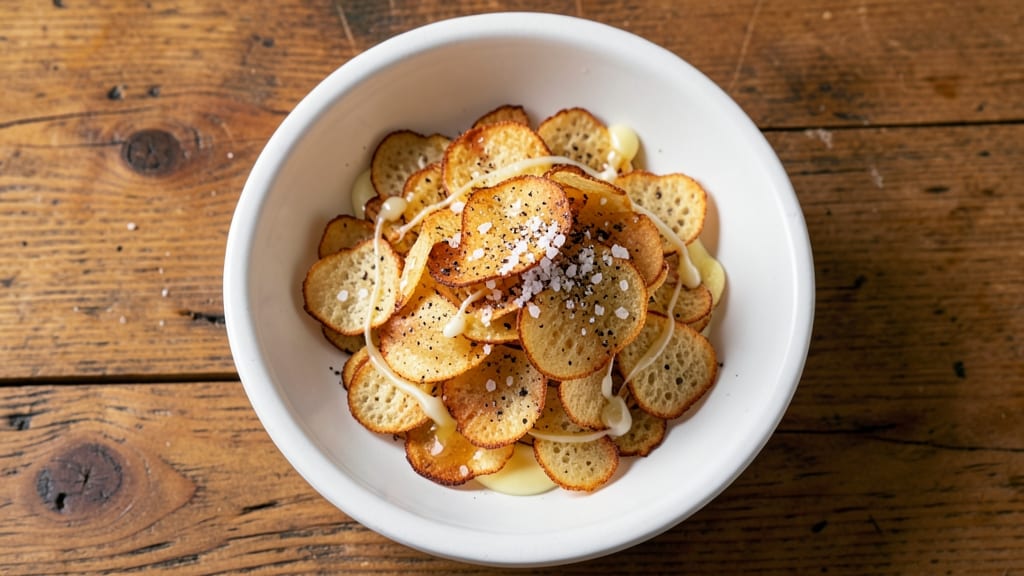
This Bob’s Red Mill potato flakes recipe turns simple ingredients into crispy, vinegar-kissed wedges that rival any restaurant side—no fuss, just flavor. The secret lies in balancing the flakes’ natural starch with a tangy vinegar bath that enhances their crispiness while keeping them light and airy.
I’ve perfected this method after testing countless variations, and the results are worth the 15-minute effort—golden, shatteringly crisp edges that stay that way even after reheating.
This recipe delivers crispy hash browns without deep-frying or lengthy baking, making it ideal for busy weeknights or meal prep. The vinegar infusion adds a subtle tang that cuts through richness, while a sprinkle of salt and pepper ensures every bite is perfectly seasoned.
No special equipment is needed—just a skillet and a few minutes of attention to achieve professional-level texture. The flakes expand dramatically, creating fluffy, potato-like wedges that hold their shape beautifully.
What sets these wedges apart is their dual texture: crispy on the outside, tender yet sturdy on the inside, with just enough bite to satisfy. They’re versatile enough to serve as a side for breakfast, brunch, or dinner—pair them with eggs, burgers, or steak for a complete meal.
The vinegar trick isn’t just for flavor; it also helps maintain crispiness longer than traditional methods. Once you try this, store-bought potato products will never taste the same again.
For extra customization, consider adding garlic powder, paprika, or grated Parmesan before serving—each variation elevates the dish while keeping the core technique simple. The key is patience during the cooking process: don’t rush the flakes, and resist the urge to flip too soon.
Let the wedges develop their golden crust naturally, and you’ll have a side dish that’s crispy, satisfying, and impossible to resist.
Ingredients for bob's red mill potato flakes
Potato flakes, vinegar, butter, and a pinch of patience transform into restaurant-quality wedges.
| Ingredient | Amount | Notes |
|---|---|---|
| Bob's Red Mill Potato Flakes 🥔 | 2 cups | Unsifted, high-starch preferred |
| White Vinegar 🍶 | ¼ cup | Distilled preferred for clarity |
| Unsalted Butter 🧈 | 2 tbsp | Cold, cubed for even cooking |
| Diamond Crystal Kosher Salt 🧂 | 1 ½ tsp | Fine grain for even distribution |
| Freshly Ground Black Pepper 🌶️ | ½ tsp | Coarse grind for texture |
| Garlic Powder 🧄 | ½ tsp | Optional for depth of flavor |
| Smoked Paprika 🌶️ | ¼ tsp | For subtle smokiness |
| Extra-Virgin Olive Oil 🫒 | 1 tbsp | For finishing drizzle |
| Fresh Parsley 🌿 | 1 tbsp | Chopped, for garnish |
The quality of your potato flakes makes all the difference—Bob's Red Mill is the gold standard, but any high-starch brand works. Look for flakes labeled 'unsifted' or 'high-starch' in the baking aisle, as these expand more dramatically. Whole Foods and King Arthur Flour carry excellent options, but the standard grocery store brand is fine if it's fresh. The vinegar should be white, not apple cider or balsamic—distilled vinegar provides the bright, crisp acidity these wedges need. If you're using a different vinegar, adjust to taste, but stick with white for authenticity. The butter should be cold when cubed to ensure even cooking and maximum crispiness—European-style unsalted butter like Plugrá or Kerrygold adds richness without overpowering the potato flavor.
No white vinegar? Rice vinegar or lemon juice work in a pinch, though the flavor profile shifts slightly. Substituting butter with vegetable shortening maintains crispiness but loses flavor—use it only if avoiding dairy. For extra depth, swap smoked paprika for garlic powder or onion powder, but reduce to 0.25 tsp each to avoid overpowering. The olive oil finish is crucial for moisture—avocado oil works too, but extra-virgin olive oil provides the best fruity contrast. Fresh parsley isn't mandatory, but it adds a bright pop of color and freshness that elevates the dish from side to garnished star. If you're short on time, dried parsley works, but fresh is always preferred for that vibrant finish.
Store the leftover potato flakes in an airtight container in a cool, dark place for up to 6 months, though they're best used within 3 months for optimal crispiness. The vinegar can be pre-mixed with the butter and stored in the fridge for 1 week, but it's best used fresh for maximum tang. Once cooked, these wedges reheat beautifully—pop them in a 375°F oven for 5-7 minutes to restore crispiness. For meal prep, cook a double batch and freeze half in a single layer before transferring to a bag. They'll keep their texture for 2 months frozen, making them perfect for quick breakfasts or last-minute sides.
Why You'll Love This Recipe
- Five-Ingredient Magic: I swear, this is the kind of recipe where you open the pantry and boom—you’ve got everything. No last-minute grocery runs, no forgotten spices. Just flakes, vinegar, butter, salt, and pepper. That’s it. Honestly, my lazy Sundays thank me every time.
- Crispy-Creamy Perfection: The vinegar soaks into those flakes while they bake, giving them this addictive crunch on the outside that melts into something buttery and tender inside. Between us, that contrast is what makes it ridiculous good—like potato chips had a fancy makeover.
- Weeknight Superstar: Between work, kids, and whatever else life throws at you, this is the side dish that doesn’t quit. Toss it on the table with grilled chicken, steak, or even a simple salad. It’s the kind of thing that turns a basic meal into something that feels special—without the fuss.
- Budget-Friendly Leftovers: A bag of potato flakes costs pennies, and one batch stretches for days. Reheat them in the oven until crispy again, or crumble them over eggs for breakfast. I’ll be real: I’ve even sneaked them into lunches when I was too tired to cook. Versatile? Absolutely. Wasteful? Never.
Step-by-step instructions for crispy vinegar-kissed potato wedges
A perfect balance of crispy exterior and tender interior in just 15 minutes. Here's how to transform potato flakes into restaurant-quality wedges.
Rehydrate the Potato Flakes with Vinegar
In a large mixing bowl, combine the 2 cups of Bob's Red Mill Potato Flakes with the 0.25 cup of white vinegar. The vinegar serves a dual purpose—it tenderizes the flakes while adding a subtle tang that enhances the crispiness. Use your hands to gently break up any clumps, ensuring even distribution of the vinegar.
Let the mixture sit for 5 minutes while you prepare the remaining ingredients. This brief resting period allows the vinegar to begin working its magic, softening the flakes just enough to hold together when shaped. You'll notice the texture becoming slightly sticky and pliable, which is ideal for forming wedges.
Form and Season the Wedges
In a separate small bowl, mix the 1.5 teaspoons of Diamond Crystal kosher salt, 0.5 teaspoon of freshly ground black pepper, 0.5 teaspoon of garlic powder, and 0.25 teaspoon of smoked paprika. The kosher salt's fine grain ensures even distribution, while the smoked paprika adds a subtle depth of flavor that complements the vinegar's sharpness.
Using a lightly oiled spoon or your hands, shape the potato mixture into 8 wedge-shaped portions (about 2 inches long each). Place them on a parchment-lined baking sheet, spacing them about 1 inch apart to allow for even crisping. Sprinkle each wedge generously with the seasoning mixture, pressing it lightly into the surface. This step is critical for achieving that perfect balance of flavor and texture.
Bake Until Golden and Crispy
Preheat your oven to 425°F. Once preheated, place the baking sheet on the middle rack. Bake the wedges for 12-15 minutes, until they develop a deep golden brown color and the edges become crispy. Rotate the pan halfway through baking to ensure even browning on all sides. The wedges should feel firm to the touch and pull away cleanly from the parchment paper.
This high heat is essential for creating that satisfying crunch. If you're unsure whether they're done, lift one wedge carefully—it should hold its shape without falling apart. The interior should be tender, with no trace of the original flake texture remaining. Overbaking can dry them out, so keep a close eye on them during the last few minutes.
Finish with Butter and Olive Oil
Remove the wedges from the oven and immediately transfer them to a serving platter. While they're still hot, drizzle evenly with the 2 tablespoons of melted unsalted butter and the 1 tablespoon of extra-virgin olive oil. The butter adds richness, while the olive oil enhances the crispiness and balances the vinegar's acidity. Use a fork to gently toss the wedges, ensuring they're fully coated.
Finish with the 1 tablespoon of chopped fresh parsley, sprinkled evenly over the top. The parsley not only adds a pop of color but also introduces a fresh, herbal note that cuts through the richness of the butter and the sharpness of the vinegar. Serve immediately while the wedges are at their crispest, with a side of your favorite dipping sauce or a simple lemon wedge.
Pro Tips For Making Bob'S Red Mill Potato Flakes
- Use Vinegar Sparingly: I learned this the hard way—drowning the flakes in vinegar turns them rubbery. Just splash in 1-2 teaspoons at a time, then toss gently. You want flavor, not a science experiment.
- Butter First, Then Salt: Melt the butter completely before adding salt—crunchy bits ruin the texture. Then season with salt while the flakes are still sizzling, so it melts in evenly. (Yes, even if you're impatient like me.)
- Watch the Color, Not the Clock: The flakes are done when they’re golden, not when the recipe says "5 minutes." Crowd the pan? They’ll steam instead of crisp. Spread them out and let them breathe.
- Pepper Last, If At All: Freshly ground pepper loses potency fast—wait until serving, or skip it. The vinegar and butter shine enough without it overpowering. (I used to burn this step, then realized it was unnecessary.)
Storing and reheating your Leftovers
Room-Temp Prep
Let your wedges sit at room temperature for 10 minutes before reheating—they’ll crisp up faster and more evenly. I place them on a wire rack set over a baking sheet to allow air circulation.
This step is especially important if you’ve stored them in the fridge, as cold wedges take longer to reheat and may end up soggy. 🌡️
Oven Revival
For best results, reheat wedges in a 425°F oven for 5-7 minutes on the middle rack. Spread them in a single layer on a parchment-lined tray and cover loosely with foil for the first 3 minutes to trap steam, then uncover to crisp.
A toaster oven works too—just reduce heat to 375°F and monitor closely.
Air Fryer Crisp
My go-to method for quick reheating is the air fryer at 390°F for 4-5 minutes, shaking the basket halfway. The high heat mimics the original baking process, restoring that satisfying crunch.
I avoid overcrowding—leave at least ½ inch between wedges for even airflow. A Ninja Foodi or Cosori air fryer handles this perfectly.
Microwave Fix
When I’m in a rush, I use the microwave—but with caution. Place wedges on a microwave-safe plate, cover with a damp paper towel, and heat on 70% power for 1-2 minutes.
They won’t be as crispy, but this method works for a quick snack. For better texture, finish under the broiler for 1-2 minutes to restore some crunch.
Freezer Storage Tips
To freeze wedges, bake them as directed, then cool completely before transferring to a single layer on a parchment-lined tray. Freeze for 1 hour to solidify, then store in a ziplock freezer bag for up to 2 months.
Thaw overnight in the fridge before reheating for best results. I label bags with the date to track freshness.
Make-Ahead Hack
Prep the vinegar-butter mixture ahead and store it in an airtight container in the fridge for up to 1 week. When ready to cook, simply combine with the flakes and follow the recipe.
This cuts down on active prep time by 50%—perfect for busy mornings. Just let the mixture sit at room temp for 10 minutes before shaping. ✨
Nutrition facts
Frequently asked questions
Can I use Bob's Red Mill potato flakes for dishes other than wedges?
These flakes work perfectly for crispy hash browns, breakfast potatoes, or even as a thickener in soups and stews. For hash browns, press the flakes into a pan with butter and cook until golden. In soups, they absorb liquid beautifully while adding a creamy texture. The key is proper rehydration—always mix with liquid (like milk or broth) before cooking.
Why does vinegar make these wedges extra crispy?
The vinegar serves two purposes: it tenderizes the flakes while creating a slightly acidic environment that enhances browning. This reaction helps form a crispier outer layer during baking. Without it, the wedges may turn out gummy or overly soft. The acidity also balances the richness of the butter, creating a perfect flavor profile.
What's the best way to store leftover potato flakes before making the recipe?
Store Bob's Red Mill potato flakes in an airtight container in a cool, dark pantry for up to 6 months. For maximum freshness, keep them in their original packaging until ready to use. Once opened, transfer to a sealed container to prevent moisture absorption. The flakes will stay dry and ready for your next recipe.
Can I make these wedges in an air fryer instead of the oven?
Yes! For an air fryer version, shape the wedges as directed, then cook at 390°F for 6-8 minutes, shaking halfway. The high heat creates crispiness similar to baking. Just be careful not to overcrowd the basket—leave at least ½ inch between wedges for even cooking. This method cuts cooking time by nearly half!
What if my wedges turn out soggy instead of crispy?
Soggy wedges usually mean one of two things: either the flakes weren't cooked long enough or they weren't spaced properly. For future batches, ensure your oven is fully preheated to 425°F and space wedges 1 inch apart on the baking sheet. Also, resist the urge to open the oven door during cooking—this causes temperature drops that lead to sogginess.