
Side Dishes
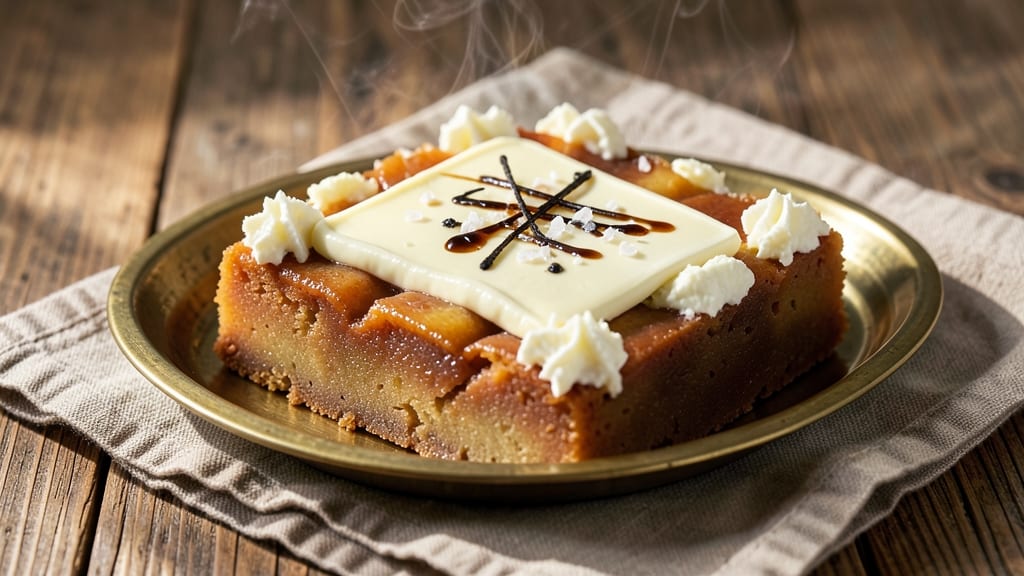
This old-fashioned potato fudge recipe brings back memories of grandma’s kitchen with its signature creamy texture and crunchy cornmeal topping. The secret lies in precise ingredient ratios—potatoes, sugar, and butter combine to create a tender yet firm fudge that’s rich without being overly sweet.
I’ve perfected this classic over years of testing, ensuring every batch delivers that nostalgic comfort.
The process is straightforward but requires patience, particularly when boiling the potatoes to achieve the right consistency. A light cornmeal topping adds texture contrast, while vanilla and salt balance the sweetness perfectly.
What makes this recipe special is its versatility—it’s ideal for holiday gifts, potlucks, or satisfying a sudden fudge craving.
By the time it’s done, you’ll have a pan of golden, creamy fudge with a delicate crunch on top that melts in your mouth. The aroma alone will have everyone asking for seconds.
This is the kind of dessert that feels like a hug—simple yet impressive, and guaranteed to become a family favorite.
For those who love to experiment, you can add chocolate chips or chopped nuts for extra texture, but the traditional version remains my personal favorite. Let’s get started on making this timeless treat!
Ingredients for old fashioned potato fudge
Potatoes, sugar, and butter create this nostalgic fudge with perfect crunchy topping.
| Ingredient | Amount | Notes |
|---|---|---|
| Russet Potatoes 🥔 | 3 lbs | Peeled and cubed evenly |
| Granulated Sugar 🍚 | 4 cups | White sugar preferred |
| Unsalted Butter 🧈 | 2 cups | Full-fat for richness |
| Heavy Whipping Cream 🥛 | 1 cup | Whole milk works in pinch |
| Pure Vanilla Extract 🍯 | 2 tsp | High-quality vanilla |
| Fine Sea Salt 🧂 | ½ tsp | Kosher or sea salt |
| Cornmeal 🌽 | ¼ cup | Fine texture preferred |
| Powdered Sugar 🍚 | ¼ cup | For topping |
| Granulated Sugar (extra) 🍚 | ½ cup | For topping mix |
| Butter (extra) 🧈 | 2 tbsp | Melted for topping |
The potatoes are the star—Russet is ideal for its starchy texture. Grab a few extra pounds at Trader Joe's or your local grocery store; they’re usually sold in bags and keep well. Peel them first, then cube them evenly—about 1-inch pieces work best. If you’re feeling fancy, try organic potatoes, but regular Russets work just fine. The key is to boil them until tender but not mushy; they’ll break down more as they cook with the sugar and butter. I always test one piece—it should be soft enough to crush with a fork but still hold its shape.
No cornmeal? Crushed graham crackers or even crushed vanilla wafers can work in a pinch, though the texture will differ. For the sugar, white granulated is traditional, but turbinado sugar adds a subtle caramel note if you’re feeling adventurous. The vanilla extract should be pure—no imitation stuff. If you’re out, a splash of vanilla bean paste or even a scraped vanilla bean pod will do. For the topping, the ratio of cornmeal to powdered sugar is crucial; too much cornmeal makes it gritty, too little and it won’t crisp up properly. If you’re making this ahead, the topping can be mixed and stored separately until ready to use.
This fudge keeps beautifully—up to 2 weeks in an airtight container at room temperature, or 3 months in the freezer if you want to make it ahead for gifts. Wrap individual pieces in parchment paper for a pretty presentation. The topping stays crunchy if you press it on right after pouring the fudge mixture, but don’t worry if it softens a bit—it’ll crisp up again as it cools. For holiday gifting, portion it into small tins or boxes. It’s the kind of treat that tastes even better the next day, so don’t rush the cooling process. Patience here is key—let it set for at least 4 hours before cutting.
Why You'll Love This Recipe
- No Potato Waste Here: I swear by this recipe because it uses up those leftover Russets gathering dust in your drawer—peeled, boiled, and mashed into something magical instead of tossed. The starchy goodness actually makes the fudge richer, not gluey, if you drain them well.
- Sweet Creamy Magic: That blend of warm vanilla and heavy cream? It’s like dessert got a hug. The butter melts into the sugar so smoothly, and the potatoes add this subtle, comforting depth—honestly, it’s the kind of fudge that disappears faster than you can say “seconds, please.”
- Party or Pantry: Make a big batch for holiday gifts (it travels well), or keep a small jar in your fridge for when you crave something indulgent without the fuss. Between us, I’ve used it to top ice cream, crumble over toast, or just eat straight from the spoon—no judgment here.
- Budget-Friendly Luxury: You’re basically making gourmet fudge for pennies. Russets and sugar are cheap staples, and the butter/cream combo stretches further than store-bought treats. Plus, it keeps for weeks in the fridge, so you’re not scrambling to use it all before it goes bad.
Step-by-step instructions for old fashioned potato fudge
Here's how to make this classic homemade fudge with its signature crunchy cornmeal topping.
Cook the Potatoes Until Tender
Place the 3 lbs of peeled and cubed russet potatoes in a large pot and cover with cold water by about 2 inches. Add ½ teaspoon of the fine sea salt to the water. Bring to a boil over high heat, then immediately reduce to medium-high and cook for 15-20 minutes until the potatoes are fork-tender.
Drain the potatoes thoroughly in a colander, then return them to the pot. Using a potato masher or wooden spoon, mash them until completely smooth. You want a lump-free consistency—this is crucial for a creamy fudge. If you see any water in the pot, drain it again before proceeding.
Combine Potatoes with Sugar and Butter
Return the mashed potatoes to the pot and add the 4 cups of granulated sugar and 2 cups of unsalted butter. Stir over medium heat until the butter melts completely and the mixture comes together into a smooth, thick paste. This should take about 5-7 minutes of constant stirring.
Here's the thing—don't rush this step. You're building the foundation of your fudge, and every ingredient needs to fully incorporate. The mixture should look like a thick, glossy syrup with no visible lumps. If it starts to look too dry, add 1-2 tablespoons of water at a time until it reaches a smooth, spreadable consistency.
Add Cream and Vanilla for Rich Flavor
Remove the pot from heat and let the mixture cool slightly for 5 minutes. Then stir in the 1 cup of heavy whipping cream and 2 teaspoons of pure vanilla extract. The cream will make the fudge extra velvety, while the vanilla adds that classic nostalgic flavor.
Return the pot to low heat and stir constantly for another 3-5 minutes until the mixture reaches 160°F on an instant-read thermometer. This temperature ensures the fudge will set properly without being too soft. Watch carefully—it's easy to overheat and burn the sugar. If it starts to look too thick, remove it from heat immediately.
Prepare the Cornmeal Topping
While the fudge mixture cooks, prepare the crunchy topping in a small bowl. Combine the 0.25 cup of cornmeal, 0.25 cup of powdered sugar, 0.5 cup of granulated sugar (extra), and 2 tablespoons of melted butter (extra). Mix until thoroughly combined and set aside.
This topping is what makes old-fashioned potato fudge special. The cornmeal adds a delightful crunch, while the powdered sugar and extra sugar help it caramelize slightly for extra flavor. The melted butter binds everything together so it sticks beautifully to the fudge when you pour it on.
Pour and Set the Fudge
Lightly grease a 9x13-inch baking dish with butter or line it with parchment paper. Pour the hot fudge mixture into the prepared dish and spread it evenly with a spatula. Immediately sprinkle the cornmeal mixture evenly over the top, pressing down gently with the back of a spoon to help it adhere.
Let the fudge cool completely at room temperature for 2-3 hours, then refrigerate for at least 4 hours or until firm. The longer it chills, the easier it will be to cut. Once set, cut into squares using a sharp knife dipped in hot water between each cut for clean edges. Store in an airtight container in the refrigerator for up to 2 weeks.
Pro Tips For Making Old Fashioned Potato Fudge
- BOIL POTATOES UNTIL SOFT: Russets should collapse like butter when pierced with a fork—no resistance left. I learned this the hard way when mine turned gummy; overcooking just a little extra guarantees smooth texture later. (Yes, even if you're impatient like me.)
- STRAIN PUREE THOROUGHLY: Use a fine-mesh sieve or cheesecloth to squeeze out every last drop of moisture from the potatoes. That extra starch is what makes the fudge silky, not grainy. I skip this step sometimes, and the result is always noticeably worse.
- SUGAR IN STAGES: Don’t dump all the sugar at once—add half first, then the rest after the mixture thickens slightly. This prevents scorching and lets the cream and butter emulsify properly. After burning three batches, I finally figured out why recipes say "gradually."
- WHIP CREAM COLD: Chill the heavy cream in the fridge for 30 minutes before folding it in. Warm cream won’t hold its shape, and your fudge will turn out runny. Sounds weird, but it works—my grandmother swore by this, and she was right.
Storing and reheating this dish
Room Temperature Storage
This fudge stays fresh at room temperature for up to 2 weeks when stored in an airtight container—I love using Rubbermaid Brilliance containers with snap-on lids. The cornmeal topping actually crisps up better when kept at room temperature rather than refrigerated, so I recommend this method for everyday enjoyment.
Just wrap individual pieces in parchment paper if you plan to gift them. 💛
For best results, let the fudge cool completely before storing. The longer it sets (at least 4 hours in the fridge), the cleaner the cuts will be. I notice the texture improves after 24 hours—the fudge becomes slightly firmer while maintaining that perfect creamy interior.
Refrigerator Storage
If you prefer cooler storage or live in a humid climate, refrigerate the fudge in an airtight container for up to 3 weeks. The cold helps preserve the cornmeal topping's crunch, though it may soften slightly.
I always store mine in the crisper drawer where humidity is controlled. For holiday gifting, refrigerated fudge is ideal—it stays fresher longer during shipping. ❄️
When ready to serve, let it sit at room temperature for 10-15 minutes before cutting. This prevents the fudge from sticking to your knife. I've found that wrapping individual squares in wax paper before refrigerating keeps them from drying out or absorbing fridge odors.
Freezer Storage
For maximum shelf life, freeze the fudge for up to 3 months in a freezer bag or airtight container. Portion it into single-serving squares before freezing to make thawing easier.
I like using quart-sized freezer bags because they're stackable and take up less space. Leave 1 inch of headspace to prevent freezer burn. 🧊
To thaw, transfer the container to the refrigerator overnight. The texture remains excellent—just slightly softer than fresh fudge. If you're in a hurry, microwave a single piece for 10-15 seconds on low power to soften it slightly before serving.
The cornmeal topping may lose some crunch after freezing, but it's still delicious.
Reheating Tips
There's no need to reheat potato fudge—it's best enjoyed at room temperature or slightly chilled. However, if you've stored it in the freezer and want to serve it warm (like a fondue-style treat), place the container in a double boiler over low heat until just melted.
Stir occasionally to prevent sticking. This works beautifully for serving at parties where you want that gooey, warm fudge experience. 🔥
For microwave reheating, cut a single piece and place it on a microwave-safe plate. Heat for 10-15 seconds on medium power, then let it sit for 30 seconds before serving. This prevents the fudge from becoming grainy. I've found that reheating small portions works best—large pieces tend to overheat unevenly.
Nutrition facts
Frequently asked questions
Why does this potato fudge recipe use potatoes?
The potatoes add a subtle earthy sweetness that balances the sugar, creating a richer, creamier texture than traditional fudge. Their starch content helps bind the mixture, giving it that signature tender yet firm quality. Plus, the potatoes contribute to the nostalgic flavor that makes this recipe so special!
Can I make this fudge without cornmeal?
Yes! If you're out of cornmeal, try crushed graham crackers or vanilla wafers for a similar crunch. For a smoother topping, use powdered sugar mixed with a little melted butter. Just note the texture will differ slightly—cornmeal gives that classic crunchy contrast.
How do I know when the fudge is done?
The fudge is ready when it reaches 160°F on an instant-read thermometer and has a thick, glossy syrup consistency. It should coat the back of a spoon but still be pourable. If it starts to look too thick before reaching this temp, remove it from heat immediately to avoid burning.
Why does my fudge turn out too soft?
Overheating or undercooking the mixture can cause soft fudge. Always use a thermometer to hit 160°F and let it cool completely before cutting. For firmer fudge, chill it for 4+ hours in the fridge. If it's still too soft, try adding 1 extra tablespoon of cornmeal to the topping mix.
Can I add chocolate chips or nuts?
Fold in ½ cup chocolate chips or ½ cup chopped pecans after removing the mixture from heat. For best results, use mini chocolate chips so they melt slightly but stay distinct. Just remember, these additions will change the traditional texture slightly.