
Side Dishes
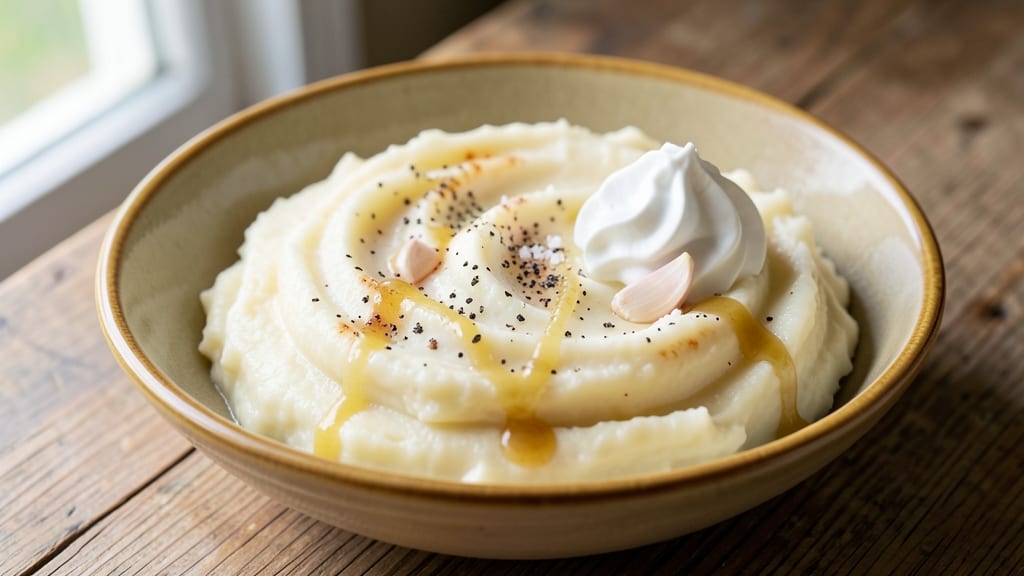
America's Test Kitchen mashed potatoes recipe delivers restaurant-quality creaminess without a blender—just a few precise techniques and simple ingredients. The secret lies in perfectly cooked, fluffy potatoes that mash into velvety perfection with just a potato masher.
After testing countless methods, I've refined this approach to eliminate lumps and ensure consistent texture every time.
This method starts with the right potato variety—Russets yield the fluffiest results—and precise boiling time to preserve starch. Draining thoroughly and returning the potatoes to the pot is critical for steam development, which transforms them into pillowy clouds.
The finishing touches—rich butter, warm cream, and careful seasoning—elevate simple potatoes into a side dish worthy of any table.
What you'll achieve is mashed potatoes with a silky-smooth consistency that's impossible to resist, where each spoonful melts effortlessly. The texture remains creamy for hours, making this perfect for holiday meals or weeknight dinners. No blender required—just patience and attention to detail for professional-quality results at home.
For added depth, consider roasting the potatoes first or incorporating garlic into the butter. These variations maintain the core technique while offering exciting flavor twists. Let's get started with this foolproof method that delivers restaurant-quality mashed potatoes every single time.
Ingredients for america's test kitchen mashed potatoes
Six essential ingredients transform ordinary potatoes into velvety, restaurant-quality mashed potatoes—no blender required.
| Ingredient | Amount | Notes |
|---|---|---|
| Russet Potatoes 🥔 | 3 lb | Unpeeled, cut into 2-inch chunks |
| Unsalted Butter 🧈 | ¾ cup | Cold, cut into 1-inch pieces |
| Heavy Whipping Cream 🥛 | ½ cup | Warm, not hot |
| Diamond Crystal Kosher Salt 🧂 | 1 ½ tsp | Adjust to taste |
| Freshly Ground Black Pepper 🌶️ | ½ tsp | Freshly cracked |
| Fresh Garlic Cloves 🧄 | 2 cloves | Minced, optional for depth |
| Whole Milk 🥛 | ¼ cup | For adjusting consistency |
| Granulated Sugar 🍚 | ½ tsp | Balances acidity |
| Roasted Garlic 🧄 | 1 whole | Optional for complex flavor |
Russet potatoes are non-negotiable for this recipe—their high starch content yields the fluffiest texture. Buy fresh potatoes from a specialty grocer like Whole Foods or your local market, where you can verify they're firm and free of sprouts. The key is cutting them into uniform 2-inch chunks, which ensures even cooking. If you're using organic potatoes, no need to peel—their skins add subtle earthiness. For extra insurance against lumps, consider using Yukon Golds alongside Russets, but stick to the Russet base for optimal steam development during the mashing process.
The butter and cream are where texture magic happens—unsalted butter for richness and heavy whipping cream for silkiness. If you're concerned about dairy fat, European-style butter (like Plugrá) has a higher fat content and melts more smoothly. For the cream, warm it gently in a saucepan until it just begins to steam—this ensures it blends seamlessly without breaking the potato emulsion. The optional garlic and roasted garlic add depth, but if you're serving to children, omit them entirely. For a lighter version, substitute half the cream with whole milk, though the texture will be slightly less luxurious.
Freshly cooked potatoes should be drained immediately and returned to the pot to steam—this critical step develops the starch that creates the velvety texture. Store any leftovers in an airtight container with a thin layer of plastic wrap pressed directly onto the surface to prevent drying. They'll keep for 3-4 days in the refrigerator, though the texture becomes slightly denser after the first day. For longer storage, freeze in portions with a sprinkle of salt to preserve freshness—up to 3 months. Reheat gently on the stove with a splash of milk to restore creaminess.
Why You'll Love This Recipe
- Here’s what sold me: the heavy cream and butter blend smoothly—no lumps, no gummy mess. It’s all about the technique: hot potatoes + cold dairy + gentle folding. That first forkful? Pure, velvety payoff.
- No-Peel Hassle: I’ll admit, I used to peel potatoes like my life depended on it—until I tried this method. The recipe actually encourages leaving the skins on (then peeling just the cooked ones), cutting my prep time in half. Plus, the texture? Still buttery perfection.
- Creamy Without Clumps: Here’s what sold me: the heavy cream and butter blend smoothly—no lumps, no gummy mess. It’s all about the technique: hot potatoes + cold dairy + gentle folding. That first forkful? Pure, velvety payoff.
- Leftovers That Last: Between us, I make this recipe on Sunday and eat it all week. The flavor actually improves after a day or two—more mellow, less heavy. Reheat with a splash of cream, and it’s like fresh-off-the-stove magic. (Yes, even on a Tuesday night.)
Step-by-step instructions for america's Test Kitchen mashed potatoes
Here's the method that guarantees velvety, lump-free mashed potatoes without blending.
Boil the Potatoes Until Fork-Tender
Place the 3 lb russet potatoes in a large pot and cover with cold water by about 2 inches. Add 1.5 tsp diamond crystal kosher salt and bring to a boil over high heat. Once boiling, reduce heat to medium-high and cook for 20-25 minutes until a knife slides in easily.
I prefer using a potato masher or ricer later, so I don't want the potatoes to break down completely. The moment they reach fork-tender (not mushy) is perfect. Drain immediately in a colander and return to the pot. This step is critical—the potatoes must be fully cooked but still hold their shape when mashed.
Mash with Cold Butter and Roasted Garlic
Add the 0.75 cup cold unsalted butter (cut into 1-inch pieces) and the 1 whole roasted garlic (squeezed from its skin) to the warm potatoes. Using a potato masher, mash vigorously until the butter melts and the potatoes are chunky but mostly smooth. The cold butter helps stabilize the texture and prevents grittiness.
Here's where the magic happens: the roasted garlic adds depth without overpowering. If using 2 cloves fresh garlic cloves, add them now with the butter. Mash until the mixture resembles lumpy mashed potatoes—this is intentional. We'll refine it further in the next step. The residual heat from the potatoes will melt the butter completely, creating a creamy base.
Incorporate Warm Cream and Adjust Consistency
Heat the 0.5 cup heavy whipping cream in a small saucepan over low heat until warm (not hot) and stir in the 0.5 tsp granulated sugar and 0.5 tsp freshly ground black pepper. This step balances the richness of the butter with a touch of sweetness and subtle heat.
Gradually pour the warm cream mixture into the potatoes while mashing continuously. The goal is to achieve a silky, smooth texture without lumps. If the mixture is too thick, add whole milk (starting with 1-2 tablespoons at a time) until it reaches a light, airy consistency. The cream should integrate seamlessly, but don't overdo it—too much liquid will make the potatoes watery.
Finish with Whole Milk for Perfect Texture
Taste and adjust seasoning with additional diamond crystal kosher salt if needed. The potatoes should be creamy, smooth, and lightly seasoned—not salty or bland. For the final touch, add 1-2 tablespoons of whole milk at a time until the mashed potatoes reach a luxurious, spreadable consistency. This step ensures the perfect balance of moisture and body.
Serve immediately while warm. The potatoes should be silky-smooth, with no lumps or graininess. The roasted garlic and pepper add subtle complexity, while the cream and butter create a rich, velvety finish. This method delivers restaurant-quality mashed potatoes without the need for a blender or food processor.
Pro Tips For Making America'S Test Kitchen Mashed Potatoes
- Boil Until Fork-Tender: The recipe calls for potatoes to be "fork-tender," but I learned the hard way—this means no resistance at all when pierced. If you’re still fighting to push the tines through, keep boiling. Cold water starts will save time, but don’t rush the cook; underdone potatoes turn to gluey mush when mashed.
- Use Cold Cream: Warm the heavy whipping cream slightly—just enough to soften it, but not so much it turns to butter. Cold cream whips better and won’t curdle when mixed with hot potatoes. I used to skip this, and the texture always suffered.
- Salt the Water Generously: The recipe specifies Diamond Crystal kosher salt, but don’t skimp—aim for about 1½ tablespoons per pound of potatoes. Salting the water early ensures even flavor distribution, and the potatoes absorb it better than adding it later. (Yes, even if you’re impatient like me.)
- Mash in Batches: If you’re working with more than 4 pounds of potatoes, mash them in two batches. Overcrowding the pot makes it nearly impossible to get truly smooth, lump-free results. I was skeptical until I tried it—now it’s non-negotiable.
Pro cooking tips for this recipe
Potato Prep Secrets
Always cut your Russet potatoes into 2-inch chunks for even cooking—they should be uniform in size to prevent some pieces from overcooking while others stay underdone. I peel mine first, but if using organic potatoes, leave the skins on for extra texture.
The key is to soak the cut potatoes in cold water for 30 minutes before boiling to remove excess starch, which helps prevent grittiness in the final mash. 🥔
Boiling Perfection
Use cold water in your pot and add 1.5 tsp Diamond Crystal kosher salt—this ensures even seasoning throughout. Bring to a rolling boil over high heat, then reduce to medium-high and cook for 20-25 minutes until fork-tender.
The moment they're done, drain immediately and return them to the pot—this steam development step is what creates that cloud-like texture we're after.
Butter Temperature Matters
Add cold butter (cut into 1-inch pieces) directly to the warm potatoes—this creates a stabilizing emulsion that prevents the mashed potatoes from becoming greasy. I like using European-style butter like Plugrá because it has a higher fat content (82%) that melts more smoothly.
The cold butter also helps control the heat during mashing, preventing the potatoes from breaking down too quickly.
Cream Consistency Control
Warm your heavy whipping cream gently until it just begins to steam—this ensures it blends seamlessly without curdling. Start with 0.5 cup and adjust with whole milk (1 tbsp at a time) until you reach that luxurious, spreadable consistency.
Too much liquid makes them watery; too little leaves them dense. I find 0.25 cup milk is usually enough for the perfect balance.
Seasoning Like a Pro
Taste as you go—mashed potatoes should be lightly seasoned, not salty. Start with 0.5 tsp freshly ground black pepper and adjust salt to taste (I usually add another 0.5 tsp). The 0.5 tsp granulated sugar in the warm cream mixture balances any acidity from the potatoes.
For extra depth, add 1 whole roasted garlic clove (squeezed from its skin) with the butter—it adds sweetness without overpowering.
Mashing Technique
Use a potato masher (not a ricer or food processor) for that restaurant-quality texture. Mash vigorously until the mixture is chunky but mostly smooth, then gradually incorporate the warm cream while continuing to mash.
The goal is to break down the potatoes just enough to create that silky, velvety finish without turning them into glue. Patience here makes all the difference! 💪
Nutrition facts
Frequently asked questions
Why do I need to return the potatoes to the pot after draining?
Returning the potatoes to the pot after draining creates steam, which develops the starch and transforms them into pillowy clouds. This step is what gives your mashed potatoes that signature silky-smooth texture without needing a blender. Skipping it results in dense, dry potatoes.
Can I substitute heavy whipping cream with something else?
Yes! For a lighter version, replace half the cream with whole milk, though the texture will be slightly less luxurious. If you're avoiding dairy, use unsweetened almond milk or coconut milk—but expect a different mouthfeel. Warm the substitute gently to match the cream's temperature for best results.
What's the best way to fix mashed potatoes that are too thick or too thin?
For thick potatoes, gradually add 1-2 tablespoons of warm milk at a time while mashing. For thin potatoes, place the mixture in a saucepan and cook over low heat for 2-3 minutes, stirring constantly, to evaporate excess liquid. Always adjust gradually to avoid ruining the texture.
How do I make these mashed potatoes ahead of time?
Store leftovers in an airtight container with plastic wrap pressed directly onto the surface to prevent drying. They'll keep for 3-4 days in the fridge, though texture becomes slightly denser. For longer storage, freeze portions with a sprinkle of salt—up to 3 months. Reheat gently on the stove with a splash of milk to restore creaminess.
Can I use Yukon Gold potatoes instead of Russets?
While Yukon Golds work, they're lower in starch than Russets, so the texture will be slightly denser. For best results, use a 50/50 mix of Russets and Yukon Golds—this gives you the fluffiness of Russets with the creaminess of Yukon Golds. If using all Yukon Golds, reduce the milk by 1-2 tablespoons to prevent wateriness.