
Side Dishes
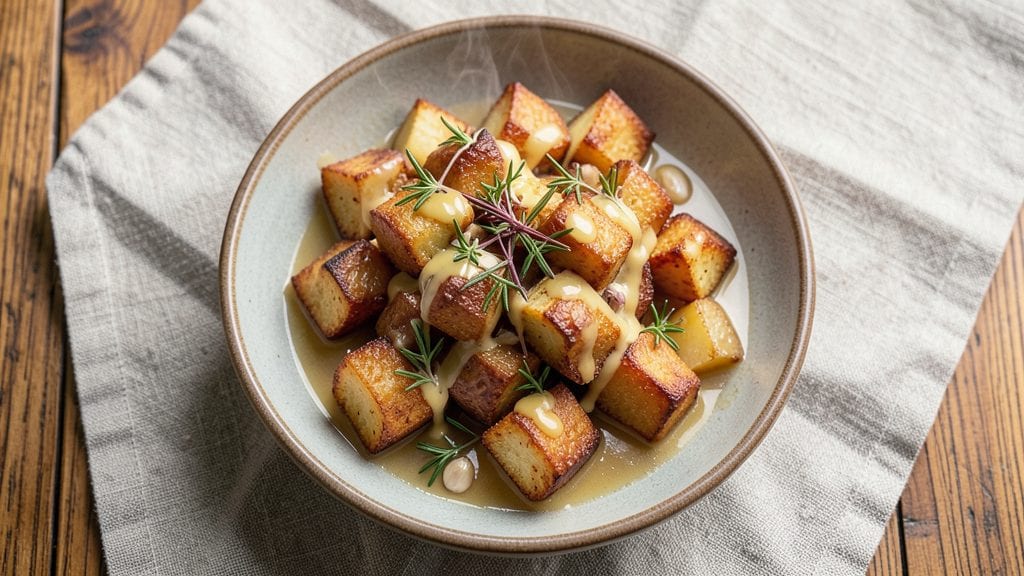
Nelson’s potatoes recipe transforms simple russets into a restaurant-worthy side dish with tender, herb-infused centers and a glossy golden vinegar glaze. This French-inspired method—slow-cooked in aromatic broth—delivers melt-in-your-mouth texture and complex flavor that elevates any meal.
I perfected this technique after years of experimenting with classic French potato preparations, and the results speak for themselves: perfectly seasoned, never dry, and always impressive.
The secret lies in the slow cook, where potatoes absorb the herb-infused broth while developing a delicate crust. A touch of vinegar in the glaze adds brightness, balancing the richness of the butter and herbs.
Unlike traditional roasted potatoes, this method ensures even cooking and maximum flavor penetration, making it ideal for holiday tables or weeknight dinners where sides need to shine.
What you’ll achieve is a dish that’s both elegant and approachable—creamy yet crisp, fragrant with thyme and rosemary, and finished with a glossy glaze that ties everything together.
The potatoes hold their shape beautifully, allowing them to be served whole or sliced, and the glaze adds a touch of sophistication without overpowering the natural potato flavor.
Pair these with grilled meats, roasted poultry, or even as a standalone vegetarian dish. The recipe scales effortlessly, making it perfect for gatherings or meal prep. Ready to elevate your side dishes? Here’s how to make them.
Ingredients for nelson's potatoes
Herb-infused russets with a golden vinegar glaze—simple ingredients, restaurant-worthy results.
| Ingredient | Amount | Notes |
|---|---|---|
| Russet Potatoes 🥔 | 3 lbs | Medium size, scrubbed and dried |
| Unsalted Butter 🧈 | ¾ cup | Cold, cut into 1-inch pieces |
| Fresh Thyme Leaves 🌿 | ¼ cup | Stems removed, finely chopped |
| Fresh Rosemary Sprigs 🌿 | ¼ cup | Needles finely chopped |
| Garlic Cloves 🧄 | 6 cloves | Peeled and smashed |
| Chicken Broth 💧 | 2 cups | Low-sodium, homemade preferred |
| White Wine Vinegar 🍋 | ¼ cup | For glaze, high-quality preferred |
| Granulated Sugar 🍚 | 1 tbsp | Balances acidity in glaze |
| Diamond Crystal Kosher Salt 🧂 | 1 ½ tsp | For seasoning, adjust to taste |
| Freshly Ground Black Pepper 🌶️ | ½ tsp | Freshly cracked for best flavor |
| Extra-Virgin Olive Oil 🫒 | 2 tbsp | For drizzling after roasting |
| Fresh Parsley Leaves 🌿 | ⅛ cup | Chopped, for garnish |
The russets are non-negotiable for this technique—their waxy texture holds shape while developing a delicate crust. Local farm stands often have the freshest, most flavorful russets, but any quality grocery store will carry them. Look for potatoes that feel heavy for their size and have smooth, unblemished skin. The herbs should be vibrant: fresh thyme and rosemary from the grocery store’s produce section are fine, but Whole Foods or Trader Joe's carry particularly fragrant varieties. If using dried herbs, reduce to one-third the amount—fresh is ideal here for that restaurant-quality aroma. The garlic should be plump and firm, with no green shoots. Smash the cloves rather than mincing to release their oils without turning bitter.
No fresh herbs? Dried thyme and rosemary work in a pinch, but the flavor won’t be as bright. Substitute white wine vinegar with apple cider vinegar for a slightly sweeter glaze, though the acidity will be less pronounced. For the broth, homemade low-sodium chicken stock is best, but a high-quality jarred brand like Pacific Foods or Kitchen Basics will suffice. If you’re avoiding wine vinegar entirely, a mix of lemon juice and a pinch of sugar can mimic the brightness. The butter should be cold and cubed—this ensures it melts slowly, creating a luxurious sauce rather than pooling at the bottom. For extra richness, swap half the butter for brown butter, though it will have a deeper, nuttier flavor.
Potatoes can be prepped a day ahead—store them in the fridge in a sealed container with the herbs and garlic, but add the broth and butter just before roasting to maintain texture. The glaze ingredients should be mixed fresh and kept at room temperature until ready to drizzle. Once roasted, these potatoes reheat beautifully—simply warm in a 350°F oven for 10-15 minutes with a splash of broth. They also freeze well for up to 3 months, though the texture may be slightly softer after thawing. For meal prep, portion into individual servings before glazing to keep the presentation intact.
Why You'll Love This Recipe
- One-Pan Magic: I swear by this recipe because it’s literally dump-and-roast. Slice those Russets, toss them with butter, garlic, and herbs, and let the oven do the work—no flipping, no fuss. The crispy edges form right on the sheet pan, and honestly? That’s my kind of cooking.
- Herb-Packed Punch: Between the rosemary’s piney bite and thyme’s earthy warmth, these potatoes taste like they simmered for hours—not just 45 minutes. The garlic? Oh, it gets caramelized in those hot butter pockets, making every bite taste like a hug from a French bistro.
- Weeknight & Holiday Star: I make these for lazy Tuesdays and Thanksgiving leftovers. They’re hearty enough to stand alone but pair perfectly with steak, roasted chicken, or even a simple salad. (Yes, even on a Tuesday night.)
- Budget-Friendly Luxury: Russets are cheap, butter makes it feel fancy, and a few sprigs of herbs stretch a long way. Plus, leftovers reheat beautifully—crispy again if you broil them—so you’re not stuck eating sad potatoes for days. My wallet (and my dinner guests) thank me.
Step-by-step instructions for herb-infused roast potatoes with golden vinegar glaze
This method delivers restaurant-quality roasted potatoes with crispy edges and a flavorful herb-infused interior.
Prepare and Season the Potatoes
Preheat your oven to 425°F for maximum crispiness. While it heats, cut the 3 lbs russet potatoes into 1-inch cubes, ensuring even-sized pieces for consistent cooking. Place them in a large bowl and toss with 2 tbsp extra-virgin olive oil until evenly coated.
In a small bowl, combine 1.5 tsp diamond crystal kosher salt, 0.5 tsp freshly ground black pepper, 0.25 cup finely chopped fresh thyme leaves, and 0.25 cup finely chopped fresh rosemary sprigs. Sprinkle this mixture over the potatoes and toss gently but thoroughly to distribute the seasoning evenly. Avoid over-tossing, as this can break the potato skins and lead to a less crispy finish.
Roast Until Golden and Crispy
Spread the seasoned potatoes in a single layer on two rimmed baking sheets, ensuring they don't overlap. Roast for 30 minutes, stirring once halfway through, until the edges begin to turn golden brown. This initial roast develops flavor and creates a foundation for the crispy texture.
After 30 minutes, remove one sheet at a time and add 0.75 cup cold unsalted butter cut into 1-inch pieces, along with the 6 smashed garlic cloves. Toss to coat the potatoes evenly with the butter and garlic. Return both sheets to the oven and roast for another 15-20 minutes, stirring once more, until the potatoes are deep golden brown and crispy on the outside while still tender inside.
Prepare the Golden Vinegar Glaze
While the potatoes finish roasting, prepare the glaze by combining 2 cups chicken broth, 0.25 cup white wine vinegar, and 1 tbsp granulated sugar in a small saucepan. Bring to a simmer over medium heat and reduce by half, stirring occasionally, until the mixture thickens slightly and coats the back of a spoon. This should take about 8-10 minutes.
Once the glaze reaches the desired consistency, remove it from heat and let it cool slightly. The glaze should be syrupy but still pourable. Taste and adjust the seasoning with additional salt or pepper if needed. This glaze adds a bright, tangy contrast to the rich, buttery potatoes.
Assemble and Serve
Transfer the roasted potatoes to a serving platter and immediately drizzle the warm glaze evenly over the top. The residual heat from the potatoes will help the glaze cling beautifully. Sprinkle with 0.125 cup chopped fresh parsley leaves for a pop of color and freshness.
Serve immediately while the potatoes are still crispy and the glaze is warm. The combination of crispy, herb-infused potatoes with the tangy-sweet glaze creates a harmonious balance of textures and flavors. These potatoes pair exceptionally well with grilled meats or as a standalone vegetable dish for any meal.
Pro Tips For Making Nelson'S Potatoes
- Preheat Pan Like It’s 1998: I learned this the hard way—cold pans make sad potatoes. Get that cast-iron or stainless steel screaming hot for 5 minutes before the potatoes hit it. The first sear locks in flavor and prevents steaming, which turns your crispy dream into a mushy nightmare. (Yes, even if you're impatient like me.)
- Slice Potatoes Evenly: Uneven slices = uneven cooking. Use a mandoline or sharp knife to cut Russets into ¼-inch thick rounds—no thicker, no thinner. Thick slices stay doughy inside, while thin ones burn before they crisp. This isn’t the prettiest method, but it’s the tastiest.
- Smash Garlic, Don’t Mince: Skip the tiny, bitter garlic paste—it burns before the potatoes are done. Instead, peel 3-4 cloves, smash them flat with the side of your knife, and let them cook whole. They’ll soften perfectly without turning to ash. (Your future self will thank you.)
- Butter in Stages: Dumping all the butter at once means it melts into a greasy pool. Instead, add half when the potatoes are halfway done, then the rest in the last 2 minutes. This guarantees a glossy, buttery finish without making everything greasy. Sounds weird, but it works.
Dietary considerations for nelson's potatoes
Gluten-Free Adaptations
This recipe is naturally gluten-free, but there are a few key adjustments to ensure maximum flavor and texture. The chicken broth should be certified gluten-free—brands like Pacific Foods or Imagine offer reliable options.
For extra richness, use gluten-free butter (like Miyoko's or Land O'Lakes Gluten-Free) instead of regular butter to avoid cross-contamination. The vinegar glaze remains unchanged, as vinegar is inherently gluten-free. Always double-check labels on herbs and spices, as some blends contain wheat-based fillers. 💡
Dairy-Free Substitutions
For a dairy-free version, replace the unsalted butter with vegan butter (like Miyoko's or Earth Balance) or olive oil for a lighter option. The texture will still be rich, though slightly less decadent. Ensure your chicken broth is also dairy-free, as some brands add butter or cream.
The glaze remains the same, but you can enhance the flavor by adding a splash of lemon juice to brighten the dish. Garnish with extra herbs to keep it vibrant. 🌿
Low-Carb/Keto Options
To make this dish keto-friendly, skip the potatoes entirely and use cauliflower florets instead. Toss the cauliflower in 2 tbsp olive oil, 1.5 tsp salt, and the same herb mixture, then roast at 425°F for 25-30 minutes until golden.
For the glaze, reduce the sugar to ½ tsp or omit it entirely, using only vinegar and broth. The result is a crispy, herb-infused side that fits low-carb diets while keeping the same elegant presentation. 🥦
Allergen-Friendly Adjustments
If you're accommodating nut allergies, avoid any cross-contamination with nuts (some butters or broths may contain traces). For soy allergies, ensure your broth is soy-free—brands like Pacific Foods offer soy-free options. If egg allergies are a concern, this recipe is already safe, as no eggs are used.
Always use separate utensils and surfaces to prevent cross-contact with allergens. The glaze remains allergen-friendly, but taste it before serving to confirm no unintended ingredients were added. 🛡️
Vegetarian Considerations
This recipe is already vegetarian-friendly, but you can elevate it further by using a vegetable broth instead of chicken broth. For extra depth, add 1 tsp smoked paprika or ½ tsp onion powder to the herb mixture.
The vinegar glaze works beautifully with the earthy flavors of roasted vegetables. If you want to make it vegan, stick with the dairy-free substitutions mentioned earlier. The dish remains hearty and satisfying for plant-based meals. 🌱
Nutrition facts
Frequently asked questions
Can I use Yukon Gold potatoes instead of russets?
Yukon Golds will work, but they won't get as crispy as russets. Their waxier texture makes them better for creamy dishes. For this recipe, stick with russets for that perfect golden crust—it's what makes the dish shine!
How do I prevent the potatoes from sticking to the baking sheet?
Line your baking sheets with parchment paper or use a silicone baking mat. This creates a non-stick surface while keeping the edges crispy. If you don't have parchment, lightly grease the sheet with olive oil before adding the potatoes.
Can I make this recipe ahead of time?
Prep the potatoes up to 24 hours ahead—store them in the fridge with the herbs and garlic, but add the butter and broth just before roasting. The glaze should be made fresh and drizzled right before serving for the best texture.
What if my glaze turns out too thin or too thick?
Too thin? Simmer it longer until syrupy. Too thick? Thin with a splash of warm broth. The glaze should coat the back of a spoon but still be pourable. Taste and adjust seasoning before drizzling over the potatoes.
Can I use dried herbs instead of fresh?
Yes, but reduce the amount to ⅓ of what's called for. Dried herbs are more concentrated, so 1 tbsp dried thyme equals ⅓ cup fresh thyme. Fresh herbs give brighter flavor, but dried works in a pinch.