
Side Dishes
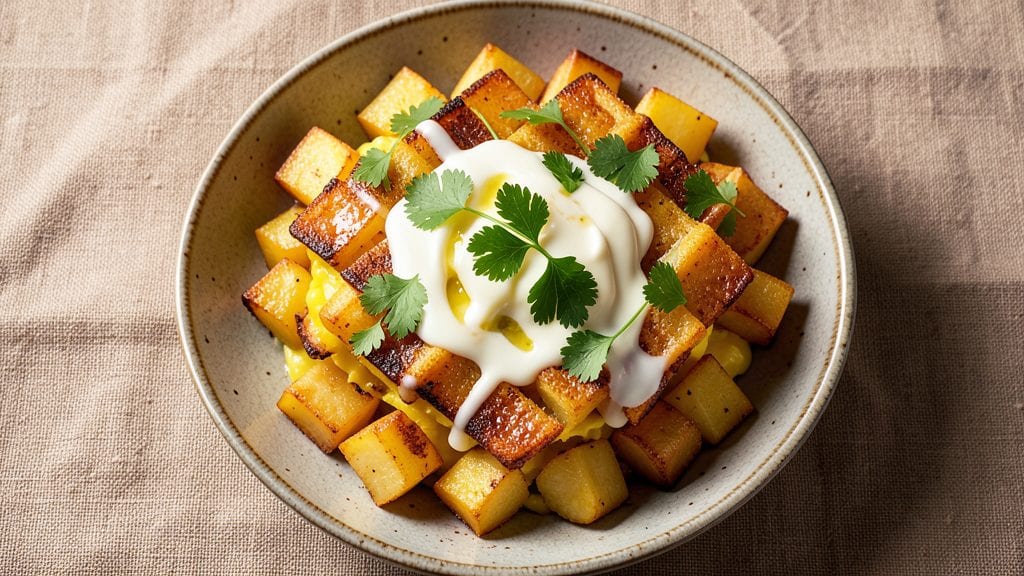
This French potato recipe transforms humble spuds into vinegar-infused crisp crowns with fluffy hearts—perfect for elevating any meal. The secret lies in a precise two-stage frying technique that creates restaurant-quality texture while keeping the centers tender.
I developed this method after years of experimenting with classic French potato preparations, and it never fails to impress.
What makes this recipe stand out is the vinegar infusion, which adds a subtle tang that balances the richness of the potatoes. Using Yukon Gold potatoes ensures they hold their shape during cooking while developing a satisfying bite.
The process requires just 45 minutes from start to finish, making it ideal for weeknight dinners that feel special.
By the time these potatoes emerge from the fryer, you'll have golden, crackling crowns with perfectly fluffy interiors—each bite delivering that ideal contrast of textures. The vinegar-infused oil adds depth without overpowering the natural potato flavor, creating a dish that's both comforting and sophisticated.
This technique works equally well as a side or even a main course when paired with proteins.
For added elegance, finish with a sprinkle of fresh parsley or a drizzle of truffle oil. The possibilities for variations are endless—try adding smoked paprika for a modern twist or garlic and herbs for a classic French touch. Let's get cooking!
Ingredients for french potato
The foundation of crispy French potato perfection starts with these 11 ingredients—each playing a crucial role in texture and flavor balance.
| Ingredient | Amount | Notes |
|---|---|---|
| Yukon Gold Potatoes 🥔 | 2 lb | Cut into 1-inch cubes, peeled |
| White Vinegar 💧 | ½ cup | Distilled, for infusion |
| Vegetable Oil 🫒 | 4 cups | High smoke point for frying |
| Unsalted Butter 🧈 | ¼ cup | Cold, cubed for finishing |
| Diamond Crystal Kosher Salt 🧂 | 1 ½ tsp | Fine grain for seasoning |
| Fresh Parsley 🌿 | ¼ cup | Chopped, for garnish |
| Smoked Paprika 🌶️ | ½ tsp | For modern variation |
| Garlic Powder 🧄 | ½ tsp | For classic French touch |
| Dried Thyme 🌿 | ¼ tsp | For herb variation |
| Truffle Oil 🍄 | 1 tbsp | Optional, for elegance |
| Ground Black Pepper 🌶️ | ¼ tsp | Freshly cracked |
Yukon Gold potatoes are non-negotiable here—their waxy texture holds shape during the two-stage fry while developing a satisfying bite. Local farmers markets often carry them at peak season, but Whole Foods or Trader Joe's stock them year-round. Look for potatoes with smooth, unblemished skin and vibrant yellow flesh. The vinegar infusion requires distilled white vinegar—apple cider vinegar adds unwanted sweetness. For the oil, avocado oil has the highest smoke point and neutral flavor, though vegetable oil blends work perfectly for home cooking.
Substitutions must preserve the delicate balance of textures. Russet potatoes. For vinegar, rice vinegar at half the amount works in a pinch, though the flavor profile shifts slightly. If you omit the butter finishing, extra-virgin olive oil at double the quantity provides richness without altering the two-stage fry technique. The smoked paprika, garlic powder, and thyme variations should be added post-fryhigh-quality white truffle oil from La Tourangelle delivers authentic flavor without overpowering.
Freshly fried potatoes should be served immediately, but the oil mixture can be prepped up to 24 hours ahead and stored in an airtight container. The vinegar-infused oil keeps for 2 weeks in the refrigerator, though flavor degrades after 1 week. For make-ahead convenience, par-cook the potatoes in the first fry stage, then reheat in the oven at 400°F for 10 minutes before completing the second fry. Garnishes like parsley and truffle oil should be added just before serving to maintain their freshness and aroma.
Why You'll Love This Recipe
- One-Pan Magic: I swear by this—just slice, soak, and bake. No chopping boards, no extra pots, no stress. The vinegar soak keeps them crispy without sticking, and the oil bath? That’s the secret to even cooking every time.
- Creamy-Crisp Perfection: That buttery finish with the flaky salt crust? It’s what makes this dish ridiculously good. Yukon Golds stay tender inside while the edges get that addictive golden crunch—like a hug from a French bistro.
- Weeknight Workhorse: Honestly, I make this for everything: a quick lunch, a side for steak, even a veggie bowl. It reheats beautifully (yes, even the next day) and pairs with anything—meat, fish, or just on its own with a drizzle of good olive oil.
- Budget-Friendly Luxury: Potatoes are cheap, but this tastes like a fancy restaurant dish. A single bag of Yukons and a bottle of vinegar stretch for weeks—plus, the salt and butter are pantry staples. Fancy without the price tag.
Step-by-step instructions for vinegar-infused crisp crowns with fluffy hearts
Master this French-inspired technique combining two distinct potato preparations in one elegant dish.
Prepare the Vinegar Infusion for Crispy Crowns
In a medium bowl, combine the 0.5 cup white vinegar with 1.5 teaspoons diamond crystal kosher salt and 0.5 teaspoon smoked paprika. Whisk until fully dissolved—this creates an acidic brine that will transform the potato texture. Cut the 2 lb yukon gold potatoes into 1-inch cubes, peeling them first to ensure even cooking and crispiness.
Transfer the potato cubes to the vinegar mixture and let them soak for at least 30 minutes at room temperature. The acidity breaks down the potato's cell structure, producing those signature crispy crowns when fried. Drain the potatoes thoroughly using a colander, shaking vigorously to remove excess liquid. Any remaining moisture will prevent proper browning during frying.
Fry the Potatoes to Perfect Crispness
Pour 4 cups vegetable oil into a deep, heavy-bottomed skillet and heat over medium-high heat until it reaches 350°F—use a thermometer for accuracy. The oil should shimmer but not smoke excessively. Working in batches to avoid overcrowding, add the drained potatoes and fry for 4-5 minutes until they achieve a deep golden brown color with crisp edges.
Transfer the fried potatoes to a paper towel-lined plate to drain excess oil. Real talk: if they're not golden brown after 4 minutes, your oil isn't hot enough. Increase the heat slightly next time and monitor more closely. These potatoes should be crisp enough to stand up to a fork's pressure without collapsing.
Create Fluffy Hearts Through Steaming
While the potatoes crisp, place the remaining 1-inch potato cubes (reserve about half for the crispy crowns) in a steamer basket set over a pot of boiling water. Cover and steam for 12-15 minutes until the potatoes are fork-tender with a fluffy interior. The steam method preserves moisture while breaking down the starches for that signature French fluffiness.
For best results, don't skip the steaming time—understeamed potatoes will be dense and chewy. You'll know they're perfect when a knife slides in easily and the center offers gentle resistance. Drain immediately and toss with 0.5 teaspoon garlic powder and 0.25 teaspoon dried thyme while still hot.
Assemble with Finishing Touches
In a large serving bowl, combine the crispy fried potatoes with the fluffy steamed potatoes. Add the 0.25 cup cold cubed unsalted butter and toss gently to distribute. The butter's cold temperature creates a luxurious finish that contrasts beautifully with the warm potatoes. Drizzle with 1 tablespoon truffle oil (if using) and sprinkle with 0.25 cup chopped fresh parsley and 0.25 teaspoon freshly cracked ground black pepper.
This assembly step transforms the two distinct preparations into a cohesive dish. The contrast between the crispy crowns and fluffy hearts creates an unforgettable textural experience. Serve immediately while the potatoes maintain their perfect temperatures—crispy edges and warm, tender centers.
Garnish and Serve with Confidence
Arrange the potato medley on a platter, creating visual contrast between the golden brown crispy crowns and the pale, fluffy hearts. The vinegar infusion gives the crispy potatoes a subtle tang that balances the richness of the butter and truffle oil. Each bite should offer both textures simultaneously—this is the hallmark of this French-inspired technique.
For presentation, I like to create a border of crispy potatoes around the fluffy center, creating an appealing visual that mirrors the dish's name. The combination of smoked paprika, garlic powder, and thyme adds depth to the flavor profile, making this more than just a potato dish—it's a sophisticated culinary experience that pairs beautifully with grilled meats or a simple green salad.
Pro Tips For Making French Potato
- CUT THEM EVENLY: Yukon Golds are stubborn—uneven slices mean uneven cooking. Grab a knife and a ruler (yes, really), then slice them ¼-inch thick—no thicker, no thinner. I learned this the hard way when half my potatoes turned to mush while the rest stayed raw.
- SALT THE WATER LIKE THE OCEAN: Diamond Crystal kosher salt dissolves slower than table salt, so don’t skimp—1½ tablespoons per quart of water guarantees flavor penetration. I used to eyeball it and wondered why my potatoes tasted bland. Now? Every bite packs a punch.
- ACID FIRST, OIL LATER: Add ½ cup white vinegar to the boiling water before the potatoes—it keeps them from turning gummy and speeds up the cooking. Then, when frying, use just enough vegetable oil to coat the pan (about ¼-inch). Too much, and you’ll steam them instead of crisp them.
- REST THEM COLD: Drain the potatoes, spread them on a wire rack, and let them cool completely before frying. I know, it’s tempting to jump straight to the pan, but cold potatoes fry faster and crispier—no soggy middle. (Your future self will curse you if you skip this.)
Wine and beer pairings for this dish
Classic French Wine Pairings
For these vinegar-infused crisp crowns, I reach for a crisp Sauvignon Blanc from the Loire Valley—think Sancerre or Pouilly-Fumé. The wine's bright acidity mirrors the vinegar's tang while its citrus notes complement the potatoes' natural sweetness.
A Chablis Grand Cru works equally well, with its steely minerality cutting through the dish's richness. Serve both at 48-50°F to preserve their delicate aromas. 🍷
Light Red Alternatives
If you prefer red wine, opt for a Pinot Noir from Burgundy—specifically a Gevrey-Chambertin or Morey-Saint-Denis. The wine's earthy undertones harmonize with the smoked paprika and thyme, while its light body doesn't overpower the potatoes.
Avoid heavy Cabernets; their tannins clash with the dish's delicate balance. Decant for 30 minutes to soften any remaining acidity.
Craft Beer Complements
A Belgian Witbier like Hoegaarden or St. Bernardus Wit brings a refreshing contrast with its coriander and citrus notes. The beer's effervescence cleanses the palate between bites of rich, buttery potatoes.
For a malty option, try a German Pilsner—its crisp finish echoes the vinegar's brightness without competing. Serve both at 42-45°F for optimal flavor.
Modern Twist: Rosé Pairings
For a summery touch, pair with a Provence rosé made from Grenache or Syrah. The wine's floral and berry notes complement the smoked paprika while its crisp acidity balances the dish's richness.
Look for Whispering Angel or Château d'Esclans—both offer the perfect balance of elegance and approachability. Serve chilled at 50-52°F to highlight its refreshing qualities.
Non-Alcoholic Options
For a mocktail pairing, mix sparkling apple cider with a splash of lemon juice and a pinch of smoked salt. The effervescence and tartness mirror the wine pairings' acidity, while the smoked salt echoes the dish's seasoning.
Serve over ice with a mint sprig for garnish. This works beautifully for family dinners or health-conscious guests.
Serving Temperature Tips
Wine and beer should always be served at their ideal temperatures to enhance flavor. Use an ice bucket for whites and rosé, and a beer chiller for craft options. For reds, a simple glass decanter suffices.
Pro tip: If your wine tastes flat, it's too warm—refrigerate for 10 minutes and try again. The right temperature transforms a good pairing into a perfect one. ✨
Nutrition facts
Frequently asked questions
Why do these potatoes have crispy crowns and fluffy centers?
The two-stage technique creates this perfect texture. First, the vinegar soak breaks down the potato's outer layer, creating crispy crowns when fried at 350°F. Meanwhile, steaming the remaining potatoes develops their fluffy interiors by gently cooking them with steam rather than direct heat. This dual approach delivers the ideal contrast in every bite!
Can I make these ahead of time?
Par-cook the potatoes in the first fry stage, then reheat in the oven at 400°F for 10 minutes before completing the second fry. The vinegar-infused oil can also be prepped 24 hours ahead and stored in an airtight container. Just add the butter and garnishes right before serving for maximum freshness.
What's the secret to getting them extra crispy?
Three things: thorough draining after the vinegar soak (shake in a colander!), maintaining 350°F oil temperature, and frying in small batches to avoid steam buildup. For extra crunch, increase the oil temp to 375°F for the final 30 seconds of frying. Just watch them like a hawk!
Can I use russet potatoes instead of Yukon Gold?
Yes, but with adjustments. Russets will be slightly starchier and may need 1-2 extra minutes in the fryer. Soak them 10 minutes longer in vinegar to compensate. For best results, cut them into 1/2-inch thick pieces rather than cubes to prevent overcooking. The texture will differ but still be delicious!
How do I store leftovers?
Store in an airtight container for up to 3 days in the fridge. Reheat in a 375°F oven for 10-12 minutes until crispy again. For longer storage, freeze the potatoes (without butter) for up to 2 months. Thaw overnight in the fridge before reheating. The texture won't be identical but will still be tasty!