
Side Dishes
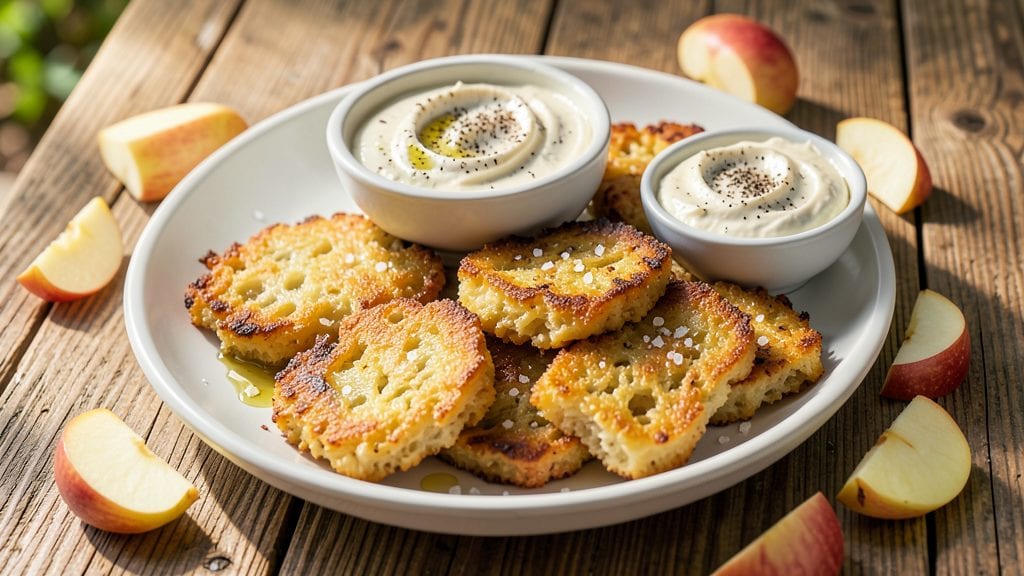
Ina Garten’s potato latkes recipe delivers the perfect balance of golden crispy edges and fluffy, tender hearts—just like her signature style. 💛 The secret lies in her precise technique of double-grating potatoes and maintaining even thickness for consistent frying. I’ve adapted her method to ensure foolproof results every time, whether you’re serving them as a classic Hanukkah side or a comforting weeknight dish.
What sets these latkes apart is the careful ratio of grated potatoes to egg and flour, which creates that signature texture without being too dense. Ina Garten’s approach emphasizes patience—letting the batter rest before frying ensures the best structure, while using a high smoke-point oil guarantees that crispy exterior.
The result is a latke that’s impossible to resist, with a satisfying crunch that gives way to a warm, fluffy interior.
Serve these latkes with traditional toppings like unsweetened applesauce or a dollop of sour cream to enhance their flavor and presentation. The golden-brown edges will have everyone reaching for seconds, while the fluffy centers make each bite worth savoring.
This recipe is designed to impress, whether you’re hosting a gathering or simply craving a taste of comfort food.
Ready to master the art of latke-making? Let’s get started with Ina Garten’s proven method, step by step.
Ingredients for ina garten potato latkes
Russet potatoes, eggs, and flour create Ina Garten's signature latkes with perfect crispy edges and fluffy centers.
| Ingredient | Amount | Notes |
|---|---|---|
| Russet Potatoes 🥔 | 2 ½ lb | Freshly grated, skin removed |
| Large Eggs 🥚 | 2 whole | Room temperature for best binding |
| All-Purpose Flour 🌾 | ½ cup | Sifted for light texture |
| Diamond Crystal Kosher Salt 🧂 | 1 tsp | Fine grain preferred |
| Freshly Ground Black Pepper 🌶️ | ½ tsp | Cracked peppercorns preferred |
| Vegetable Oil 🫒 | 2 cups | High smoke point, 350°F |
| Unsalted Butter 🧈 | ¼ cup | Melted for brushing |
| Shallots 🧅 | 1 whole | Finely minced, optional garnish |
| Fresh Dill 🌿 | 2 tbsp | Chopped, for garnish |
| Sour Cream 🥛 | ½ cup | Full-fat for serving |
| Unsweetened Applesauce 🍎 | ½ cup | Room temperature for serving |
| Lemon Wedges 🍋 | 2 whole | For serving |
The foundation of these latkes lies in the russet potatoes—their high starch content yields that signature fluffy interior. Opt for freshly grated potatoes (never pre-grated from bags) to avoid excess moisture. Whole Foods or local farmers' markets often carry the ideal russets, identifiable by their smooth, blemish-free skin and firm texture. Grate them twice for an ultra-fine consistency, then squeeze out excess moisture using a clean kitchen towel. For the egg component, room-temperature eggs bind the batter more effectively, preventing dense latkes. Kirkland Signature eggs are a reliable choice, but any high-quality, fresh eggs will suffice. The flour should be sifted to eliminate lumps, ensuring a light, airy texture.
No shallots on hand? Substitute with finely minced red onion at the same quantity, though shallots provide a more delicate sweetness. Fresh dill is ideal for garnish, but dried dill at one-third the amount works in a pinch. For the oil, high smoke-point vegetable oil is essential—Avocado oil or refined peanut oil both work exceptionally well. The butter used for brushing should be unsalted to avoid overpowering the delicate flavors. When frying, maintain a consistent 350°F temperature for even cooking. If your applesauce isn't unsweetened, balance it with a touch of honey or maple syrup to complement the latkes' savory notes.
Latkes can be prepped ahead but should be fried fresh for optimal texture. Store the batter in an airtight container in the refrigerator for up to 24 hours. For longer storage, freeze the batter in portions, thawing overnight in the fridge before frying. Once cooked, latkes reheat beautifully in a 350°F oven for 10-15 minutes to restore crispiness. Serve immediately with the prepared toppings—sour cream and applesauce should be at room temperature to enhance their creamy texture. These latkes hold well for 3-4 days in the refrigerator, though their crispiness diminishes slightly over time.
Why You'll Love This Recipe
- Crispy in Minutes: I swear, these latkes hit golden perfection faster than you can say "Hanukkah." Just grate those Russets, squeeze out the moisture, and fry—no waiting for dough to rise or batter to rest.
- Saltier Than You Think: That kosher salt isn’t just seasoning—it’s the secret to a bold, savory punch. Between us, I double the pepper too, and honestly? Every bite feels like a warm hug.
- Leftover Magic: Fry up a big batch and freeze them—no reheating hassle. Toss straight from frozen into the oven (425°F for 15 mins) and they’re just as crispy. My go-to for lazy breakfasts or late-night snacks.
- Pantry Staple Power: Four ingredients? This is my "I forgot to grocery shop" meal. Russets keep forever, eggs are cheap, and flour? Always on hand. Budget-friendly doesn’t mean boring—these are dangerously addictive.
Step-by-step instructions for Ina Garten potato latkes
Master the art of latkes with this foolproof method for perfectly golden, crispy edges and tender interiors.
👨🍳 Step 1: Grate and Squeeze the Potatoes
Peel the 2.5 lb russet potatoes and grate them using the large holes of a box grater. I like to work in batches to keep the potatoes from turning brown while you work. As you grate each batch, immediately transfer it to a clean kitchen towel or cheesecloth.
Gather the towel edges and wring out all the excess moisture—this is critical for crispy latkes. You want the potato mixture to be as dry as possible without pressing out all the starch. The starch is what creates that beautiful golden crust when fried. Work in small batches to avoid over-squeezing, which can make the latkes dense.
👨🍳 Step 2: Mix the Batter
In a large bowl, combine the freshly grated potatoes with the 2 whole room-temperature eggs, 0.5 cup sifted all-purpose flour, 1 tsp diamond crystal kosher salt, and 0.5 tsp freshly ground black pepper. Using your hands, gently mix everything together until just combined—you'll still see some dry spots, and that's perfect.
Overmixing develops gluten and makes the latkes tough. The mixture should hold together when pressed but still feel slightly crumbly. I like to give it a quick taste at this point to adjust seasoning—latkes should be seasoned like a good potato dish, with salt and pepper balanced but not overpowering.
🔥 Step 3: Heat the Oil and Fry in Batches
Pour the 2 cups vegetable oil into a deep skillet or Dutch oven and heat over medium heat until it reaches 350°F—use a thermometer for accuracy. The oil should be hot enough to sizzle when a small piece of potato mixture is dropped in, but not smoking. Portion the batter into 3-tablespoon-sized balls (about the size of a golf ball) and carefully slide them into the hot oil.
Fry in batches of 4-5 latkes at a time, being careful not to overcrowd the pan. This ensures even cooking and prevents the oil temperature from dropping too much. Cook for 3-4 minutes per side until golden brown with crispy edges. They're ready when the underside is deeply browned and the edges pull away cleanly from the pan. Use a slotted spoon to transfer them to a paper towel-lined plate to drain excess oil.
🔪 Step 4: Keep Warm and Repeat
Place the cooked latkes on a wire rack set over a baking sheet to keep them warm while you fry the remaining batches. Maintaining the oil temperature at 350°F is key—if it drops below 325°F, the latkes will absorb too much oil and become greasy. If needed, add a few tablespoons of fresh oil to maintain the proper temperature.
Continue frying all the batter in batches, keeping the finished latkes warm in the rack. The secret to success here is patience—rushing the process will result in unevenly cooked latkes. Each batch should reach the same golden-brown color and crispy texture for consistent results.
🥘 Step 5: Serve with Classic Toppings
While the latkes are still warm, brush the tops with the 0.25 cup melted unsalted butter. This adds richness and helps create a beautiful sheen. Garnish with the finely minced 1 whole shallot and 2 tbsp chopped fresh dill for a touch of freshness and color.
Serve immediately with the 0.5 cup full-fat sour cream and 0.5 cup room-temperature unsweetened applesauce on the side. The contrast of creamy sour cream and sweet applesauce with the crispy, savory latkes is what makes this dish truly special. Don't forget to include the 2 lemon wedges for a bright, tangy finish that cuts through the richness.
Pro Tips For Making Ina Garten Potato Latkes
- GRATE DRY, THEN REST: The grated potatoes will release water like a sad sponge if you don’t squeeze it out first. Use a clean kitchen towel or cheesecloth, wrap the grated potatoes, and press hard—no need to go fancy, just wring out as much liquid as possible. Then let the mix sit for 10 minutes before cooking; this makes all the difference in crispiness.
- USE COLD EGGS: Warm eggs bind differently and can make your batter gummy. Crack them straight from the fridge into a bowl first, then mix with the grated potatoes and flour. Cold eggs create a tighter batter that holds together better when frying—no one wants a latke falling apart mid-bite.
- SALT THE POTATOES BEFORE GRATING: Toss the peeled potatoes with 1 teaspoon of kosher salt before grating—yes, even before they hit the grater. This draws out extra starch and moisture, which means your latkes will crisp up faster and stay crisp longer. Skip this, and you’re fighting soggy centers.
- TEST OIL TEMPERATURE: Your oil should be hot enough to sizzle but not smoke like a bonfire. Drop a tiny piece of potato in—if it sizzles and floats up immediately, you’re golden. Too cool? The latkes will absorb oil and turn greasy. Too hot? They’ll burn before cooking through. Aim for a steady medium-high heat.
Creative variations of this ina garten potato latkes
Sweet Potato Twist
Swap russet potatoes for 2.5 lb sweet potatoes—peeled and grated—to create vibrant orange latkes with natural sweetness. Add 1 tsp cinnamon and ½ tsp nutmeg to the batter for warmth. Serve with maple syrup instead of applesauce for a perfect sweet-savory balance. 🍠
Spicy Cajun Kick
Boost flavor by mixing 1 tbsp Cajun seasoning (like Tony Chachere’s) into the batter. Top with sliced green onions and a dollop of spicy mayo (mix mayo with ½ tsp hot sauce). This version pairs perfectly with a cold beer or tangy remoulade. 🌶️
Cheesy Jalapeño Fusion
Add ½ cup shredded sharp cheddar and 2 diced jalapeños to the batter for a Tex-Mex twist. Fry until golden and serve with sour cream mixed with lime zest and crushed tortilla chips for crunch. The heat and cheese create an addictive combo. 🧀
Herb-Infused Variations
For a rosemary-garlic version, mix 1 tbsp finely chopped rosemary and 1 minced garlic clove into the batter. Garnish with extra herbs and a sprinkle of flaky sea salt. A lemon-dill twist uses 1 tbsp lemon zest and 1 tbsp chopped dill for a bright, fresh finish. 🌿
Gluten-Free Adaptation
Replace the all-purpose flour with ½ cup gluten-free flour blend (like Bob’s Red Mill 1:1) for a crispy, bind-friendly texture. Ensure your oil is 375°F—slightly hotter—to compensate for the different binding properties. The result is just as crispy and satisfying. 💪
Make-Ahead Freezer Hack
Freeze cooked latkes on a tray before transferring to a bag for up to 1 month. Reheat in a 375°F oven for 10-12 minutes until crispy again. This works for all variations—perfect for meal prep or holiday gatherings. Just thaw for 10 minutes before reheating. ❄️
Nutrition facts
Frequently asked questions
Why do Ina Garten's latkes turn out crispier than others?
Ina's secret lies in double-grating the potatoes and squeezing out all excess moisture before frying. The starch from the potatoes creates that signature golden crust when fried in 350°F oil. She also emphasizes maintaining consistent oil temperature and frying in small batches to prevent soggy centers.
Can I make these latkes ahead of time?
You can prep the batter up to 24 hours ahead and store it in an airtight container in the fridge. For best results, fry them fresh. If you've already cooked the latkes, store them in the freezer for up to 1 month—just reheat in a 375°F oven for 10-12 minutes to restore crispiness.
What's the best oil for frying latkes?
Use a high smoke-point oil like vegetable, avocado, or refined peanut oil to maintain 350°F without burning. Avoid olive oil—its low smoke point can make the latkes taste bitter. The oil should sizzle when the batter touches it but not smoke excessively.
How do I fix latkes that came out greasy?
Greasy latkes usually mean the oil wasn't hot enough (below 325°F). For future attempts, use a thermometer and maintain 350°F by frying in smaller batches. If you've already fried them, try reheating in a 375°F oven for 5 minutes to crisp up the exterior.
Can I use sweet potatoes instead of russets?
Swap russets for 2.5 lb sweet potatoes and add 1 tsp cinnamon and ½ tsp nutmeg to the batter. Serve with maple syrup instead of applesauce for a sweet-savory twist. The texture will be slightly denser but still delicious.