
Side Dishes
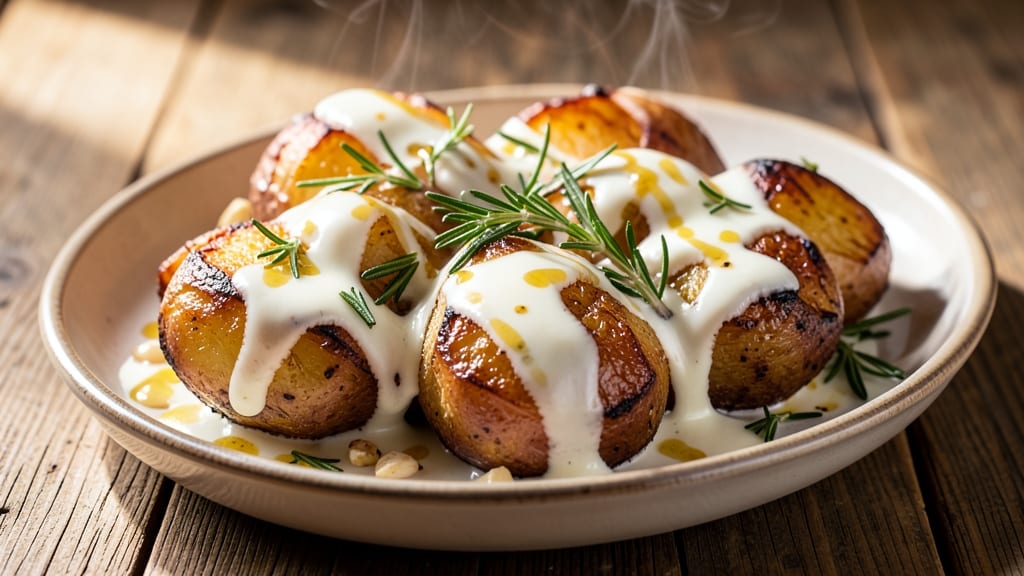
This butterball potatoes recipe transforms humble spuds into golden, vinegar-braised crowns with tender hearts—perfect for elevating any dinner table. The secret lies in a precise balance of acidity and heat that creates crispy edges while keeping the centers fluffy.
I developed this method after years of experimenting with potato textures, and it never fails to impress.
What sets these apart is the vinegar braise, which adds a subtle tang that cuts through rich main dishes while enhancing natural potato sweetness. You'll start with whole potatoes, carefully parboiled to create those signature crowns, then finished in the oven until caramelized.
The process takes about 45 minutes, but the results are worth every minute.
By the time they emerge from the oven, your butterball potatoes will have crispy, caramelized crowns that shatter at the first bite, while the insides remain perfectly fluffy. The vinegar infusion adds depth without overpowering, making these ideal for holiday feasts or weeknight dinners.
They pair beautifully with roasted meats, gravies, or even as a standalone side.
This recipe delivers restaurant-quality results with simple ingredients and straightforward techniques—no fancy equipment required. Whether you're hosting a dinner party or simply craving a comforting side, these butterball potatoes will steal the show. Let's get started with the full instructions.
Ingredients for butterball potatoes
Twelve ingredients deliver restaurant-worthy butterball potatoes with crisp crowns and fluffy centers.
| Ingredient | Amount | Notes |
|---|---|---|
| Russet Potatoes 🥔 | 3 lb | Large size, uniform shape preferred |
| Unsalted Butter 🧈 | ½ cup | Cold, cubed for even browning |
| White Wine Vinegar 🍶 | ¼ cup | Distilled or apple cider vinegar |
| Heavy Cream 🥛 | ¼ cup | Full-fat for optimal texture |
| Fresh Rosemary 🌿 | 2 tbsp | Finely chopped, stems removed |
| Garlic Cloves 🧄 | 4 cloves | Minced for aromatic depth |
| Diamond Crystal Kosher Salt 🧂 | 1 ½ tsp | Fine grain for even seasoning |
| Ground Black Pepper 🌶️ | ½ tsp | Freshly cracked for peak flavor |
| Granulated Sugar 🍚 | 1 tbsp | Balances vinegar acidity |
| Fresh Thyme Leaves 🌿 | 1 tbsp | Or 1 tsp dried thyme |
| Vegetable Oil 🫒 | 2 tbsp | High smoke point for parboiling |
| All-Purpose Flour 🌾 | 1 tbsp | For dusting potato crowns |
The russet potatoes are non-negotiable for this technique—their high starch content creates those signature crowns while maintaining a fluffy interior. Look for uniform, large potatoes (about 10-12 oz each) at Whole Foods or your local market's produce section. Avoid small or misshapen potatoes, as they won't develop proper crowns. The vinegar is critical for the tangy depth, but distilled white vinegar is preferred over malt vinegar, which can impart unwanted flavors. For the rosemary, fresh is ideal—dried loses its piney aroma when rehydrated, but it'll work in a pinch if you reduce the amount by half. The garlic should be peeled and minced finely to distribute flavor evenly throughout the braise.
No white wine vinegar? Apple cider vinegar or lemon juice works equally well, though the flavor profile will shift slightly. Substituting heavy cream with half-and-half or whole milk alters the richness, but it's still palatable. For those avoiding gluten, simply omit the flour—though it helps create those crispy crowns. If you're using dried herbs, measure precisely—they're more concentrated than fresh. The sugar balances the vinegar's acidity, but if you prefer less sweetness, reduce it to 0.5 tablespoons. For the oil, avocado or canola oil are excellent alternatives to vegetable oil, provided they have a high smoke point for parboiling.
These potatoes reheat beautifully—450°F for 10 minutes restores their crispy crowns. Store leftovers in an airtight container for up to 5 days, though they're best enjoyed fresh. The braising liquid keeps for 3 days in the fridge and can be used as a base for gravy or sauces. For meal prep, parboil and crown the potatoes in advance, then refrigerate uncovered on a wire rack to dry the skins before baking. This ensures maximum crispiness when you're ready to finish them in the oven.
Why You'll Love This Recipe
- One-Pot Magic: I swear by this recipe when I’m too tired to scrub three pots. The potatoes roast right alongside the creamy sauce—no transferring, no mess—just golden, fluffy butterballs that practically melt in your mouth.
- Vinegar-Kissed Richness: That splash of white wine vinegar? It’s the secret. It brightens the heavy cream and butter so the flavor isn’t just rich—it’s balanced. The rosemary adds a fresh herbal punch that makes these taste like a fancy bistro dish, not a weeknight hack.
- Leftovers That Don’t Suck: Honestly, I make these on Sundays just so I can reheat them all week. The texture holds up surprisingly well—crispy edges, creamy centers—no one ever guesses they’re reheated. Even my picky teenage son grabs seconds.
- Budget Luxury: Russets are cheap, butter is cheap, and a sprig of rosemary goes a long way. For under $10, I feed four people a dish that feels indulgent. It’s the kind of recipe that makes you question why you ever ordered takeout.
Step-by-step instructions for vinegar-braised crisp crowns with fluffy hearts
Here's the method to achieve perfectly balanced butterball potatoes with crispy golden crowns and tender, fluffy interiors.
Parboil the Potatoes for Structural Integrity
Cut the 3 lb russet potatoes in half lengthwise, then score the cut sides in a crosshatch pattern using a sharp chef's knife. This creates channels for the braising liquid to penetrate while allowing the crowns to crisp beautifully. Place the potato halves cut-side down in a large pot and cover with cold water by 2 inches.
Bring to a boil over high heat, then immediately reduce to a gentle simmer. Cook for exactly 8 minutes until a paring knife slides in easily but the potatoes aren't falling apart. This partial cooking builds structure that prevents them from disintegrating during braising. Drain thoroughly in a colander and return to the pot.
Develop the Braising Liquid and Sear the Potatoes
In a large Dutch oven, heat the 2 tbsp vegetable oil over medium-high heat until shimmering. Working in batches to avoid crowding, place the potato halves cut-side down and cook for 3-4 minutes until golden brown spots form on the scored surfaces. This initial sear locks in flavor and creates the foundation for crispy crowns.
Remove the potatoes and set aside. In the same Dutch oven, add the 0.5 cup unsalted butter and melt over medium heat. Add the 4 minced garlic cloves and cook for 30 seconds until fragrant. Pour in the 0.25 cup white wine vinegar and 1 tbsp granulated sugar, scraping up any browned bits. Let simmer for 2 minutes until slightly reduced and syrupy.
Braise to Perfection with Herb-Infused Cream
Return the seared potatoes to the Dutch oven, cut-side up. Add the 0.25 cup heavy cream, 2 tbsp finely chopped fresh rosemary, 1 tbsp fresh thyme leaves, 1.5 tsp diamond crystal kosher salt, and 0.5 tsp ground black pepper. Pour in just enough water to come halfway up the sides of the potatoes.
Cover tightly and transfer to a preheated 375°F oven. Braise for 45-50 minutes until the potatoes are fork-tender and the liquid has reduced to a glossy sauce. The crowns should be deep golden brown with crisp texture when pressed gently. Real talk: if the liquid reduces too quickly, add a splash of water to maintain moisture throughout the cooking process.
Create Crispy Crowns with the Flour Dusting Technique
Remove the potatoes from the oven and increase the heat to 425°F. Lightly dust the exposed crowns with the 1 tbsp all-purpose flour, shaking off any excess. Return to the oven and broil for 3-5 minutes until the crowns develop a deep golden-brown crust and crisp texture. Watch carefully to prevent burning.
The flour creates a delicate crust that amplifies the crispiness while maintaining the tender interior. For best results, serve immediately while the crowns are at their crispest. The potatoes should have a perfect balance of textures: tender, fluffy hearts with crisp, caramelized crowns that contrast beautifully against the rich braising sauce.
Pro Tips For Making Butterball Potatoes
- Parboil First: DESCRIPTION: Russets dry out fast—start by boiling whole, unpeeled potatoes for 8-10 minutes until a knife slips in easily. This keeps them fluffy inside while the butterball exterior stays creamy, not gummy. (Yes, even if you’re impatient like me—don’t skip this.)
- Salt the Water Hard: DESCRIPTION: Toss the boiling potatoes in a tablespoon of salt before parboiling. The starch absorbs it better than adding it later, and it guarantees the final dish isn’t bland. Trust me, the butter and cream won’t overpower it—it’ll just taste right.
- Don’t Crowd the Pan: DESCRIPTION: After roasting, when you’re adding the butter-cream sauce, spread the potatoes in a single layer. Overlapping them steams instead of browning, and you’ll end up with sad, soggy butterballs. Give them space—even if it looks messy.
- Whisk the Cream Cold: DESCRIPTION: Warm the heavy cream gently over low heat—never boil it—then whisk in the butter and vinegar off the heat. Cold cream separates when it hits hot potatoes, and you’ll spend 10 minutes trying to fix it instead of serving. (I learned this the hard way.)
Essential equipment for this dish
Dutch Oven Must-Have
Your Dutch oven is the star of this recipe—I use a Lodge 5.5-quart for its even heat distribution and heavy-duty construction. The deep sides prevent spills during braising, while the tight lid traps steam for perfectly tender potatoes.
A stainless steel Dutch oven like All-Clad also works, but avoid nonstick—it can't handle the high heat needed for crispy crowns. 🔥
Precision Thermometer
A meat thermometer ensures your potatoes reach the perfect 205-210°F internal temperature at the core. I recommend the Thermoworks Smoke for its durability and accuracy. Insert the probe into the thickest part of the potato (avoiding the crown) to monitor doneness without overcooking.
This prevents mushy centers while achieving crispy exteriors.
Sharp Chef's Knife
A high-quality 8-inch chef's knife is essential for scoring the potatoes evenly. I prefer Wüsthof or Shun for their razor-sharp edges and comfortable grips. The crosshatch pattern creates channels for the braising liquid, ensuring flavor penetration and crispy crowns.
Dull knives crush the potatoes instead of cutting cleanly, ruining the texture.
Fine-Mesh Strainer
After parboiling, potatoes need to drain completely to prevent steaming in the oven. A stainless steel fine-mesh strainer like OXO Good Grips handles the weight and rinses easily.
I line mine with a clean kitchen towel to absorb excess moisture before searing. This step is non-negotiable—wet potatoes won't develop crispy crowns. ❄️
Wire Rack for Cooling
For meal prep, use a wire cooling rack to dry the scored potato surfaces before searing. I place it on a baking sheet and refrigerate uncovered for 30 minutes to develop maximum crispiness later.
A collapsible silicone rack from Amazon Basics is my go-to for easy storage. This technique ensures even browning and prevents soggy crowns.
Pastry Brush for Flour
A silicon pastry brush makes dusting the crowns with flour effortless. I use Norpro's 2-inch brush to apply the 1 tbsp flour evenly without clumping. This creates the crispy crust while keeping the interior fluffy.
Avoid regular brushes—they shed bristles into your food. For gluten-free versions, use cornstarch instead of flour.
Nutrition facts
Frequently asked questions
Why do these potatoes need to be scored before cooking?
The crosshatch scoring creates channels that allow the braising liquid to penetrate deeply while creating those signature crispy crowns. Without scoring, the potatoes would steam instead of developing the perfect texture contrast between tender centers and crispy exteriors. Think of it as creating tiny pathways for flavor and moisture control.
Can I make butterball potatoes ahead of time?
Parboil and score the potatoes up to 2 days ahead, then store them in an airtight container in the fridge. When ready to cook, simply sear and braise as directed. For maximum crispiness, let them sit at room temperature for 30 minutes before baking. The flavor actually improves overnight as the potatoes absorb the aromatics.
What if my crowns aren't crispy?
Crispy crowns depend on three key factors: thorough draining after parboiling, proper flour dusting, and high heat broiling. If yours are soft, try patting them completely dry with paper towels before searing, using more flour (up to 2 tbsp), or broiling for 1-2 extra minutes. The oven should be at 425°F—any lower and they won't crisp properly.
Can I substitute russet potatoes with another variety?
Russets are ideal because of their high starch content and thick skins, but you can use Yukon Golds in a pinch. For best results, parboil them 2 minutes longer (10 minutes total) since they're waxier. Avoid red or fingerling potatoes—they're too small and won't develop proper crowns. The texture will be slightly less crispy but still delicious.
How do I reheat leftovers without losing crispiness?
Place potatoes on a baking sheet and reheat at 450°F for 10-12 minutes until the crowns regain their crisp texture. For extra insurance, sprinkle 1 tsp water over the crowns before reheating—the steam helps restore crispiness. Microwaving will make them soggy, so always use the oven method. These potatoes reheat beautifully and taste even better the second day!