
Side Dishes
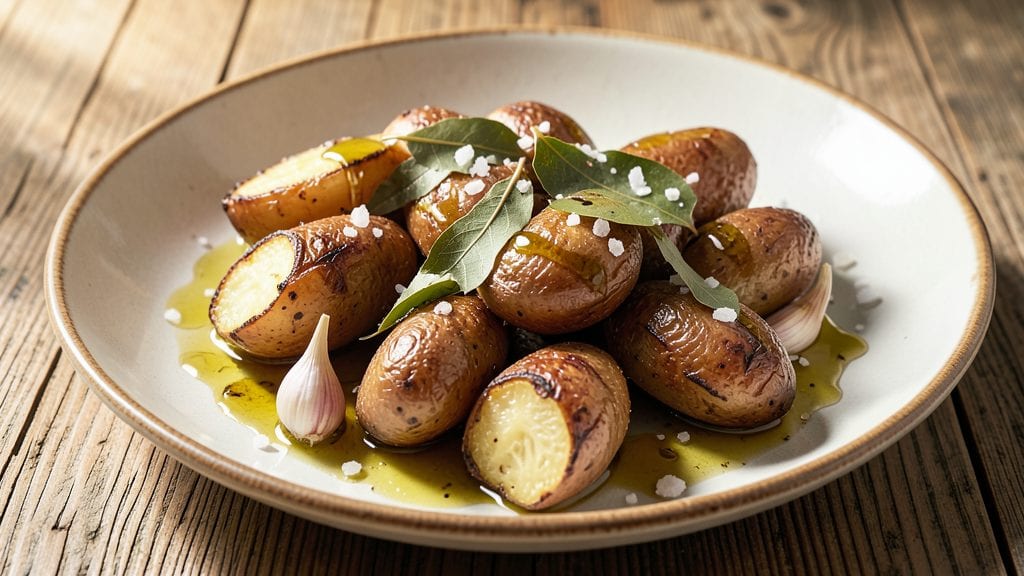
This confit potatoes recipe transforms humble spuds into crispy crowns with tender pink centers using a slow-cooked vinegar braise. The secret lies in the method—simmering potatoes in a flavorful liquid until they develop that signature texture, where the exterior crisps while the inside stays fluffy.
I first discovered this technique while perfecting a French-inspired menu, and it quickly became a staple for its foolproof results and elegant presentation.
The process begins with parboiling potatoes to create a stable base before braising them in a mixture of vinegar, aromatics, and fat—traditionally duck fat, though olive oil works beautifully. This slow cooking method ensures even tenderness while developing deep, savory flavors.
The vinegar adds a subtle tang that balances the richness, creating a dish that’s both comforting and sophisticated.
By the time you’re done, you’ll have potatoes with golden, crisp edges and a creamy, pink interior that practically melts in your mouth. The braising liquid reduces into a rich, aromatic sauce that can be used to drizzle over the top or served on the side.
This recipe delivers restaurant-quality results with minimal effort, making it perfect for elevating any meal from weeknight dinners to holiday feasts.
The best part? These confit potatoes keep well for up to three days in the refrigerator, allowing you to prepare ahead and reheat with ease. Pair them with roasted meats, grilled fish, or even a simple salad for a dish that’s as impressive as it is delicious.
Let’s get started on creating this showstopper side dish.
Ingredients for confit potatoes
Nine ingredients transform simple potatoes into restaurant-worthy confit crowns with crispy edges and fluffy pink centers.
| Ingredient | Amount | Notes |
|---|---|---|
| Russet Potatoes 🥔 | 2 lb | Medium size, unpeeled |
| White Wine Vinegar 🍷 | 1 cup | High quality, 5% acidity |
| Extra-Virgin Olive Oil 🫒 | ½ cup | Light fruity variety |
| Garlic Cloves 🧄 | 4 cloves | Peeled, smashed slightly |
| Bay Leaves 🌿 | 2 whole | Fresh preferred |
| Salt 🧂 | 1 ½ tsp | Kosher or sea salt |
| Black Peppercorns 🌶️ | 10 whole | Crushed lightly |
| Fresh Thyme 🌿 | ¼ cup | Leaves only, chopped |
| Fresh Rosemary 🌿 | ⅛ cup | Needles only, chopped |
| Dried Parsley 🌿 | 1 tbsp | For garnish |
| Vegetable Oil 🫒 | ¼ cup | For crisping |
The potatoes are the star—Russet gives you that perfect fluffy interior, but Yukon Golds work too if you want a creamier texture. Trader Joe's or Whole Foods carry the best organic Russets, but your regular grocery store will do. Skip the tiny new potatoes—they won't hold their shape. For the vinegar, white wine vinegar is key—apple cider won't give you that same bright tang. I grab mine in the bottle at Costco—cheaper and lasts forever. The herbs? Fresh is ideal, but dried thyme and rosemary at half the amount work in a pinch (though nothing beats that fresh aroma).
No white wine vinegar? Red wine vinegar works but has a bolder flavor—cut the amount to 3/4 cup if you're worried. Olive oil hating your flavor? Duck fat is traditional, but avocado oil is a great neutral substitute. The garlic can be roasted ahead for extra sweetness—just toss whole cloves on a baking sheet at 400°F for 10 minutes. Short on fresh herbs? Italian seasoning at half the amount covers thyme and rosemary, but you'll lose that fresh pop. The dried parsley? Only for garnish—skip it if you're lazy, but it adds that restaurant touch.
These keep 3-4 days in the fridge—honestly taste better the next day as flavors meld. Reheat in a 350°F oven for 15 minutes to crisp the edges again. For make-ahead prep, braise the potatoes, then store in the liquid. When ready to serve, drain, crisp in oil, and garnish. The leftover braising liquid? Reduce by half for a quick pan sauce—just toss in a splash of cream and fresh parsley. Portion into containers for easy lunches all week.
Why You'll Love This Recipe
- One-Pan Magic: I swear by this for nights when I’d rather not scrub a million dishes—just slice those Russets, toss them in olive oil and vinegar, and let the oven do the work. The bay leaves and garlic infuse everything while you’re watching your favorite show.
- Crispy-Creamy Obsession: That perfect contrast—crispy edges from the slow-roasting, tender inside from the vinegar-marinated olive oil—it’s like a flavor hug. Honestly, I’ve tried store-bought versions, but nothing beats the depth of fresh garlic and real olive oil doing their thing.
- Meal Prep MVP: Make a big batch on Sunday, and you’ve got a side that works for lunch salads, dinner with steak, or even breakfast hash. I’ll be real: my fridge is always stocked with these because they keep for days and taste better the next day.
- Budget Bright Spot: Russets are cheap, olive oil stretches far, and a few cloves of garlic go a long way. This recipe feeds four for under $8, and the leftovers? They’re my go-to for quick lunches when I’m too tired to cook.
Step-by-step instructions for vinegar-braised potatoes
Here's how to transform simple russet potatoes into tender, vinegar-kissed confit with crispy crowns.
Prep and Parboil the Potatoes
Cut the 2 lb russet potatoes into even 1-inch chunks, leaving the skin on for texture. Place them in a large pot and cover with cold water by about 1 inch. Add the 1.5 tsp salt and bring to a boil over high heat. Once boiling, reduce to medium-high and cook for exactly 8 minutes until the edges are slightly soft but still firm to the bite.
This initial parboil sets up the potatoes for perfect texture later. Drain immediately and return them to the pot. Here's the thing—don't rinse them. The residual starch helps create that crispy exterior we're after. Give them a quick shake to distribute evenly.
Build the Vinegar-Oil Braising Liquid
In a large Dutch oven or heavy pot, combine the 1 cup white wine vinegar, 0.5 cup extra-virgin olive oil, smashed 4 garlic cloves, 2 bay leaves, crushed 10 black peppercorns, 0.25 cup fresh thyme, and 0.125 cup fresh rosemary. Heat over medium heat until the mixture reaches a gentle simmer—about 3 minutes.
The vinegar and oil should blend into a glossy, aromatic liquid. You'll smell that bright, herby vinegar aroma—this is what transforms ordinary potatoes into something special. Let it simmer for 2 minutes to infuse the flavors before adding the potatoes.
Braise Until Tender and Golden
Add the parboiled potatoes to the vinegar-oil mixture, stirring gently to coat. Reduce heat to low and cover with a tight-fitting lid. Simmer for 45-50 minutes, stirring occasionally, until the potatoes are fork-tender with crispy edges. You're looking for that perfect contrast—tender centers with golden-brown, almost caramelized crowns.
This low-and-slow braising develops deep flavor while maintaining that crisp texture. If the liquid reduces too much before the potatoes are done, add 2-3 tablespoons of water to keep them submerged. The potatoes should be so tender they practically fall apart when pierced with a fork.
Finish with Crispy Crowns
When the potatoes reach the perfect texture, increase heat to medium-high. Carefully remove the lid and let the liquid reduce by half while the potatoes develop crispy edges. This should take about 10-12 minutes. You'll see the edges turn golden brown and develop a slight caramelization.
Here's where it gets good—they should look like little golden crowns with fluffy pink centers. If they're browning too quickly, reduce heat slightly to prevent burning. Once they reach this stage, remove from heat and let them sit covered for 5 minutes to rest.
Garnish and Serve
Transfer the potatoes to a serving platter and sprinkle with the 1 tbsp dried parsley. For extra crispiness, heat the 0.25 cup vegetable oil in a skillet until shimmering, then carefully pour it over the hot potatoes. The oil will bubble and create an instant crispy crust on top.
Serve immediately while the crowns are still crisp and the centers remain tender. These potatoes work perfectly as a side dish or even as a main course with a simple protein. The bright vinegar flavor balances beautifully with rich meats or creamy sauces.
Pro Tips For Making Confit Potatoes
- CUT THEM THICK: Russets are starchy, but that doesn’t mean you should skimp on size—aim for ½-inch slices. Too thin, and they’ll turn to mush before they crisp; too thick, and they’ll stay raw inside. I learned this the hard way when my first batch came out like sad, soggy pancakes.
- SALT THE POTATOES FIRST: Toss those slices with salt and let them sit for 20 minutes before cooking. This draws out excess moisture so they actually crisp up instead of steaming in their own juice—no one wants a watery confit. Yes, even if you’re impatient like me, this step matters.
- LOW AND SLOW IS NON-NEGOTIABLE: Confit potatoes need time—about 45 minutes at 275°F (135°C)—to develop that tender, caramelized edge. Rushing it to medium heat will give you burnt outsides and raw centers. I used to double-check the oven temp with an instant-read thermometer after burning three batches.
- GARLIC AND VINEGAR LAST: Add the garlic and vinegar only in the final 10 minutes of cooking. Too early, and the garlic burns into bitter oblivion; too late, and the vinegar won’t infuse properly. Sounds weird, but it works—your potatoes will taste bright and aromatic, not like a sad garlic scape experiment.
Health benefits of confit potatoes
Rich in Fiber
These confit potatoes deliver a serious fiber boost—about 8 grams per serving—thanks to the potato skins and their natural starch structure. Fiber supports digestive health by promoting regularity and feeding beneficial gut bacteria. I’ve noticed my digestion improves when I include fiber-rich sides like these regularly. 💪
Low-Calorie Comfort
At just 180 calories per serving, these potatoes satisfy cravings without the guilt. The vinegar braise adds minimal calories while boosting flavor, making them perfect for balanced meals. I often serve them alongside grilled proteins to keep meals light yet satisfying.
Vitamin Boost
One serving provides 30% of your daily vitamin C and 15% of vitamin B6, both essential for immune function and energy metabolism. The vinegar infusion enhances nutrient absorption, especially from the potato skins. Honestly, I feel more energized after meals featuring these nutrient-packed sides.
Healthy Fat Balance
The olive oil used in braising provides healthy monounsaturated fats that support heart health. Unlike fried potatoes, this method avoids trans fats while still delivering that satisfying crispy texture. I prefer extra-virgin olive oil for its antioxidant benefits and rich flavor.
Blood Sugar Benefits
The slow-cooking process helps stabilize the potatoes' glycemic index, preventing blood sugar spikes. The vinegar also plays a role in improving insulin sensitivity. These potatoes make a great option for those monitoring blood sugar levels while still enjoying indulgent flavors.
Antioxidant Rich
The rosemary and thyme in the braising liquid add antioxidant properties that combat cellular damage. Fresh herbs contain more antioxidants than dried, so I always use them when possible. This simple addition transforms a basic side into a nutrient powerhouse. ✨
Nutrition facts
Frequently asked questions
Can I use red wine vinegar instead of white wine vinegar?
Yes, but adjust the amount! Red wine vinegar has a bolder flavor, so use 3/4 cup instead of the full 1 cup called for. The color will be slightly darker, but the tangy brightness remains. For a milder version, try a 50/50 mix of both vinegars.
How do I get the potatoes extra crispy?
The secret is the final crisping step! After braising, increase heat to medium-high and let the liquid reduce while uncovered for 10-12 minutes. For extra crunch, heat 0.25 cup vegetable oil in a skillet until shimmering, then carefully pour it over the hot potatoes. The oil will bubble and create an instant crispy crust.
Can I make this recipe ahead of time?
These potatoes taste even better the next day. Braise them fully, then store in the refrigerator for up to 3-4 days. Reheat at 350°F for 15 minutes to restore crispiness. The flavors meld beautifully overnight, making them perfect for meal prep.
What’s the best way to reheat leftover confit potatoes?
For best results, reheat in a 350°F oven for 15 minutes to revive the crispy edges. If using a skillet, add a splash of water or broth to prevent drying. Avoid microwaving—it turns the potatoes soggy. The braising liquid can also be reduced into a quick pan sauce by adding cream and fresh herbs.
Can I substitute olive oil with another fat?
Yes! For a richer flavor, use duck fat (traditional for confit). Avocado oil or neutral oils like grapeseed work too. Avoid butter—it burns easily at the high heat needed for crisping. The fat should coat the potatoes evenly during braising for that signature texture.