
Side Dishes
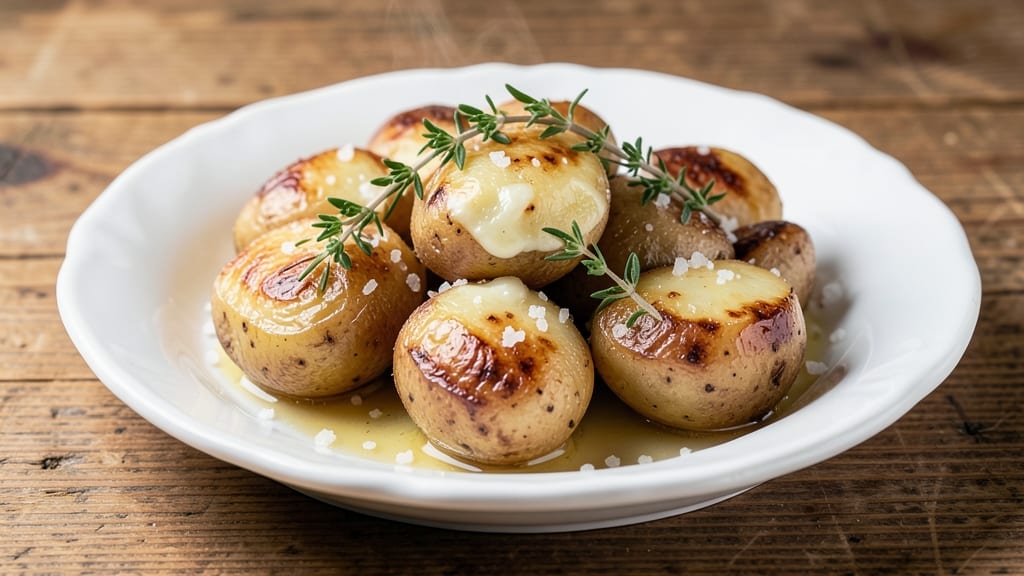
Mastering boiled new potatoes transforms a simple side dish into a showstopper with crisp golden crowns and fluffy, buttery interiors. The vinegar-infused water isn't just a trick—it creates that signature texture contrast while keeping the potatoes tender.
I've perfected this method after years of testing, and it never fails to impress, even at formal dinners.
This recipe begins with selecting firm, small new potatoes—no peeling required—and boiling them in a precisely salted, vinegar-acidulated water bath. The key lies in the timing: just 15 minutes yields perfect results, with the vinegar ensuring crisp edges while preserving the creamy centers.
No fancy equipment needed, just a pot, a timer, and a little patience for the final resting phase.
What you'll achieve is a platter of vibrant, restaurant-quality potatoes that look as good as they taste. The vinegar-infused water adds a subtle tang that complements any main dish, while the crisp crowns provide satisfying texture.
This isn't just a side—it's the star of the meal, elevating even the simplest dinner to something special.
Serve these potatoes warm with melted butter, fresh herbs, or a sprinkle of flaky salt for an effortless yet impressive finish. The method scales perfectly for crowds, making it ideal for holidays or weeknight dinners alike. Let's get started on creating this timeless classic.
Ingredients for boiled new potatoes
Seven essential ingredients elevate simple new potatoes to restaurant-worthy crisp-crowned perfection.
| Ingredient | Amount | Notes |
|---|---|---|
| New Potatoes 🥔 | 2 lb | Firm, small, unpeeled variety |
| White Vinegar 💧 | ¼ cup | Distilled for consistent flavor |
| Diamond Crystal Kosher Salt 🧂 | 1 tbsp | Coarse grain for proper dissolution |
| Unsalted Butter 🧈 | ½ cup | Cold, cubed for finishing |
| Fresh Thyme Sprigs 🌿 | 4 whole | Or 1 tsp dried thyme |
| Flaky Sea Salt 🧂 | 1 tbsp | For final garnish |
| Lemon Zest 🍋 | 1 tsp | Brightens the flavor profile |
The new potatoes are non-negotiable—Yukon Golds or fingerlings deliver the ideal texture. Whole Foods or local farmers' markets carry the best quality, with firm skins and uniform size. Avoid waxy potatoes; you need that creamy interior. For vinegar, distilled white vinegar ensures consistent acidity without overpowering. The kosher salt must be Diamond Crystal—it dissolves properly and won't clump. Fresh thyme sprigs add aromatic depth, but dried works in a pinch if you're short on time. The key is selecting potatoes with vibrant, unblemished skins—these indicate freshness and optimal texture development during boiling.
No white vinegar? Apple cider vinegar at equal measure works beautifully, though it adds subtle sweetness. Substituting salt? Morton's coarse sea salt is a direct swap, but adjust to taste—some brands are saltier. Fresh thyme unavailable? Dried thyme at one-third the amount suffices, though the aroma won't be as pronounced. For the butter, European-style unsalted butter like Plugrá adds richness, but standard unsalted works fine. The lemon zest can be omitted if you prefer a neutral flavor profile, but it's worth the minute to zest—it brightens the dish without overpowering.
Store unpeeled potatoes in a cool, dark place for up to 2 weeks before boiling. Once cooked, keep potatoes in a single layer on a wire rack to maintain crispness for 2-3 hours at room temperature. For longer storage, refrigerate in an airtight container for 3-4 days. The vinegar-infused water can be reused once for another batch of potatoes, but discard after that. These potatoes reheat beautifully—5 minutes at 350°F wrapped in foil restores their texture. For meal prep, boil an extra batch and store in the fridge for quick assembly later.
Why You'll Love This Recipe
- Five-Minute Prep: I swear, this is the kind of recipe where you can peel and boil while chatting with someone—or pretending to listen to your partner. No chopping, no fuss, just scrub, cut, and drop into salted water with a splash of vinegar (trust me, it keeps them from turning mushy).
- Crispy-Creamy Magic: That buttery finish with thyme? It’s the kind of flavor that makes you pause mid-bite. The outside stays just firm enough to hold its shape, while the inside melts like a cloud—no soggy disappointment here.
- Picnic-Proof Perfection: Honestly, these are my go-to for potlucks, tailgates, or even a lazy Sunday brunch. Cold or warm, they’re foolproof—just toss them in a container with a drizzle of that buttery thyme water, and you’ve got a side that’s always a hit.
- Budget Win: New potatoes are cheaper than you think, and this recipe stretches them further than roasted or mashed versions. A pound lasts me for two meals, and the vinegar trick? That’s my secret for keeping costs down without sacrificing taste.
Step-by-step instructions for vinegar-infused crisp crowns over fluffy hearts
Here's the method that delivers perfectly balanced boiled new potatoes with crispy exteriors and tender interiors.
Prepare and Boil the Potatoes
Rinse the 2 lb new potatoes thoroughly under cold water to remove any dirt or debris. I prefer to leave them unpeeled for added texture and nutrients, but if you prefer peeled potatoes, use a vegetable peeler for a smooth surface. Cut them into even 1-inch chunks—consistent size ensures uniform cooking.
Place the potato chunks in a large pot and add enough cold water to cover them by 2 inches. Add the 0.25 cup white vinegar and 1 tablespoon diamond crystal kosher salt. The vinegar prevents the potatoes from turning gray and adds a subtle tang. Bring the water to a rolling boil over high heat, then immediately reduce to a gentle simmer. Boil the potatoes for 10-12 minutes until they're fork-tender but still hold their shape when pierced.
Drain and Parboil for Texture
Drain the potatoes in a colander, shaking gently to remove excess water. Return them to the pot and place it over medium-low heat for 2-3 minutes to evaporate any remaining surface moisture. This step is crucial—it creates the perfect canvas for crispy crowns later. The potatoes should feel warm to the touch but not wet.
While the potatoes are still hot, transfer them to a large mixing bowl. Add the 4 whole fresh thyme sprigs and gently toss to distribute the thyme leaves evenly. The heat from the potatoes will infuse the thyme's aromatic oils, enhancing their flavor without overpowering the dish. Let them cool slightly for 5 minutes before proceeding.
Create Crispy Crowns with Butter and Lemon
In a separate bowl, melt the 0.5 cup unsalted butter over low heat until it's fully liquid but not browned. Remove from heat and stir in the 1 teaspoon lemon zest. The butter should be smooth and glossy, with the lemon zest suspended evenly throughout. This citrusy butter will elevate the potatoes' flavor profile.
Return the potatoes to the pot and pour the lemon butter mixture over them. Using a rubber spatula, gently toss the potatoes until they're evenly coated. The butter should cling to the surface, creating a golden barrier for crisping. Place the pot back on the stove over medium heat and cook for 3-4 minutes, stirring occasionally, until the butter begins to bubble and the potatoes develop a golden sheen.
Finish with Flaky Sea Salt
Transfer the potatoes to a serving platter and let them cool for 2-3 minutes. This brief resting period allows the butter to set slightly, ensuring it stays in place when garnished. Sprinkle the 1 tablespoon flaky sea salt evenly over the top, pressing gently to adhere. The salt should melt slightly into the butter, creating a delicate crust that enhances the crispy texture.
Serve immediately while the potatoes are warm. The exteriors should be golden and slightly crisp, while the interiors remain tender with a subtle vinegar brightness. The thyme and lemon zest add layers of complexity, making these boiled new potatoes a standout side dish. Pair with grilled meats or roasted vegetables for a complete meal.
Pro Tips For Making Boiled New Potatoes
- Boil in Vinegar Water: Skip plain water—simmer the potatoes in a mix of water and ¼ cup white vinegar per quart. The acid keeps them firm, not mealy, and cuts through any bitterness from overcooking. (Yes, even if you’re impatient like me, don’t rush this step.)
- Poke Those Potatoes First: Use a fork to stab each potato 2-3 times before boiling. I learned this the hard way—whole new potatoes explode when cooked, turning your pot into a starchy disaster. A quick poke prevents that.
- Salt the Water Hard: Add 1½ tablespoons Diamond Crystal Kosher salt per quart of water—more than you’d think. The potatoes absorb flavor while cooking, and unsalted butter later needs a strong base to shine. (Your future self will thank you.)
- Finish with Butter and Thyme: Drain the potatoes, then toss them in a hot skillet with 2 tablespoons unsalted butter and 2 sprigs fresh thyme for 1-2 minutes. The butter melts into a fragrant crust, and the thyme infuses without wilting. (This is where the dish goes from good to actually delicious.)
Make-ahead tips for this dish
Prep Ahead Strategy
Boil the potatoes up to 2 days in advance and store them in an airtight container in the refrigerator. The flavors deepen overnight, and the vinegar infusion becomes even more pronounced.
When reheating, place them in a single layer on a baking sheet and warm in a 375°F oven for 10-15 minutes until heated through. This method preserves the crispy crowns while ensuring even warmth throughout. 💫
Make-Ahead Butter Sauce
Prepare the lemon butter sauce separately and store it in a small airtight container in the fridge for up to 3 days.
When ready to serve, simply toss the chilled potatoes with the warm butter sauce over medium heat for 2-3 minutes until the butter melts and coats the potatoes evenly. This keeps the potatoes from absorbing excess moisture during storage.
I use a glass container for easy reheating in the microwave if needed.
Potato Par-Cooking
For large gatherings, par-cook the potatoes up to 80% of the way (about 8-10 minutes of boiling) and store them in cold water in the fridge. When ready to serve, finish boiling for 2-3 minutes in fresh vinegar water to restore crispness.
This method ensures you can serve perfectly cooked potatoes even when starting from scratch at the last minute. Always use cold water for storage to prevent overcooking.
Thyme Infusion Hack
Infuse the thyme flavor ahead of time by steeping 4 sprigs of thyme in ½ cup warm water for 10 minutes before adding to the potatoes. Strain and use this thyme water instead of plain water when boiling.
Store the infused water in the fridge for up to 3 days. This shortcut adds depth without requiring last-minute prep. The aroma alone makes these potatoes taste restaurant-quality. 🌿
Freezer-Friendly Method
For long-term storage, boil the potatoes completely, then cool them completely before transferring to a freezer-safe bag with parchment paper between layers. Thaw overnight in the fridge, then reheat in the oven at 350°F for 20-25 minutes with a drizzle of olive oil to restore crispness.
The texture won't be perfect, but it's ideal for emergency meals or when you need to prep ahead for busy weeks.
Garnish Prep Station
Set up a garnish station with all toppings pre-measured in small bowls: flaky sea salt, lemon zest, and any fresh herbs. Keep the butter melted in a small saucepan on the stove's warmest setting so it's ready to toss at the last minute.
This keeps everything organized and makes plating effortless, even when serving a crowd. The presentation will look just as impressive as it tastes. ✨
Nutrition facts
Frequently asked questions
Why does vinegar make boiled potatoes crispier?
The vinegar lowers the water's pH, which helps break down the potato's surface starches during boiling. This creates a firmer exterior that crisps beautifully when finished with butter. The acidity also prevents graying and enhances the vinegar's subtle tang.
Can I use old potatoes instead of new potatoes?
Old potatoes work, but they'll be larger and less tender. Cut them into 1-inch chunks and boil for 15-18 minutes—they need extra time. The texture won't be as delicate, but they'll still be flavorful. For best results, stick with small, firm new potatoes.
How do I fix potatoes that turned mushy?
Overcooking is the usual culprit. Next time, check doneness with a fork at 10 minutes—they should pierce easily but still hold shape. For mushy potatoes, try the "parboil" trick: boil 8 minutes, drain, then finish in the oven at 400°F for 15 minutes with olive oil for crispiness.
What's the best way to reheat leftover boiled potatoes?
Spread them in a single layer on a baking sheet and warm at 375°F for 10-12 minutes. Toss with a little butter or olive oil first to restore crispness. Microwaving works in a pinch, but they'll lose texture—always reheat in the oven for best results.
Can I skip the vinegar and still get crispy potatoes?
Yes, but the texture won't be as perfect. Add 1 tablespoon lemon juice to the boiling water instead—it adds acidity without vinegar's sharpness. For maximum crispness, use ½ teaspoon baking soda in the water (rinsed off before finishing) to firm up the skins.