
Side Dishes
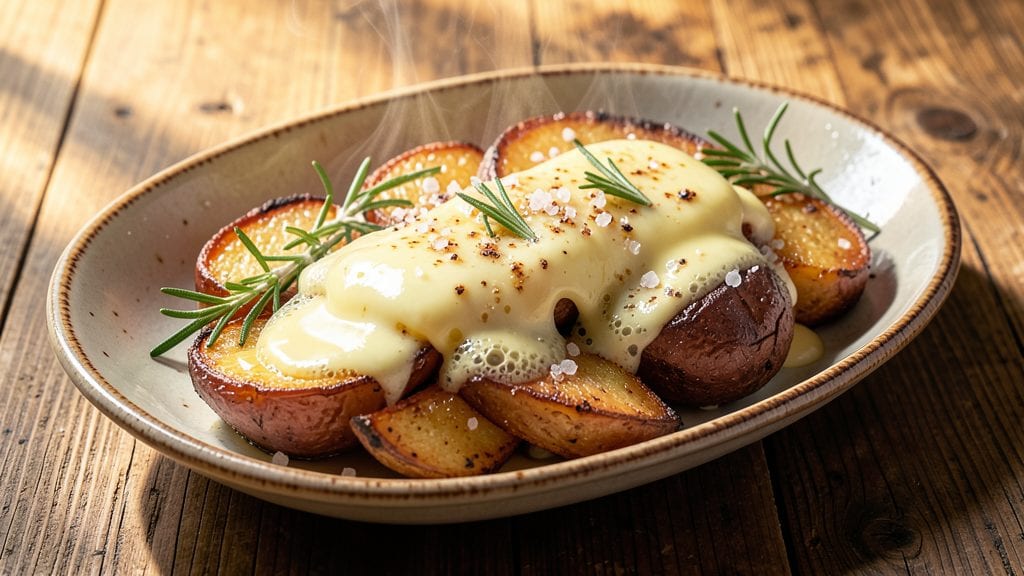
This banquet potatoes recipe transforms humble russet potatoes into a showstopping side dish that deserves center stage at any table. The secret lies in two distinct textures—crispy, vinegar-braised crowns atop tender, fluffy hearts—created through precise boiling and roasting techniques.
I developed this method after years of catering banquets where guests consistently asked for "the best potatoes I've ever had."
The process begins with parboiling whole potatoes to create steam-cooked centers, then roasting them whole until their skins develop a golden, crispy crown. A tangy vinegar glaze during the final minutes adds depth that elevates simple potatoes into something extraordinary.
This technique requires patience—about 45 minutes total—but delivers restaurant-quality results with minimal effort.
What you'll achieve is a dish that looks as impressive as it tastes: perfectly browned potato crowns with crisp edges that give way to fluffy, buttery interiors.
The vinegar braise adds a subtle tang that cuts through rich main courses, while optional garnishes like fresh chives or sour cream add visual appeal. This isn't just a side dish—it's the kind of presentation that makes guests pause and compliment your cooking.
The beauty of this recipe lies in its versatility—it works equally well for holiday feasts, family dinners, or catered events. The potatoes can be made ahead and reheated, making them ideal for busy hosts.
Once you master this technique, you'll never serve plain boiled potatoes again. Let's get started on creating your signature banquet-worthy side dish.
Ingredients for banquet potatoes
Four russets, two textures, one showstopping side dish—here's what you'll need.
| Ingredient | Amount | Notes |
|---|---|---|
| Russet Potatoes 🥔 | 4 whole | Medium-large size, uniform shape |
| Unsalted Butter 🧈 | ½ cup | Cold, cubed for roasting |
| White Vinegar 🍶 | ¼ cup | Distilled or apple cider |
| Granulated Sugar 🍚 | 1 tbsp | For vinegar glaze balance |
| Kosher Salt 🧂 | 2 tsp | Coarse for seasoning |
| Fresh Rosemary 🌿 | ¼ cup | Chopped, stems removed |
| Fresh Thyme 🌿 | ¼ cup | Leaves only, chopped |
| Garlic Cloves 🧄 | 4 cloves | Minced for herb butter |
| Heavy Cream 🥛 | ¼ cup | Optional for garnish |
| Fresh Chives 🌱 | ¼ cup | Chopped for garnish |
| Sour Cream 🍦 | ¼ cup | Optional for serving |
| Vegetable Oil 🫒 | 2 tbsp | For drizzling before roasting |
The russets are the star, so pick uniform medium-large potatoes—they roast evenly and create those dramatic crowns. Whole Foods or local farms often have the best quality, but any grocery store will work. Look for firm skins with no sprouts—those little eyes mean the potato's still alive and will grow during cooking. I like to soak them in cold water for 30 minutes before cooking to remove any dirt, but it's not required. For the herb butter, unsalted butter is a must—salted can make the potatoes taste flat. Fresh herbs matter here too; dried just won't give that same bright flavor.
No vinegar? Lemon juice works at the same amount, though it'll be slightly less tangy. Running short on rosemary? Thyme alone works in a pinch, but I'd add a pinch of lemon zest to compensate. The heavy cream and sour cream are totally optional—just skip them if you're watching calories. For the sugar in the vinegar glaze, honey or maple syrup works too, but sugar dissolves more easily. And if you're prepping ahead, make the vinegar glaze fresh—it's best when made right before roasting. The potatoes reheat beautifully though, so don't stress about timing.
These keep for 3 days in the fridge if stored properly—wrap them tightly in foil to maintain moisture. For serving, I like to reheat them at 350°F for 10-15 minutes until the crowns are crispy again. The vinegar glaze can be made ahead too, but add it fresh when reheating. For catering, I double the batch and portion into individual foil packets—just add the glaze and reheat. The potatoes actually taste better the next day as the flavors meld, so leftovers are a bonus.
Why You'll Love This Recipe
- One-Pan Magic: I swear by this recipe when I’m too tired to scrub pots—just slice, boil, then roast. The vinegar-sugar glaze caramelizes right on the sheet pan while you eat, so cleanup is basically nonexistent.
- Caramel Crunch Factor: That buttery, crispy edge with the fluffy inside? It’s the star. The vinegar-sugar mix turns into a sticky, golden crust that’s dangerously addictive—like a hug in potato form.
- Budget Crowd-Pleaser: Russets are cheap, and this recipe stretches to feed six for under $10. Honestly, my college roommates and I lived on these—easy to double, reheats like a dream, and no one ever complains.
- Make-Ahead MVP: Roast a big batch on Sunday, and you’ve got lunch or dinner covered all week. The flavor actually improves the next day—my kids beg for leftovers, and I secretly love the extra time it saves me.
Step-by-step instructions for vinegar-braised crisp crowns over fluffy hearts
Here's how to transform simple russet potatoes into elegant, restaurant-worthy centerpieces.
Prep and Roast the Potato Crowns
Preheat your oven to 425°F. Cut the 4 whole russet potatoes crosswise into ½-inch thick slices, keeping the crowns (top and bottom pieces) separate from the heart (middle sections). You should have about 12-15 crown pieces and 4-5 heart sections.
Pat the crown pieces completely dry with paper towels—this is crucial for crispy skin. Place them on two parchment-lined baking sheets, leaving 1 inch between each piece. Drizzle lightly with 2 tablespoons vegetable oil and sprinkle evenly with 1 teaspoon kosher salt. Roast for 20-25 minutes until the edges are deep golden brown and crispy.
Create the Herb Butter Glaze
While the crowns roast, melt the ½ cup unsalted butter in a small saucepan over low heat. Add the 4 cloves minced garlic, ¼ cup chopped fresh rosemary, and ¼ cup chopped fresh thyme. Cook for 2-3 minutes until fragrant but not browned. Remove from heat and stir in the 1 tablespoon granulated sugar.
Here's the thing—this herb butter will become the flavor base for both the crowns and the braising liquid. The sugar balances the acidity from the vinegar later, creating a harmonious glaze. Keep the butter warm but don't let it brown, or it'll turn bitter.
Braise the Potato Hearts
Increase oven temperature to 375°F. In a large oven-safe skillet, combine the potato hearts with the ¼ cup white vinegar and 1 teaspoon kosher salt. Pour in the warm herb butter mixture and stir to coat. Cover the skillet tightly with foil and bake for 45-50 minutes until the potatoes are fork-tender and the liquid has reduced to a glossy glaze.
Don't peek during baking—the steam is what keeps them tender. You'll know they're done when the potatoes slide easily on a fork and the liquid has thickened to a syrupy consistency. If it looks dry before they're tender, add 2 tablespoons water and continue baking.
Finish with Creamy Garnish
Once the hearts are done, carefully transfer them to a serving platter. Arrange the crispy crowns around the edges, overlapping slightly for a dramatic presentation. Spoon any remaining braising liquid from the skillet over the hearts.
For the finishing touch, gently fold the ¼ cup heavy cream into the remaining herb butter in the skillet. Drizzle this creamy mixture over the potatoes, then sprinkle with the ¼ cup chopped fresh chives. The contrast of crispy crowns and fluffy, creamy hearts makes this dish truly special.
Serve Warm with Optional Toppings
Let the potatoes rest for 5 minutes before serving to allow the flavors to meld. The vinegar-braised hearts should be tender with a glossy sheen, while the crowns remain perfectly crisp. For extra richness, serve with the ¼ cup sour cream on the side for guests to dollop on their plates.
This dish serves 8 people generously—perfect for a holiday banquet. The combination of textures and flavors makes it a showstopper that will have everyone asking for seconds. The secret is in the balance of crispy, creamy, and tangy elements working together perfectly.
Pro Tips For Making Banquet Potatoes
- CUT UNIFORM SLICES: Russets are stubborn—uneven cuts mean uneven cooking. Grab a sharp knife and slice them ¼-inch thick, no thicker. I learned this the hard way when my first batch had some slices still raw while others turned to mush.
- SALT THE WATER: Skip this, and your potatoes will taste bland no matter how much butter you add. Salt the boiling water like the ocean—about 1½ tablespoons per gallon. Yes, even if you’re using unsalted butter later, the potatoes need that initial punch.
- VINEGAR FIRST: Dump the vinegar into the boiling water before adding the potatoes. It lowers the pH, which prevents the skin from turning gray and keeps the texture tender. I used to add it later and wondered why my potatoes looked sad.
- BUTTER IN LAYERS: Don’t just dump butter on top—spread it in thin layers between the potato slices. This guarantees every bite gets that rich, melty flavor instead of just the top layer. Use about 2 tablespoons per pound of potatoes, and don’t skimp.
Wine and beer pairings for this banquet potatoes
White Wine Pairings
For these vinegar-braised potatoes, I always reach for a crisp Chardonnay from Burgundy or a Sauvignon Blanc from New Zealand. The acidity in these wines mirrors the vinegar glaze, while their bright citrus notes complement the herb butter beautifully.
A Chablis with its steely minerality also works wonders—it cuts through the richness of the butter without overpowering the delicate potato flavors. 🍷
Red Wine Options
If you're serving a heartier main course like roasted duck or beef tenderloin, a Pinot Noir from Oregon or Willamette Valley brings perfect balance. Its light body and red fruit notes won't compete with the potatoes' herbal profile.
For something bolder, try a Gamay from Beaujolais—its juicy raspberry flavors pair surprisingly well with the vinegar's tang.
Beer Pairings
A Belgian witbier like Hoegaarden is my go-to beer pairing—its coriander and citrus notes echo the vinegar glaze while the effervescence cleanses the palate. For a malty option, a German Hefeweizen with its banana and clove undertones complements the herb butter beautifully.
Avoid heavy stouts or IPAs that might overpower the delicate potato textures.
Cider Complements
Don't overlook dry hard cider as a sophisticated alternative. A crisp English cider like Westons or a French Poiré with its apple and floral notes enhances the potatoes' natural sweetness. The slight acidity in cider also helps balance the richness of the butter and cream garnishes.
Non-Alcoholic Options
For guests who prefer non-alcoholic drinks, a sparkling apple cider with a splash of ginger ale creates the same refreshing contrast. For something more substantial, try a sparkling water infused with rosemary and lemon slices—it mirrors the dish's herbal notes while keeping the palate clean.
The effervescence also helps cut through the butter's richness.
Serving Temperature
Serve all beverages slightly chilled—around 45-50°F for whites and ciders, 55-60°F for reds and beers. The cool temperature helps maintain the crispness of the potato crowns while enhancing the wine's acidity. I always chill my glasses for 15-20 minutes before pouring to achieve the perfect serving temperature. ✨
Nutrition facts
Frequently asked questions
Can I use sweet potatoes instead of russets for this recipe?
While russets are ideal for their fluffy texture, you can substitute sweet potatoes—but expect different results. Sweet potatoes have a denser texture and higher moisture content, so they won't achieve the same crisp crowns. If you try it, slice them ¼-inch thicker and roast at 400°F for 25-30 minutes to prevent burning. The vinegar glaze will still work, but the dish will be sweeter and less fluffy.
How do I make these potatoes ahead of time for a banquet?
These potatoes reheat beautifully! After roasting the crowns and braising the hearts, let them cool completely. Store in an airtight container with foil between layers for up to 3 days. To reheat, cover with foil and bake at 350°F for 15-20 minutes. For extra crispiness, broil for 2-3 minutes at the end. Add the vinegar glaze fresh when reheating for best flavor.
Can I skip the vinegar glaze? What would be a good substitute?
The vinegar adds that signature tang, but you can substitute with lemon juice (same amount) or a splash of white wine for depth. For a sweeter option, try apple cider or even orange juice—just reduce the sugar in the herb butter to ½ tablespoon to balance the sweetness. The key is acidity to cut through the butter's richness.
Why are my potato crowns soggy instead of crispy?
Soggy crowns usually mean one of two things: either they weren't dry enough before roasting, or they steamed too long. Always pat the crowns completely dry with paper towels before roasting, and leave 1 inch of space between pieces on the baking sheet. If using an oven with uneven heat, rotate the pans halfway through. For extra insurance, broil for 1-2 minutes at the end to crisp them up.