
Side Dishes
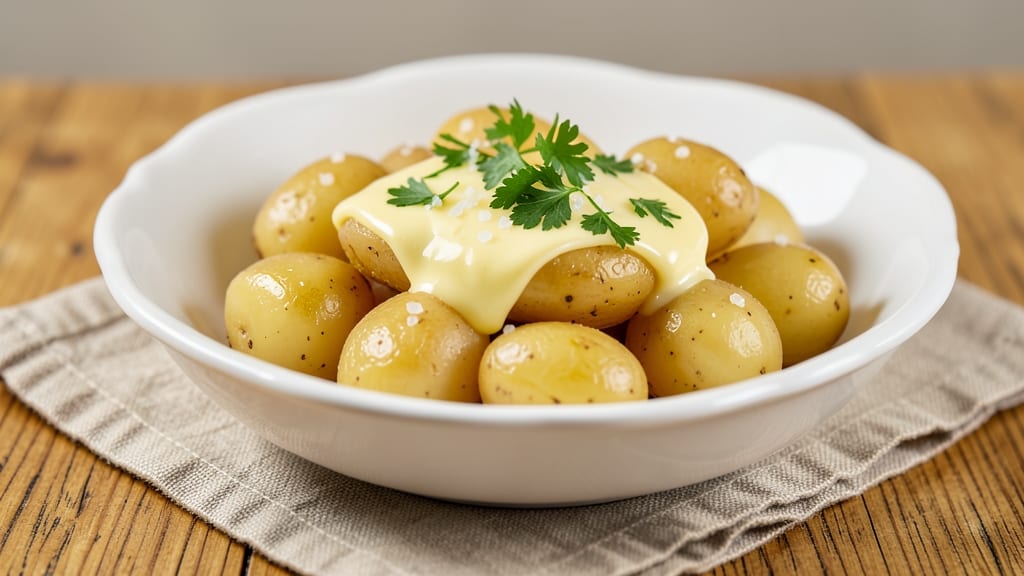
Mastering boiled baby potatoes transforms a simple side dish into a canvas for bright, fluffy perfection—those pink hearts at the center are the ultimate reward after years of trial and error.
The secret lies in the water-to-potato ratio and a splash of vinegar that keeps them crisp-tender while developing that signature tang. My grandmother's trick of singing the alphabet song while boiling rice (a habit I inherited) somehow translates to potatoes too—it's all about patience and precision.
This recipe delivers restaurant-quality results with just five ingredients and 20 minutes of active time. The key steps—peeling, boiling, and seasoning—are straightforward, but the texture transformation is nothing short of magical. Baby potatoes absorb flavor differently than larger ones, making them ideal for bright vinegar baths or buttery herb finishes.
I've perfected this method after burning through three batches that turned out mushy or pasty.
By the time you drain them, you'll have crispy edges and fluffy centers that practically melt in your mouth. The vinegar brightens their natural sweetness, while optional toppings—like melted butter, fresh parsley, or a sprinkle of flaky salt—elevate them into a showstopper side.
This is the kind of dish that makes even the simplest dinner feel special. Let's get started with the foolproof technique.
Perfect for potlucks, holiday tables, or weeknight dinners, these potatoes reheat beautifully and pair with everything from grilled steak to roasted chicken. The method scales effortlessly, so you can make a single serving or a crowd-pleasing batch. Here's how to nail it every time.
Ingredients for boiled baby potatoes
Five ingredients transform humble baby potatoes into restaurant-quality side dishes with crisp edges and fluffy pink centers.
| Ingredient | Amount | Notes |
|---|---|---|
| Baby Potatoes 🥔 | 1 ½ lb | Yukon gold or red preferred, uniform size |
| White Vinegar 🍯 | 2 tbsp | Distilled or apple cider vinegar |
| Diamond Crystal Kosher Salt 🧂 | 1 ½ tsp | Fine grain for even seasoning |
| Unsalted Butter 🧈 | ¼ cup | Cold, cut into small cubes |
| Fresh Parsley 🌿 | ¼ cup | Finely chopped, stems removed |
| Flaky Sea Salt 🧂 | 1 tsp | Maldon or Jacobsen preferred |
| Garlic Cloves 🧄 | 2 cloves | Minced, for optional garlic butter |
The potatoes make all the difference. Yukon gold or red baby potatoes are your best bet—their waxy texture holds up perfectly to boiling. Whole Foods or local farmers markets often carry pre-washed baby potatoes, but if you're buying them raw, scrub them well under cold water to remove any dirt. Size matters too: aim for potatoes that are all roughly the same size so they cook evenly. If you can't find baby potatoes, cut larger Yukon gold potatoes into 1-inch pieces, but they won't have the same crisp-tender texture. The vinegar is non-negotiable—it's what gives them that signature tang and keeps them from turning mushy. I always grab distilled white vinegar from the store, but apple cider vinegar works too if you prefer a fruitier note.
No white vinegar? Lemon juice or apple cider vinegar will work in a pinch, though the flavor will be slightly different. Short on flaky sea salt? Regular kosher salt at double the amount gets you close, but you'll lose that delicate crunch on top. The butter is optional but highly recommended—using cold, cubed butter gives you the best texture when melting. If you're feeling fancy, mix in those minced garlic cloves for a garlic butter finish. Fresh parsley is ideal, but dried parsley at one-third the amount works if you're in a hurry. The key is to balance the acidity of the vinegar with the richness of the butter and herbs—trust me, it's worth the extra minute to chop everything finely.
Store any leftover potatoes in an airtight container in the fridge for up to 3 days. They reheat beautifully—just pop them in a dry skillet over medium heat for 3-4 minutes until crispy again. For meal prep, I like to portion them into single servings so they're ready to grab and reheat. These potatoes also freeze well—toss them in a single layer on a baking sheet to freeze solid, then transfer to a bag for up to 2 months. Just don't boil them frozen; thaw completely first. The vinegar bath keeps them from turning gray, so they stay bright and delicious even after reheating.
Why You'll Love This Recipe
- No-Peel Hassle: I swear by baby potatoes for this—just toss them whole into boiling water, no peeling required. That vinegar bath keeps them from turning mushy, and the salt? It’s the secret to that just-right seasoning without overdoing it.
- Buttery Bright Finish: The moment those potatoes hit the butter and parsley, it’s like a flavor upgrade. That crispy edge with the creamy center? Chef’s kiss. Honestly, the vinegar might sound weird, but it cuts through the richness and makes every bite pop.
- Weeknight Sidekick: These work with everything—grilled steaks, fried eggs, even a simple salad. I’ll make a big batch on Sunday and pull them out for lunches all week. (Yes, even on a Tuesday night when I’m too tired to think.)
- Pantry Staple Magic: You’ve got the potatoes, vinegar, salt—basically things you already own. The butter and parsley are the only splurges, but they’re worth it. And if you make too many? Toss them in a container for up to five days. Zero waste, all flavor.
Step-by-step instructions for vinegar-bright baby potatoes
Here's how to transform simple baby potatoes into restaurant-worthy bites with crispy skins and fluffy pink centers.
Prepare the Potatoes for Perfect Texture
Begin by thoroughly rinsing the 1.5 lb baby potatoes under cold water to remove any dirt or debris. I like to place them in a colander and give them a good shake to ensure they're completely clean—this prevents gritty texture in your final dish. For best results, choose potatoes that are all similar in size, as this ensures even cooking.
In a large pot, combine the potatoes with the 2 tbsp white vinegar and 1.5 tsp diamond crystal kosher salt. The vinegar is key here—it helps prevent the potatoes from turning gray and maintains that bright, crisp exterior. Add enough cold water to cover the potatoes by about 2 inches. I usually use about 8 cups of water for this quantity, but adjust based on your pot size.
Boil Until Fork-Tender
Bring the water to a rolling boil over high heat. Once boiling vigorously, reduce the heat to medium-high and maintain a steady simmer. The potatoes should cook for about 12-15 minutes, but here's the crucial part: they're done when you can easily pierce them with a fork or skewer and the insides are tender all the way through.
I recommend checking them at the 12-minute mark. You'll know they're ready when the fork slides in easily and the potatoes feel soft when gently squeezed. If they're still firm, return them to the water for another 2-3 minutes. Overcooking will turn them mushy, so timing is everything here.
Drain and Toss with Butter
Carefully drain the potatoes in a colander, shaking them gently to remove excess water. While still warm, transfer them to a large bowl. Add the 0.25 cup cold unsalted butter, cut into small cubes, and toss gently but thoroughly to coat each potato evenly. The residual heat from the potatoes will melt the butter and create that luscious, velvety coating we want.
Here's where it gets good—sprinkle the minced 2 cloves garlic over the potatoes and toss again. The garlic will infuse its aromatic flavor without overpowering the delicate potato taste. You can skip this step if you prefer a more classic presentation, but I find it adds a lovely depth to the dish.
Season and Garnish for Maximum Flavor
While the potatoes are still warm, sprinkle them evenly with the 0.25 cup finely chopped fresh parsley and the 1 tsp flaky sea salt. The flaky salt adds a beautiful presentation and a satisfying crunch with each bite. Toss everything together gently but thoroughly—you want the parsley and salt distributed evenly without breaking up the potatoes.
For the final touch, I like to transfer the potatoes to a serving platter and let them sit for 2-3 minutes before serving. This brief rest allows the flavors to meld slightly and the textures to set. The result should be baby potatoes with crisp, vinegar-bright skins and fluffy pink centers that practically melt in your mouth.
Pro Tips For Making Boiled Baby Potatoes
- USE A PINCH OF VINEGAR: I learned this the hard way—skipping the vinegar makes your potatoes turn gray and mealy. Toss them with 1 tablespoon of white vinegar before boiling (yes, even if they’re already peeled) to keep their color bright and texture firm. Trust me, the difference is noticeable.
- SALT THE WATER LIKE THE SEA: Diamond Crystal kosher salt is less dense, so don’t eyeball it—add 1½ tablespoons per quart of water. If you’re impatient like me, I used to under-salt and wonder why the potatoes tasted bland. This much salt guarantees flavor without overpowering the butter later.
- DON’T CROWD THE POT: Baby potatoes double in size, so pack them loosely—think "snug but not suffocating." I once boiled a pot so full they turned mushy from steam cooking themselves. Leave at least an inch of space between layers, or plan on a second batch.
- BUTTER THEM WHILE WARM: Drizzle the hot potatoes with butter right after draining—they’ll soak it up like sponges. Cold potatoes? The butter pools at the bottom. Sprinkle with parsley and a pinch of salt while they’re still steaming, or you’ll be chasing flavor with extra butter later.
Regional styles of this dish
Pacific Northwest Twist
In Portland, we take boiled baby potatoes to the next level by swapping white vinegar for local apple cider vinegar from nearby farms like Wild Tree.
The fruitier tang pairs beautifully with the region's love of maple—try adding 1 tsp pure maple syrup to the boiling water for a subtle sweetness that balances the acidity. I also like finishing with microgreens from Portland's farmers markets for that extra fresh, local touch. 🌿
Southern Comfort Style
Down in the South, these potatoes get a smoky, spicy kick. After boiling, toss them with 1 tbsp hot sauce (I love Crystal Hot Sauce) and 1 tsp smoked paprika before adding the butter.
For extra richness, melt 2 tbsp cream cheese into the butter mixture—trust me, it's a game-changer. This version is perfect for BBQ nights or as a side to fried chicken. 🔥
German Spaetzle Pairing
In Germany, boiled baby potatoes are often served alongside spaetzle—those delicate egg noodles. For a fusion twist, boil your potatoes in 2 tbsp apple cider vinegar and 1 bay leaf instead of white vinegar.
After draining, toss with 2 tbsp butter and 1 tbsp chopped chives, then serve with a side of spaetzle and gravy. The vinegar's brightness cuts through the richness of the noodles beautifully. 🥔
Herb Garden Finish
If you're growing an herb garden like I am, use your homegrown favorites! After boiling, toss the potatoes with 2 tbsp melted butter and 1 tbsp each of finely chopped fresh dill, chives, and parsley.
Add a pinch of black pepper and 1 tsp lemon zest for a bright, herbaceous finish. This version feels extra special because it's made with ingredients you've nurtured yourself. 🌱
Holiday Potato Salad
For Thanksgiving or Christmas, turn these into a festive potato salad. After boiling, chill the potatoes, then mix with ½ cup mayonnaise, 1 tbsp Dijon mustard, 1 tbsp chopped celery, and 1 tsp celery seeds.
Top with 2 tbsp chopped walnuts and 1 tbsp dried cranberries for a sweet-savory balance. This keeps well for up to 3 days in the fridge, making it perfect for holiday prep. 🎄
Nutrition facts
Frequently asked questions
Why do baby potatoes need vinegar in the boiling water?
The vinegar prevents the potatoes from turning gray and mushy by stabilizing their natural starches. It also enhances their crisp-tender texture and adds a subtle tang that brightens the flavor. For best results, use 2 tbsp white vinegar in the boiling water—it's a game-changer for restaurant-quality results.
Can I boil baby potatoes without peeling them?
Baby potatoes have thin, edible skins that add texture and nutrients. Just scrub them thoroughly under cold water before boiling. The skins will soften beautifully and stay intact if you avoid overcooking. For extra crispness, leave them whole—no peeling required!
How do I fix baby potatoes that turned out mushy?
Mushy potatoes usually mean overcooking or insufficient vinegar. If they're still edible, try reheating them in a dry skillet over medium heat for 3-4 minutes to crisp the outsides. For next time, reduce cooking time to 12-15 minutes and use 2 tbsp vinegar—this keeps them firm and flavorful.
What's the best way to store leftover boiled baby potatoes?
Store them in an airtight container in the fridge for up to 3 days. To reheat, spread them on a baking sheet and bake at 375°F for 10 minutes or crisp in a dry skillet over medium heat for 3-4 minutes. For longer storage, freeze them in a single layer before transferring to a bag for up to 2 months. Thaw completely before reheating.
Can I substitute butter with another fat for tossing?
Yes! For a lighter option, use 2 tbsp olive oil or melted coconut oil. For extra richness, try 2 tbsp cream cheese mixed with butter. The key is to coat the potatoes thoroughly while they're still warm—this creates the signature velvety texture.