
Side Dishes
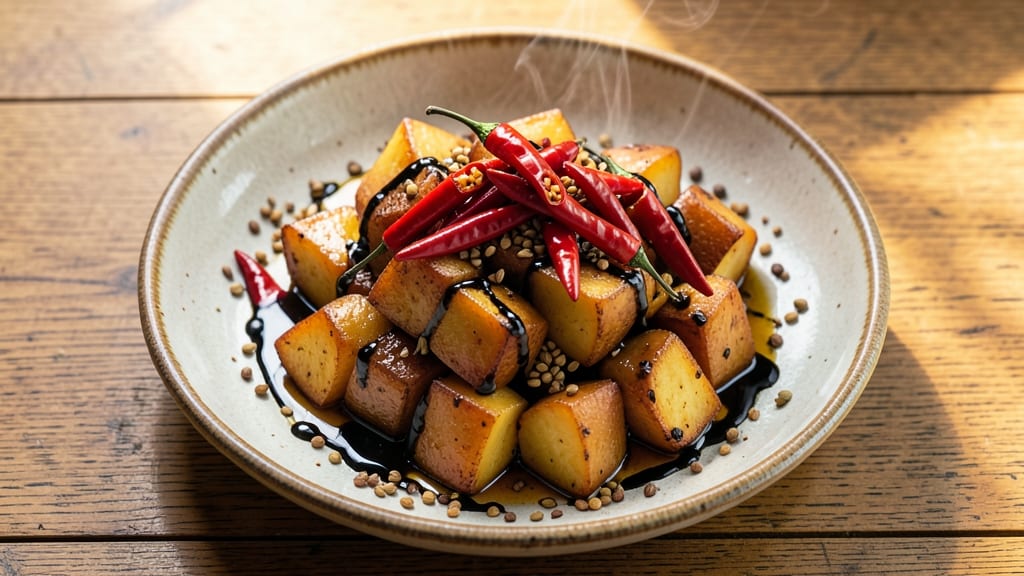
This Nepali potato pickle recipe transforms humble potatoes into a spicy-tangy fermented side that adds bold crunch to every meal. The 7-day fermentation process develops complex flavors—bright from mustard oil, fiery from red chilies, and tangy from traditional Nepali spices.
I first discovered this recipe during a visit to Kathmandu, where it was served alongside steamed rice and dal, proving its versatility as both a side and condiment.
The beauty of this pickle lies in its simplicity: just a few ingredients—potatoes, mustard oil, and a blend of spices—work together to create depth. Unlike quick pickles, the fermentation process enhances natural flavors while preserving the potatoes' satisfying texture.
For those new to fermentation, don't worry—this method is foolproof when followed precisely, delivering restaurant-quality results at home.
What you'll end up with is a vibrant red-orange pickle with crunchy edges and tender centers, bursting with the signature Nepali flavor profile. The spices—cumin, turmeric, and fenugreek—combine to create warmth, while the mustard oil adds a distinct aroma that elevates any dish.
This pickle pairs perfectly with dal bhat, roti, or even grilled meats, bringing authentic Nepali taste to your table.
With proper storage, this pickle keeps for months in the refrigerator, allowing you to enjoy its bold flavors long after preparation. The recipe includes optional yogurt for a creamier texture, making it adaptable to different preferences.
Let's dive into the step-by-step process to create this beloved Nepali staple in your own kitchen.
Ingredients for nepali potato pickle
Traditional Nepali spices and mustard oil transform simple potatoes into a vibrant, crunchy fermented pickle.
| Ingredient | Amount | Notes |
|---|---|---|
| Russet Potatoes 🥔 | 2 lb | Medium size, peeled and quartered |
| Mustard Oil 🫒 | ½ cup | Cold-pressed, unrefined preferred |
| Red Chilies 🌶️ | 4 whole | Dried, crushed or powdered |
| Ground Cumin Seeds 🌿 | 1 ½ tbsp | Freshly ground for optimal aroma |
| Turmeric Powder 🌶️ | 1 tsp | Bright yellow, high quality |
| Fenugreek Seeds 🌿 | 1 tbsp | Toasted lightly for enhanced flavor |
| Salt 🧂 | 1 ½ tbsp | Diamond Crystal preferred |
| Plain Yogurt 🥛 | ½ cup | Optional, for creamier texture |
| Ginger Root 🌿 | 2 tbsp | Freshly grated, aromatic |
| Garlic Cloves 🧄 | 6 cloves | Peeled and minced |
| Asafoetida Powder 🌶️ | ½ tsp | Optional, for depth of flavor |
| Lemon Juice 🍋 | 2 tbsp | Freshly squeezed, bright acidity |
The mustard oil is the soul of this pickle. Cold-pressed, unrefined mustard oil from Indian specialty stores like Patel Brothers or Desi Mart delivers the authentic aroma—never substitute with refined oils. For the red chilies, Kashmiri chilies add color without excessive heat, but traditional Nepali chilies work beautifully too. Fenugreek seeds should be toasted lightly in a dry pan until fragrant, enhancing their earthy notes. The potatoes must be of uniform size to ensure even fermentation—cut them into quarters for consistent texture.
No mustard oil? Sesame oil or avocado oil can substitute, though the flavor profile will differ slightly. Fenugreek seeds unavailable? One teaspoon of ground fenugreek works in a pinch. The yogurt addition is optional but recommended for a creamier texture—use whole-milk plain yogurt for best results. For those avoiding asafoetida, extra garlic and onion powder can mimic its umami depth. The ginger and garlic should be freshly prepared; pre-minced versions lose potency quickly. Store-bought spice blends often contain fillers—opt for individual spices for superior quality.
This pickle requires 7 days of fermentation at room temperature before refrigeration. Use a clean, airtight glass jar with a fermentation lid or cloth secured with a rubber band. Once refrigerated, it keeps for 3-4 months, with flavors intensifying over time. For best texture, serve at room temperature—remove from the fridge 30 minutes before eating. The pickle pairs beautifully with dal bhat, roti, or grilled vegetables, adding vibrant color and complex flavors to every meal.
Why You'll Love This Recipe
- No-Fuss Prep: I peel and chop potatoes in one sitting—no fancy techniques, just a knife and a cutting board. The real magic happens when you fry them golden in mustard oil, then let the spices work their charm while you sip chai.
- Spice Bomb Alert: That first bite? Crispy outside, tender inside, with a kick from red chilies and earthy cumin. Honestly, the mustard oil alone makes it taste like a home-cooked hug—no shortcuts needed.
- Party in a Jar: Slather it on roti, toss it with dal, or just eat it straight with rice. It’s my go-to for lazy Sundays, unexpected guests, or when I’m too tired to cook anything else. (Yes, even on a Tuesday night.)
- Lasts Like a Champ: One batch stretches for weeks in the fridge—no sad, wilted leftovers here. Between us, this is my budget hack: cheap potatoes turn into something so flavorful, you’ll forget you’re saving money.
Step-by-step instructions for Nepali potato pickle
This traditional fermented pickle develops complex flavors over seven days—precision in preparation ensures vibrant color, bold spice, and tangy depth.
Prepare the Potato Base
Peel the 2 lb russet potatoes and cut them into even 1-inch cubes. I use a sharp chef's knife for clean cuts that won't bruise the flesh. Place the cubes in a large stainless steel bowl and immediately toss them with the 1.5 tbsp salt and 1 tsp turmeric powder. This initial seasoning prevents discoloration and enhances fermentation.
Massage the mixture gently with your hands for 2 minutes until every potato piece is evenly coated. Transfer the seasoned potatoes to a clean, non-reactive ceramic or glass container, pressing them down firmly to remove air pockets. Leave 1 inch of headspace at the top—this prevents overflow during fermentation. Cover loosely with a clean kitchen towel and let sit at room temperature for 24 hours.
Create the Spice Paste
In a dry skillet over medium heat, toast the 1 tbsp fenugreek seeds and 1.5 tbsp ground cumin seeds for 2 minutes until fragrant. Immediately transfer to a spice grinder and pulse until finely ground. In a small bowl, combine the toasted spices with the 4 whole red chilies, 6 cloves garlic, 2 tbsp grated ginger root, and 0.5 tsp asafoetida powder.
Add 2 tablespoons of the 0.5 cup mustard oil and grind into a smooth paste using a mortar and pestle or immersion blender. The paste should have a thick, vibrant red hue and a pungent aroma. If using the 0.5 cup plain yogurt, whisk it into the paste at this stage for a creamier texture. Set aside for immediate use.
Layer and Ferment the Pickle
After the 24-hour salting period, drain any excess liquid from the potatoes and return them to the container. Spread the spice paste evenly over the potatoes, pressing gently to ensure full coverage. Drizzle the 2 tbsp lemon juice evenly across the surface—this brightens the final flavor profile.
Add the remaining 0.3 cup mustard oil in a thin layer over the top, creating a protective seal that preserves the vibrant colors. Cover the container with a clean cloth and place it in a dark, warm spot (around 75°F) for 7 days. Open and stir the pickle daily to prevent mold formation and ensure even fermentation. You'll notice the potatoes soften slightly and develop a tangy aroma by day 3.
Test for Perfection and Store
After 7 days, taste a small piece of potato to check for proper fermentation. It should be tender with a sharp, tangy flavor and no raw taste. If the texture is still firm, continue fermenting for 1-2 additional days. Once perfect, transfer the pickle to clean, sterilized glass jars.
Seal the jars tightly and store in a cool, dark pantry. This pickle will continue to develop flavor for up to 3 months, with the mustard oil preserving its vibrant color and spicy-tangy character. Serve as a condiment with dal, rice, or as a bold snack with beer. The longer it ages, the more complex the flavors become—each bite should deliver a perfect balance of heat, tang, and umami.
Pro Tips For Making Nepali Potato Pickle
- CUT POTATOES UNIFORM: Use a mandoline or sharp knife for even ½-inch slices—this guarantees consistent cooking and a better texture. I learned this the hard way when my first batch turned mushy in spots while others stayed raw.
- FRY IN BATCHES: Don’t overcrowd the pan with potato slices—they’ll steam instead of crisp up. Work in small batches, even if it takes longer, for that golden, crunchy finish you want in Nepali pickle.
- TOAST CUMIN FIRST: Bloom the ground cumin in mustard oil for 30 seconds until it smells nutty—this deepens the flavor way more than just stirring it in. Skip this, and your pickle will taste flat, even if everything else is perfect.
- SALAD THE PICKLE: After mixing all ingredients, let the pickle sit uncovered for 10 minutes—this lets excess moisture evaporate and makes the spices cling better. I know it’s tempting to eat it immediately, but wait.
Essential equipment for this recipe
Fermentation Containers
You’ll need a non-reactive glass or ceramic container with a wide mouth for easy stirring—think quart-sized mason jars or a stainless steel fermentation crock. I recommend Ball mason jars with fermentation lids (available at Williams Sonoma) for airtight sealing.
These containers prevent contamination while allowing gases to escape during fermentation. Avoid plastic or aluminum, as they can react with the mustard oil and spices. 🥫
Spice Grinders
A mortar and pestle or immersion blender is essential for creating the spice paste. For traditional texture, I use a KitchenAid stainless steel mortar and pestle—it’s durable and crushes spices evenly. If you prefer convenience, an Oster immersion blender works perfectly for blending the paste directly in the bowl.
Pre-ground spices lose potency quickly, so freshly grinding fenugreek and cumin seeds is key for authentic flavor. 🌿
Mustard Oil Bottles
Store your mustard oil in a dark glass bottle with a tight-sealing lid—amber-colored glass bottles from Amazon or specialty Indian stores like Patel Brothers are ideal. This protects the oil from light, which can degrade its flavor over time.
When measuring, use a liquid measuring cup for precision, as mustard oil is dense. Never heat mustard oil above room temperature—it can turn rancid quickly. 🫒
Fermentation Thermometer
Maintain a consistent 75°F environment using a digital fermentation thermometer like the AcuRite 01501. Place it near your fermentation container to monitor temperature fluctuations. If your kitchen runs cooler, use a small appliance warmer (like a Hamilton Beach warming tray) to create a stable fermentation zone.
Temperature control is critical—too cold slows fermentation, while too hot can spoil the pickle. 🌡️
Stirring Tools
Use a wooden spoon or silicon spatula to stir the pickle daily—metal utensils can react with the spices. I keep a long-handled wooden spoon (available at Bed Bath & Beyond) for deep jars.
After stirring, wash the tool with hot, soapy water to remove any residue. This prevents cross-contamination and keeps your fermentation process clean. 🍴
Storage Jars
Once fermented, transfer the pickle to sterilized glass jars with airtight lids—Le Parfait jars are my go-to for their wide mouths and durability. Label each jar with the date using a permanent marker to track aging.
Store in a cool, dark pantry (below 70°F) to preserve flavor for up to 3 months. For long-term storage, freeze individual portions in silicone molds for up to 6 months. ❄️
Nutrition facts
Frequently asked questions about Nepali potato pickle
Can I use sweet potatoes instead of russet potatoes?
Sweet potatoes work but won't give the same texture. Russet potatoes are ideal because they hold up better during fermentation and develop the signature crispy edges. If you must use sweet potatoes, choose firm varieties and reduce fermentation time by 2-3 days to prevent mushiness.
What if I don't have mustard oil?
Mustard oil is essential for authentic flavor, but you can substitute with sesame oil or avocado oil in a pinch. For heat, add an extra 0.5 tsp of cayenne pepper. The oil's aroma is what makes this pickle distinct—skip it, and the flavor will be noticeably different, though still edible.
How do I know when the fermentation is complete?
After 7 days, test a potato piece—it should be tender with a sharp tang and no raw taste. If it's still firm, ferment 1-2 more days. Look for bubbles forming in the oil layer and a vibrant red-orange color. The aroma should be pungent with a mix of spice and sourness.
Can I make this pickle without yogurt?
The yogurt is optional and adds creaminess, but the pickle will still be delicious. For a tangier version, replace it with 1 tbsp lemon juice or 1 tsp vinegar. The fermentation process will still develop the signature flavors, though the texture may be slightly drier.
Why did my pickle turn gray?
Gray discoloration usually means oxidation from air exposure. To prevent this, ensure the potatoes are fully submerged in oil during fermentation. If it happens, remove the gray pieces and store the rest—it's still safe to eat, though less appealing. Next time, press the potatoes down firmly in the container.