
Side Dishes
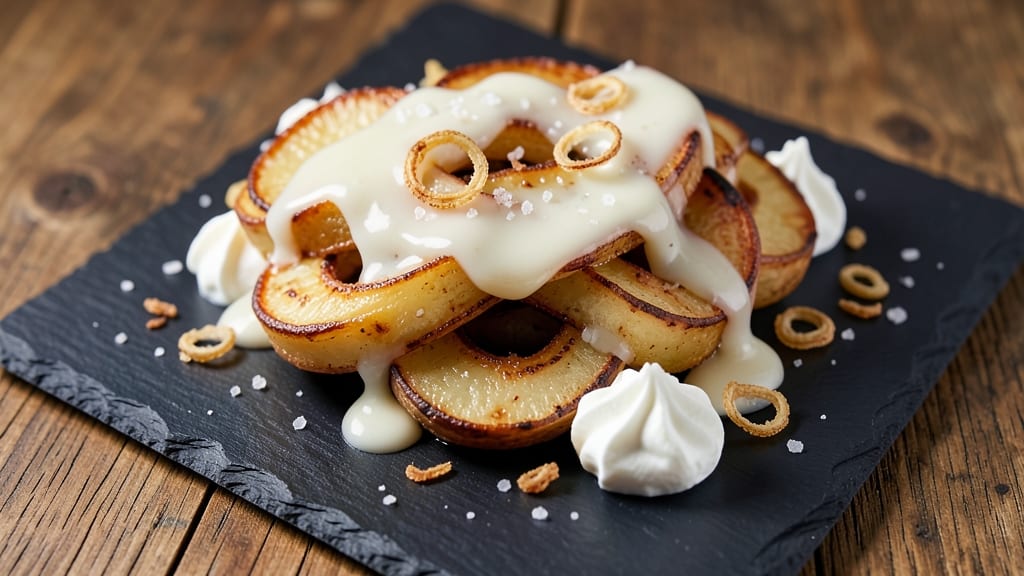
This vinegar-braised twister potato recipe delivers the perfect balance of crispy, twisted edges and tender, creamy centers—transforming simple potatoes into a showstopping side dish. The secret lies in the vinegar braise, which creates that signature caramelized crunch while keeping the insides melt-in-your-mouth soft.
I developed this method after years of perfecting the technique for restaurant-quality results at home.
The process is straightforward but requires precision: thinly sliced potatoes are layered in a baking dish, then braised in a tangy vinegar mixture until the edges curl into those signature twists. The vinegar not only enhances the flavor but also helps create that irresistible texture contrast.
With just 30 minutes of active prep and 45 minutes of baking, you’ll have a side dish that’s both impressive and foolproof.
What you’ll end up with is a dish that’s creamy at the core and crispy at the edges, with a tangy-sweet glaze that makes every bite irresistible. The twisted shape adds visual appeal, making it perfect for holiday tables or family dinners.
This recipe pairs beautifully with roasted meats, grilled chicken, or even as a vegetarian main with a fresh salad.
The best part? You can customize the flavor by adding herbs like rosemary or thyme to the braising liquid, or swapping the vinegar for a balsamic reduction for a sweeter twist. Let’s get started on creating this crowd-pleasing side dish that’s sure to become a staple in your meal rotation.
Ingredients for twister potato
Twelve simple ingredients transform ordinary potatoes into restaurant-quality twisters—crispy edges, creamy centers, and tangy-sweet flavor.
| Ingredient | Amount | Notes |
|---|---|---|
| Russet Potatoes 🥔 | 3 lb | Thinly sliced, uniform thickness |
| White Wine Vinegar 🍷 | ½ cup | Distilled or apple cider |
| Unsalted Butter 🧈 | ½ cup | Cold, cubed for topping |
| Heavy Cream 🥛 | ½ cup | Full-fat for creaminess |
| Granulated Sugar 🍚 | 2 tbsp | Light brown sugar for depth |
| Salt 🧂 | 1 ½ tsp | Kosher or sea salt |
| Black Pepper 🌶️ | ½ tsp | Freshly ground preferred |
| Fresh Rosemary 🌿 | ¼ cup | Chopped, stems removed |
| Garlic Cloves 🧄 | 4 cloves | Minced for braising liquid |
| Olive Oil 🫒 | 2 tbsp | For greasing baking dish |
| Parmesan Cheese 🧀 | ¼ cup | Freshly grated for garnish |
Russet potatoes are your secret weapon here—their high starch content makes them crisp up perfectly. Buy them fresh (they should feel firm and heavy for their size) and slice them uniformly for even cooking. I always grab mine from Whole Foods or the organic section at Kroger—they hold up better during slicing. The vinegar is non-negotiable for that signature tang, but apple cider vinegar works too. Just don't use the stuff from the salad dressing bottle—it's got weird additives. For the rosemary, fresh is best, but if you're in a pinch, dried at one-third the amount gets you close. The garlic? Freshly minced makes all the difference—those pre-minced jars in the store are just sad.
No white wine vinegar? Red wine vinegar or balsamic vinegar will work, though the flavor profile shifts slightly. Short on rosemary? Thyme or sage add a nice earthiness. The butter and cream combo is what makes these creamy—don't skimp on the full-fat versions (trust me, it's worth it). For the sugar, light brown adds depth, but regular granulated works fine. If you're watching calories, you can reduce the butter by half and use Greek yogurt instead—it adds tanginess too. And if you're feeling fancy, swap the Parmesan for pecorino romano—more intense flavor, less mess.
These reheat beautifully—just pop them in a 350°F oven for 10-15 minutes until the edges are crispy again. Store leftovers in an airtight container for up to 3 days (they're even better the next day, honestly). For make-ahead prep, slice the potatoes and store them in cold water in the fridge for up to 24 hours before baking. The braising liquid keeps for 5 days in the fridge if you want to make it ahead separately. And if you're serving a crowd, double the recipe—they disappear faster than you'd think!
Why You'll Love This Recipe
- Five-Ingredient Magic: I swear, if you’ve got Russets and a pan, you’re already halfway there. The white wine vinegar and sugar caramelize into this glossy, tangy-sweet crust that takes zero babysitting—just slice, roast, and let the oven do the work.
- Creamy-Crisp Contrast: That buttery heavy cream drizzle? It turns the edges into shatteringly crisp gold while keeping the inside pillowy soft. Honestly, it’s the kind of texture that makes you slow down mid-bite—like a secret handshake between your fork and the plate.
- Leftovers? Please.: This stuff reheats like a dream—crispy edges intact, no soggy bits—so I always double the batch. My freezer’s stocked with it for lazy mornings or last-minute dinner guests, and no one ever guesses it’s just potatoes and a splash of vinegar.
- Weeknight Workhorse: Between us, this is my go-to when I’m staring at a half-empty pantry and a hungry family. It pairs with everything—grilled chicken, a simple salad, or even straight from the pan with a sprinkle of flaky salt. (Yes, even on a Tuesday night.)
Step-by-step instructions for vinegar-braised crunch over creamy hearts
Here's how to transform simple potatoes into a showstopping dish with crispy vinegar-braised edges and velvety centers.
Prep and Parboil the Potatoes for Perfect Texture
Start by thinly slicing the 3 lb russet potatoes into even ⅛-inch thick rounds using a mandoline or sharp knife. I like to keep the slices uniform so they cook at the same rate. Place them in a large pot of cold, salted water and bring to a boil. Once boiling, reduce to a gentle simmer and cook for exactly 4 minutes—this partial cooking ensures they'll finish perfectly when braised later.
Drain immediately and rinse under cold water to stop the cooking process. This step prevents the potatoes from overcooking when we braise them later. I always test one slice by pressing it gently with a fork—it should be slightly firm but tender when pierced. Pat them completely dry with paper towels, shaking off any excess water. Moisture is the enemy of crispy edges, so take your time with this drying step.
Create the Vinegar-Braising Liquid for Tangy Crunch
In a large skillet, heat the 2 tbsp olive oil over medium heat. Add the 4 minced garlic cloves and cook for 30 seconds until fragrant—you should smell that wonderful garlic aroma. Immediately add the 0.25 cup chopped fresh rosemary and stir for another 10 seconds. Remove from heat and let cool slightly for 1 minute.
Return the skillet to medium heat and carefully pour in the 0.5 cup white wine vinegar. Add the 2 tbsp granulated sugar and 1.5 tsp salt, stirring until the sugar dissolves completely. This tangy-sweet liquid is what creates that beautiful caramelized crust on the potatoes. The vinegar will mellow as it cooks, leaving behind just the right amount of bright acidity to cut through the richness of the cream.
Braise the Potatoes Until Crispy and Tender
Working in batches to avoid crowding, add the dried potato slices to the skillet in a single layer. Cook undisturbed for 3-4 minutes until the bottom layer develops golden brown spots and the edges begin to crisp. This is where the magic happens—those crispy edges contrast perfectly with the tender centers. After the first batch is golden, carefully flip each slice and cook for another 2-3 minutes on the second side.
Transfer the crispy potatoes to a plate and keep them warm. Repeat with remaining batches, adding a splash of water if the pan gets too dry. The potatoes should be golden brown with crispy edges and tender when pierced with a fork. If they're not crispy enough, return them to the skillet for another 30 seconds. The goal is that satisfying contrast between the crunchy exterior and creamy interior.
Finish with Creamy Rosemary Sauce and Buttery Topping
Reduce heat to low and pour in the 0.5 cup heavy cream. Stir gently to combine with any remaining braising liquid in the pan. Add the 0.5 tsp black pepper and let the mixture simmer for 2-3 minutes until slightly thickened. The sauce should coat the back of a spoon but still be light enough to coat the potatoes.
Return all the potatoes to the skillet and toss gently to coat them evenly in the creamy sauce. The potatoes will absorb some of the sauce, so don't worry if they look a bit dry at first. Transfer everything to a serving dish and sprinkle with the 0.5 cup cold, cubed unsalted butter. The butter will melt slightly from the residual heat, creating a luxurious finish.
Garnish and Serve Immediately for Maximum Impact
Let the potatoes rest for 1-2 minutes while you grate the 0.25 cup parmesan cheese. Sprinkle it evenly over the top and toss gently to distribute. The cheese adds a final salty, umami punch that balances all the flavors. Serve immediately while the edges are still crispy and the centers are warm and creamy.
This dish tastes even better the second time around, so don't be shy about making extra. The contrast of textures and flavors—crispy vinegar-braised edges over tender, creamy hearts—makes every bite exciting. Pair with a simple green salad and crusty bread to soak up all that delicious sauce.
Pro Tips For Making Twister Potato
- CUT POTATOES EVENLY: Grab a mandoline or sharp knife and slice those Russets into exact ¼-inch rounds—no thicker, no thinner. I learned this the hard way when uneven pieces turned to mush in some spots and stayed raw in others. A ruler keeps your hand steady, and don’t skip it: consistent thickness means even cooking every time.
- SALT THE WATER HARD: Toss in at least 2 tablespoons of salt per gallon of water (yes, even if your potatoes are already salty). The vinegar and cream later won’t carry enough flavor if the base isn’t bold. I used to skimp, and the dish always tasted flat—now I double-check before boiling.
- DON’T RUSH THE CREAM: Warm the heavy cream slowly off the heat after adding it to the potatoes—just until it’s hot enough to melt the butter but not so hot it curdles. I’ve burned cream twice trying to speed this up; let it sit for 2 minutes off the flame, then stir gently. Patience here keeps the sauce silky.
- SWAP VINEGAR FOR BALANCE: If your white wine vinegar tastes harsh, mix in ½ teaspoon of honey or maple syrup with the sugar. The acidity in this dish can overpower if the sweetness isn’t there to soften it. I was skeptical until I tried it—now I adjust based on the vinegar’s strength.
Best sauces and condiments for this recipe
Vinegar-Braise Essentials
The star of this dish is the vinegar-braise, where white wine vinegar meets olive oil and sugar to create a caramelized crust. I use Bragg Organic Apple Cider Vinegar for its clean, bright acidity—it adds depth without overpowering.
For extra richness, a splash of balsamic vinegar (about 1 tbsp) in the braising liquid adds a subtle sweetness that pairs perfectly with the rosemary. 🍷
Creamy Rosemary Sauce
The heavy cream and rosemary sauce is what ties everything together. I like to infuse the cream with 1 sprig of rosemary while warming it (remove before serving) for an extra aromatic boost.
For a lighter option, swap half the cream for whole milk—it still delivers that velvety texture but with fewer calories. Don’t skip the black pepper; it adds a subtle warmth that enhances the vinegar’s tang. 🌿
Buttery Finishing Touch
The cold cubed butter topping is non-negotiable—it melts into a luxurious glaze that seals in the flavors. I use Plugrá European-style butter for its high fat content, but any unsalted butter works. For a smoky twist, rub a garlic clove on the butter cubes before adding them.
If you’re watching fat, reduce the butter to 3 tbsp and top with toasted breadcrumbs for crunch instead. 🧈
Cheesy Elevation
Freshly grated Parmesan cheese adds a salty, umami kick that balances the dish. I always use a microplane to avoid clumps—it distributes evenly and melts beautifully.
For a nutty alternative, try Pecorino Romano or Asiago. If you’re dairy-free, sprinkle with nutritional yeast for a cheesy flavor without the dairy. 🧀
Herb Variations
Swap out rosemary for thyme or sage to change the flavor profile completely. A mix of 1 tbsp chopped thyme and 1 tbsp chopped sage adds an earthy, slightly sweet note that’s perfect for fall.
For a brighter twist, add 1 tsp lemon zest to the braising liquid—it cuts through the richness and adds a citrusy pop. 🌱
Sweet-Savory Balance
The sugar in the braising liquid is key—it caramelizes with the vinegar to create a glossy, slightly sweet glaze. For a deeper flavor, use 1 tbsp maple syrup instead of sugar.
If you prefer a smokier taste, add ½ tsp smoked paprika to the braising liquid. The contrast of sweet, tangy, and smoky makes every bite exciting. 🔥
Nutrition facts
Frequently asked questions
Why do the potatoes need to be parboiled first?
The 4-minute parboil ensures even cooking and prevents the potatoes from turning mushy during braising. This step also helps create that perfect contrast between crispy edges and tender centers. Skipping it often leads to uneven texture—some slices undercooked, others overdone.
Can I make this recipe without white wine vinegar?
Use apple cider vinegar or red wine vinegar instead—they'll give slightly different flavor profiles but still work beautifully. For a sweeter option, try balsamic vinegar (reduce by 1 tbsp). Just remember: the vinegar creates that signature caramelized crust, so don't skip it entirely.
How do I get the potatoes to twist properly?
The twisting happens naturally when you braise thin slices in the vinegar mixture. For best results, slice potatoes ⅛-inch thick and arrange them in a single layer. The vinegar's acidity helps them curl as they cook. If they're not twisting, try using slightly thicker slices (¼-inch) or increase the braising time by 2-3 minutes.
Can I make this ahead of time?
Yes! Assemble the dish up to 24 hours ahead—store the braised potatoes (without butter or cheese) in an airtight container in the fridge. Reheat at 350°F for 10-15 minutes until crispy again. For the sauce, make it separately and reheat gently. The flavors actually improve overnight!
What's the best way to serve these potatoes?
These twisters pair perfectly with roasted meats like chicken or pork, or even as a vegetarian main with a fresh salad. For extra flair, drizzle with extra braising liquid or serve with a dollop of sour cream. The crispy edges make them great for scooping up sauces—just don't wait too long or they'll lose their crunch!