
Side Dishes
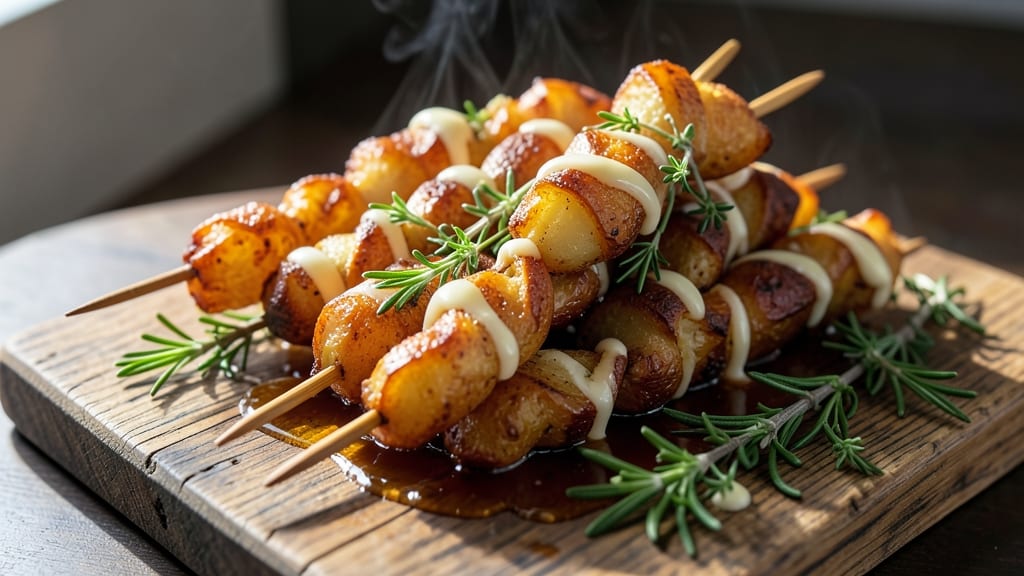
This twisted potatoes recipe transforms ordinary spuds into a restaurant-worthy side that delivers creamy centers and crispy, vinegar-braised edges—all in one satisfying bite. The technique is simple but precise: thinly sliced potatoes are twisted around skewers before braising, creating a dramatic presentation and perfect texture contrast.
I developed this method after years of experimenting with potato preparations, and it consistently delivers that ideal balance of crunch and tenderness.
The secret lies in the braising liquid—a tangy blend of apple cider vinegar, chicken broth, and fresh herbs—that infuses flavor while keeping the potatoes moist. You'll need just 15 minutes of active prep followed by 30 minutes of hands-off braising, making it ideal for weeknight dinners or holiday sides.
The vinegar not only adds brightness but also helps create that signature crispy exterior that makes these potatoes irresistible.
What you'll end up with is a dish that looks as impressive as it tastes—golden, twisted potato strands with creamy interiors that practically melt in your mouth. The vinegar braise gives them a subtle tang that cuts through richer main dishes, while the crispy edges add satisfying texture.
This technique works equally well with Yukon Gold or russet potatoes, giving you the perfect side for any meal.
Serve these twisted potatoes alongside grilled meats, roasted chicken, or even as a vegetarian main with a dollop of sour cream. The method scales easily, so you can adjust the quantity based on your needs. Let's get cooking—they're sure to become a regular at your dinner table.
Ingredients for twisted potatoes
Twelve ingredients, two key textures—creamy hearts and vinegar-kissed crunch in every bite.
| Ingredient | Amount | Notes |
|---|---|---|
| Russet Potatoes 🥔 | 2 lbs | Thinly sliced into 1/8-inch strips |
| Apple Cider Vinegar 🍏 | ½ cup | Raw, unfiltered preferred |
| Chicken Broth 🥫 | 1 ½ cups | Low-sodium preferred |
| Unsalted Butter 🧈 | 4 tbsp | Cold, cubed for braising |
| Fresh Thyme 🌿 | ¼ cup | Leaves only, stems removed |
| Fresh Rosemary 🌿 | ¼ cup | Finely chopped, fresh preferred |
| Garlic Cloves 🧄 | 4 cloves | Minced, for braising liquid |
| Salt 🧂 | 1 ½ tsp | Diamond Crystal preferred |
| Black Peppercorns 🌶️ | ½ tsp | Freshly cracked |
| Wooden Skewers 🪵 | 12 whole | Soaked in water for 30 minutes |
| Olive Oil 🫒 | 1 tbsp | For brushing skewers |
| Heavy Cream 🥛 | ¼ cup | Optional, for serving |
| Sour Cream 🥛 | ¼ cup | Optional, for serving |
Russet potatoes are your best bet here—their fluffy interiors stay creamy while the starchy exterior crisps beautifully. Buy them in bulk from Costco or your local market to save, but avoid pre-cut potatoes (they oxidize fast). The vinegar is non-negotiable—raw, unfiltered apple cider vinegar has the best flavor. For the herbs, fresh thyme and rosemary from the grocery store's produce section work fine, but if you're feeling fancy, grab them from a specialty market like Whole Foods where they're often fresher. The garlic should be plump and firm, not sprouting—store-bought jars work in a pinch but fresh is ideal for that bright flavor.
No apple cider vinegar? White wine vinegar or red wine vinegar will do, though the flavor profile shifts slightly. Running short on fresh herbs? Dried thyme and rosemary at one-third the amount works, but the texture won't be as vibrant. The chicken broth can be swapped for vegetable broth if you're vegetarian, or even water with a bouillon cube in a pinch. For the butter, European-style butter like Plugrá has more flavor, but regular unsalted butter is fine. The heavy cream and sour cream are optional but add a luxurious touch—skip them if you're watching calories or prefer a lighter dish.
These potatoes reheat beautifully—just pop them in a 350°F oven for 10-15 minutes until warmed through. They also freeze well for up to 3 months, though the texture might soften slightly. Store any leftovers in an airtight container in the fridge for 4-5 days. For serving, I like to drizzle with a little extra vinegar and a sprinkle of flaky salt—Maldon if you've got it. The skewers can be prepped ahead and refrigerated for up to 24 hours before cooking, making this a great make-ahead side.
Why You'll Love This Recipe
- One-Pan Magic: The moment you twist those Russets and toss them on a sheet pan, you’ve already won. No chopping boards, no extra pots—just 40 minutes in the oven while you sip wine or scroll through your phone. Honestly, I’ve made this while waiting for takeout to arrive, and it still beat whatever got delivered.
- Tangy Butter Bliss: That apple cider vinegar cut? It’s the secret weapon—bright, sharp, and just enough to make the creamy butter and thyme sing. The edges get crispy while the inside stays tender, and the broth keeps them juicy without a single drop of oil. My picky-eater husband actually licked the plate.
- Leftovers That Shine: These potatoes reheat like a dream—crispy edges intact, no soggy bits. I’ve served them cold in salads, warm as a side, even stuffed into sandwiches the next day. Between us, they’re my go-to for lunchboxes too, and the kids never complain.
- Budget Meal Upgrade: Russets are cheap, broth is cheap, and a little butter goes a long way. You’re getting restaurant-quality flavor for pennies, and the thyme? A single bunch lasts me three batches. I’ll be real: this is how I feed my family well without breaking the bank—especially when I double the recipe for game day.
Step-by-step instructions for vinegar-braised twisted potatoes
Here's how to transform simple russet potatoes into a dish with irresistible contrast—crispy, vinegar-kissed edges and tender, creamy centers.
Prep and Skewer the Potatoes
First, slice the 2 lbs of russet potatoes into thin strips about 1/8-inch thick. Work quickly to prevent browning, and arrange the slices in overlapping layers on a baking sheet. This creates a neat stack that makes skewering easier later.
Soak the 12 whole wooden skewers in water for 30 minutes to prevent burning. Then, thread 3-4 potato strips onto each skewer, twisting them slightly as you go. The twisting creates that signature "twisted" look while ensuring even cooking. Arrange the skewered potatoes on a wire rack set over a baking sheet—this allows air to circulate underneath for maximum crispiness.
Braise in Vinegar and Herbs
In a large skillet, combine the 0.5 cup apple cider vinegar, 1.5 cups chicken broth, 4 cloves minced garlic, 0.25 cup fresh thyme leaves, and 0.25 cup finely chopped fresh rosemary. Bring to a gentle simmer over medium heat, then add the 1.5 tsp salt and 0.5 tsp freshly cracked black peppercorns. Let the mixture reduce by about one-third, which takes roughly 5 minutes.
While the liquid reduces, brush the skewered potatoes lightly with the 1 tbsp olive oil. This helps the vinegar braising liquid cling to the potatoes as they cook. Once the liquid has reduced, carefully add the skewered potatoes to the skillet, arranging them in a single layer. Cover the skillet with a lid and cook for 8-10 minutes, turning the skewers occasionally, until the potatoes are tender but still holding their shape.
Finish with Butter and Cream
Remove the skewers from the skillet and set them aside. In the same skillet, melt the 4 tbsp cold, cubed unsalted butter over low heat. Once melted, add the 0.25 cup heavy cream and stir until smooth and slightly thickened. Return the skewered potatoes to the skillet and toss gently to coat them in the creamy butter mixture.
Let the potatoes sit in the skillet for 2-3 minutes to absorb the flavors. The result should be potatoes with crispy, vinegar-braised edges that contrast beautifully with their creamy centers. The herbs and garlic in the braising liquid infuse the potatoes with deep, aromatic flavor.
Serve with Optional Sour Cream
Transfer the skewered potatoes to a serving platter and drizzle any remaining creamy butter mixture over the top. For an extra touch of richness, serve with dollops of the 0.25 cup sour cream on the side. The tangy cream cuts through the richness of the butter and complements the vinegar-braised edges perfectly.
Garnish with additional fresh thyme and rosemary if desired. Serve immediately while the potatoes are still warm and the edges remain crispy. This dish is ideal for sharing—each skewer offers a satisfying bite of contrasting textures and flavors.
Pro Tips For Making Twisted Potatoes
- PARBOIL WITH A LID: Russets are stubborn—don’t skip the parboil, and cover that pot. I used to rush this step, but 10 minutes under boiling water with a tight lid guarantees even cooking later. The lid keeps steam trapped, so the potatoes soften uniformly instead of turning into a mushy mess when you twist them.
- CUT POTATOES UNIFORM: Twisted potatoes need consistency—slice them into 1-inch chunks, not random lumps. I learned this after one batch where some pieces were undercooked and others fell apart. A sharp knife and a ruler (yes, really) keep sizes tight, so they all cook and crisp the same way.
- SALT THE BROTH: Chicken broth is often low-sodium, and these potatoes soak up flavor. Toss in ½ teaspoon salt per cup of broth while heating—it’s the only chance to season before the vinegar and butter take over. I used to forget, and the dish always tasted flat afterward.
- TWIST COLD POTATOES: Let the potatoes cool slightly after boiling—just until you can handle them. Twisting them hot makes them snap or turn to mush. I was skeptical until I tried it: cold potatoes hold their shape, and the spiral stays tight when you toss them in the vinegar-butter bath. (Yes, even if you’re impatient like me.)
Dietary considerations for this dish
Gluten-Free Adaptations
This recipe is naturally gluten-free since it relies on simple ingredients like potatoes, vinegar, and herbs. However, always double-check your apple cider vinegar and chicken broth labels—some brands use gluten-containing additives.
I recommend Annie's Homegrown or Pacific Foods broths for certified gluten-free options. The wooden skewers are also safe, but if you're concerned, opt for bamboo skewers instead. 🌱
Dairy-Free Options
To make these potatoes dairy-free, simply omit the butter and heavy cream. Replace the butter with 4 tbsp dairy-free butter (like Miyoko's) or olive oil for richness. For the creamy finish, stir in ½ cup coconut cream instead of heavy cream.
The vinegar braise will still provide that tangy contrast, and the potatoes will maintain their texture. The sour cream can be swapped for dairy-free alternatives like Kite Hill almond milk sour cream.
Low-Calorie Modifications
For a lighter version, reduce the butter to 2 tbsp and skip the heavy cream entirely. Use low-sodium chicken broth and white wine vinegar (which has fewer calories than apple cider vinegar) to cut calories further.
Serve with a dollop of nonfat Greek yogurt instead of sour cream—it adds protein without excess fat. The vinegar-braised edges will still deliver that satisfying crunch, but the overall dish will be significantly lighter. 💪
Vegetarian & Vegan Adjustments
This recipe is already vegetarian-friendly, but for a vegan version, replace the butter with vegan butter (like Earth Balance) and use vegan heavy cream (such as Silk coconut cream). Ensure your broth is vegetable-based and check that the vinegar is vegan-certified.
The skewered potatoes will still achieve that perfect texture contrast, and the herbs will infuse the same aromatic flavors. Garnish with extra fresh rosemary for a pop of color.
Allergen-Friendly Swaps
If you're accommodating nut allergies, avoid any nut-based dairy substitutes and stick to seed-based options like cashew cream or sunflower seed butter for richness. For soy allergies, ensure your broth is soy-free and use tapioca-based thickeners if needed.
The recipe's core ingredients—potatoes, vinegar, and herbs—are typically safe for most allergens, but always verify labels. The key is maintaining the vinegar-braised texture while adapting flavors to suit dietary needs.
Keto-Friendly Version
For a keto adaptation, reduce the potatoes to just 1 lb total and increase the vinegar braise with extra chicken broth to compensate for the smaller portion.
Skip the heavy cream and sour cream entirely, and finish the potatoes with a drizzle of olive oil and a sprinkle of crushed pork rinds for crunch. The vinegar and herbs will keep the dish flavorful while keeping carbs in check.
This version is perfect for a low-carb side that still delivers that satisfying texture contrast. 🥔
Nutrition facts
Frequently asked questions
Why do the potatoes need to be twisted on skewers?
The twisting creates two key benefits: visual appeal and even cooking. The spiral shape makes the dish more restaurant-worthy, while the skewers ensure all potato pieces cook uniformly. The twisting also prevents the thin slices from curling up during braising, maintaining that signature crispy edge.
Can I use regular potatoes instead of russets?
Yukon Golds work beautifully—they're slightly creamier inside. Red potatoes are too waxy and won't get as crispy. For best results, stick with russets or Yukons, which balance fluffy interiors with crispy exteriors. The vinegar braise works with all three, but texture varies.
How do I prevent the potatoes from falling off the skewers?
Soak skewers for 30 minutes before using to prevent burning. Thread 3-4 slices per skewer (not more) and twist them tightly. Brush with olive oil before braising—this helps the vinegar liquid cling and keeps pieces secure. If they still slip, use metal skewers instead.
What if I don't have wooden skewers?
Use metal or bamboo skewers instead. Soak bamboo for 20 minutes to prevent burning. For a skewer-free version, arrange potato strips in a single layer on a wire rack over a baking sheet and flip them with tongs during braising. The vinegar will still create crispy edges!
Can I make this recipe ahead of time?
Prep skewers up to 24 hours ahead and refrigerate. Braise just before serving for best texture. For leftovers, reheat at 350°F for 10-15 minutes—they won't be as crispy but still delicious. The vinegar braise flavor improves overnight, making it perfect for meal prep.