
Side Dishes
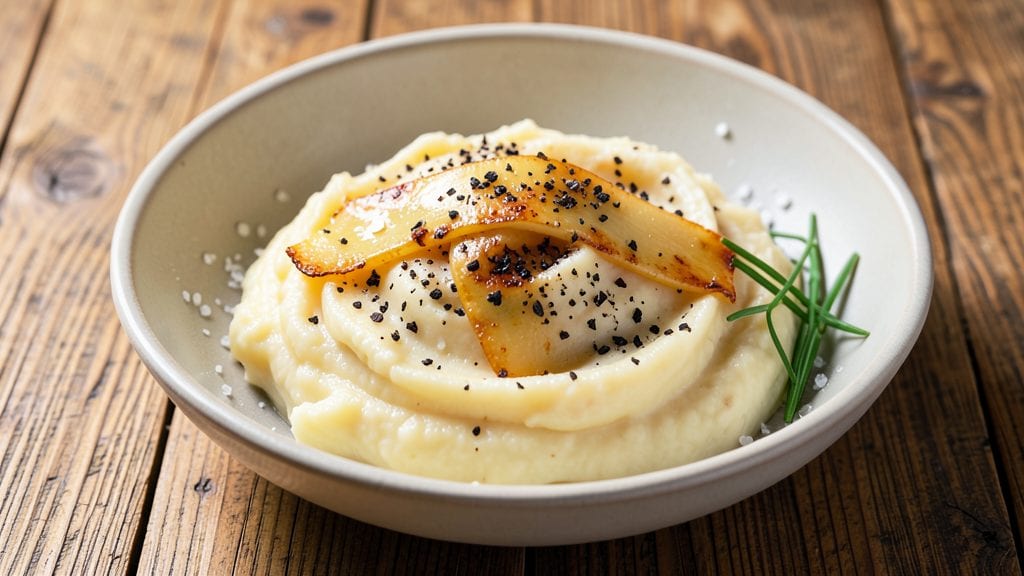
This sous vide mashed potatoes recipe transforms ordinary potatoes into restaurant-quality silkiness—no lumps, no guesswork, just velvety perfection every time. The secret lies in precise temperature control, which breaks down starches evenly while preserving moisture, resulting in a texture that feels almost impossible to achieve through traditional boiling.
I developed this method after years of struggling with gummy or grainy mashed potatoes, and the difference is night and day.
The process is simpler than it sounds: potatoes cook in a water bath at a gentle 185°F for 2 hours, ensuring even doneness without overcooking. Once cooked, they mash effortlessly with just butter, cream, and a touch of salt—no need for heavy-handed blending or extra starch.
The result is a luxuriously smooth side dish that pairs beautifully with roasted meats, holiday feasts, or even as a standalone comfort food.
What sets these apart is the foolproof texture: no lumps, no dryness, just a creamy, buttery consistency that melts in your mouth. The sous vide method eliminates common mashed potato pitfalls, making this the only technique you’ll ever need.
Whether you're hosting Thanksgiving or just craving a decadent side, this recipe delivers professional-quality results with minimal effort.
Best of all, the method scales perfectly—doubling or tripling the batch takes no extra time, making it ideal for large gatherings. Serve immediately for the most luxurious texture, or reheat gently to maintain that velvety finish.
Ready to elevate your mashed potatoes? Let’s get started with the precise steps that guarantee success every time.
Ingredients for sous vide mashed potatoes
Precision ingredients for restaurant-quality mashed potatoes without a single lump.
| Ingredient | Amount | Notes |
|---|---|---|
| Yukon Gold Potatoes 🥔 | 2 lb | Peeled, cut into even chunks |
| Heavy Cream 🥛 | ½ cup | Full-fat for optimal texture |
| Unsalted Butter 🧈 | ½ cup | Cold, cut into small cubes |
| Diamond Crystal Kosher Salt 🧂 | 1 ½ tsp | Adjust to taste |
| Freshly Ground Black Pepper 🌶️ | ½ tsp | For finishing |
| Water 💧 | 4 cups | For sous vide bath |
| Vacuum-Sealed Bags 📦 | 2 whole | 16x12 inch size preferred |
| White Vinegar 🍶 | 1 tbsp | Prevents oxidation in bath |
| Roasted Garlic Cloves 🧄 | 2 whole | Optional for depth of flavor |
| Nutmeg 🌿 | ¼ tsp | Freshly grated for aroma |
| Chicken Stock 🍲 | ¼ cup | Homemade preferred |
The Yukon Gold potatoes are non-negotiable here—their waxy texture and low starch content yield the silkiest results. Buy them fresh from a specialty grocer like Whole Foods or your local farmers' market, as they oxidize faster than russets. For optimal sous vide performance, cut them into 1.5-inch chunks for even cooking. The vacuum-sealed bags should be 16x12 inch or larger—Anova or sous vide supplies stores carry these reliably. If you're using a sous vide precision cooker, the Anova Nanodots are ideal for batch cooking.
No vacuum sealer? Zip-top bags with the water displacement method works in a pinch—just remove as much air as possible before sealing. Substituting heavy cream? Full-fat sour cream at half the amount adds tanginess, though texture will differ slightly. The chicken stock can be swapped for vegetable broth for a vegetarian version, but reduce the amount to 0.2 cup to prevent wateriness. Fresh nutmeg is worth the investment—pre-ground loses potency quickly. For extra richness, add 1 tbsp of crème fraîche at the end, but omit the heavy cream entirely.
Sous vide potatoes maintain peak texture for 24 hours refrigerated if stored in a sealed container with a thin layer of water on top. For longer storage, freeze in airtight containers for up to 3 months—thaw overnight in the fridge before reheating. To maintain silky texture, reheat gently in a double boiler or microwave with intervals. Never boil—this reintroduces lumps. The roasted garlic adds depth but can be omitted if you prefer classic flavor. Always taste before adding final salt adjustments.
Why You'll Love This Recipe
- I’ll be real: most mashed potatoes turn into glue after Day 2. Not these. The sous vide texture holds up, and reheating is a breeze—just a splash of cream and a quick mash. Plus, the cost? A fraction of store-bought gourmet versions. Budget win, flavor win.
- No Peel, No Stress: I swear by these potatoes—just slice, vacuum-seal, and let the sous vide do the work. No peeling, no boiling, no waiting for them to soften. The Yukon Golds break down into velvety perfection, and honestly? That’s half the battle won before you even add the cream.
- Creamy Luxury, Zero Guilt: That first forkful of buttery, ultra-smooth mash? It’s like a hug for your taste buds. The heavy cream and butter blend seamlessly, but here’s the kicker—you control the richness. Use less cream, and it’s still velvety. Use more? Well, let’s just say you’ll understand why I keep making it.
- Weeknight or Holiday Table: Between us, this is my secret for both Tuesday dinners and Thanksgiving leftovers. The sous vide method means you can prep ahead—store the cooked potatoes in the fridge for days and finish them off later. And yes, even on a Tuesday night, they’ll feel like a celebration.
Step-by-step instructions for sous vide mashed potatoes
Mastering sous vide transforms ordinary mashed potatoes into velvety perfection—here's how to achieve flawless texture every time.
Prepare the Sous Vide Bath
Fill a large pot with the 4 cups water and add the 1 tablespoon white vinegar to prevent oxidation. Place the pot on a stovetop burner and heat to 185°F—this precise temperature ensures tender potatoes without overcooking. I use an immersion circulator for even heat distribution, but a well-calibrated thermometer is essential. The water should remain perfectly still once heated, allowing for consistent cooking.
While the water heats, divide the peeled 2 lb Yukon Gold Potatoes into the 2 vacuum-sealed bags, distributing them evenly. Seal the bags completely to prevent water leakage during cooking. The vacuum seal ensures even heat penetration, which is critical for uniform texture. If using a non-vacuum sealer, squeeze out as much air as possible before sealing tightly.
Cook the Potatoes to Exact Doneness
Once the bath reaches 185°F, carefully submerge the sealed bags in the water. Cook for 90 minutes—this duration guarantees potatoes that are perfectly tender yet retain their structure, making them ideal for mashing. I've found that anything less than 90 minutes leaves them slightly resistant, while longer cooking times can make them mushy.
During cooking, gently shake the bags every 30 minutes to ensure even heat distribution. The potatoes should feel tender when pierced with a fork or skewer, but still hold their shape. If using the optional 2 whole roasted garlic cloves, add them to one of the bags for subtle depth of flavor. Remove the bags carefully to avoid spilling any water, which can dilute your final texture.
Drain and Mash with Precision
Open the bags and drain the potatoes thoroughly in a colander, shaking gently to remove excess moisture. Transfer them to a large mixing bowl and add the 0.5 cup cold unsalted butter and 0.25 cup chicken stock. The butter should be in small cubes to melt evenly, while the stock adds moisture and depth without overpowering the potato flavor. Use a potato masher or ricer for the smoothest texture—this prevents lumps that can form with a traditional fork.
Gradually incorporate the 0.5 cup heavy cream and 1.5 teaspoons diamond crystal kosher salt while mashing. The cream should be added slowly to avoid breaking the emulsion, which can happen if introduced too quickly. I like to work in batches if needed, ensuring each addition blends seamlessly. The mixture should be silky and uniform, with no visible lumps or dry spots. Taste and adjust seasoning—Yukon Golds are naturally mild, so salt is key to enhancing their flavor.
Finish with Aromatics and Texture
Transfer the mashed potatoes to a serving dish and stir in the 0.25 teaspoon freshly grated nutmeg and 0.5 teaspoon freshly ground black pepper. The nutmeg adds a warm, earthy note that complements the creaminess, while the pepper provides a subtle brightness. For a final touch, I like to press the 2 roasted garlic cloves (if used) through a garlic press directly into the potatoes, releasing their mellow, caramelized flavor.
Garnish with additional black pepper and serve immediately. The potatoes should be light, airy, and velvety, with no resistance when tasted. If the texture seems too thick, whisk in 1-2 tablespoons of warm milk or cream to achieve the perfect consistency. This method ensures every bite is buttery, smooth, and free of lumps—exactly what separates restaurant-quality mashed potatoes from the rest.
Pro Tips For Making Sous Vide Mashed Potatoes
- PRE-COOK AT 185°F: Yukon Golds need a long, gentle cook—12 to 18 hours at 185°F (85°C)—to break down evenly without turning gummy. I used to rush it at 195°F, and the texture was always off. Lower heat = creamier results.
- PEEL AFTER COOKING: Skip peeling raw potatoes—they’re easier to handle after sous vide. Once cooked, the skins slide off like a dream. (Yes, even Yukon Golds.) Pro move: Use a paring knife to shave off any stubborn bits.
- SALT THE CREAM: Season the heavy cream with ½ tsp kosher salt before heating it—this way, the flavor distributes evenly. I learned this the hard way when my first batch tasted bland until the very last spoonful.
- MASH WITH THE SKINS: Leave a few potato skins in the mash—they add texture and prevent a gluey finish. Toss them in whole, then mash until just broken down. (Your future self will notice the difference.)
Serving suggestions for leftovers
Garnish Like a Pro
Elevate your sous vide mashed potatoes with simple yet striking garnishes. A sprinkle of freshly cracked black pepper adds visual contrast against the creamy surface, while toasted pumpkin seeds provide a delightful crunch.
For a luxurious touch, I drizzle truffle oil (just ½ teaspoon) in a zigzag pattern—it enhances the earthy notes without overpowering. 🌟
Pair with Roasted Meats
These ultra-smooth potatoes complement roasted meats perfectly. I love serving them alongside herb-crusted beef tenderloin or balsamic-glazed pork chops, where the buttery texture soaks up rich meat juices. For a lighter option, pair with lemon-herb chicken—the acidity cuts through the richness beautifully. 🍖
Holiday Feast Centerpiece
Transform your Thanksgiving or Christmas dinner with these as the star side. Serve them in a warmed ceramic dish (like Le Creuset) for an elegant presentation. Top with crispy fried shallots and a dusting of smoked paprika for a restaurant-worthy finish.
The silky texture makes them feel special enough to steal the show. ✨
Unexpected Toppings
Think beyond butter and cream—these potatoes handle bold flavors surprisingly well. Try a spoonful of spicy brown butter or a dollop of sriracha-infused crème fraîche for heat lovers.
For a smoky twist, sprinkle with chipotle powder and crumbled feta. Even caramelized onions add sweetness that balances the creaminess perfectly. 🔥
Reheat Without Ruin
Leftovers? No problem. Reheat gently in a double boiler with warm water until steaming (about 10 minutes). For microwave reheating, cover with a damp paper towel and heat in 30-second bursts, stirring between each.
Avoid boiling—it reintroduces lumps and dulls the texture. The key is low, even heat to preserve that velvety finish. 💫
Serve in Creative Ways
Get creative with presentation! Pipe the mashed potatoes into individual ramekins and broil for 2 minutes to create golden crusts. For a modern twist, layer with crispy prosciutto and aged cheddar in a gratin dish.
Even a simple buttered dinner roll on the side makes them feel like a gourmet meal. The possibilities are endless once you break free from the traditional bowl. 🍽️
Nutrition facts
Frequently asked questions
Why do sous vide mashed potatoes turn out so much smoother than traditional methods?
The 185°F water bath breaks down potato starches evenly without overcooking, while traditional boiling can create uneven textures. The vacuum seal also preserves moisture perfectly, eliminating the need for heavy blending or extra butter to compensate for dryness.
Can I use regular potatoes instead of Yukon Golds?
Russet potatoes will work but may yield slightly drier results due to their higher starch content. For best texture, stick with Yukon Golds—their waxy texture and low starch create that signature velvety finish. If you must use russets, add an extra 1 tablespoon butter and 1 tablespoon cream to compensate.
What's the best way to reheat these potatoes without making them gummy?
Always reheat gently using a double boiler or microwave in 30-second intervals, stirring between each. Never boil—this reintroduces lumps. For extra insurance, cover with a damp paper towel to lock in moisture. The goal is to warm through without disrupting the silky texture.
How do I fix mashed potatoes that turned out too thick?
Whisk in 1-2 tablespoons warm milk or cream gradually until you reach the desired consistency. For a richer fix, add more cold butter and mash again. Avoid adding liquid all at once—this can break the emulsion and create a watery mess.
Can I make these ahead of time for a holiday gathering?
Cook the potatoes up to 24 hours ahead and store in an airtight container with a thin layer of water on top. Reheat gently in a double boiler before serving. For best results, finish with fresh butter and cream right before eating to maintain that restaurant-quality texture.