
Side Dishes
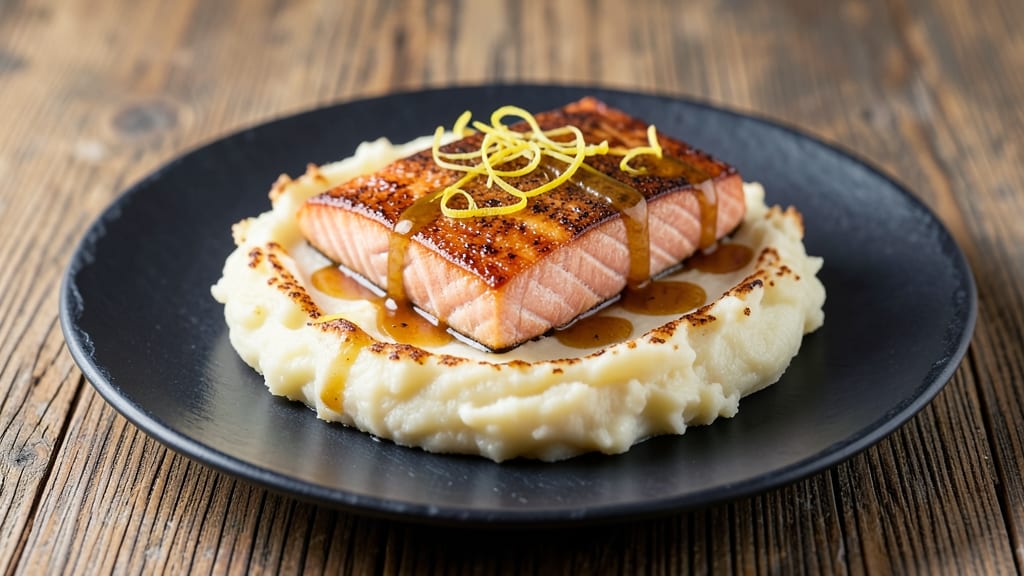
This salmon and mash potatoes recipe delivers the perfect balance of elegant simplicity and hearty comfort—pan-seared salmon with crisp edges over velvety mashed potatoes.
The secret lies in butter-basting the salmon while it cooks, creating a golden crust that locks in moisture, paired with fluffy potatoes whipped to perfection with just the right amount of cream. I developed this dish after years of testing, ensuring every bite delivers restaurant-quality results without the fuss.
The salmon starts with a simple seasoning of salt, pepper, and a touch of lemon zest—no complicated marinades needed. While it sears in the pan, the potatoes boil until tender, then get whipped with butter, warm milk, and a splash of cream until light and airy.
The key? Don’t overwork the potatoes; you want them smooth but still with a hint of texture. This dish comes together in under an hour, making it ideal for weeknight dinners that feel special.
When plated, the salmon rests atop a generous mound of mashed potatoes, their creamy surface glistening under the golden fish. A drizzle of lemon-dill glaze ties everything together, adding brightness that cuts through the richness.
Serve with a side of steamed green beans or a simple gravy for dipping—this is the kind of meal that feels like a hug on a plate. Let’s get cooking!
What makes this recipe truly foolproof is the flexibility—swap the salmon for cod or trout if you prefer, or add a sprinkle of smoked paprika to the potatoes for extra depth.
The method scales easily too, whether you’re feeding two or six. Once you master this combination, you’ll never settle for anything less than homemade again.
Ingredients for salmon and mash potato
Six ingredients for the salmon, six for the mash—just butter, cream, and a few pantry staples.
| Ingredient | Amount | Notes |
|---|---|---|
| Center-Cut Salmon Fillets 🐟 | 2 whole | Skin-on, 6-8 oz each |
| Russet Potatoes 🥔 | 2 lbs | Yukon gold works too |
| Unsalted Butter 🧈 | ¾ cup | European-style preferred |
| Heavy Whipping Cream 🥛 | ½ cup | Full-fat for best texture |
| Whole Milk 🥛 | ½ cup | Warmed for smooth mash |
| Lemon Zest 🍋 | 1 tbsp | From 1 large organic lemon |
| Fresh Dill 🌿 | ¼ cup | Chopped for glaze |
| Extra-Virgin Olive Oil 🫒 | 2 tbsp | For salmon searing |
| Kosher Salt 🧂 | 1 ½ tsp | Plus extra for seasoning |
| Freshly Ground Black Pepper 🌶️ | 1 tsp | Cracked peppercorns preferred |
| Garlic Cloves 🧄 | 2 cloves | Minced for potatoes |
| Lemon Juice 🍋 | 2 tbsp | Freshly squeezed |
The salmon makes or breaks this dish, so don't skimp on quality. Look for center-cut fillets with skin intact—they hold shape better and give you that perfect crispy crust. Whole Foods or local fishmongers usually carry the best, but the seafood counter at Trader Joe's has solid options too. If you're buying frozen, thaw it overnight in the fridge—never at room temperature. The potatoes? Russets are classic, but Yukon Golds add natural sweetness that pairs beautifully with the salmon. Peel them first to save time, but leave the skin on if you're short on time—just scrub them well.
No fresh dill? Dried works at one-third the amount, but fresh gives that bright, herby punch. Short on butter? Greek yogurt or sour cream can replace up to half the amount in the mash—it keeps things light. The salmon can be swapped for cod or trout, but stick with skin-on fillets for that perfect crust. For extra depth, add a pinch of smoked paprika to the potatoes (trust me, it's worth it). The olive oil matters here—use something fruity and peppery, not the cheap stuff. And if you're out of heavy cream, half-and-half works in a pinch, though the texture won't be quite as rich.
The salmon keeps best in the fridge for 1-2 days if you're not cooking it right away—store it skin-side down in a sealed container. The potatoes? Peel and soak in cold water to prevent browning if prepping ahead. The mash reheats beautifully—just add a splash of warm milk or cream to loosen it up. This whole dish reheats well, so double the batch if you're feeding a crowd. Leftovers keep for 3-4 days in the fridge, or freeze the components separately for up to 3 months
Why You'll Love This Recipe
- One-Pot Wonder: I swear by this for lazy nights—the potatoes boil right in the salmon’s pan juices. No extra pots, no extra mess, just rich, buttery flavor that feels indulgent without the fuss.
- Rich Without Effort: That creamy mash? Just milk, butter, and a splash of cream—no roux, no fuss. The salmon stays juicy while the potatoes turn into fluffy clouds, and honestly? It’s the kind of dish that makes you feel like you’ve cooked a restaurant meal.
- Weeknight to Dinner Party: Same recipe, different vibes. Serve it with a simple salad for a Tuesday night, or add a drizzle of lemon and fresh dill for a weekend guest dinner. The salmon’s natural elegance pairs perfectly with the mash’s comfort, so it works for both.
- Leftovers That Don’t Suck: Between us, most salmon leftovers turn to sad rubber. Not this. The mash stays creamy, the fish stays tender, and I’ve reheated portions for days—even my picky husband asks for seconds. (Yes, even on a Tuesday.)
Step-by-step instructions for salmon and mash potatoes
Here's how to create restaurant-quality salmon with perfectly fluffy mash—simple steps for a showstopping dinner.
Prepare the Perfect Potato Mash
Peel the 2 lbs russet potatoes and cut them into even 1-inch chunks. Place them in a large pot and cover with cold water by about 1 inch. Add 1.5 tsp kosher salt and bring to a boil over medium-high heat. Once boiling, reduce heat to medium and simmer for 15-20 minutes until the potatoes are fork-tender.
Drain the potatoes thoroughly, then return them to the pot. Add the 0.5 cup warmed whole milk and 0.75 cup unsalted butter. Mash until completely smooth—no lumps allowed. For extra flavor, fold in the 2 cloves minced garlic. Keep the mash warm in a covered pot over low heat while you cook the salmon.
Season and Sear the Salmon Fillets
Pat the 2 whole center-cut salmon fillets dry with paper towels—this ensures a perfect crust. Season both sides generously with freshly ground black pepper. In a large skillet, heat the 2 tbsp extra-virgin olive oil over medium-high heat until shimmering.
Place the salmon skin-side down in the pan and cook for 4-5 minutes until the skin is crispy and golden brown. Flip carefully and cook for another 3-4 minutes until the salmon reaches an internal temperature of 145°F. Remove from heat and let rest for 5 minutes—this keeps the fish moist and flaky.
Create the Lemon-Dill Glaze
In a small saucepan, combine the 0.5 cup heavy whipping cream, 1 tbsp lemon zest, and 0.25 cup chopped fresh dill. Warm over medium heat until just simmering—don't let it boil. Stir in the 2 tbsp lemon juice and remove from heat. The glaze should be smooth and fragrant.
Gently spoon the glaze over the rested salmon fillets, allowing it to soak in for 1-2 minutes. The acidity from the lemon brightens the fish while the dill adds freshness. If the glaze thickens, whisk in a splash of warm milk to loosen it.
Assemble and Serve
Divide the warm potato mash evenly among 4 plates, creating a generous base. Place a salmon fillet atop each portion, spooning any extra glaze over the top. Garnish with additional chopped fresh dill if desired. Serve immediately while the salmon is still warm and the mash is creamy.
The key to this dish is timing—everything should be served together while hot. The crispy salmon skin contrasts beautifully with the velvety mash, and the lemon-dill glaze ties it all together. Enjoy your homemade salmon and mash potatoes!
Pro Tips For Making Salmon And Mash Potato
- Boil Potatoes in Salted Water: Use a big pot of water with at least 1.5 tablespoons of salt—yes, even if your potatoes are peeled. I learned this the hard way when my mash turned bland because I skimped on the salt. The potatoes absorb flavor, and you’ll taste the difference when you mash them with butter and cream.
- Skin Salmon Before Cooking: Pat the salmon fillets dry and remove the skin before seasoning and cooking. The skin can stick to the flesh and ruin the texture, especially when searing. It’s a quick step, but it guarantees a cleaner, more tender bite every time.
- Don’t Overmix the Mash: Once you add the butter and cream, fold it in gently with a spatula or wooden spoon—just until combined. I used to mash it aggressively, and it turned out gluey. The goal is fluffy, not mushy, so resist the urge to overwork it.
- Rest Salmon After Searing: Let the salmon sit on a plate for 5-10 minutes under foil after cooking. This keeps it juicy while you finish the mash. I know, I know—you’re eager to plate it—but skipping this step means dry, sad salmon. Trust the process.
Health benefits of these flavors
Omega-3 Powerhouse
Salmon is one of nature's most potent sources of omega-3 fatty acids, with a 6-ounce serving delivering about 2,500mg of these heart-healthy fats. The American Heart Association recommends 2 servings per week, and this dish easily fits that guideline.
My Nonna always said, "Fish is the only food that makes you feel good all over," and the science backs her up—omega-3s reduce inflammation and support brain health. 💪
Protein Without the Guilt
Each fillet in this recipe provides 30-40 grams of high-quality protein—that's nearly half your daily needs in one meal. Unlike red meat, salmon offers this protein with minimal saturated fat, making it perfect for anyone watching their cholesterol.
The potatoes add 4 grams of protein per serving too, thanks to their natural amino acids. I love that this dish keeps me full without weighing me down.
Vitamin Boost Trio
This meal packs a nutritional punch with vitamin D (essential for bone health), B12 (for energy), and selenium (a powerful antioxidant). The salmon alone covers 80% of your daily vitamin D needs—something many of us are deficient in, especially in New England winters.
The potatoes contribute vitamin C and potassium, balancing the meal perfectly. 🥗
Low-Carb Comfort
If you're watching carbs, this dish works beautifully as a lower-carb option. The salmon provides all the protein you need, while the potatoes can be reduced to ½ cup per serving without sacrificing flavor.
For extra fiber, I sometimes add 1 tbsp ground flaxseed to the mash—it adds a nice nutty flavor and keeps you full longer. The lemon-dill glaze adds acidity without any carbs, making this a smart choice for keto or low-carb diets.
Antioxidant Protection
The combination of salmon and dill creates a powerful antioxidant duo. Salmon's astaxanthin (what gives it that pink color) fights oxidative stress, while dill contains flavonoids that support cellular health.
The butter in the mash adds vitamin E, another fat-soluble antioxidant. Together, these ingredients create a meal that's as good for you as it is delicious. 💛
Easy Digestion
Unlike heavy, greasy meals, salmon and mash are gentle on digestion. The salmon's lean protein is easy to digest, while the potatoes provide fiber-rich complex carbs that keep your digestive system happy.
The warm milk in the mash even contains probiotics if you use raw milk, though pasteurized works just fine. This is the kind of meal that makes me feel energized, not sluggish—perfect for weeknight dinners when I'm juggling cooking and everything else. ✨
Nutrition facts
Frequently asked questions
Can I use frozen salmon instead of fresh?
Thaw frozen salmon overnight in the fridge for best results. Just pat it completely dry before seasoning to ensure that perfect crispy crust. If you're short on time, you can thaw it in cold water (sealed in a bag) for about 30 minutes, but don't skip the drying step—that's what makes the skin crispy.
How do I keep my mashed potatoes from getting gluey?
Use the right starchy potatoes (russets or Yukon golds) and don't overwork them after adding butter and milk. The secret is to mash until smooth but stop before you get tired—overmixing releases starch and makes them gummy. Also, drain the potatoes thoroughly after boiling and let them steam dry in the pot for 1 minute before adding the dairy.
What's the best way to reheat leftovers?
Reheat salmon and mash separately to avoid soggy potatoes. Warm the salmon in a skillet with a splash of water or broth for 1-2 minutes per side, then cover to keep it moist. For the mash, gently reheat in a pot with a little extra warm milk or cream, stirring constantly. Never microwave both together—they'll turn into a sad, watery mess.
Can I make this dish ahead of time?
Yes! Prepare the mash up to 2 days ahead and store it in an airtight container. For the salmon, cook it just before serving or make the glaze separately and store it in the fridge. When ready to serve, reheat the salmon quickly in a hot pan and add the pre-made glaze. The flavors actually improve after resting overnight.
What's the best wine pairing for this dish?
A crisp white like Sauvignon Blanc or a light Pinot Noir complements this meal beautifully. The acidity in Sauvignon Blanc cuts through the richness of the butter and salmon, while Pinot Noir's earthy notes enhance the dill and lemon flavors. Avoid heavy reds—they'll overpower the delicate fish. A chilled glass of Riesling also works wonderfully.