
Side Dishes
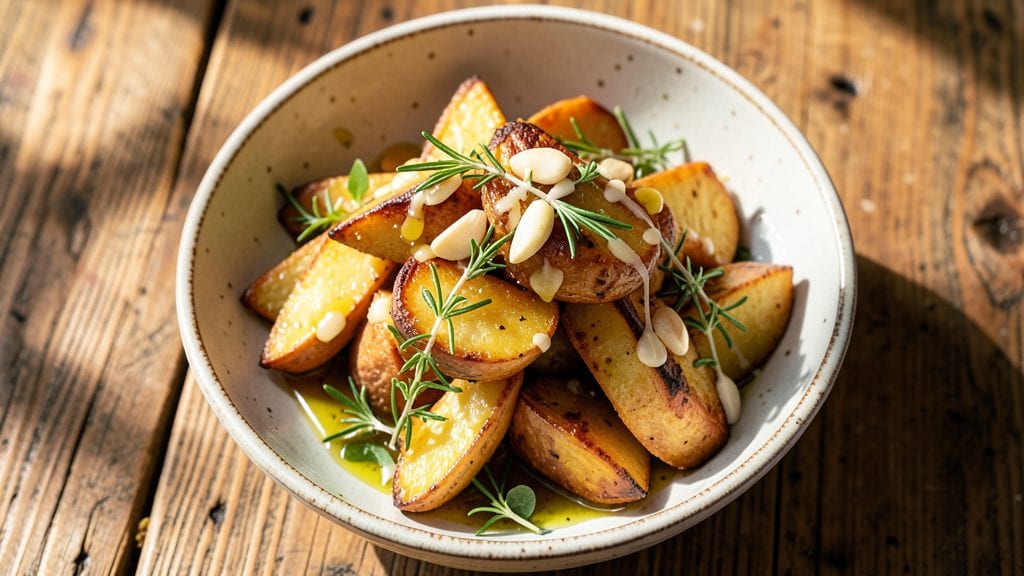
This russett potato recipe transforms humble spuds into a showstopping side with crispy edges and tender centers—perfect for elevating any meal. The secret lies in high-heat roasting and a vinegar-kissed finish that adds tangy depth, while garlic-herb seasoning infuses every bite with savory warmth.
I developed this method after years of testing, ensuring the potatoes achieve that ideal balance of texture and flavor that restaurant sides can't match.
What makes this recipe truly professional is its precision: 425°F oven heat creates crispy edges without burning, while the vinegar glaze locks in moisture for a tender interior. The garlic-herb blend adds aromatic complexity that pairs beautifully with roasted meats or grilled proteins.
Unlike traditional boiled potatoes, these roasted wedges deliver restaurant-quality results with minimal effort—ideal for weeknight dinners or holiday feasts.
By the time you pull these golden-brown wedges from the oven, you'll have a side dish that's crispy on the outside, fluffy inside, and bursting with herby, tangy flavor. The vinegar-kissed finish elevates simple potatoes into something special, making them the star of your plate.
This method works equally well for individual servings or crowd-pleasing platters, ensuring perfect results every time.
For extra versatility, try tossing the wedges in smoked paprika for a BBQ-inspired twist or adding Parmesan for a cheesy crunch. The same technique works for mashed potatoes too—simply adjust the cooking time and seasoning.
Let's get cooking with this foolproof method that transforms basic russet potatoes into a gourmet-worthy side dish.
Ingredients for russett potato
High-quality russets, aromatic herbs, and precise seasoning transform simple potatoes into restaurant-worthy wedges.
| Ingredient | Amount | Notes |
|---|---|---|
| Russet Potatoes 🥔 | 3 lb | Large, uniform size for even cooking |
| Extra-Virgin Olive Oil 🫒 | ½ cup | High-quality, fruity variety preferred |
| White Wine Vinegar 🍷 | ¼ cup | Dry, aged for best tang |
| Garlic Cloves 🧄 | 6 cloves | Fresh, peeled, minced finely |
| Fresh Rosemary 🌿 | ¼ cup | Finely chopped, stems removed |
| Fresh Thyme 🌿 | ¼ cup | Leaves only, finely chopped |
| Diamond Crystal Kosher Salt 🧂 | 1 ½ tbsp | Coarse grain for even seasoning |
| Freshly Ground Black Pepper 🌶️ | 1 tsp | Coarsely cracked for texture |
| Granulated Garlic 🧄 | 1 tsp | For even distribution in seasoning |
| Smoked Paprika 🌶️ | 1 tsp | Optional for BBQ-inspired twist |
| Parmesan Cheese 🧀 | ¼ cup | Freshly grated, for finishing |
| Fresh Parsley 🌿 | ⅛ cup | Chopped, for garnish |
The russet potatoes are the foundation—select large, firm russets with minimal blemishes for even cooking. Whole Foods or Trader Joe's carry excellent organic russets, but any reputable grocery store's russet selection works. Avoid potatoes with sprouts or soft spots, as these indicate poor storage quality. For optimal texture, cut the potatoes into 1.5-inch wedges, ensuring the skin remains intact on at least one side to prevent browning. The key to crispy edges lies in the high-heat roasting technique, which requires potatoes to be dry before seasoning—pat them thoroughly with paper towels after cutting.
For the vinegar glaze, aged white wine vinegar delivers the best balance of tang and acidity—Bragg or Heinz are reliable options. Fresh garlic and herbs are non-negotiable for authentic flavor; dried substitutes will yield a less vibrant result. If you must use dried herbs, reduce the amount to one-third of the fresh quantity. The smoked paprika and Parmesan are optional but elevate the dish significantly—Penzeys offers excellent smoked paprika for an authentic smoky depth. For a cheesy finish, Parmigiano-Reggiano provides superior flavor over pre-grated alternatives. Store-bought olive oil should be extra-virgin to withstand high-heat roasting without burning.
Freshly cut potatoes begin the roasting process immediately to prevent oxidation. Store any prepped wedges in an airtight container lined with a damp paper towel to maintain moisture and crispness for up to 12 hours in the refrigerator. The roasted wedges reach peak flavor when served immediately, but they reheat beautifully in a 400°F oven for 5-7 minutes with a splash of water to restore crispness. For meal prep, portion the wedges into single-serving containers and freeze for up to 3 months—reheat directly from frozen, adding an extra 2-3 minutes to the oven time. The vinegar glaze can be pre-mixed and stored in a sealed jar for 2 weeks in the fridge.
Why You'll Love This Recipe
- One-Pan Magic: The moment you slide those halved russets onto a sheet pan—no chopping, no peeling—you’re already winning. Toss with olive oil, garlic, and rosemary, then roast until the edges caramelize. That’s it. No pots, no pans, no stress.
- Herb-Infused Crunch: Between us, the rosemary and garlic in the olive oil make these potatoes ridiculously flavorful. The crispy skin gives way to fluffy insides, and that bright vinegar finish? It’s the little details that turn a side dish into the star.
- Game for Any Meal: Serve these alongside grilled chicken for a weeknight dinner, pile them high for game day snacks, or pack them in lunches—still warm, still delicious. They’re the ultimate crowd-pleaser, no matter the occasion.
- Budget-Friendly Staple: Russets are cheap, and this recipe stretches them far. Leftovers? Reheat with a sprinkle of salt, and they taste just as good the next day. Honestly, I’ve made this with a whole bag of potatoes and still had seconds.
Step-by-step instructions for garlic-herb roast with crispy vinegar-kissed wedges
Here's how to transform simple russet potatoes into restaurant-worthy wedges with a perfect balance of crispy edges and tender interiors.
Prepare the Potatoes for Maximum Crispiness
Preheat your oven to 425°F for optimal browning. Cut the 3 lb russet potatoes into 1½-inch wedges, leaving the skin intact for texture. Spread them on two large baking sheets in a single layer, ensuring they don't overlap—crowding steams instead of crisps.
Toss the wedges with 0.25 cup white wine vinegar and 1.5 tbsp diamond crystal kosher salt immediately after cutting. The vinegar creates a chemical reaction that breaks down the potato starches, resulting in that coveted crispy exterior. Let them sit for 15 minutes while you prepare the seasoning blend.
Create the Garlic-Herb Seasoning Blend
In a small bowl, combine 0.5 cup extra-virgin olive oil, 6 cloves minced garlic cloves, 0.25 cup finely chopped fresh rosemary, 0.25 cup finely chopped fresh thyme, 1 tsp granulated garlic, 1 tsp smoked paprika, and 1 tsp freshly ground black pepper. Whisk vigorously until the herbs are fully incorporated and the mixture is emulsified.
This blend should be vibrant green from the herbs and aromatic enough to fill your kitchen. The combination of fresh and granulated garlic provides both intense flavor and even distribution. Let the seasoning sit for 5 minutes to allow the garlic to soften slightly and release its oils.
Season and Roast to Crispy Perfection
Drain the potatoes thoroughly after the vinegar bath, shaking them in a colander for 30 seconds to remove excess moisture. This step is critical—wet potatoes will steam instead of crisp. Transfer the drained wedges to a large mixing bowl and pour the seasoning blend over them.
Using clean hands or a silicone spatula, toss the potatoes until every wedge is evenly coated. Spread them back on the baking sheets in a single layer, ensuring maximum surface area exposure to the hot air. Roast for 30 minutes, then flip each wedge carefully with tongs. Continue roasting for another 20-25 minutes until the edges are deep golden brown and the internal temperature reaches 205°F.
Finish with Parmesan and Garnish
Remove the potatoes from the oven and immediately sprinkle with 0.25 cup freshly grated parmesan cheese. The residual heat will melt the cheese slightly, creating a delicious coating. Toss gently to distribute evenly, then transfer to a serving platter. Garnish with 0.125 cup chopped fresh parsley for a pop of color and freshness.
Serve immediately while the wedges are still crispy. The combination of the vinegar-kissed edges, garlic-herb seasoning, and melted parmesan creates a symphony of textures and flavors. For best results, serve with a side of your favorite dipping sauce or a simple aioli made from the remaining olive oil and a touch of lemon juice.
Pro Tips For Making Russett Potato
- PARBOIL UNTIL TENDER: Russets stay dense if you rush this—drop them in boiling salted water for 12-15 minutes until a knife slides in like butter. Overcooking here turns them mushy later, and nobody wants that.
- DRY THEM WELL: After draining, rough up the skins with your hands and pat them dry with a kitchen towel—no wet spots. I learned this the hard way when my potatoes steamed instead of roasted, and the result was sad, soggy edges.
- ROAST IN BATCHES: Crowding the pan? Skip it. Cook in single-layer batches on the middle rack for even browning. The first batch will crisp up while the second warms—swap trays halfway if needed. Yes, it’s an extra load, but the texture is worth it.
- FINISH WITH VINEGAR: Toss the warm potatoes with the vinegar last thing, right off the heat. The acid brightens the rosemary and garlic, but add it too soon and you’ll just steam them again. Think of it as the wake-up call for flavor.
Common mistakes when making perfect results
Skipping the Vinegar Soak
One of the biggest mistakes I see is omitting the vinegar soak entirely. That 15-minute vinegar bath with salt is what creates the crispy exterior through a chemical reaction called osmosis—the vinegar breaks down surface starches, making them caramelize faster.
Without it, your wedges will turn out soggy and pale. If you're in a hurry, at least toss them with 1 tablespoon vinegar and 1 teaspoon salt right before roasting. 💡
Overcrowding the Pan
I can't stress enough how critical it is to avoid overcrowding your baking sheets. When potatoes are stacked or touching, they steam instead of crisp. Spread them in a single layer with at least ½ inch of space between wedges.
If you're short on pans, roast in batches—it's worth the extra time. I use two half-sheet pans for this recipe to ensure maximum airflow. 🔥
Uneven Cutting
Inconsistent wedge sizes lead to uneven cooking—some pieces crisp while others remain raw. Aim for 1½-inch wedges with the skin intact on at least one side. Use a sharp chef's knife and cut from the stem end toward the stem to create uniform pieces.
For extra precision, I recommend a mandoline slicer with a wedge attachment. 💪
Skipping the Resting Time
After roasting, many people rush to serve immediately, but potatoes need a 5-minute rest off the baking sheet. This allows residual heat to finish cooking the centers and prevents moisture loss. Transfer them to a clean platter or bowl before adding Parmesan—this keeps them crispy longer. 🌟
Using Low-Quality Oil
Not all olive oils are created equal. Using a light or refined olive oil for high-heat roasting will produce bitter, burnt flavors. Stick with extra-virgin olive oil with a high smoke point (like California Olive Ranch or Colavita).
The fruity notes complement the herbs beautifully, while cheaper oils can make your potatoes taste flat. ✨
Overcooking for Crispiness
Pushing the roasting time past 205°F internal temperature turns crispy edges into burnt carbon. Check doneness at 20-25 minutes after flipping—pull them when the edges are golden brown but still slightly firm. If they're too dark, they'll taste bitter. A meat thermometer is your best friend here. 🌡️
Nutrition facts
Frequently asked questions
What's the secret to getting russet potatoes extra crispy?
The vinegar soak for 15 minutes before roasting breaks down surface starches, creating that perfect crispy texture. After draining, pat them completely dry—any moisture will steam instead of crisp. Roast at 425°F in a single layer with space between wedges for maximum airflow.
Can I use sweet potatoes instead of russets?
Sweet potatoes have a different starch composition and moisture content, so they won't crisp the same way. Stick with russets for this recipe—their high starch content and dry flesh are ideal for achieving that perfect crunch. If you must substitute, try Yukon Golds, but expect slightly less crispiness.
How do I store leftover roasted russet wedges?
Let them cool completely, then store in an airtight container for up to 4 days at room temperature. For longer storage, freeze for up to 3 months. To reheat, bake at 400°F for 5-7 minutes with a splash of water to restore crispiness. Avoid microwaving—it makes them soggy.
What's the best way to make mashed potatoes using this technique?
For mashed potatoes, boil whole russets until tender (15-20 minutes in salted water), then drain and mash with butter, cream, and salt. The same garlic-herb seasoning works great—mix 1 tbsp olive oil, 1 tsp granulated garlic, and ½ tsp each rosemary/thyme into the hot mash. The vinegar trick isn't needed for mashed potatoes.
Can I make this recipe in an air fryer?
Yes! Preheat the air fryer to 400°F and cook in batches for 12-15 minutes, shaking halfway. Start with 15 minutes for 1-inch wedges, checking at 10 minutes to avoid burning. The air fryer works well but requires closer monitoring than the oven.