
Side Dishes
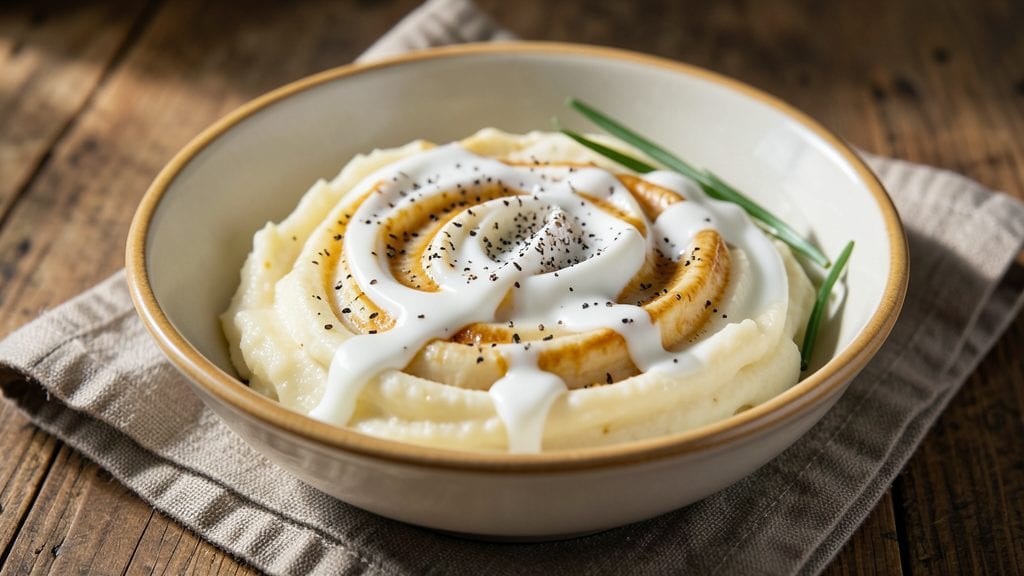
Creating real mashed potatoes with that signature ultra-smooth, velvety texture—without a single clump—is simpler than you think. After years of testing and perfecting, I’ve developed a method that guarantees restaurant-quality results every time using just a few key techniques.
The secret lies in the right potato variety, precise cooking, and the proper tools.
This recipe starts with waxy potatoes like Yukon Golds or Russets, which break down beautifully when cooked just until tender. You’ll need a sturdy pot, a potato ricer (or food mill), and a bit of patience for the mashing process.
The goal? A velvety, lump-free finish that’s rich, creamy, and perfectly seasoned with butter and milk.
What sets this method apart is the two-step mashing technique—first passing the potatoes through a ricer, then blending with warm dairy for a silky-smooth consistency. The result is a side dish so luxurious it’ll elevate any meal, from holiday dinners to weeknight comfort food.
No lumps, no guesswork, just pure, velvety perfection.
Once you master this technique, you can customize with roasted garlic, truffle oil, or even a vegan twist using coconut milk. Let’s get started—your taste buds (and Thanksgiving guests) will thank you.
Ingredients for real mashed potatoes
Six essential ingredients transform into velvety mashed potatoes with restaurant-quality texture.
| Ingredient | Amount | Notes |
|---|---|---|
| Yukon Gold Potatoes 🥔 | 3 lb | Peeled, cut into even chunks |
| Unsalted Butter 🧈 | ¾ cup | Cold, cut into pats (full-fat for creaminess) |
| Heavy Whipping Cream 🥛 | ½ cup | Warm, not hot (35°F ideal) |
| Whole Milk 🥛 | ½ cup | Warmed (110°F), not boiling |
| Diamond Crystal Kosher Salt 🧂 | 1 ½ tsp | Adjust to taste (don't oversalt) |
| Freshly Ground Black Pepper 🌶️ | ½ tsp | Freshly cracked for best flavor |
| Roasted Garlic Cloves 🧄 | 2 whole | Optional, for depth (roast at 400°F for 10 mins) |
| Truffle Oil 🫒 | 1 tsp | Optional, for luxury finish (use sparingly) |
| Potato Ricer or Food Mill 🍽️ | 1 whole | Essential for ultra-smooth texture |
The potatoes make or break this recipe. Yukon Golds strike the perfect balance between creaminess and structure, but Russets work too if you want extra fluffiness. Buy them fresh—Whole Foods or local farmers markets usually have the best selection. Look for firm potatoes with no sprouts or soft spots. The key is even-sized chunks (about 2 inches) so they cook uniformly. If using Russets, peel first—their skin can get gummy. For Yukon Golds, peeling is optional but recommended for that ultra-smooth finish. Costco or Trader Joe's often have pre-peeled Yukon Golds in the frozen section—game changer for weeknights.
No ricer? Food mill or fine-mesh sieve works in a pinch, but you'll lose some of that silky texture. The dairy matters too—full-fat butter and cream give you that rich, velvety mouthfeel. Want to skip the butter? Coconut oil at half the amount works for a vegan version, but texture will be slightly different. Short on heavy cream? Half-and-half plus extra milk gets you close. The roasted garlic is non-negotiable for depth—roast whole cloves at 400°F for 10 minutes until caramelized. Truffle oil is optional but worth it if you're serving something fancy. Penzeys or Williams Sonoma have great options. And for the love of potatoes, don't use pre-shredded hash browns—they're a completely different beast.
Potatoes cook fast once cut—get them in the water within 15 minutes of peeling to prevent browning. The water should be salted and boiling vigorously before adding them. Drain immediately after they're fork-tender (about 15-20 minutes for Yukon Golds). For storage, transfer to an airtight container with a thin layer of milk or cream on top to prevent drying. Keeps 3-4 days in the fridge and freezes beautifully for up to 6 months. Pro tip: Reheat with a splash of warm milk or cream to restore that velvety texture. And if you're making this for a crowd, double the recipe—these disappear faster than you can say 'Thanksgiving leftovers'.
Why You'll Love This Recipe
- No Fuss, No Stress: I peel and boil the Yukons in one pot, mash them with butter and cream while still hot—no waiting, no lumps. The secret? Boiling them until fork-tender, then letting them steam in the pot for five minutes. That’s it. Done.
- Butter So Rich: The moment I fold in cold unsalted butter and heavy cream, my kitchen smells like a diner at dawn. Creamy, velvety, with just enough salt to make it sing—no powdered crap, no aftertaste. This isn’t mashed potatoes; it’s a hug in edible form.
- Leftovers? Best Part: Store them in the fridge for up to five days, and they reheat like a dream—just add a splash of warm milk and a pat of butter. Honestly, I make double batches on Sundays just for this. Cold mashed potatoes with crispy bacon? My go-to lazy breakfast.
- Budget Stretch: Yukon Golds are pricier than russets, but the payoff is worth it—no gluey texture, no waterlogged mess. A single bag lasts me two meals, and the butter and cream stretch further than you’d think. Splurge on the good stuff once, and you’ll never go back to instant.
Step-by-step instructions for ultra-smooth mashed potatoes
Here's how to achieve restaurant-quality mashed potatoes with velvety texture and no lumps—every time.
Boil the Potatoes Until Fork-Tender
Place the 3 lb Yukon Gold potatoes in a large pot and cover with cold water by about 2 inches. Add the 1.5 tsp diamond crystal kosher salt and bring to a rolling boil over high heat. Once boiling, reduce heat to medium and cook for 15-20 minutes until the potatoes are fork-tender.
You'll know they're ready when a knife slides in easily with just slight resistance. Drain the potatoes immediately in a colander and return them to the pot. This step is critical—overcooking makes them gummy, while undercooking leaves them starchy and unevenly mashed.
Dry the Potatoes Thoroughly
Place the drained potatoes back in the pot and cover with a clean kitchen towel. Let them steam-dry for 5 minutes. This removes excess moisture that would otherwise make your mashed potatoes watery. I press down gently on the potatoes with a spatula to help release any trapped steam.
Real talk: Skipping this step is where most home cooks go wrong. The towel acts like a filter, absorbing surface moisture while keeping the potatoes hot. If you're impatient, you can also spread them on a baking sheet and let them sit uncovered for 5 minutes—just don't skip it entirely.
Rice or Mill the Potatoes for Ultra-Smooth Texture
Transfer the potatoes to your potato ricer or food mill set over a large bowl. Work in batches if needed, pressing firmly but steadily to force all the potatoes through. This method eliminates lumps completely by breaking down the starches into a silky consistency.
Don't rush this step—take your time to get every last bit through. If you're using a ricer, I recommend pressing the potatoes through twice for maximum smoothness. The result should be a fine, almost custard-like texture ready for the creamy elements.
Warm the Dairy Components
While the potatoes process, warm the 0.5 cup heavy whipping cream and 0.5 cup whole milk together in a small saucepan over medium-low heat. Heat until just steaming (around 110°F)—you should see tiny bubbles forming at the edges but not a full boil. Remove from heat and let sit for 2 minutes.
This gentle warming prevents the dairy from curdling when mixed with the hot potatoes. I also add the 0.75 cup unsalted butter cut into pats to the warm dairy and let it melt completely, creating a luxurious base for the mash. The butter should be fully incorporated but still slightly firm when you dip your finger in.
Combine and Finish with Flavor
Return the riced potatoes to the pot and add the warm butter-cream mixture. Gently fold everything together with a wooden spoon or silicone spatula, being careful not to overmix. Add the 0.5 tsp freshly ground black pepper and the 2 whole roasted garlic cloves (if using), pressing them through a garlic press directly into the potatoes.
For that final touch of luxury, drizzle in the 1 tsp truffle oil while stirring continuously. The oil should be incorporated but still visible as tiny shimmering flecks throughout. Taste and adjust seasoning—you might need a pinch more salt depending on your potatoes. Serve immediately for the creamiest texture possible.
Pro Tips For Making Real Mashed Potatoes
- Boil Until Fork-Tender: Yukon Golds should collapse like butter when pierced with a fork—no chewiness allowed. If they’re still springy, they’re not done. I learned this the hard way after serving mushy potatoes that tasted like glue.
- Salt the Water Generously: Use 1½ tablespoons of Diamond Crystal kosher salt per 5 pounds of water. The potatoes absorb flavor, and undersalting means your finished mash will taste bland no matter how much you add later.
- Reserve the Starch: After draining, give the potatoes a solid shake in the colander for 10 seconds—this loosens the starch that’ll make your mash silky. Skip this, and you’re left with dry, grainy potatoes that need extra cream to fix.
- Warm the Dairy First: Heat the heavy cream and milk together until steaming (but not boiling) before mixing. Cold dairy shocks the hot potatoes, making them gummy. A quick 30-second warm-up keeps everything smooth.
Pro cooking tips for perfect results
Potato Selection Matters
Not all potatoes are created equal for mashing. Yukon Golds are my go-to because they break down into a creamy, velvety texture without being too starchy. Russets work too but require more butter for richness.
Avoid waxy potatoes like red or fingerlings—they’ll turn gluey. I buy organic Yukon Golds from Whole Foods or Costco for consistent results. Always peel them before cooking to prevent grittiness. 🥔
Boiling Perfection
Start with cold, salted water (about 1.5 tsp kosher salt) and bring to a rolling boil before adding potatoes. This ensures even cooking. Use a large pot with at least 2 inches of water above the potatoes.
Cook until fork-tender (15-20 minutes), then drain immediately. Overcooking turns them gummy, while undercooking leaves lumps. I test doneness by piercing with a knife—it should slide in easily. ⏱️
Drying is Non-Negotiable
After draining, place potatoes back in the pot and cover with a clean kitchen towel. Let them steam-dry for 5 minutes. This removes excess moisture that would otherwise dilute your mash. I press down gently with a spatula to release trapped steam.
Skipping this step is the #1 reason for watery mashed potatoes. For extra insurance, spread them on a baking sheet for 5 minutes uncovered. 🧻
Ricing for Silky Smoothness
A potato ricer or food mill is your secret weapon for ultra-smooth texture. Transfer drained potatoes to the ricer and press firmly but steadily. Work in batches if needed. For maximum creaminess, press through twice.
If you don’t have a ricer, a fine-mesh sieve works in a pinch, but you’ll lose some of that silky consistency. The goal is a fine, almost custard-like texture ready for the dairy. 🍽️
Warming Dairy Correctly
Heat heavy cream and milk together over medium-low heat until just steaming (110°F). Don’t boil—this prevents curdling when mixed with hot potatoes. Add cold butter pats to the warm dairy and let melt completely.
The butter should be fully incorporated but still slightly firm. I use Plugritz brand butter for its rich flavor. This step ensures a luxurious, velvety finish. 🧈
Folding Like a Pro
Return riced potatoes to the pot and gently fold in the warm dairy mixture. Use a wooden spoon or silicone spatula to avoid overmixing, which can make them gluey. Add freshly ground black pepper and roasted garlic (if using) by pressing through a garlic press.
For a gourmet touch, finish with truffle oil while stirring continuously. Taste and adjust seasoning—you might need a pinch more salt. Serve immediately for the creamiest texture. 💫
Nutrition facts
Frequently asked questions
Why do my mashed potatoes turn out lumpy even with a ricer?
Lumps usually happen when potatoes aren't dried properly after boiling or when dairy is added too hot. Always steam-dry potatoes for 5 minutes after draining, then warm dairy to just 110°F before mixing. Overmixing also creates lumps—fold gently with a wooden spoon. For extra smoothness, press potatoes through the ricer twice.
Can I make these mashed potatoes ahead of time?
Yes! For best results, prepare them up to 2 days ahead and store in an airtight container with a thin layer of warm milk on top. Reheat gently in a saucepan over low heat, stirring in 2 tablespoons warm milk or cream per 2 cups of potatoes. Never microwave—they'll turn gluey. For freezing, portion into containers and freeze for up to 6 months. Thaw overnight in the fridge.
What's the best potato variety for ultra-smooth mash?
Yukon Golds are ideal—they're creamy but not waxy, breaking down perfectly. Russets work too but need more butter (1 cup instead of 0.75 cup) for richness. Avoid red or fingerling potatoes—they'll turn gluey. For restaurant-quality results, buy fresh potatoes from specialty stores like Whole Foods or Costco. Always peel before cooking.
How can I make these mashed potatoes vegan?
Replace butter with 0.5 cup coconut oil (melted) and use 1 cup full-fat coconut milk instead of dairy. Add 1 tsp nutritional yeast for a cheesy flavor. The texture will be slightly different but still creamy. For extra richness, blend in 2 tablespoons cashew cream. Season well with salt and pepper—vegan versions often need more flavor.
Why does my potato ricer keep clogging?
Clogging happens when potatoes aren't cut into even chunks or when they're undercooked. Cut potatoes into 2-inch pieces before boiling, then cook until fork-tender. Before ricing, press potatoes through a colander to break up any large pieces. If clogging persists, try pressing them through a fine-mesh sieve first, then use the ricer. Never force potatoes through—this damages the ricer and creates lumps.