
Side Dishes
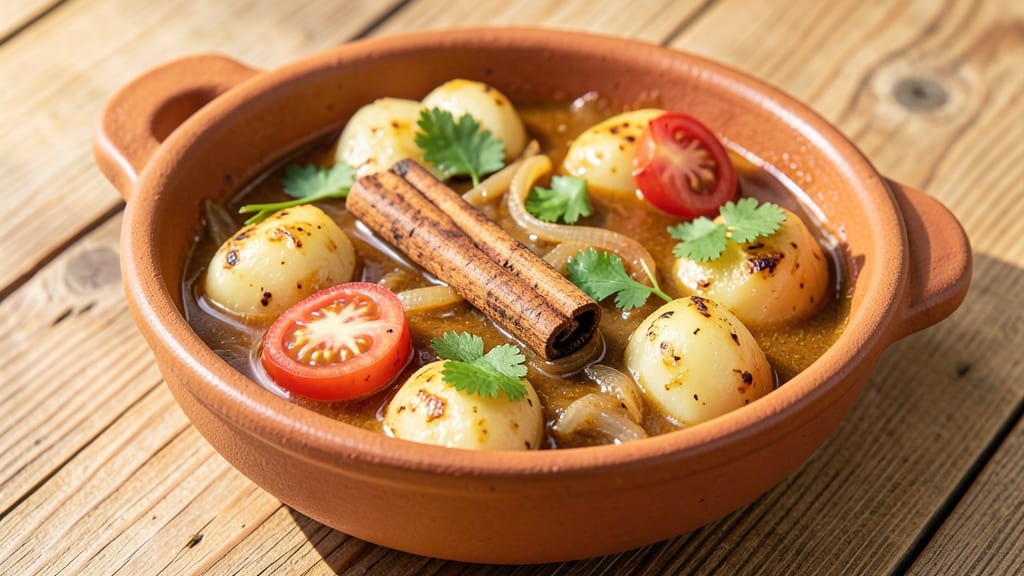
This potato kurma recipe transforms humble potatoes into a velvety, spice-infused masterpiece that belongs on any South Asian table. The secret lies in slow-simmered coconut milk and aromatic whole spices that melt into a rich, golden gravy—no heavy cream needed.
I first made this during a rainy monsoon season when I wanted comfort food that felt like a hug in a bowl. The spices toast until fragrant, the tomatoes break down into a luscious base, and the potatoes soak up every drop of that creamy coconut-spice magic.
What makes this recipe special is its one-pot simplicity—just 15 minutes of prep followed by 30 minutes of hands-off simmering. The key steps are proper spice blooming (never skip this!) and partial cooking the potatoes first to prevent mushiness.
This version stays true to tradition while using accessible ingredients: coconut milk, tomatoes, ginger-garlic paste, and a blend of warm spices like cinnamon and cardamom. The result? A dish that’s restaurant-quality but feels like home cooking.
By the time you serve it steaming hot with basmati rice or flaky naan, you’ll have created something visually stunning—golden potatoes floating in a glossy, spiced gravy that smells like a spice market.
The texture is perfectly tender, not dry, and the flavors build in layers: sweet from the tomatoes, creamy from the coconut, and a subtle warmth from the spices. This is the kind of dish that disappears faster than you can say "second helping."
For extra depth, I’ll show you how to add protein like chicken or chickpeas, but the vegetarian version is already satisfying enough to stand alone. The leftovers reheat beautifully too—just stir in a splash of water if the gravy thickens. Let’s get cooking!
Ingredients for potato kurma
Fifteen simple ingredients create this velvety coconut-spiced potato dish that tastes like a hug.
| Ingredient | Amount | Notes |
|---|---|---|
| Russet Potatoes 🥔 | 1 ½ lb | Cut into 1-inch chunks |
| Coconut Milk 🥥 | 1 can | Full-fat, 13.5 oz can |
| Tomatoes 🍅 | 1 lb | Ripe, diced or crushed |
| Ginger-Garlic Paste 🧄 | 2 tbsp | Freshly prepared preferred |
| Yellow Onion 🧅 | 1 whole | Finely chopped |
| Whole Cinnamon Stick 🌿 | 1 piece | For aroma |
| Green Cardamom Pods 🌿 | 6 whole | Lightly crushed |
| Bay Leaf 🌿 | 2 whole | Dried, for depth |
| Ground Cumin 🌶️ | 1 tsp | Toasted for warmth |
| Ground Coriander 🌿 | 1 tsp | Freshly ground preferred |
| Turmeric Powder 🧡 | ½ tsp | Bright yellow color |
| Garam Masala 🌶️ | 1 tsp | Store-bought blend works |
| Salt 🧂 | 1 tsp | Adjust to taste |
| Vegetable Oil 🫒 | 3 tbsp | Neutral high smoke point |
| Fresh Cilantro 🌿 | ¼ cup | Chopped, for garnish |
The coconut milk is non-negotiable here—full-fat canned gives that luxurious creaminess. Thai Kitchen or Goya brands are my go-tos, but any full-fat works. The potatoes? Russets hold up best to the long simmer, but Yukon Golds add a touch of sweetness. Buy them a day ahead if possible—they'll be starchy and perfect for soaking up all that spiced coconut goodness. The ginger-garlic paste is a game-changer too—Trader Joe's has a great ready-made version if you don't want to grate fresh.
No coconut milk? Cashew cream (blend soaked cashews with water) works in a pinch, though the flavor won't be identical. Fresh tomatoes are ideal, but canned crushed tomatoes (San Marzano if you can find them) save time. The spices? Toast your whole spices (cinnamon, cardamom) in the oil first—this releases their magic. Penzeys sells pre-toasted blends if you're short on time. For extra richness, stir in a tablespoon of cashew butter at the end. The cilantro is optional but adds that fresh finish—skip it if you're sensitive to herbs.
This reheats beautifully—just add a splash of water if the gravy thickens. Keeps for 4-5 days in the fridge, freezes for 3 months. I always make extra because it disappears so fast. Portion into containers with rice for easy lunches. The flavors actually deepen overnight, so leftovers might be even better than the first serving. Store the coconut milk in the fridge after opening, and keep your spices in a cool, dark place.
Why You'll Love This Recipe
- One-Pot Magic: I swear by this recipe when I’m too tired to scrub pots—just toss everything in one pan, stir occasionally, and walk away. The Russets soften into fluffy clouds while the coconut milk and tomatoes simmer into a thick, fragrant sauce. No chopping, no fuss, just hands-off cooking.
- Creamy Spice Bomb: That ginger-garlic paste? It’s the secret weapon. The first time I made this, I nearly burned the onions for drama, but the charred sweetness just deepened the flavor. The coconut milk balances it all—rich without being heavy, with a hint of warmth from the tomatoes that makes every bite ridiculously satisfying.
- Lunchbox Hero: Between us, this is my go-to for packed lunches. The flavors actually improve the next day—yes, really. I portion it into containers with a sprinkle of cilantro, and it’s a hit with my kids (even the picky ones). Honestly, it’s the only dish I can think of that tastes better cold than hot.
- Budget Stretch: Russets are cheap, coconut milk is a pantry staple, and onions last forever. I can feed four people for under $10, and there’s always leftovers. The best part? It’s not one of those meals that turns sad after day two—it just keeps giving, whether reheated or eaten straight from the fridge.
Step-by-step instructions for potato kurma recipe
Here's how to make this rich, coconut-cream curry with tender potatoes and aromatic spices.
Sauté the Aromatics Until Fragrant
Heat the 3 tablespoons vegetable oil in a heavy-bottomed pot over medium heat. Add the 1 whole yellow onion, chopped, and cook for 5-6 minutes until it softens and turns golden. You'll know it's ready when the onion releases its sweet aroma and the edges begin to caramelize slightly.
Add the 2 tablespoons ginger-garlic paste and cook for 1-2 minutes until the raw garlic smell disappears. This step builds the flavor foundation—don't rush it. Next, add the 6 whole green cardamom pods and 2 whole bay leaf, gently stirring for 30 seconds to release their essential oils. The spices should smell intensely aromatic, filling your kitchen with warmth.
Add Spices and Tomatoes for Depth
Reduce the heat to medium-low and add the 1 teaspoon ground cumin, 1 teaspoon ground coriander, and 0.5 teaspoon turmeric powder. Stir continuously for 1 minute until the spices bloom and fill the pot with their earthy fragrance. This is when the curry starts to develop its signature color and complexity.
Add the 1 pound tomatoes, diced, and cook for 5-6 minutes until they soften and release their juices. Stir in the 1 piece whole cinnamon stick and let the mixture simmer for 3-4 minutes until the tomatoes break down into a thick, saucy consistency. You're creating a flavorful base that will carry the coconut creaminess perfectly.
Incorporate the Potatoes and Simmer
Add the 1.5 pounds russet potatoes, cut into 1-inch chunks, and stir gently to coat them evenly with the spiced tomato mixture. Pour in the 1 can coconut milk and add 1 teaspoon salt. Bring the mixture to a gentle boil, then reduce the heat to low and let it simmer uncovered for 20-25 minutes, stirring occasionally.
You'll see the potatoes softening and absorbing the creamy coconut milk. The curry should thicken slightly, but you want to maintain a luscious, velvety texture. If the mixture looks too thick, add 2-3 tablespoons water to achieve the perfect consistency. The potatoes should be tender but still hold their shape—this ensures they don't turn mushy.
Finish with Garam Masala and Rest
Once the potatoes are tender, remove the whole cinnamon stick and bay leaf. Stir in the 1 teaspoon garam masala and let the curry simmer for another 2-3 minutes to allow the spices to meld together. Taste and adjust the seasoning with additional salt if needed. The curry should be rich, creamy, and perfectly balanced between sweet, spicy, and savory notes.
Turn off the heat and let the curry rest for 5 minutes. This allows the flavors to settle and deepen. Garnish with the 0.25 cup chopped fresh cilantro just before serving. The bright, fresh herb will cut through the richness and add a beautiful pop of color to your dish. Serve warm with steamed basmati rice or naan bread for the ultimate comfort meal.
Pro Tips For Making Potato Kurma
- Parboil Potatoes First: Russets break down into mush when simmered in coconut milk—trust me, I’ve ruined three batches. Boil them whole for 8-10 minutes until fork-tender but not falling apart, then slice them after draining. This keeps the texture firm and creamy, not gluey.
- Bloom the Spices: Skip the ginger-garlic paste shortcut and toast whole spices (cumin, cardamom, cinnamon) in oil for 30 seconds first. The aroma locks in, and the paste won’t scorch—something that happens more often than you’d think when rushing. Let the onions caramelize before adding tomatoes.
- Simmer Coconut Milk Low: Coconut milk curdles like a diva if you boil it hard. After adding it, reduce heat to a gentle simmer and stir constantly for the first 5 minutes. If it splits, whisk in a splash of cold water and keep it moving—no one wants to salvage a broken sauce.
- Reserve Tomato Paste: Blend your tomatoes into a smooth purée, then strain out the seeds. Stir half of it into the curry before coconut milk, and save the rest for the end. This balances acidity and thickens the sauce without making it heavy—like a secret insurance policy for flavor.
Make-ahead tips for potato kurma
Prep Ahead for Spice Perfection
Toast your whole spices—cinnamon, cardamom, and bay leaves—ahead of time and store them in an airtight container for up to 2 weeks. I keep mine in a small jar on my spice rack.
This step saves 5 minutes during cooking and amplifies the aroma. Pre-chop your onions and ginger-garlic paste too, storing them in the fridge for 3 days. 🌿
Potato Pre-Cooking Shortcut
Parboil your potato chunks for 3 minutes in salted water before adding them to the curry. This ensures they cook evenly without turning mushy. Drain well and pat dry before using.
I like to do this while my spices toast—it’s a great way to multitask. Store pre-cooked potatoes in the fridge for 1 day if needed. 🥔
Coconut Milk Prep
Open your coconut milk can and refrigerate it overnight. The cream will separate, making it easier to scoop out the thickest part for a richer sauce. Save the water for soups or smoothies.
I always make extra because it’s perfect for curries, oatmeal, and even desserts. Keep unused coconut milk in the fridge for 5 days. 🥥
Spice Blend Freezer Hack
Combine all your ground spices—cumin, coriander, turmeric, and garam masala—in a small container and freeze in 1-tablespoon portions. This way, you can grab a pre-measured blend whenever you’re making kurma.
Label the container clearly and store it for up to 3 months. It’s a lifesaver for quick weeknight meals! ✨
Make-Ahead Gravy Base
Prepare the spiced tomato base (onions, ginger-garlic, spices, and tomatoes) up to 2 days ahead and refrigerate. When ready to cook, simply add the potatoes and coconut milk, then simmer as directed.
This shortcut cuts your active cooking time by 15 minutes. Store the base in an airtight container and reheat gently before adding the potatoes. 💡
Freezer-Friendly Leftovers
Portion your finished kurma into freezer-safe containers with a layer of plastic wrap to prevent freezer burn. It keeps for up to 3 months. To reheat, thaw overnight in the fridge, then warm on the stovetop with a splash of water.
The flavors deepen over time, making it even more delicious the next day. Perfect for meal prep! ❄️
Nutrition facts
Frequently asked questions
Can I make this potato kurma vegetarian?
This recipe is already vegetarian-friendly as written. The rich coconut-spiced gravy works beautifully with just potatoes, or you can add chickpeas, paneer, or tofu for extra protein. The key is keeping the spice-to-potato ratio balanced so the flavors shine through.
Why does my potato kurma taste too spicy?
Spice intensity builds during simmering. If it's too hot, add 1-2 tablespoons coconut milk or plain yogurt to balance the heat. For next time, reduce garam masala by half or add a pinch of sugar to mellow the spices. Taste as you go—you can always adjust!
How do I prevent the potatoes from turning mushy?
Parboil the potatoes for 3 minutes first, then drain well before adding to the curry. Use medium heat when simmering and keep the lid slightly ajar to let excess moisture escape. Russet potatoes hold up best—avoid waxy varieties like red potatoes.
Can I use light coconut milk instead of full-fat?
Light coconut milk will work, but the texture will be thinner and less creamy. For best results, use full-fat canned coconut milk. If you must substitute, add 1 tablespoon cashew butter or a splash of heavy cream at the end to restore richness.
What's the best way to serve this dish?
Pair it with steamed basmati rice or warm naan to soak up that luscious gravy. For extra flair, garnish with toasted cashews or fried onions. It's also delicious with crusty bread or as a filling for wraps. The leftovers make great lunches!