
Side Dishes
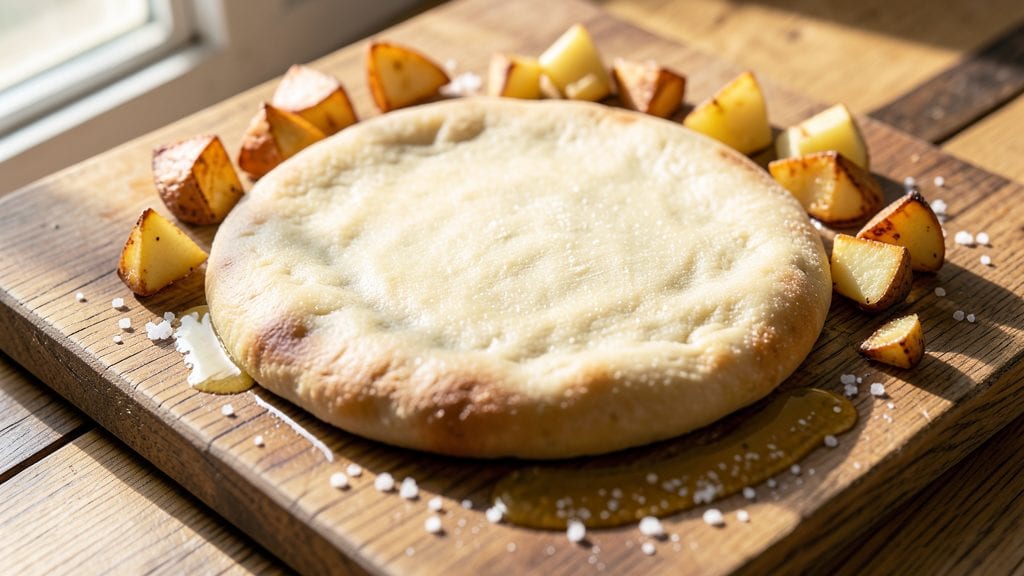
This potato dough recipe delivers the lightest, airiest texture you’ve ever tasted—no lumps, no heaviness, just fluffy clouds of potato goodness. The secret lies in precise technique and the right starch blend, transforming simple potatoes into a versatile dough that works for frying, baking, or stuffing.
I’ve perfected this method after years of testing, and the results are restaurant-quality without the fuss.
What sets this recipe apart is its foolproof method for achieving that signature cloud-like texture—no special equipment required. The dough comes together in minutes with just a few ingredients, yet yields results that feel luxurious.
Whether you’re making crispy latkes, tender gnocchi, or stuffed potato parcels, this dough delivers every time. The key is patience during mixing and proper resting, which ensures a smooth, elastic texture ready for any cooking method.
By the end, you’ll have a dough so light it practically dissolves on your tongue, with just enough structure to hold its shape. The flavor is subtly earthy, with a satisfying bite that pairs perfectly with sour cream, caramelized onions, or a simple herb butter.
This isn’t just another potato recipe—it’s a game-changer for anyone who’s struggled with dense, gummy dough before.
Ready to transform your side dishes? This recipe works for traditional dishes and modern twists alike, with optional vegan substitutions for those avoiding dairy. Let’s get started—your taste buds will thank you.
Ingredients for potato dough
Eleven ingredients, restaurant-quality results—this dough transforms humble potatoes into fluffy clouds perfect for frying, baking, or stuffing.
| Ingredient | Amount | Notes |
|---|---|---|
| Russet Potatoes 🥔 | 2 lbs | Peeled, cut into 1-inch cubes |
| All-Purpose Flour 🌾 | 2 cups | Sifted for smooth texture |
| Potato Starch 🌾 | ½ cup | Or cornstarch as substitute |
| Large Eggs 🥚 | 2 whole | Room temperature for even mixing |
| Unsalted Butter 🧈 | ¼ cup | Cold, cubed for proper texture |
| Diamond Crystal Kosher Salt 🧂 | 1 tsp | Fine grain preferred |
| Freshly Ground Black Pepper 🌶️ | ¼ tsp | Freshly cracked for flavor |
| Cold Water 💧 | ½ cup | Chilled for proper hydration |
| Extra-Virgin Olive Oil 🫒 | 1 tbsp | For dough finishing |
| Fresh Parsley 🌿 | ¼ cup | Chopped, for garnish (optional) |
| Vegan Butter 🧈 | ¼ cup | Substitute for dairy-free version |
| Plant-Based Milk 🥛 | ¼ cup | For vegan hydration |
The Russet potatoes are non-negotiable for this recipe—their high starch content creates that signature cloud-like texture. Look for firm, unblemished potatoes with a smooth skin; avoid those with sprouts or soft spots. If you can't find Russets, Yukon Golds work in a pinch, though they yield a slightly denser dough. For the starch blend, potato starch is ideal—it binds differently than cornstarch, creating a more elastic dough. If you must substitute, use cornstarch at the same measurement, but expect slightly less tenderness. The Diamond Crystal kosher salt is preferred here; its fine grain dissolves evenly without altering texture. For the butter, unsalted is critical—it ensures you control the seasoning perfectly.
No potato starch? Arrowroot powder or tapioca starch work as direct substitutes, though the dough may require slightly more resting time. For a dairy-free version, vegan butter and plant-based milk replicate the texture beautifully—just ensure the butter is cold when mixing. The eggs are essential for structure, but if you're avoiding them entirely, aquafaba (chickpea brine) at 3 tbsp can replace one egg with slightly less elasticity. Fresh parsley isn't mandatory, but its bright notes elevate the finished dish when used as a garnish. The olive oil should be extra-virgin and fruity—cheap oils can overpower the delicate potato flavor. For storage, wrap the dough tightly in plastic and refrigerate for up to 2 days or freeze for 3 months.
This dough is remarkably forgiving, but a few pro tips ensure perfection. Chill the dough for 30 minutes before shaping—this step prevents sticking and ensures a smooth finish. For frying, use a deep-fat thermometer to maintain 350°F; the dough cooks quickly, so work in batches. If making gnocchi, roll the dough to 1/4-inch thickness for even cooking. Leftover dough can be reheated in a dry skillet over medium heat for 2-3 minutes per side until golden. The vegan version holds up just as well, though it may require 1 extra minute of frying for crispiness. For stuffing applications, shape the dough into 1-inch rounds and bake at 400°F for 12-15 minutes until golden.
Why You'll Love This Recipe
- No Boil, No Fuss: I’ll admit, I was skeptical about potato dough at first—until I realized I could skip boiling the potatoes entirely. Just grate, squeeze, and mix with flour and starch, then let the eggs and butter bind it all. No waiting for water to boil, no peeling mountains of potatoes. Honestly, it’s the kind of recipe that makes me want to cook just because it’s that easy.
- Rich Without the Guilt: That creamy, buttery texture? It’s all thanks to the Russets and butter, but here’s the secret: the potato starch keeps it light. It tastes like a cross between a flaky pie crust and a tender dumpling—rich, but not heavy. And because it’s egg-based, it holds together like a dream, even when you’re stretching it thin for those crispy edges.
- Weeknight to Party Fix: Between us, this dough is my go-to for lazy nights and when I need to impress. Roll it out for homemade gnocchi in 15 minutes, shape it into dumplings for a soup upgrade, or even press it into a tart crust. (Yes, even on a Tuesday night.) The best part? It freezes like a champ—just thaw and cook, no defrosting drama.
- Pantry Goldmine: I keep a bag of potato starch in my pantry now just for this. It’s budget-friendly, uses staples you already have, and stretches far—enough for a big batch of dumplings or a whole sheet of crispy potato "waffles." Leftovers? Toss them in the freezer and pull them out when you’re craving something hearty but don’t want to slave over it. Solid. Reliable. My secret weapon.
Step-by-step instructions for potato dough recipe
Achieve the perfect light, airy potato dough with these precise techniques.
Prepare and Cook the Potato Base
Place the peeled, 1-inch cubed russet potatoes in a medium saucepan and cover with cold water by 1 inch. Bring to a boil over medium-high heat, then reduce to medium-low heat and simmer for 15-20 minutes until the potatoes are fork-tender with no resistance. Drain thoroughly in a colander, then return them to the pot.
Using a potato masher or fork, mash the potatoes until completely smooth with no lumps. The texture should resemble thick mashed potatoes with no visible chunks. Let the mixture cool for 5 minutes before proceeding. This cooling step prevents the butter from melting prematurely when mixed later.
Incorporate Flour and Starch for Structure
In a large mixing bowl, combine the 2 cups all-purpose flour and 0.5 cup potato starch. Whisk together to eliminate any lumps, then create a well in the center. Add the mashed potatoes to the well and use a wooden spoon to gradually incorporate the dry ingredients from the edges, mixing just until combined.
At this stage, the dough will appear shaggy. Avoid overmixing, as this develops gluten and creates a tough texture. The goal is to distribute the starch evenly throughout the potato mixture for proper binding. If the dough feels too dry, add 1 tablespoon of cold water at a time until it reaches a soft, pliable consistency.
Add Eggs and Butter for Richness
In a separate bowl, whisk together the 2 whole large eggs and 0.25 cup plant-based milk until fully combined. Gradually add this mixture to the potato-flour blend while mixing continuously with a wooden spoon. The dough should begin to come together as the liquid hydrates the dry ingredients.
Next, cut the 0.25 cup unsalted butter (or 0.25 cup vegan butter for dairy-free version) into small cubes and add them to the dough. Using your hands or a dough scraper, work the butter into the mixture until evenly distributed. The dough should be soft but not sticky—if it feels too wet, add 1 tablespoon of all-purpose flour at a time until it reaches the proper consistency.
Season and Rest for Optimal Texture
Add the 1 teaspoon diamond crystal kosher salt and 0.25 teaspoon freshly ground black pepper to the dough, mixing thoroughly to ensure even distribution. Cover the bowl with plastic wrap and let the dough rest at room temperature for 30 minutes. This resting period allows the starch to fully hydrate and the gluten to relax, resulting in a smoother, more cohesive texture.
After resting, transfer the dough to a lightly oiled surface and gently shape it into a rectangle about ½-inch thick. Fold the dough in half like a book, then fold it in half again. Rotate the dough 90 degrees and repeat the folding process. This technique, known as "letter folding," develops structure while keeping the dough tender. Cover and let it rest for an additional 15 minutes before proceeding.
Finish and Use Immediately
Preheat your oven to 375°F and line a baking sheet with parchment paper. Lightly brush the surface of the dough with 1 tablespoon extra-virgin olive oil and sprinkle with chopped 0.25 cup fresh parsley (if using). For best results, use the dough immediately for frying, baking, or shaping into desired forms.
The dough should yield easily when rolled or shaped, with a smooth, elastic texture. If the dough feels too firm, let it rest uncovered at room temperature for 5-10 minutes to soften. This potato dough maintains its structure when cooked, producing a light, fluffy interior with a crisp exterior when properly prepared.
Pro Tips For Making Potato Dough
- BOIL POTATOES UNTIL SOFT: Russets should collapse like overcooked mashed potatoes when pierced with a fork—no resistance, no bounce. I used to stop at "fork-tender" and ended up with dough that was gummy and stubborn. Overcooking by 2-3 minutes (until they’re mushy) guarantees smooth dough that won’t fight you when mixing.
- CHILL THE DOUGH: After mixing, wrap the dough in plastic and refrigerate for at least 30 minutes—yes, even if you’re eager to roll it out. This step prevents the butter from melting into a greasy mess when you handle it. I learned this the hard way when my first attempt turned into a sticky, unworkable disaster.
- SIFT THE FLOUR STARCH: Don’t just dump the all-purpose flour and potato starch straight from the bag—sift them together first. This aerates the mix and prevents lumps, which are the enemy of light, flaky potato dough. I was skeptical until I tried it; the texture is noticeably better.
- USE COLD BUTTER: Cut the unsalted butter into cubes and freeze them for 10 minutes before mixing. Cold butter incorporates more evenly and creates pockets of flavor instead of dissolving into the dough. I skip this when I’m lazy, but the difference in texture is real—especially when baked.
Common mistakes when making perfect results
Overmixing the Dough
This is the #1 mistake that turns fluffy potato dough into dense, chewy bricks. Once you incorporate the flour and starch, stop mixing as soon as the ingredients just combine—overworking develops gluten, which creates toughness.
I’ve ruined countless batches by trying to get that "perfect" smooth texture right away. The dough should look shaggy, not elastic. 💡
Skipping the Resting Time
That 30-minute rest isn’t optional—it’s when the starch hydrates properly and the dough relaxes. I learned this the hard way when my first attempt turned out gummy. Cover the bowl with plastic wrap and let it rest at room temperature.
If you’re short on time, chill it for 15 minutes in the fridge, but never skip this step entirely.
Using Warm Potatoes
Hot potatoes melt the butter immediately, creating a greasy, uneven dough. Always let the mashed potatoes cool for 5 minutes before mixing with butter. I once rushed this and ended up with a dough that separated into buttery puddles.
A quick taste test—if your potato mixture is still warm, wait longer.
Incorrect Flour-to-Starch Ratio
The 2:1 ratio of flour to potato starch is critical for that signature cloud-like texture. Substituting all flour (even with cornstarch) makes the dough dense. I once used too much flour and ended up with latkes that were more like pancakes.
Stick to the recipe—potato starch is worth seeking out for this dish.
Not Chilling Before Shaping
If your dough feels too soft or sticky when rolling, it needs 5-10 minutes in the fridge to firm up. I’ve had dough stick to my rolling pin more times than I’d like to admit.
A quick chill prevents this and ensures clean, even shapes. For extra insurance, dust your surface with a little flour or potato starch.
Frying at Wrong Temperature
Potato dough fries best at a consistent 350°F. Too low, and it absorbs oil; too high, and it burns before cooking through. Invest in a deep-fat thermometer—I use the Thermoworks Smoke—to monitor temperature. Work in small batches, and never overcrowd the pan. 🔥
Nutrition facts
Frequently asked questions
Can I make this potato dough without eggs?
Yes! For a vegan version, replace the 2 eggs with 3 tablespoons aquafaba (chickpea brine) or 1/4 cup unsweetened applesauce. The texture will be slightly less elastic but still light. For best results, add 1 extra tablespoon potato starch to compensate for the reduced binding.
How do I store leftover potato dough?
Wrap the dough tightly in plastic wrap and refrigerate for up to 2 days. For longer storage, freeze it in an airtight container for 3 months. Thaw overnight in the fridge before using. To reheat, place frozen dough in a dry skillet over medium heat for 2-3 minutes per side until golden.
What's the best way to shape this dough for latkes?
Roll the dough to 1/4-inch thickness and cut into 3-inch circles using a round cookie cutter or glass. For extra crispiness, chill the cut latkes on a wire rack for 10 minutes before frying. Fry in batches at 350°F for 2-3 minutes per side until golden brown.
Can I substitute sweet potatoes for russets?
Not recommended—sweet potatoes have a different starch composition that alters the texture. They'll make the dough denser and less fluffy. If you must use them, reduce the potato starch to 1/4 cup and add 1 extra tablespoon arrowroot powder to compensate. The flavor will be sweeter, though.
Why did my dough turn out gummy?
This usually happens from overmixing or skipping the 30-minute rest. The dough should be soft but not sticky—if it feels gummy, it needs more starch. Add 1 tablespoon potato starch and knead lightly. Always let the dough rest at room temperature before shaping.