
Side Dishes
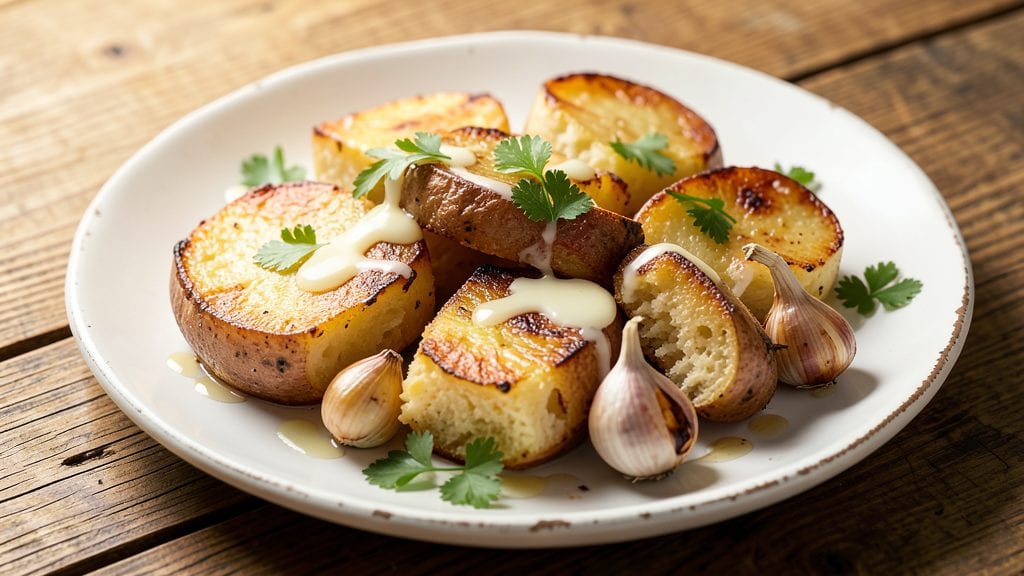
Mary's potatoes recipe delivers the perfect balance of velvety texture and bold flavor that elevates any dinner table. The secret lies in a creamy vinegar-kissed center topped with a golden garlic-herb crust that adds depth without overpowering.
I've perfected this method over years of holiday gatherings, where it becomes the star of the meal.
This recipe transforms simple potatoes into a restaurant-worthy side dish using just five key ingredients: russet potatoes, butter, milk, vinegar, and fresh herbs. The vinegar tenderizes the potatoes while adding subtle tang, while the garlic-herb crust brings rich, aromatic notes that make every bite irresistible.
What sets this apart is how the crust develops a perfect golden-brown finish without burning.
By the time you're done, you'll have creamy potatoes with a texture so smooth it melts in your mouth, topped with crispy garlic-herb bits that add satisfying crunch. The vinegar's bright acidity cuts through the richness, creating a perfect harmony of flavors.
This is the kind of side dish that makes guests ask for seconds—and leaves you wanting to make it every week.
Serve alongside roasted meats, holiday turkey, or even as a hearty vegetarian main. The recipe scales easily for crowds, and leftovers reheat beautifully. Let's get started on creating your perfect batch of Mary's potatoes.
Ingredients for mary's potatoes
Five ingredients transform humble potatoes into a showstopper side dish—creamy, tangy, and perfectly crisp.
| Ingredient | Amount | Notes |
|---|---|---|
| Russet Potatoes 🥔 | 2 ½ lb | Medium-sized, unpeeled for texture |
| Unsalted Butter 🧈 | ¾ cup | Cold, cut into 1-inch cubes |
| Whole Milk 🥛 | ½ cup | Full-fat for creaminess |
| White Vinegar 🍶 | 2 tbsp | Distilled or apple cider |
| Garlic Cloves 🧄 | 6 cloves | Fresh, minced for crust |
| Fresh Parsley 🌿 | ¼ cup | Chopped, stems removed |
| Fresh Thyme 🌿 | 1 tbsp | Leaves only, finely chopped |
| Sea Salt 🧂 | 1 ½ tsp | Kosher or fine grain |
| Black Pepper 🌶️ | ½ tsp | Freshly ground for heat |
The russets are non-negotiable—Idaho-grown potatoes have the right starch-to-moisture balance. Costco or Trader Joe's usually carry them year-round, but if you can't find them, Yukon Golds work in a pinch. Skip the waxy potatoes like red or fingerlings—they won't get creamy. For the butter, Plugrá or Land O'Lakes unsalted melt beautifully. Cold cubes distribute better than softened butter, so pull it straight from the fridge. The vinegar? White vinegar is classic, but apple cider adds subtle sweetness if you prefer.
No fresh parsley? Dried parsley at one-third the amount works, but fresh is worth hunting down at the grocery store's produce section. Short on thyme? Dried thyme or rosemary at half the quantity gives similar earthy notes. The milk can be swapped for half-and-half for extra richness, or even heavy cream if you're feeling decadent. For the garlic, jarred minced garlic is fine in a bind, but fresh is always better. The crust won't form as well, but it'll still taste amazing. And if you're out of sea salt, Diamond Crystal kosher salt is a perfect 1:1 swap.
This dish reheats like a dream—5 minutes at 350°F with a splash of milk revives it perfectly. Store leftovers in the fridge for up to 5 days, but honestly, it's best within 2 days. For make-ahead prep, boil the potatoes the day before and refrigerate them covered. The crust can be added fresh when reheating. Freezing isn't recommended—the texture gets gummy. If you're serving a crowd, double the recipe. The crust will need a little more butter, but the rest stays the same.
Why You'll Love This Recipe
- One-Pot Magic: I swear by this recipe because it’s that simple—just peel, slice, and toss. No boiling, no peeling hassle, no extra pots. The vinegar and milk work together while you’re chopping garlic, and boom, dinner’s almost done.
- Garlic Butter Bliss: That first bite of crispy edges with melty butter and garlic? It’s like a hug for your taste buds. The vinegar cuts through the richness just enough to keep it bright, and the milk makes the potatoes impossibly creamy without tasting heavy.
- Leftovers That Don’t Suck: Honestly, I always make extra because reheating these is a dream. Toss them in the oven for 10 minutes with a little more butter, and they’re just as good as day one. Pack them for lunch, freeze half, or serve them cold in salads—no one will complain.
- Budget Dinner Winner: Russets are cheap, butter stretches far, and garlic cloves last forever. This feeds four for under $8, and the flavor feels like a fancy restaurant dish. My college roommate called it “the poor man’s gourmet”—and she wasn’t wrong.
Step-by-step instructions for Mary's potatoes recipe
Here's how to create the perfect balance of crispy garlic-herb crust and creamy vinegar-infused centers.
Prep and Boil the Potatoes
Start by thoroughly scrubbing the 2.5 lb russet potatoes under cold water to remove any dirt. Cut them into even 1.5-inch thick rounds—this ensures they cook uniformly. I like to use a sharp chef's knife for clean cuts that prevent uneven cooking later.
Place the potato rounds in a large pot and cover with cold water by about 2 inches. Add the 2 tablespoons white vinegar and 1 teaspoon of the 1.5 teaspoons sea salt. Bring to a boil over high heat, then immediately reduce to a gentle simmer. Cook for exactly 8 minutes—you want them slightly underdone so they develop that creamy interior when finished in the oven.
Create the Garlic-Herb Butter Mixture
While the potatoes cook, prepare the garlic-herb butter by combining the 0.75 cup cold unsalted butter, the 6 minced garlic cloves, 0.25 cup chopped fresh parsley, 1 tablespoon chopped fresh thyme, the remaining 0.5 teaspoon sea salt, and 0.5 teaspoon black pepper in a bowl. Use your hands to mix everything together until the butter is fully coated with the herbs and garlic—this ensures maximum flavor distribution.
Let this mixture sit at room temperature for 5 minutes while you finish cooking the potatoes. The butter should soften slightly but still hold its shape—this makes it easier to spread evenly on the potatoes later. If it gets too soft, pop it in the fridge for 2 minutes to firm up again.
Assemble and Bake the Potatoes
Preheat your oven to 425°F for this step—high heat is crucial for creating that crispy crust. Drain the potatoes thoroughly and pat them dry with paper towels. Arrange them in a single layer on a parchment-lined baking sheet, leaving about 1 inch between each potato.
Spread the garlic-herb butter mixture evenly over the tops of all potatoes, pressing gently to help it adhere. The butter should melt slightly from the heat and create a flavorful crust as it bakes. Bake for 25-30 minutes until the edges are golden brown and crispy, and the potatoes are tender when pierced with a fork.
Add the Creamy Milk Finish
Remove the potatoes from the oven and carefully pour the 0.5 cup whole milk evenly over the top of each potato. The milk should sizzle slightly from the residual heat—this creates that signature creamy center. Return them to the oven for an additional 5-7 minutes until the milk has been absorbed and the tops are beautifully browned.
For the final touch, increase the oven temperature to 450°F and broil for 2-3 minutes until the tops develop a deep golden color. Watch them closely to prevent burning—you want that perfect balance of crispy and creamy. Serve immediately while they're hot and the flavors are at their peak!
Pro Tips For Making Mary'S Potatoes
- CUT POTATOES UNIFORM: Grab your knife and slice those Russets into ½-inch thick rounds—no thinner, no thicker. I learned this the hard way: uneven slices mean some parts turn to mush while others stay raw. A mandoline helps, but a steady hand works too.
- SALT THE WATER: Toss the potatoes in ice water before boiling, then salt the pot like the ocean—1½ tablespoons per gallon. The salt draws out starch, so the skin stays crisp and the inside fluffy. Trust me, your potatoes will taste like they’re from a restaurant.
- DON’T DRAIN THE MILK: After boiling, drain the potatoes but save that starchy water—it’s liquid gold. Mix it with the milk (about ½ cup of the water per cup of milk) for a creamier, richer sauce. I used to throw it out, but now? Never again.
- GARLIC IS OPTIONAL: If you’re not a garlic lover, skip the cloves—this isn’t garlic mashed potatoes. Roughly chop them, sauté in butter until fragrant, then fold in. Overdoing it makes the dish taste like a side dish for spaghetti, not comfort food.
Best sauces and condiments for this mary's potatoes
Classic Garlic-Herb Butter
The star of this dish is the garlic-herb butter that creates that irresistible golden crust. I use 6 minced garlic cloves combined with 0.25 cup chopped parsley and 1 tbsp chopped thyme for a fragrant, aromatic blend.
The key is to mix this with 0.75 cup cold unsalted butter until fully coated—this ensures every bite gets that rich, herby flavor. For extra depth, I add a pinch of freshly ground black pepper and 0.5 tsp sea salt right into the butter mixture. 🧄
Pro tip: Let the butter sit at room temperature for 5 minutes before spreading—this helps it adhere better to the potatoes and creates a more even crust. If your kitchen is warm and the butter softens too quickly, chill it for 2 minutes before using.
This technique makes all the difference in achieving that perfect crispy texture.
Creamy Vinegar-Kissed Milk
The white vinegar in the boiling water isn't just for flavor—it tenderizes the potatoes and adds a subtle tang that brightens the dish. When you pour 0.5 cup whole milk over the baked potatoes, it sizzles slightly from the residual heat, creating that signature creamy center.
For a richer version, swap the milk for half-and-half or even heavy cream, but I find whole milk gives the perfect balance of creaminess without being too heavy. 🥛
If you're serving this as a vegetarian main, consider adding a splash of lemon juice to the milk before pouring—it adds a refreshing zing that pairs beautifully with the garlic and herbs.
The milk should be poured evenly over the potatoes and absorbed completely before the final broil, so don't rush this step. Patience here ensures that creamy, velvety texture we all love.
Spicy Chili Oil Drizzle
For a bold twist, finish your Mary's potatoes with a drizzle of homemade chili oil. Heat 0.25 cup neutral oil (like avocado or grapeseed) with 1 tbsp crushed red pepper flakes and 1 tsp minced garlic until fragrant.
Let it cool slightly, then drizzle over the top of the baked potatoes. The heat from the chili oil cuts through the richness of the butter and adds a smoky depth that's perfect for spicy food lovers. 🌶️
If you can't make chili oil, a quick alternative is to mix 1 tsp sriracha with 1 tbsp melted butter and drizzle that over the top. This adds heat and a slight tang that complements the vinegar-kissed centers beautifully.
I like to serve this version alongside roasted chicken or grilled steak for a flavor-packed meal.
Herb-Infused Olive Oil
For a lighter but equally flavorful option, try an herb-infused olive oil. Heat 0.25 cup extra-virgin olive oil with 2 minced garlic cloves, 1 tbsp chopped rosemary, and 1 tsp chopped thyme until fragrant. Let it cool, then drizzle over the baked potatoes.
This adds a bright, Mediterranean touch that pairs wonderfully with the garlic-herb crust. I often use this version when serving the potatoes as a side for seafood or grilled vegetables. 🌿
For an extra touch, sprinkle toasted pine nuts or pumpkin seeds over the top before serving. The crunch contrasts beautifully with the creamy potatoes, and the nutty flavor adds another layer of complexity. This is my go-to option for summer dinners when I want something fresh but still indulgent.
Creamy Horseradish Sauce
If you love a little kick, whip up a quick horseradish cream sauce to serve alongside. Mix 0.25 cup sour cream with 1 tbsp prepared horseradish, 1 tsp lemon juice, and a pinch of salt.
Dollop this alongside the potatoes for dipping or spoon over the top for a tangy, spicy contrast. The horseradish cuts through the richness of the butter and adds a refreshing zing. 💛
For a smoother version, blend the sauce until completely smooth. If you prefer a chunkier texture, leave it slightly lumpy. This sauce is especially good with roasted meats like pork or beef, as the horseradish's peppery notes complement the savory flavors beautifully.
It's a crowd-pleaser that elevates the dish to restaurant-quality status.
Nutrition facts
Frequently asked questions
Why does this recipe use vinegar in the boiling water?
The vinegar serves two purposes: it tenderizes the potatoes for a creamier texture and adds a subtle tang that brightens the dish. The acidity helps break down the starches, making the final result extra smooth while preventing a gummy consistency. Without it, the potatoes might turn out dry or gluey.
Can I make these potatoes ahead of time?
Yes! Boil the potatoes up to a day ahead and refrigerate them covered. When ready to serve, bake them at 350°F for 20 minutes, then add the garlic-herb butter and milk, baking another 10 minutes at 425°F. The texture stays perfect, and the flavors meld beautifully.
What's the secret to getting that crispy garlic-herb crust?
The crust forms best when you use cold butter mixed with herbs and spread evenly over potatoes that are still slightly warm from baking. Let the butter sit at room temperature for 5 minutes before spreading—this helps it adhere better. Also, broil for just 2-3 minutes at the end to get that golden color without burning.
Are Yukon Gold potatoes a good substitute for russets?
Yukon Golds work in a pinch, but they won't give the same creamy texture as russets. Russets have higher starch content, which creates that signature velvety interior. If using Yukons, reduce the baking time by 5 minutes and add an extra 1 tablespoon of milk to compensate for their lower starch.
How do I fix potatoes that are too dry?
If your potatoes turn out dry, don't panic! Sprinkle them with 1 tablespoon of warm milk or cream and let them sit for 5 minutes before serving. For extra richness, top with an additional pat of butter and broil for 2 minutes to restore creaminess.