
Side Dishes
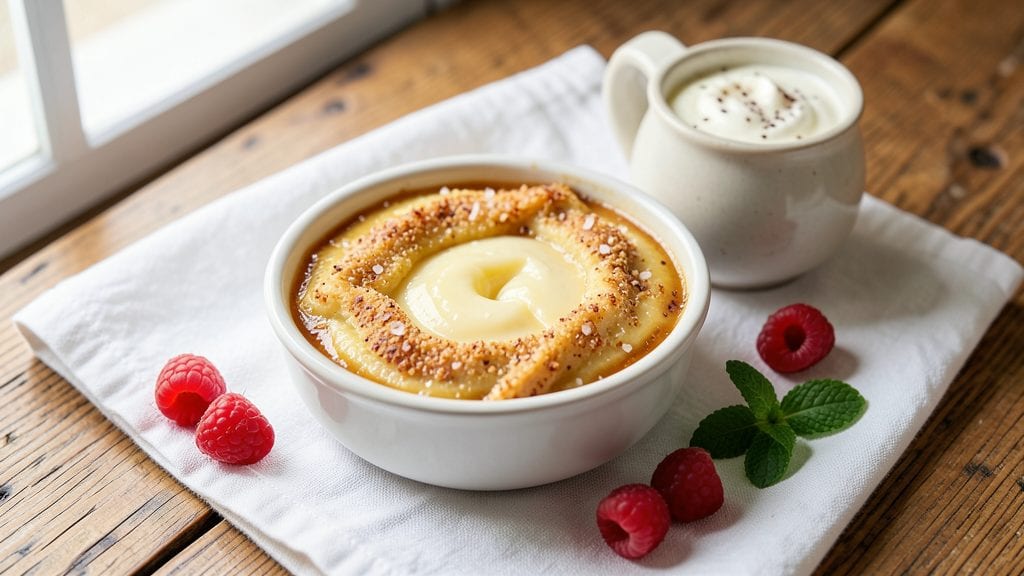
This potato custard recipe transforms humble potatoes into a luxurious side dish with velvety eggy richness and a signature crisp vinegar crown. The secret lies in blending boiled potatoes with a perfectly balanced custard mixture, then baking until set while achieving that coveted crispy top through a vinegar bath.
After years of perfecting the technique—including the precise baking temperature and timing—I can confidently say this dish elevates any meal from ordinary to extraordinary.
The magic happens in the custard base, where eggs and cream create that signature silky texture, while the vinegar bath transforms the top into delicate, crispy shards that shatter with every bite.
Unlike traditional potato dishes, this recipe requires patience—boiling the potatoes just right, tempering the eggs carefully, and baking at the correct temperature—but the results are worth every minute. The final dish is creamy yet light, with a subtle tang from the vinegar that cuts through the richness.
What you’ll end up with is a showstopping side that pairs beautifully with roasted meats, grilled fish, or even as a vegetarian centerpiece. The custard’s smooth, golden surface contrasts perfectly with the crispy crown, creating both visual appeal and a satisfying textural experience.
This isn’t just a side dish—it’s a technique that will impress even the most discerning dinner guests.
Ready to master this dish? The key steps include proper potato preparation, precise custard mixing, and the vinegar bath for that signature crisp. Let’s get started—your table is about to be transformed.
Ingredients for potato custard
Six ingredients create the custard base, while vinegar and butter perfect the crisp crown.
| Ingredient | Amount | Notes |
|---|---|---|
| Russet Potatoes 🥔 | 3 lbs | Medium size, peeled and cubed |
| Large Eggs 🥚 | 6 whole | Room temperature for custard |
| Heavy Cream 🥛 | 2 cups | Full-fat for richness |
| Whole Milk 🥛 | ½ cup | Warmed slightly for blending |
| Granulated Sugar 🍚 | ¼ cup | Light brown preferred |
| Unsalted Butter 🧈 | ½ cup | Cold, cubed for texture |
| White Vinegar 💧 | ½ cup | Distilled for crisp crown |
| Salt 🧂 | 1 ½ tsp | Fine sea salt preferred |
| Ground White Pepper 🌶️ | ½ tsp | Freshly ground for subtle flavor |
| All-Purpose Flour 🌾 | 2 tbsp | For thickening custard |
| Fresh Thyme Leaves 🌿 | ¼ cup | Or 1 tsp dried thyme |
| Nutmeg 🌶️ | ¼ tsp | Freshly grated for warmth |
The potatoes are the foundation—Russet potatoes with their high starch content create the perfect creamy texture. Organic or Idaho potatoes work best due to their consistent texture, but any waxy variety will suffice if you're in a pinch. Most grocery stores carry Russets year-round, but specialty markets like Whole Foods often have organic options. For the custard, room-temperature eggs blend more smoothly, so take them out 30 minutes before starting. The heavy cream should be full-fat—this isn't the time for skim milk substitutes. If you're prepping ahead, peel and cube the potatoes up to 2 days in advance, storing them in cold water in the fridge to prevent browning.
No white vinegar? Apple cider vinegar works just as well for the crisp crown, though it may impart a slightly sweeter note. Substituting heavy cream with half-and-half will make the custard lighter but slightly less rich. For the thyme, fresh is ideal but dried thyme at one-third the amount works in a bind. The nutmeg is non-negotiable—it's what gives the dish that subtle, sophisticated warmth. If you're short on time, pre-grated nutmeg from Penzeys or Trader Joe's is convenient, though freshly grated always tastes better. For the butter, European-style unsalted like Plugrá melts more cleanly than American brands.
This custard keeps beautifully—3-4 days in the fridge covered with plastic wrap pressed directly on the surface to preserve that crisp crown. For longer storage, freeze individual portions in airtight containers for up to 3 months. To reheat, bake at 350°F for 15-20 minutes until warmed through. The texture will be slightly softer than fresh, but still delicious. For serving, garnish with extra crisp crown shards right before eating—they shatter beautifully and elevate the presentation. Leftovers make fantastic breakfast hash the next morning—just crumble and pan-fry with onions and bacon.
Why You'll Love This Recipe
- No Peel, No Stress: I swear by Russets here—just scrub, slice, and boil. No peeling, no fussing, and the starchy water thickens into a silky base that feels like cheating.
- Velvet Creamy Magic: That mix of heavy cream and whole milk? It turns into this dreamy, almost pudding-like texture while keeping the potatoes tender. Honestly, I’ve never met a custard that didn’t make me slow down my fork.
- Breakfast to Dessert: Same base, endless uses. Serve it warm with a sprinkle of cinnamon for brunch, or chill it overnight and top with caramelized sugar for a sneaky-sweet treat. My kids think it’s dessert—no arguments.
- Budget-Friendly Luxury: Russets and eggs are pantry staples, and this recipe stretches like crazy. Double the batch, store it for days, and still have leftovers that taste better reheated than most takeout. (Yes, even on a Tuesday night.)
Step-by-step instructions for potato custard recipe
Transform humble russet potatoes into a velvety custard with a crisp vinegar crown—this method delivers restaurant-quality texture every time.
Cook and Mash the Potatoes to a Smooth Purée
Place the 3 lbs russet potatoes in a large pot and cover with cold water by 2 inches. Add 1.5 tsp salt and bring to a boil over medium-high heat. Once boiling, reduce to medium heat and cook for 15-20 minutes until a knife slides in easily. Drain thoroughly and return to the pot.
Using a potato masher or ricer, break down the potatoes until completely smooth. I like to press through a fine-mesh sieve to eliminate any lumps—this ensures the custard will be silky, not gritty. Let the purée cool slightly before proceeding. The texture should resemble thick mashed potatoes with no resistance when stirred.
Prepare the Egg and Cream Mixture
In a separate large bowl, whisk together the 6 whole large eggs, 2 cups heavy cream, 0.5 cup whole milk, 0.25 cup granulated sugar, 0.5 tsp ground white pepper, and 0.25 tsp nutmeg until completely combined. The mixture should be homogeneous with no visible streaks of egg. I use a whisk for this step to incorporate air gently—overmixing can create a dense custard.
Gradually fold in the cooled potato purée, alternating between adding the purée and the 2 tbsp all-purpose flour to create a thick, smooth batter. The consistency should resemble heavy pancake batter—thick enough to coat the back of a spoon but still pourable. If it's too thin, whisk in an additional 1 tbsp flour. This step is critical for achieving the signature creamy texture without curdling.
Infuse with Thyme and Prepare the Vinegar Crown
Fold in the 0.25 cup fresh thyme leaves using a rubber spatula, ensuring even distribution. The thyme will add a subtle herbal note that complements the richness of the custard. While the custard mixture sits, prepare the vinegar crown by combining 0.5 cup white vinegar with 0.5 cup unsalted butter in a small saucepan. Heat over low heat until the butter melts completely, then remove from heat and let cool slightly.
Pour the custard mixture into a greased 6-cup baking dish or individual ramekins, dividing evenly. The custard should fill the dish about ¾ full—this allows room for expansion. Immediately pour the warm vinegar-butter mixture over the top, creating a thin, even layer. The vinegar will create a crisp, golden crust while the butter adds richness. Use a spoon to gently swirl the mixture for an even distribution.
Bake to Perfection
Preheat your oven to 350°F. Place the baking dish or ramekins in a deep baking pan and add 1 inch of hot water to the pan. This creates a steam bath that ensures even cooking and prevents cracking. Bake for 45-55 minutes until the custard is set but still slightly jiggly in the center—it should have a wobbly but firm texture when gently shaken.
For the final 5 minutes of baking, increase the oven temperature to 400°F to crisp the vinegar crown. You'll see the top develop a golden-brown crust with a slight crackle. The crown should hold its shape when pressed lightly with a spoon. Remove from the oven and let rest for 10 minutes before serving—this allows the custard to set completely and makes slicing easier.
Serve Warm with Crisp Crowns
Run a thin knife around the edges of the custard to loosen it from the dish. Invert onto a serving plate, then carefully slide it back to reveal the crisp crown. Serve immediately while the crown is still crisp and the custard is warm. The contrast between the silky potato interior and the crunchy vinegar crust is what makes this dish extraordinary.
For an elevated presentation, garnish with additional fresh thyme leaves or a sprinkle of ground white pepper. Each bite should deliver a harmonious blend of creamy potato, rich egg custard, and the bright tang of the vinegar crown. Store any leftovers in the refrigerator for up to 3 days, though I rarely have any remaining!
Pro Tips For Making Potato Custard
- Boil Until Fork-Tender: Russets stay firm if you cut them too big—aim for 1-inch chunks and boil until they collapse like overcooked pasta. I learned this the hard way when my custard turned out grainy because the potatoes weren’t breaking down enough.
- Chill the Egg Mixture: Whisk your eggs, cream, and milk in a cold bowl, then refrigerate for 10 minutes before adding the hot potato purée. This prevents scrambling when they hit the heat—trust me, your custard will thank you.
- Strain the Potatoes Twice: After boiling, drain and mash the potatoes, then push them through a fine-mesh sieve to remove every last bit of starch. Skimping here means a gummy texture, and nobody wants that.
- Temper the Sugar: Warm your sugar with a splash of milk before mixing it into the custard—this dissolves it completely without graininess. I used to just dump it in, and it always left a gritty aftertaste.
Flavor customization for potato custard
Sweet Variations
Add ½ cup caramelized apples or 1 cup sautéed peaches to the custard before baking for a fruity twist. I like using Bosc pears for their firm texture—they hold up beautifully when baked.
For extra sweetness, fold in ¼ cup maple syrup along with the sugar, then top with a sprinkle of cinnamon sugar before the vinegar bath. 🍎
Herb-Infused Twists
Swap thyme for rosemary or tarragon to create a Mediterranean-inspired version. Use 2 tbsp chopped fresh rosemary and reduce the nutmeg to ⅛ tsp. For a French bistro touch, add 1 tbsp Dijon mustard to the custard mixture—it adds depth without overpowering.
Garnish with extra herbs before serving for a vibrant presentation.
Spiced Variations
For a warm, aromatic profile, add ½ tsp ground cinnamon and ¼ tsp cardamom to the custard base. I also like infusing the vinegar crown with 1 tsp smoked paprika for a subtle smoky note.
For heat lovers, stir in ¼ tsp cayenne pepper with the thyme—it adds a gentle kick that balances the richness. 🌶️
Cheesy Enhancements
Fold in ½ cup grated Gruyère or Comté cheese with the potato purée for a nutty, savory depth. For a creamier texture, replace ½ cup heavy cream with whipped mascarpone cheese.
Sprinkle the top with Parmesan crisps before baking for added crunch and umami. The cheese melts beautifully into the custard while keeping the vinegar crown crisp.
Vegan Adaptations
Replace eggs with a silken tofu base (blend 1 cup silken tofu with ½ cup aquafaba for binding). Use coconut milk instead of heavy cream and add 1 tbsp cornstarch to thicken.
For the vinegar crown, melt ½ cup vegan butter with ½ cup apple cider vinegar. The texture will be slightly denser but still delivers that signature crisp contrast. 🌱
Crunchy Toppings
For extra texture, sprinkle the custard with toasted breadcrumbs or crushed potato chips before the vinegar bath. I love using truffle salt on the chips for an elevated flavor.
Another option is crumbled bacon—bake it separately until crispy, then scatter on top just before serving. The contrast between the creamy custard and crunchy toppings is pure magic.
Nutrition facts
Frequently asked questions
Why does the potato custard need a vinegar bath?
The vinegar bath creates the signature crisp crown that contrasts beautifully with the creamy interior. The acidity in the vinegar reacts with the custard's proteins, forming a delicate golden crust that shatters with each bite. Without it, you'd miss the textural magic that makes this dish special!
Can I make this potato custard ahead of time?
Prepare it up to 2 days in advance and store it in the fridge covered tightly with plastic wrap. The crisp crown stays intact, though it may soften slightly. For best results, reheat in a 350°F oven for 15-20 minutes before serving. The texture will be slightly softer but still delicious.
What if my custard curdles during baking?
Curdling usually happens when the custard mixture is too hot before adding eggs or when the oven temperature is too high. To fix it, whisk the eggs and cream together gently over a double boiler (keeping the mixture below 160°F) before combining with the potatoes. If it curdles in the oven, the dish may still be edible—just remove it early and serve warm.
How do I achieve the perfect silky texture?
The secret lies in two key steps: first, using a potato ricer or fine-mesh sieve to eliminate lumps from the purée, and second, tempering the eggs with warm (not hot) cream. Both techniques prevent graininess and create that luxurious, velvety mouthfeel. The flour acts as a stabilizer—don't skip it!
Can I use sweet potatoes instead of russets?
While you can substitute sweet potatoes, the flavor and texture will differ significantly. Sweet potatoes add natural sweetness and a deeper color, but they lack the starchiness that creates the classic custard texture. If you try it, reduce the sugar by ¼ cup and adjust baking time by 5-10 minutes—they're denser and may need extra time to set.