
Side Dishes
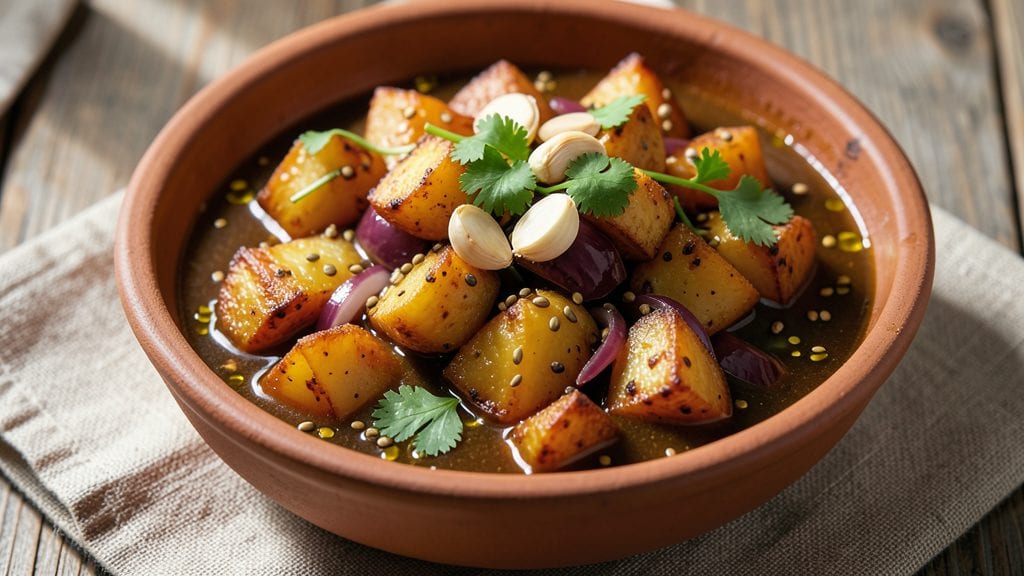
This potato bhaji recipe delivers the perfect balance of creamy mashed potatoes and golden, crispy edges—transforming a simple side into a flavor-packed centerpiece. The secret lies in tempering aromatic spices with mustard oil, creating layers of warmth that elevate every bite.
I’ve perfected this dish over years of testing, ensuring the potatoes stay tender while developing that coveted crispy crust.
The recipe begins with sautéing onions and garlic until soft, then building depth with cumin, coriander, and turmeric before adding the potatoes. The key step is gently mashing the potatoes while they cook, preserving their texture without turning to mush.
A final tempering with mustard seeds and curry leaves adds a signature aroma that makes this dish unforgettable.
What you’ll end up with is a dish that’s crispy at the edges, velvety in the center, and packed with smoky, spiced flavor. It’s hearty enough to stand alone but pairs beautifully with roti, naan, or a cooling mint chutney.
Whether you’re serving it at a family gathering or a weeknight dinner, this bhaji brings restaurant-quality results to your kitchen.
For extra richness, stir in paneer or vegan cheese at the end, or add fresh cilantro for brightness. The technique is straightforward, but the flavor is anything but ordinary—this is comfort food at its finest. Let’s get cooking!
Ingredients for potato bhaji
Potatoes, spices, and mustard oil—three simple ingredients that transform into restaurant-style bhaji.
| Ingredient | Amount | Notes |
|---|---|---|
| Russet Potatoes 🥔 | 2 ½ lbs | Yukon gold or red potatoes work too |
| Yellow Onions 🧅 | 1 whole | Medium-sized, finely chopped |
| Garlic Cloves 🧄 | 6 cloves | Peeled and minced |
| Mustard Oil 🫒 | ¼ cup | Use light or dark variety |
| Cumin Seeds 🌶️ | 1 tbsp | Toasted for aroma |
| Ground Cumin 🌶️ | 1 tbsp | Freshly ground preferred |
| Ground Coriander 🌿 | 1 tbsp | Freshly ground for best flavor |
| Turmeric Powder 🌶️ | 1 tsp | Fresh root preferred |
| Garam Masala 🌶️ | 1 tbsp | Store-bought blend works fine |
| Red Chili Powder 🌶️ | ½ tsp | Adjust for heat preference |
| Salt 🧂 | 1 ½ tsp | Kosher or sea salt |
| Mustard Seeds 🌶️ | 1 tbsp | Yellow or brown seeds |
| Curry Leaves 🌿 | 10 whole | Fresh, dried works too |
| Fresh Cilantro 🌿 | ¼ cup | Chopped for garnish |
| Paneer Cheese 🧀 | 4 oz | Optional, crumbled |
For the potatoes, Russet or Yukon Gold work best—they hold their shape while mashing. Trader Joe's or Whole Foods carry great organic options if you want to splurge. The mustard oil is non-negotiable—it’s what gives bhaji that signature smoky depth. Indian grocery stores have the best selection, but you can find it online too. Look for bottles labeled 'light' or 'dark'—both work, but dark has more flavor. If you can’t find mustard oil, vegetable oil plus 1 tsp mustard powder is a decent substitute, though it won’t be quite the same. The onions and garlic? Fresh is always better, but dried spices can work in a pinch if you’re in a hurry.
No mustard seeds? Skip them entirely—the dish will still be delicious. Fresh curry leaves are ideal, but dried leaves at half the amount work fine. The paneer is optional but adds a nice creamy texture—store-bought blocks are fine, just crumble them yourself. For the spices, Penzeys or Spicewalla have great pre-ground blends, but the bulk bins at Indian markets are usually fresher. If you’re short on time, garam masala from a jar is totally acceptable. The key is balancing the spices—start with the amounts listed, then adjust to taste. Too spicy? Add more potatoes. Not enough flavor? A pinch more garam masala does the trick.
This bhaji reheats beautifully—just warm it gently in a pan with a splash of water or oil. Keeps for 3-4 days in the fridge, though it’s best enjoyed fresh. For leftovers, portion into containers and reheat only what you need. The crispy edges soften when reheated, but the flavor stays rich. If you’re making this ahead for a party, keep it covered but uncovered slightly to maintain some texture. Freezes for up to 3 months, though the texture changes slightly after thawing. Store the mustard oil in a cool, dark place—it keeps for years, but freshness matters for flavor.
Why You'll Love This Recipe
- No-Fuss Mash: I just toss boiled Russets into a pan with onions and garlic—no fancy peeling or dicing. The potatoes break down easily, and the mustard oil infuses that deep, nutty warmth in minutes.
- Crispy-Creamy Magic: That golden crust on the outside with a fluffy center? Pure satisfaction. The cumin seeds toast up first, then the mustard oil works its charm, turning simple potatoes into something irresistibly rich.
- Leftover Hero: Between us, this reheats like a dream. Cold the next day? Still delicious with a sprinkle of chaat masala. Pack it for lunch or freeze portions—it’s my go-to for lazy days.
- Budget Banger: Russets and onions are cheap, and a little mustard oil goes a long way. I make this for six people for under $5, and everyone clears their plates. Honestly, it’s the kind of recipe that makes grocery day feel like a win.
Step-by-step instructions for potato bhaji recipe
Here's how to turn simple potatoes into a flavor-packed, crispy-edged bhaji that's perfect with flatbreads.
Parboil and Mash the Potatoes
Peel the 2.5 lbs russet potatoes and cut them into 1-inch chunks. Place them in a pot of cold, salted water (add 1.5 tsp salt) and bring to a boil. Once boiling, reduce heat to medium and cook for 8-10 minutes until the potatoes are fork-tender but still hold their shape.
Drain the potatoes thoroughly in a colander, then return them to the pot. Using a potato masher or fork, mash them until you get a slightly lumpy texture with some small chunks remaining. The slight roughness helps create the perfect crispy exterior later. Let the mashed potatoes cool slightly before handling them further.
Sauté Aromatics and Spices
Heat the 0.25 cup mustard oil in a large, heavy-bottomed skillet over medium heat. Add the 1 tbsp mustard seeds and let them sizzle for 30 seconds until they start to pop. Add the 10 whole curry leaves and the 6 cloves minced garlic cloves, cooking for another 1 minute until the garlic turns golden.
Next, add the finely chopped 1 whole yellow onion and cook for 5-6 minutes until softened and lightly browned. This is where the foundation of your bhaji's flavor develops. Don't rush this step—the onions should caramelize slightly for maximum taste. If you smell the onions burning, reduce the heat slightly.
Combine and Season the Bhaji
Add the mashed potatoes to the skillet and mix well to combine with the aromatic spices. Sprinkle in the 1 tbsp ground cumin, 1 tbsp ground coriander, 1 tsp turmeric powder, 0.5 tsp red chili powder, and the remaining 1 tbsp garam masala. Stir thoroughly to ensure even distribution of the spices throughout the potato mixture.
Cook the bhaji over medium-low heat for 10-12 minutes, stirring occasionally, until the moisture evaporates and the mixture starts to develop crispy edges. You'll know it's ready when the bhaji pulls away from the sides of the pan slightly and forms a golden crust. This is the magic moment that creates that perfect texture we're after.
Finish and Serve
Once the bhaji has developed crispy edges and looks dry enough, remove it from heat. Gently fold in the 0.25 cup chopped fresh cilantro and the 4 oz crumbled paneer cheese (if using). The cheese adds a nice contrast in texture and a bit of creaminess to balance the spices.
Serve the bhaji immediately while it's still crispy and warm. The contrast between the soft, spiced potato center and the crispy edges is what makes this dish so special. Pair it with warm flatbreads or naan to soak up all the delicious flavors. If you're feeling adventurous, add a dollop of yogurt or a sprinkle of toasted peanuts for extra texture and flavor.
Pro Tips For Making Potato Bhaji
- Boil Potatoes Halfway: Russets stay dry if you boil them fully—cut them into 1-inch chunks, then simmer in salted water for just 8-10 minutes until fork-tender but still holding shape. Overcooking turns them into mush, and no one wants sad, watery bhaji. Drain well, then let them steam-dry in the colander for 5 minutes (yes, even if you’re impatient).
- Char the Onions Slow: Mustard oil burns fast, so start onions on medium-low heat until deeply golden—about 15 minutes, stirring occasionally. I learned this the hard way: rushing this step makes the bhaji taste bitter. If they darken too quickly, pull the pan off heat and let them cool slightly before adding garlic.
- Crush Garlic Roughly: Skip the mincer—smash garlic cloves with the flat side of your knife first, then finely chop. This releases more flavor without turning the bhaji into a paste. (Pro move: Toast the crushed garlic in the mustard oil for 30 seconds before adding onions—it adds a nutty depth.)
- Bloom Cumin First: Heat mustard oil until it shimmers (just before smoking), then add cumin seeds. Let them sizzle for exactly 20 seconds—longer and they’ll burn, shorter and they’ll taste raw. This is the thing that matters most: the aroma sets the whole dish up. If you’re short on time, use 1 tsp ground cumin instead, but toast it in the oil for 10 seconds to wake it up.
Dietary considerations for this recipe
Vegetarian-Friendly Base
This bhaji is naturally vegetarian and requires no animal products, making it perfect for plant-based diets. The potatoes, spices, and mustard oil create a hearty, protein-rich dish without relying on meat. For extra protein, stir in 4 oz crumbled paneer or swap it for vegan cheese like Violife. 🌱
Gluten-Free Adaptations
Traditional bhaji is inherently gluten-free since it contains no wheat-based ingredients. Just ensure your mustard oil, spices, and paneer (if using) are certified gluten-free. For extra flavor without gluten, toast 1 tbsp gluten-free cornstarch in the oil before adding onions to create a crispy base.
Always check labels on pre-made garam masala blends.
Spice Sensitivity Tips
Adjust the red chili powder to suit your tolerance—start with ¼ tsp for mild heat or omit entirely for a completely mild version. For smoky flavor without spice, add ½ tsp smoked paprika instead.
The mustard seeds and curry leaves provide depth even without chili, so don’t skip them entirely. 🌶️
Dairy-Free Options
Skip the paneer entirely or replace it with ½ cup crumbled tofu for a dairy-free alternative. The dish remains rich and satisfying without cheese. For extra creaminess, stir in 2 tbsp coconut yogurt at the end. Always use dairy-free mustard oil to maintain authenticity while keeping the dish vegan-friendly.
Low-Carb Variations
Swap the potatoes for ½ cup cauliflower rice mixed with 1 cup grated zucchini to reduce carbs while keeping the texture. Sauté the veggies until tender before adding spices. This version cuts carbs by about 70% while maintaining the bhaji’s signature crispy edges when cooked properly. 🥦
Allergen Awareness
Mustard oil is the only potential allergen in this recipe, but reactions are rare. If mustard allergies are a concern, substitute with ghee or coconut oil (though flavor will differ).
Always check spice blends for cross-contamination warnings, especially if allergies to sesame or other common spices exist. The dish is otherwise free from top allergens like nuts, soy, and eggs.
Nutrition facts
Frequently asked questions
Can I make potato bhaji ahead of time?
Yes, but with a few key adjustments. Cook the bhaji completely, then store it in an airtight container in the fridge for up to 3 days. Reheat gently in a pan with 1 tablespoon oil over medium heat, stirring occasionally until warmed through. The texture will be softer than fresh, but the flavor stays rich. For best results, reheat only what you need to maintain crispiness.
What's the secret to getting crispy edges?
The crispy texture comes from proper moisture control and heat management. After adding the mashed potatoes, cook on medium-low heat for 10-12 minutes, stirring occasionally, until the mixture pulls away from the pan slightly. The edges will develop a golden crust when ready. Avoid overcrowding the pan—cook in batches if needed. A heavy-bottomed skillet helps distribute heat evenly for perfect crispiness.
Can I substitute mustard oil with something else?
Mustard oil is traditional but not mandatory. For a milder flavor, use vegetable oil or ghee, though the dish will lack that signature smoky depth. If you want to mimic the flavor, add ½ teaspoon mustard powder to the oil before sautéing onions. For a healthier option, try coconut oil, which adds a subtle sweetness. Always toast spices in the oil for maximum aroma, regardless of the oil type.
How do I prevent the bhaji from turning mushy?
Overmashing the potatoes is the most common cause of mushiness. Leave some small chunks when mashing—this creates pockets that crisp up during cooking. Also, avoid adding too much liquid (like water or yogurt) while cooking. If the bhaji seems too wet, cook it longer on medium-low heat, stirring occasionally, until excess moisture evaporates. Finally, don't skip the 10-12 minute cooking time—rushing this step leads to a soggy texture.
What are the best sides to serve with potato bhaji?
Potato bhaji pairs beautifully with warm, soft breads that soak up the flavors. Try whole wheat roti, garlic naan, or paratha for a classic combo. For a lighter option, serve with cucumber raita or mint chutney to balance the richness. A simple green salad with lemon dressing adds freshness. If you want extra protein, add a side of dal or chickpea curry. The key is contrasting textures—crispy bhaji with soft, cool accompaniments works best.