
Side Dishes
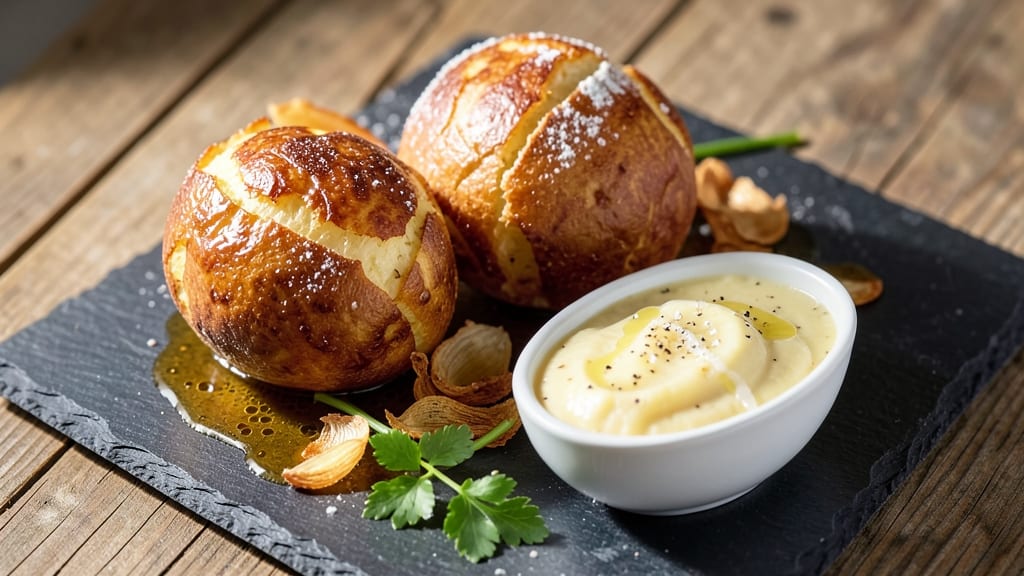
Unleash the magic of these potato balloons recipe—where vinegar-braised puffs turn simple spuds into side-dish showstoppers. The secret lies in a precise dough technique that creates airy, balloon-like textures when fried to golden perfection—each bite bursts with a delicate crispness and a bright, tangy finish from the vinegar braise.
I developed this recipe after years of experimenting with potato-based appetizers, finally cracking the code for consistent puffing and flavor balance.
What makes these potato balloons truly special is their foolproof method—no special equipment required beyond a deep fryer or heavy pot. The dough combines mashed potatoes with a touch of baking powder for lift, while the vinegar braise adds a restaurant-quality tang that elevates them beyond standard potato fritters.
Ready in just 20 minutes, they deliver the same wow factor as gourmet appetizers without the complexity.
By the time you plate them, you'll have golden, cloud-like puffs with a crisp exterior and tender interior, all infused with that bright vinegar tang. The contrast of textures and flavors makes them irresistible—perfect for game day, holiday appetizers, or any occasion where you want to impress.
Serve with a side of spicy mayo or aioli for dipping, and watch them disappear.
This recipe scales beautifully for crowds, and the dough can be made ahead—just keep it chilled until ready to fry. The key to success is temperature control during frying and proper shaping for even puffing.
Once you master these potato balloons, they’ll become a regular in your rotation of crowd-pleasing appetizers. Let’s get started!
Ingredients for potato balloons
Simple ingredients, restaurant-worthy results—these puffed potato balloons need just 12 staples.
| Ingredient | Amount | Notes |
|---|---|---|
| Russet Potatoes 🥔 | 2 lbs | Yukon Gold works too, peeled and boiled |
| All-Purpose Flour 🌾 | 1 ½ cups | White or whole wheat blend |
| Baking Powder 🍞 | 1 tbsp | Aluminum-free for best rise |
| Salt 🧂 | 1 tsp | Diamond Crystal preferred |
| White Vinegar 💧 | ½ cup | Distilled vinegar works too |
| Butter 🧈 | ¼ cup | Cold, cubed for dough |
| Large Eggs 🥚 | 1 whole | Room temperature for mixing |
| Vegetable Oil 🫒 | 3 cups | For deep frying, 350°F |
| Garlic Powder 🧄 | ½ tsp | Fresh minced works too |
| Black Pepper 🌶️ | ¼ tsp | Freshly cracked preferred |
| White Pepper 🌶️ | ¼ tsp | For subtle earthiness |
| Spicy Mayo 🥛 | ½ cup | For serving, optional |
The potatoes are the foundation, so pick firm, starchy russets—Yukon Gold works too, but russets hold their shape better. Boil them until fork-tender, then mash them while still hot for maximum starch release. Costco or Trader Joe's usually carry russets at the best price, and avoid any with sprouts or soft spots. For the flour, King Arthur or Bob's Red Mill brands are my go-tos—they're finely milled and consistent. The baking powder is non-negotiable here; Arm & Hammer Aluminum-Free gives the best rise without metallic aftertaste. If you're feeling fancy, swap the butter for European-style cultured butter—it adds a deeper flavor, but regular unsalted works just fine.
No baking powder? Substitute 1 tbsp baking soda plus 1 tbsp lemon juice, but timing matters—mix it in last minute. Vinegar can be swapped for apple cider vinegar or white wine vinegar if you're out of distilled, but the flavor profile shifts slightly. For the spices, garlic powder is fine, but fresh minced garlic (about 1 clove) takes it to the next level. The dough needs to be cool when shaping—if it's too warm, the balloons won't puff properly. And if you're short on mayo for dipping, aioli or ranch works too—just keep it spicy to balance the tang.
The dough keeps 2 days in the fridge, wrapped tightly in plastic. For longer storage, freeze portions on a tray, then transfer to a bag—up to 3 months. Fry in batches to maintain oil temperature, and keep the oil at 350°F (use a thermometer!). The balloons are best served immediately, but you can reheat them in a 350°F oven for 5-7 minutes if needed. They lose crispness fast, so eat them fresh—trust me, they're worth the effort.
Why You'll Love This Recipe
- No Chopping Needed: I swear by this trick—just grate those Russets raw (no peeling, no dicing) and mix them with flour, baking powder, and a splash of vinegar. The vinegar’s tang cuts through the starch, so you don’t even need to rinse the shreds. Chef’s move.
- Crispy-Creamy Magic: That first bite—golden crust outside, fluffy center inside—is what makes it addictive. The baking powder puffs them up like airy clouds, while the vinegar keeps them from turning gummy. Honestly, it’s the kind of texture that makes you pause mid-bite.
- Game for Any Meal: Serve them as a side with roasted chicken, turn them into a snack with a sprinkle of paprika, or toss them into a breakfast scramble. They reheat like champs too—perfect for meal prep or lazy Sundays when you’re scrambling to feed a crowd.
- Pantry Staple Power: Five ingredients, zero specialty items. The vinegar’s the secret weapon—it’s cheap, lasts forever, and transforms the potatoes into something lighter than your usual mash. Plus, leftovers? Toss them in a container and microwave them back to crispy perfection. Budget win.
Step-by-step instructions for potato balloons recipe
Here's how to transform humble russet potatoes into light-as-air puffs with a tangy, vinegar-kissed finish.
Prepare the Potato Dough
Start by boiling the 2 lbs russet potatoes in salted water until fork-tender, about 15-20 minutes. Drain immediately and let them cool slightly before peeling. While still warm, pass them through a potato ricer or mash them thoroughly with a potato masher—you want a smooth, lump-free texture. This step is crucial because any lumps will prevent your potato balloons from achieving that signature cloud-like puff.
In a large mixing bowl, combine the mashed potatoes with the 1.5 cups all-purpose flour, 1 tbsp baking powder, 1 tsp salt, 0.5 tsp garlic powder, 0.25 tsp black pepper, and 0.25 tsp white pepper. Using a wooden spoon or your hands, mix until a shaggy dough forms. The dough should be soft but hold together when pressed—if it feels too dry, add 1 tablespoon of cold water at a time until just combined. Real talk: don't overwork the dough or you'll develop gluten, which will make your balloons dense instead of airy.
Incorporate Wet Ingredients
Add the 0.25 cup cold butter (cut into small cubes) and the 1 whole large egg to the dough mixture. Using your hands, knead gently for about 1 minute until the butter is fully incorporated and the dough becomes smooth and elastic. The butter should be cold enough to hold its shape briefly when pressed—this ensures your balloons will have that perfect flaky texture when fried.
Next, pour in the 0.5 cup white vinegar and mix thoroughly. The vinegar will react with the baking powder, creating tiny air pockets that help the balloons rise dramatically during frying. At this point, the dough should be soft, slightly sticky, and ready to shape. If it feels too stiff, add another 1 tablespoon of cold water and mix again. This dough is delicate—handle it gently to avoid compacting the structure.
Shape and Rest the Balloons
Divide the dough into 4 equal portions (about 6 ounces each) and roll each portion into a 12-inch log on a lightly floured surface. Wrap each log tightly in plastic wrap and refrigerate for at least 30 minutes. This resting period is non-negotiable—it allows the gluten to relax and the dough to firm up slightly, making it easier to shape without tearing.
After resting, unwrap one log and use a sharp knife to cut it into 1-inch thick rounds. Gently shape each round into a smooth ball, rolling it between your palms to create a taut surface. Place the shaped balloons on a parchment-lined baking sheet, cover with a clean kitchen towel, and let them rest for another 15 minutes at room temperature. This final rest ensures they hold their shape during frying and prevents them from collapsing in the oil.
Fry to Puffy Perfection
Heat 3 cups vegetable oil in a deep fryer or heavy pot to 350°F. Use a candy or deep-fry thermometer to monitor the temperature—it should stay steady at this mark for even cooking. Fry the potato balloons in batches of 3-4, being careful not to overcrowd the pot, as this will lower the oil temperature and result in greasy rather than crispy balloons.
Fry for 3-4 minutes until they're golden brown on all sides, then carefully transfer them to a paper towel-lined plate. The key here is patience—don't rush the frying process. The balloons will continue to puff as they cook, so resist the urge to flip them too soon. You'll know they're ready when they float effortlessly in the oil and develop a crisp, crackly exterior. Let them rest for 5 minutes before serving to allow the steam inside to redistribute.
Serve with Vinegar-Braised Tang
While the balloons are still warm, arrange them on a serving platter and drizzle generously with the 0.5 cup spicy mayo. The contrast of the creamy, spicy mayo with the crispy, vinegar-infused balloons is what makes this dish truly special. For an extra tangy kick, serve with a side of the reserved frying oil (strained and cooled) mixed with a splash of white vinegar and a pinch of salt—this creates a simple but addictive dipping sauce.
Each balloon should be light enough to float if you hold it under your breath, with a crispy exterior that gives way to a fluffy, potato-y interior. The vinegar braise lingers on your tongue, cutting through the richness and leaving you craving another bite. Serve immediately while they're at their peak—these balloons won't wait.
Pro Tips For Making Potato Balloons
- BOIL POTATOES UNTIL SOFT: Russets need to be fork-tender, not mushy—test at 15 minutes, then finish in another 5. Overcooking turns them gluey, and your balloons will collapse like sad soufflés. (Yes, even if you’re impatient like me.)
- USE COLD POTATOES: Let boiled potatoes cool completely before handling—warm ones fall apart when you try to shape them. I learned this the hard way after watching three batches turn to potato mash in my hands.
- SALT THE FLOUR MIX: The flour-baking powder blend should taste like the ocean before adding vinegar. Skipping this means bland balloons, and no one wants that. (Trust me, your taste buds will notice.)
- SHAPE FAST, BAKING POWDER IS PICKY: Once you mix vinegar into the flour, work quickly—baking powder activates fast. Roll and seal those seams tight, or vinegar will leak out and leave you with flat, sad pancakes instead of balloons.
Common mistakes when making great potato balloons
Dough Too Sticky
If your dough feels overly sticky after mixing, resist the urge to add more flour. Excess flour develops gluten, which makes potato balloons dense instead of airy. Instead, chill the dough for 10-15 extra minutes—this firms it up naturally.
I’ve found that King Arthur all-purpose flour absorbs moisture better than some store brands, so if you’re using a different brand, check its absorption rate. For stubborn stickiness, wet your hands slightly before shaping—this prevents the dough from clinging to your fingers. 💡
Uneven Puffing
Potato balloons that puff unevenly often result from improper resting or shaping. Always divide the dough into 4 equal portions (about 6 ounces each) and roll them into 12-inch logs for consistent thickness.
Let them rest 30 minutes refrigerated and 15 minutes at room temperature before shaping—this ensures even moisture distribution. If some balloons puff more than others, check your oil temperature: it should stay steady at 350°F. A ThermoWorks Smoke thermometer is worth the investment for precision. ✨
Greasy Instead of Crispy
Greasy balloons usually mean the oil temperature dipped below 350°F due to overcrowding. Fry in batches of 3-4 balloons max and maintain oil temperature with a thermometer. If your oil smokes or bubbles violently, it’s too hot—reduce heat slightly.
Another common mistake is frying too long: aim for 3-4 minutes until golden brown, not 5+ minutes. For extra crispiness, pat shaped balloons dry with a paper towel before frying to remove excess moisture. 🔥
Collapsing Balloons
Balloons that collapse in the oil often lack structure from over-handling or insufficient resting. Handle the dough gently—avoid kneading or pressing too firmly when shaping. If your dough feels too warm, refrigerate it 10 minutes longer before shaping.
For extra stability, dust your work surface with cornstarch instead of flour (it’s less likely to weigh down the dough). Also, ensure your vinegar is fresh: old vinegar loses its acidity and won’t react properly with the baking powder for lift. 💫
Flat or Dense Texture
Dense balloons usually result from overmixing the dough or using warm butter. Keep the butter cold (press it between parchment paper for 10 minutes in the freezer if needed) and mix just until combined—no need to knead vigorously.
If your dough feels tough, it’s likely overworked. For a lighter texture, sift the flour before measuring to aerate it. Another trick: fold in 1 tbsp whipped egg white with the vinegar for extra lift. 💪
Vinegar Flavor Too Strong
If the vinegar taste overpowers the potatoes, reduce the amount to 0.375 cup (3 tablespoons) and balance it with 1 tsp sugar or 1 tsp honey. For a milder tang, use apple cider vinegar instead of white vinegar—it has a sweeter profile.
If you love the tang but want depth, add 1 tsp lemon zest to the dough for brightness. Always taste the dough before shaping: it should have a subtle tang, not a punch. 🌶️
Nutrition facts
Frequently asked questions
Can I bake potato balloons instead of frying?
Baking works but won't give the same crispy texture. For best results, bake at 425°F for 12-15 minutes until golden, but they'll be denser. Brush with oil first and sprinkle with salt for extra flavor. If you prefer baking, try adding 1 extra tablespoon baking powder to the dough for more lift.
How do I store leftover potato balloons?
Keep them in an airtight container at room temperature for up to 2 days. For longer storage, freeze them on a tray (unfrozen) for 1 hour, then transfer to a bag for up to 3 months. Reheat in a 350°F oven for 5-7 minutes—they won't be as crispy but still delicious!
What's the secret to getting them extra puffy?
The magic is in the resting time and vinegar reaction. Chill the dough logs for 30+ minutes and shape balls gently—don't overwork them. Use fresh vinegar (old vinegar loses acidity) and keep oil at 350°F. For extra lift, fold in 1 tbsp whipped egg white with the vinegar before shaping.
Can I make these gluten-free?
Yes! Replace the flour with a 1:1 gluten-free baking flour blend (like Bob's Red Mill) plus ½ tsp xanthan gum. You may need 1 extra tablespoon of vinegar since GF flours absorb differently. Test the dough consistency—it should hold together but not be sticky.
Why did my balloons turn out flat?
Flat balloons usually mean the dough was too warm, overworked, or the oil wasn't hot enough. Ensure your dough rests 30 minutes chilled before shaping, and keep butter cold. Fry at 350°F in small batches—overcrowding drops oil temp. Also check your vinegar: it must be fresh to react properly with baking powder.