
Side Dishes
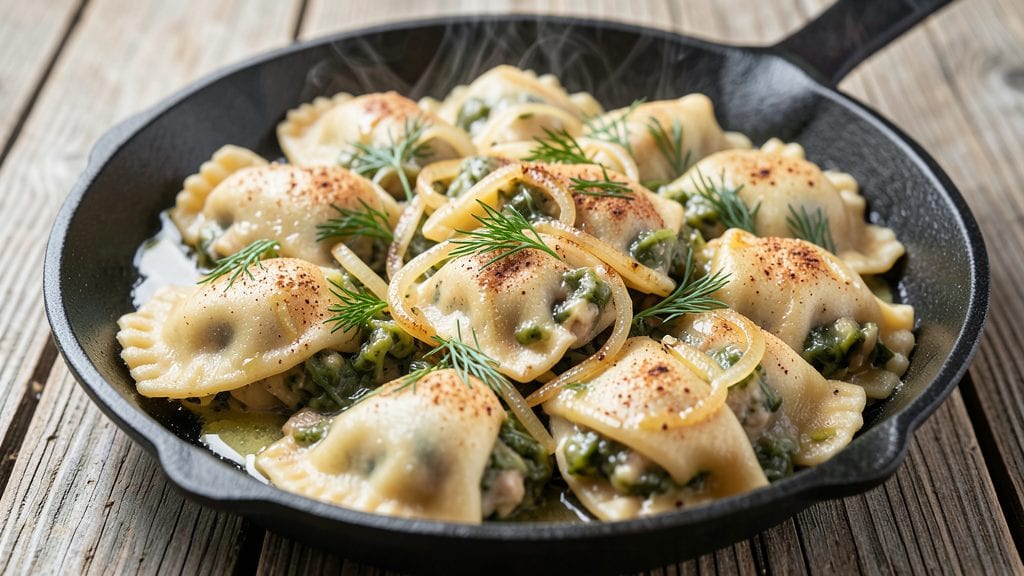
This potato and sauerkraut pierogi recipe brings the heart of Eastern European tradition to your kitchen table, where fluffy dough and tangy-sour fillings create a dish that’s both comforting and celebratory.
The secret lies in the balance of textures—soft, pillowy dough encasing a filling that’s creamy from potatoes and briny from sauerkraut, all sealed with precision to lock in those flavors during cooking.
I’ve perfected this recipe over years of testing, ensuring every bite delivers that satisfying contrast of tender dough and bold filling.
The dough itself is the foundation, requiring just flour, eggs, and a pinch of salt to create a smooth, elastic base that wraps around the filling without tearing. The filling combines mashed potatoes with sauerkraut, a mix that’s both rustic and refined, with a touch of onion for depth.
What makes these pierogi truly special is the technique: shaping them into neat half-moons, sealing the edges tightly, and boiling them until they float to the surface—proof they’re ready for the final touch, whether pan-frying for a crispy exterior or serving as-is with a dollop of sour cream.
What you’ll end up with is a platter of golden, fluffy pierogi that taste like a slice of home, whether you’re serving them as a side for roasted meats or as a standalone dish with caramelized onions and a sprinkle of fresh dill.
The tangy-sour notes from the sauerkraut cut through the richness of the potatoes, creating a harmony that’s both simple and unforgettable. This recipe isn’t just about making pierogi—it’s about bringing a piece of tradition to your kitchen with every bite.
Pair them with a crisp green salad or a hearty beef stew to round out the meal, or enjoy them on their own as a comforting snack. The beauty of pierogi lies in their versatility, and this recipe delivers on that promise with every step.
Let’s get started on creating these tangy-sour bites with fluffy dough magic—your taste buds will thank you.
Ingredients for potato and sauerkraut pierogi
Flour, potatoes, and tangy sauerkraut—simple ingredients for pierogi magic.
| Ingredient | Amount | Notes |
|---|---|---|
| All-Purpose Flour 🌾 | 3 cups | Plus 1 tbsp for dusting |
| Large Eggs 🥚 | 1 whole | Room temperature preferred |
| Salt 🧂 | ½ tsp | Fine sea salt preferred |
| Russet Potatoes 🥔 | 2 lbs | Peeled and boiled for filling |
| Sauerkraut 🥬 | 1 ½ cups | Drained and chopped fine |
| Yellow Onion 🧅 | 1 whole | Finely diced for filling |
| Unsalted Butter 🧈 | 2 tbsp | For mashing potatoes |
| Fresh Dill 🌿 | ¼ cup | Chopped for garnish |
| Sour Cream 🥛 | ½ cup | For serving or sealing |
| Vegetable Oil 🫒 | 1 cup | For frying pierogi |
| All-Purpose Flour 🌾 | 2 tbsp | For dusting work surface |
The flour is your foundation. King Arthur or Bob's Red Mill work best—they’ve got that perfect balance of protein for stretchy dough. If you’re in a pinch, any all-purpose will do, but avoid bread flour (too much gluten = tough pierogi). The potatoes? Russets are non-negotiable—they mash smooth and don’t turn gluey. Buy them a day ahead, peel them, and boil them whole with their skins on for even cooking. For the sauerkraut, look for the jarred kind with no added vinegar—the tangier, the better. I grab mine from Trader Joe’s or the refrigerated section at Whole Foods.
No fresh dill? Dried works at half the amount, but it’s not the same. Short on butter? Olive oil or margarine keeps things neutral. The onion can be swapped for shallots if you’re feeling fancy, but regular yellow does the job. For the dough, don’t overmix—just combine the flour, egg, and salt, then knead until smooth. If it cracks when you poke it, you’re good. The filling’s the star here: mash those potatoes smooth (no lumps!), then mix with the sauerkraut, onion, and a pinch of salt. Taste it—you want that tangy-sour brightness to shine through.
Pierogi dough keeps 2 days wrapped in plastic in the fridge, or 3 months frozen. The filling? 1 week in the fridge, or freeze it in portions. Cooked pierogi reheat beautifully—just a splash of water in a steamer basket or pan-fry them fresh. I always make extra dough and freeze it in balls (like little dumplings) so I can whip up pierogi anytime. Store them in a sealed container with parchment between layers to prevent sticking.
Why You'll Love This Recipe
- No-Fuss Dough: I swear by this dough—just flour, eggs, and salt. No butter, no fuss, and it rolls out like a dream. Even if I’m distracted (looking at you, midday coffee slump), these pierogi turn out tender every time.
- Sauerkraut Magic: That tangy, fermented bite from the sauerkraut cuts through the potatoes perfectly. Honestly, the first time I tried it, I thought, "Why didn’t I do this sooner?"—now it’s my go-to for when I want something bold but familiar.
- Weeknight Wonder: Freeze half the batch, and you’ve got dinner covered for another night. Toss them in butter and onions, or pan-fry until golden—both ways work, and both are foolproof. (Yes, even on a Tuesday night.)
- Budget Booster: Russets and sauerkraut are cheap staples, and flour and eggs stretch far. I make a double batch, freeze extras, and suddenly, I’ve got a filling, satisfying meal that costs next to nothing. My wallet thanks me.
Step-by-step instructions for potato and sauerkraut pierogi
Here's how to make these fluffy, tangy pierogi with crisp edges and a filling packed with flavor.
Prepare the Potato Filling
Peel the 2 lbs russet potatoes and cut them into even chunks. Place them in a pot of cold, salted water and bring to a boil. Cook for 15-20 minutes until fork-tender. Drain well and return them to the pot.
Add the 2 tbsp unsalted butter and mash the potatoes until smooth. Let them cool slightly, then stir in the 1.5 cups sauerkraut (drained and chopped fine) and 1 whole yellow onion (finely diced). Mix well and set aside. The filling should be cool enough to handle when you're ready to assemble the pierogi.
Make the Pierogi Dough
On a clean surface, mix the 3 cups all-purpose flour with the 0.5 tsp salt. Make a well in the center and add the 1 whole large egg. Gradually incorporate the flour into the egg until a shaggy dough forms. Knead for 8-10 minutes until the dough is smooth and elastic.
Wrap the dough in plastic wrap and let it rest for 30 minutes at room temperature. This resting time relaxes the gluten, making the dough easier to roll out and preventing shrinking during cooking. If the dough feels sticky, dust your hands with the 2 tbsp all-purpose flour reserved for dusting.
Assemble and Shape the Pierogi
Roll out the dough on a lightly floured surface until it's about 1/8-inch thick. Use a 3-inch round cutter to cut out circles. Place 1 tbsp of the potato filling in the center of each circle, then fold the dough over and press the edges firmly to seal. Twist the edges slightly to create a pleated effect.
Arrange the filled pierogi on a floured surface, cover with a damp towel, and let them rest for 10 minutes. This prevents them from sticking together and ensures they hold their shape during cooking. Keep a bowl of cold water nearby—dip your fingers in it before sealing to help the edges stick together.
Cook the Pierogi to Golden Perfection
Bring a large pot of water to a gentle boil. Add the pierogi in batches and cook for 3-4 minutes until they float to the surface. This means they're cooked through and ready to be served. Use a slotted spoon to transfer them to a plate.
Alternatively, for crispy pierogi, heat 1 cup vegetable oil in a deep skillet over medium heat. Fry the pierogi in batches for 2-3 minutes per side until golden brown. Drain on paper towels and serve immediately with 0.5 cup sour cream and 0.25 cup fresh dill (chopped) for garnish.
Pro Tips For Making Potato And Sauerkraut Pierogi
- Boil Potatoes Until Fork-Tender: Russets can feel stubborn—don’t stop at "soft." Poke with a fork; if it slides in like butter, they’re ready. Overcooked mash is forgivable; undercooked pierogi filling turns to glue. Drain well, then mash while still hot to break down the starch properly.
- Drain and Rinse Sauerkraut Twice: The brine hides in those cabbage layers. After draining, rinse the sauerkraut in cold water and squeeze out excess moisture with a clean towel. Wet filling makes dough sticky and pierogi soggy—no one wants a dumpling that falls apart at the first bite.
- Chill Dough Between Rolls: Warm dough sticks like glue to your hands and the rolling pin. Wrap the dough log in plastic and refrigerate for 15 minutes before rolling. This gives you cleaner cuts and prevents the filling from oozing out when you seal the pierogi.
- Fry in Batches, Don’t Crowd: A packed pot steams pierogi instead of browning them. Use a skillet with ½-inch oil and fry 4-5 at a time over medium heat. Too many? They’ll turn limp and greasy. Golden and crispy is the goal—like little edible pancakes, not mushy blobs.
Storing and reheating your potato and sauerkraut pierogi
Fridge Storage Tips
Store cooked pierogi in an airtight container with a splash of water and a damp paper towel to keep them moist.
They’ll stay fresh in the fridge for 3-4 days—just reheat in a steamer basket over boiling water for 5-7 minutes or pan-fry in 2 tbsp butter for 2-3 minutes per side until golden. I always make a double batch because they disappear so fast! 🥔
Freezer Magic
For long-term storage, freeze uncooked pierogi on a floured tray until solid, then transfer to a ziplock freezer bag with parchment between layers. They’ll keep for up to 3 months.
To cook from frozen, boil for 1-2 extra minutes or fry directly in oil—no thawing needed! Pro tip: Label bags with the date to track freshness. 🧊
Reheating Perfection
Steaming is my go-to for reheating because it keeps the dough tender. Place pierogi in a steamer basket over 1 inch of boiling water, cover, and steam for 6-8 minutes.
For crispy results, pan-fry in 1 tbsp vegetable oil over medium heat for 3-4 minutes per side until golden. Add a pinch of salt if needed—the flavors intensify after storage! 🔥
Filling Refresh
If the sauerkraut filling tastes bland after reheating, boost it with 1 tsp apple cider vinegar or a squeeze of lemon. The acidity cuts through the richness of the potatoes and revives that tangy-sour kick. I also like adding a pat of butter while reheating for extra richness. 💛
Avoiding Sticking
Pierogi stick together when reheated—prevent this by separating them with parchment paper in the container. If they do stick, gently rinse with cold water before reheating to loosen them. For extra insurance, dust with 1 tbsp flour before storing. This trick works for both fridge and freezer storage! ✨
Make-Ahead Dough
Save time by prepping the dough in advance. Wrap it tightly in plastic and store in the fridge for up to 2 days or freeze for 3 months.
Thaw overnight in the fridge before rolling. I often make dough on Sundays so I can assemble pierogi anytime during the week—perfect for spontaneous dinner parties! 📅
Nutrition facts
Frequently asked questions
Why does my pierogi dough crack when rolling?
The dough cracks when it's too dry or hasn't rested enough. Always knead for 8-10 minutes until smooth and elastic, then let it rest 30 minutes wrapped in plastic. If it cracks while rolling, dust with more flour and roll gently. The dough should be pliable but not sticky—adjust with tiny flour additions if needed.
Can I make pierogi filling ahead of time?
The potato-sauerkraut filling keeps well in the fridge for 1 week or freezes for 3 months. Just thaw it in the fridge overnight before assembling. For extra flavor, add a pinch of black pepper or garlic powder when reheating. The sauerkraut's tanginess actually improves with time!
What's the best way to seal pierogi edges?
Wet your fingers with cold water and press edges firmly while twisting slightly to create pleats. For extra security, dip edges in sour cream before sealing—it acts as a glue. If filling leaks during boiling, your edges weren't sealed tightly enough. Practice makes perfect, and a well-sealed pierogi won't burst!
How do I know when pierogi are done boiling?
Pierogi are perfectly cooked when they float to the surface—this happens about 3-4 minutes after adding them to boiling water. They should be plump but not bursting. For extra insurance, cut one open: the dough should be opaque and the filling hot throughout. Never overcook or they'll turn mushy!
Can I make these pierogi gluten-free?
Yes, but with adjustments. Replace the all-purpose flour with a 1:1 gluten-free flour blend (like Bob's Red Mill) and add 1 tbsp xanthan gum to the dough. The dough will be more delicate, so handle it gently when shaping. For filling, ensure your sauerkraut is gluten-free and use tamari instead of soy sauce if needed.