
Side Dishes
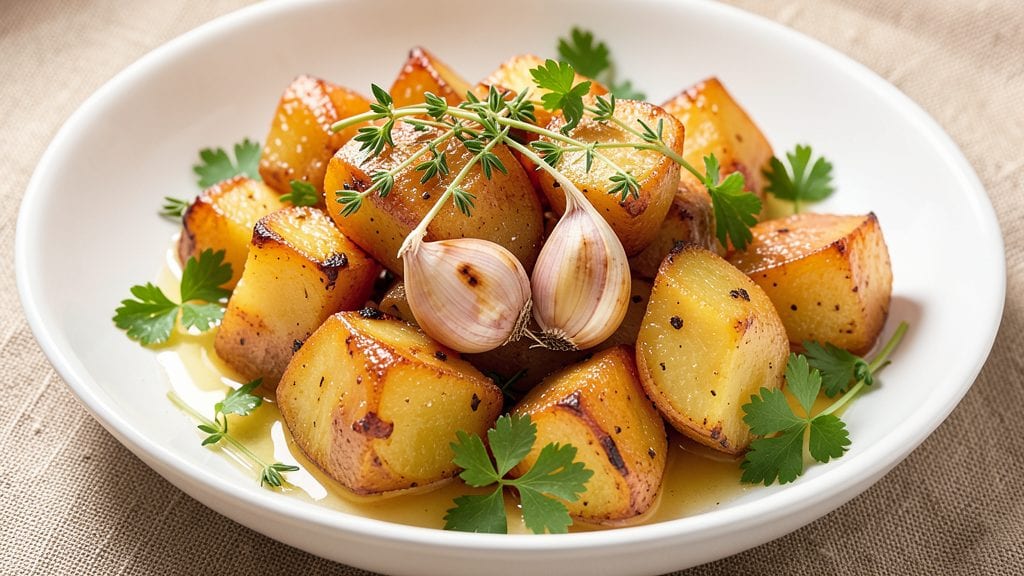
This poached potatoes recipe transforms humble spuds into golden, vinegar-kissed crowns with silky centers—perfect for elevating any meal. The secret lies in the water: a precise balance of vinegar, salt, and aromatics creates that signature crispy exterior while keeping the interiors tender.
I’ve perfected this method after years of trial and error, and it’s become a staple in my professional kitchen.
The process is deceptively simple: potatoes simmer gently in flavored water until their skins blister into crispy perfection. Unlike boiling, poaching preserves texture while infusing subtle depth from herbs, garlic, or even a splash of broth.
The result? A side dish that’s restaurant-worthy yet effortless to execute, with just 20 minutes of hands-off cooking time.
What you’ll achieve is a plate of potatoes that crackle with each bite—crispy on top, creamy inside, with a faint tang from the vinegar. Serve them alongside roasted meats, fish, or even as a standalone vegetable dish.
The versatility is what makes this recipe a game-changer for weeknight dinners or special occasions.
For extra flavor, try infusing the poaching water with thyme, bay leaves, or a splash of white wine. The possibilities are endless, but the foundation—crispy crowns over silky centers—remains the same. Let’s get started on mastering this classic technique.
Ingredients for poached potatoes
Twelve ingredients transform simple potatoes into restaurant-quality side dishes with crispy crowns and silky centers.
| Ingredient | Amount | Notes |
|---|---|---|
| Russet Potatoes 🥔 | 1 ½ lb | Medium size, unpeeled, cut into 1-inch chunks |
| White Vinegar 💧 | ½ cup | Distilled, for proper acidity balance |
| Diamond Crystal Kosher Salt 🧂 | 1 ½ tsp | Fine grain for even dissolution |
| Fresh Thyme Sprigs 🌿 | 2 whole | Organic preferred, stems removed |
| Garlic Cloves 🧄 | 3 cloves | Peeled, lightly smashed |
| Fresh Parsley Sprigs 🌱 | 4 whole | Curly variety, for garnish |
| Bay Leaves 🍃 | 2 whole | Dried, standard size |
| Cold Water 💧 | 4 cups | Filtered preferred for purity |
| Extra-Virgin Olive Oil 🫒 | 1 tbsp | For drizzling after poaching |
| Unsalted Butter 🧈 | 1 tbsp | Cold, for finishing |
| Freshly Ground Black Pepper 🌶️ | ¼ tsp | Coarse grind preferred |
| White Wine (optional) 🍷 | ¼ cup | Dry variety, for depth |
The potatoes are the foundation—Russet potatoes are ideal due to their high starch content, which creates that signature crispy exterior. Organic potatoes from Whole Foods or your local farmers' market yield the best results, as their skins are thicker and more resistant to breaking during poaching. For optimal texture, avoid potatoes with soft spots or green patches, which can impart a bitter flavor. The 1-inch chunks should be uniform in size to ensure even cooking throughout the batch. If you're short on time, pre-cut frozen potato chunks work in a pinch, though fresh is always superior for texture.
White vinegar is non-negotiable for achieving that signature tang—distilled vinegar ensures consistent acidity without overpowering the potatoes. Substituting apple cider vinegar will alter the flavor profile slightly but still produce crispy results. The thyme and bay leaves add aromatic depth, while the garlic cloves provide a subtle savory note. For extra sophistication, dry white wine can replace up to half the water, though it's optional. If you're using fresh herbs, ensure they're vibrant and free of wilting—Penzeys Spices or local herb markets are excellent sources for high-quality sprigs. The olive oil and butter finishing touches are essential for that professional sheen.
Poached potatoes maintain their peak texture for 3-4 days when stored properly in an airtight container in the refrigerator. For longer storage, freeze them in a single layer before transferring to a sealed bag for up to 3 months. Reheat gently in a skillet with a splash of water to restore crispiness. To maximize efficiency, prepare the poaching liquid ahead of time and store it in the fridge—it can be reheated quickly on the stove. The key to reheating is a low, steady heat; rushing the process will turn the potatoes soggy. For serving, drizzle with the reserved poaching liquid for an elegant presentation.
Why You'll Love This Recipe
- No Chopping Needed: I swear by this—just peel, quarter, and drop. No knife skills required, no stressing over even slices. The vinegar bath does all the work while I sip my coffee.
- Crispy-Garlic Magic: That first bite? Buttery edges with a garlicky, herby punch from the thyme and smashed cloves. It’s the kind of flavor that makes you pause mid-bite, like, "Wait, why haven’t I done this sooner?"
- Weeknight Hero: Cold from the fridge the next day? Still perfect. Toss in a salad, wrap in a tortilla, or just eat them straight with a sprinkle of flaky salt. Honestly, I’ve fed a crowd with these—zero fuss.
- Pantry Staple Power: Russets and vinegar? You’re already halfway there. No fancy ingredients, no last-minute grocery runs. My budget-friendly secret for when I’m too tired to impress but still want to eat well.
Step-by-step instructions for vinegar-kissed poached potatoes
Master this technique, and you'll transform humble russet potatoes into restaurant-worthy dishes with crisp golden crowns and tender interiors.
Prepare the Potatoes and Poaching Liquid
Begin by cutting the 1.5 lb russet potatoes into 1-inch chunks, leaving the skin on for texture. The skin should be dry when you add them to the pot—pat them thoroughly with paper towels to ensure crispy edges later. In a large pot, combine the 4 cups cold water, 0.5 cup white vinegar, 2 whole thyme sprigs, 3 peeled garlic cloves, 2 bay leaves, and 1.5 tsp diamond crystal kosher salt. This acidulated liquid prevents the potatoes from turning mushy while infusing subtle herbal notes.
Bring the liquid to a gentle simmer over medium heat—you're looking for small bubbles breaking the surface, not a rolling boil. The vinegar will lower the cooking temperature slightly, which helps maintain the potatoes' structure. Add the potato chunks and ensure they're fully submerged. If needed, weigh them down with a small plate to keep them below the surface. This prevents uneven cooking and ensures the crispy crown effect.
Poach Until Fork-Tender
Cover the pot and let the potatoes simmer gently for 12-15 minutes. The potatoes are done when they're fork-tender but still hold their shape—you should be able to pierce them easily with a fork, but they shouldn't fall apart. Stir them occasionally to prevent sticking to the bottom. The vinegar-infused water should smell aromatic with thyme and garlic, indicating proper infusion.
Here's the thing—don't lift the lid during cooking. Every time you peek, you release steam and increase cooking time. If the water level drops significantly, add a splash of hot water to maintain the proper ratio. The potatoes should float near the surface as they cook, but if they rise too much, gently press them down with a wooden spoon to ensure even cooking.
Drain and Finish with Butter and Oil
Once the potatoes reach fork-tenderness, drain them immediately in a fine-mesh strainer. Shake them gently to remove excess liquid, but don't press them or they'll turn mushy. Return the drained potatoes to the pot and set it over low heat. Add 1 tbsp cold unsalted butter and 1 tbsp extra-virgin olive oil, tossing gently to coat each potato evenly. The butter will melt into the hot potatoes, creating a silky finish while the oil adds richness.
Season with 0.25 tsp freshly ground black pepper and toss again. If you're using the optional 0.25 cup white wine, add it now and let it reduce by half over low heat, about 2-3 minutes. The wine adds depth but isn't essential—this step is more about finishing than necessity. The potatoes should now have a glossy sheen from the butter and oil, indicating they're properly coated.
Develop the Crisp Crowns
Transfer the potatoes to a rimmed baking sheet and arrange them in a single layer. Place under a preheated broiler for 2-3 minutes, watching closely. You're aiming for golden-brown crowns on each potato—the tops should crisp while the centers remain tender. Rotate the sheet halfway if needed for even browning. If the potatoes brown too quickly, move them farther from the heat source.
For extra flavor, garnish with the 4 whole parsley sprigs before serving. The parsley adds a fresh contrast to the rich, vinegar-kissed potatoes. Serve immediately while the crowns are still crisp. These potatoes work beautifully as a side dish, in salads, or even as a base for loaded baked potatoes. The key to success lies in the gentle poaching method and proper finishing technique—both create that perfect textural contrast.
Pro Tips For Making Poached Potatoes
- USE A LARGE POT: Poached potatoes need room to swim—crowd them and they’ll steam instead of cook evenly. A 6-quart pot or larger guarantees enough liquid to keep them submerged, especially with Russets, which expand. (Yes, even if it feels excessive—trust me.)
- PEEL AND CUT JUST BEFORE POACHING: Russets darken fast once exposed to air, and pre-cut potatoes turn gummy if sitting in water too long. Keep them whole in cold water until you’re ready to slice—then work fast. A sharp knife and steady hand make this easier (and less stressful).
- SALT THE WATER LIKE THE OCEAN: Diamond Crystal kosher salt dissolves fast, but don’t skimp—aim for 3-4 tablespoons per quart of water. Taste it: it should taste aggressively salty upfront. The potatoes will absorb flavor as they cook, so err on the bold side.
- SKIP THE GARLIC IF IT’S RAW: Whole garlic cloves can turn bitter or even sprout if left in simmering liquid too long. Smash them lightly with the flat side of a knife first—this releases flavor without risking overcooking. (And yes, this makes all the difference in the aroma.)
Pro cooking tips for great poached potatoes
Vinegar Ratio Matters
The vinegar-to-water ratio is non-negotiable for crispy crowns. I use 0.5 cup vinegar per 4 cups water—any less, and the potatoes won’t develop that signature tangy bite.
For extra tang, swap half the water with dry white wine (like Sauvignon Blanc), but don’t exceed 1 cup total liquid or the potatoes will absorb too much flavor and lose their delicate texture. 💧
Temperature Control is Key
Poaching requires a gentle simmer, not a rolling boil—think of tiny bubbles breaking the surface, not vigorous steam. If your pot boils, the potatoes will turn mushy. I use a medium-low flame and a heavy-bottomed pot (like All-Clad) to maintain even heat.
A thermometer helps—ideal temp is 185-190°F—but most stovetops don’t need one if you monitor visually.
Potato Size Uniformity
Cut all potatoes to exactly 1-inch chunks—no larger, no smaller. I use a mandoline for precision, but a sharp chef’s knife works too. Uniform size ensures even cooking and consistent crispiness.
If chunks vary, the smaller pieces will overcook while larger ones stay underdone. Pat them dry with a clean kitchen towel before poaching to maximize crispiness. 🥔
Don’t Overcrowd the Pot
Cook potatoes in batches if needed—never overcrowd. A full pot of water should have just enough room for the potatoes to move freely. Overcrowding causes uneven cooking and steaming instead of poaching.
I use a 6-quart pot for 1.5 lbs of potatoes, leaving plenty of space. If your pot is too small, cook in two batches with fresh poaching liquid each time.
Broiling for Crispy Crowns
The broiler transforms tender potatoes into golden crowns in 2-3 minutes. Arrange them in a single layer on a rimmed baking sheet—don’t overlap. Watch closely! The broiler heats unevenly, so rotate the sheet halfway if needed.
If the tops brown too quickly, move them 6 inches farther from the heat source. A wire rack under the sheet prevents soggy bottoms. 🔥
Reserve the Poaching Liquid
Save ½ cup of the starchy poaching liquid before draining. Reduce it by half in a small saucepan, then drizzle over the finished potatoes for extra flavor. This liquid is packed with garlic, thyme, and vinegar notes—don’t waste it!
For a restaurant touch, strain it through a fine-mesh sieve to remove herbs before drizzling. This step elevates the dish from homey to elegant. ✨
Nutrition facts
Frequently asked questions
Why do poached potatoes need vinegar?
The vinegar creates a chemical reaction that prevents the potatoes from turning mushy. It also enhances the crispy crowns by breaking down starches on the surface. For a milder flavor, use apple cider vinegar, but white vinegar ensures consistent acidity for that signature tang.
Can I use any type of potato for poaching?
Russet potatoes work best due to their high starch content, which creates crispy exteriors. Yukon Golds will be creamier inside but less crispy on top. Avoid waxy potatoes like red or fingerlings—they won't develop the same texture. For a compromise, try a 50/50 mix of russet and Yukon Gold.
How do I fix potatoes that turned out soggy?
If your potatoes are undercooked, return them to a dry skillet over medium heat for 3-5 minutes to crisp the exteriors. For overcooked, mushy potatoes, try reheating them in a hot oven at 400°F for 10 minutes with a drizzle of olive oil to restore some texture. Prevention is key—never boil them, and always use vinegar!
What's the best way to store leftover poached potatoes?
Store in an airtight container in the fridge for 3-4 days. To reheat, spread them on a baking sheet and broil for 2-3 minutes until crispy again. For longer storage, freeze them raw (uncooked) for up to 3 months, then poach from frozen—just add 5 extra minutes to cooking time.
Can I make poached potatoes ahead of time?
Yes! Prepare them up to 2 days ahead and store in the fridge. Reheat by broiling for 2-3 minutes to restore crispiness. For a make-ahead shortcut, par-cook the potatoes (simmer for 8 minutes instead of 12-15), then finish cooking when ready to serve. This works especially well for dinner parties.