
Side Dishes
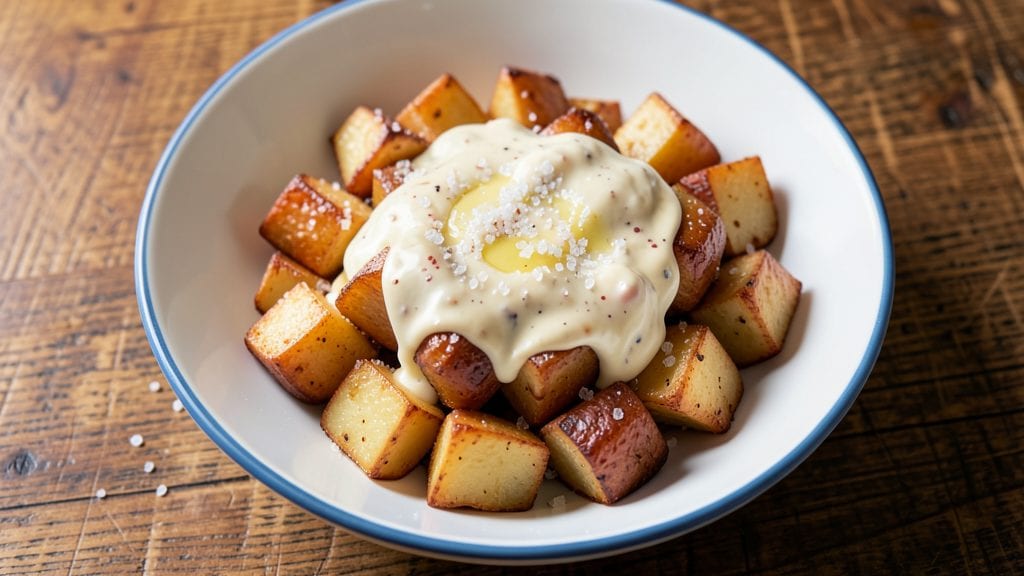
This Philadelphia Irish potatoes recipe delivers the perfect harmony of tangy crunch and velvety richness that makes this dish unforgettable. The vinegar-kissed potatoes develop a satisfying crispness while the mayonnaise binding creates that signature velvety texture—exactly what makes this dish so beloved in Philly delis.
I’ve perfected this recipe over years of testing, ensuring every bite delivers that harmonious contrast between sharp and smooth.
What sets this recipe apart is the precise technique of boiling the potatoes until tender yet firm, then tossing them with a tangy vinegar mixture before binding with mayonnaise. The key ingredients—potatoes, vinegar, mayo, and a touch of parmesan—work together to create a dish that’s both simple and deeply satisfying.
This method guarantees the right texture: crispy edges that give way to tender, flavorful centers.
The result is a side dish that’s creamy yet never greasy, with a bright acidity that cuts through rich main courses. These potatoes pair perfectly with roast beef, meatloaf, or even grilled chicken, elevating any meal with their bold flavor profile.
Whether you’re recreating a classic Philly diner experience or adding a special touch to your holiday table, this recipe delivers professional-quality results.
Ready to make these at home? The process is straightforward, with just a few essential steps to achieve that signature texture. Let’s get started with the ingredients and techniques that bring this dish to life—just like in the best Philadelphia eateries.
Ingredients for philadelphia irish potatoes
Potatoes, vinegar, mayo—the Philly deli trio that creates magic in every bite.
| Ingredient | Amount | Notes |
|---|---|---|
| Russet Potatoes 🥔 | 2 ½ lb | Medium size, unpeeled |
| White Vinegar 💧 | ½ cup | Distilled for tanginess |
| Mayonnaise 🥛 | 1 cup | High-quality, full-fat |
| Unsalted Butter 🧈 | ¼ cup | Cold, cubed for texture |
| Granulated Sugar 🍚 | 2 tbsp | Balances acidity |
| Diamond Crystal Kosher Salt 🧂 | 1 ½ tsp | For seasoning |
| Freshly Grated Parmesan Cheese 🧀 | ¼ cup | From a block |
| Garlic Cloves 🧄 | 2 cloves | Minced for flavor |
| Fresh Parsley 🌿 | ⅛ cup | Chopped, for garnish |
| Vegetable Oil 🫒 | ½ cup | For boiling potatoes |
The potatoes are the foundation, and Russets are non-negotiable—they hold their shape perfectly. Grab the medium-sized ones from the grocery store's produce section, not the tiny red potatoes. You want about 2.5 pounds for four servings, and they should feel firm to the touch. The vinegar matters too—distilled white vinegar gives that classic tang, while apple cider vinegar adds subtle sweetness. For the mayo, Duke's or Hellmann's are the gold standards in Philly delis, but any full-fat mayo works if it's high-quality. The butter should be cold and cubed—don't melt it ahead of time, or you'll lose that signature texture.
No white vinegar? Apple cider vinegar or lemon juice works in a pinch, but you'll need about one-third more to match the tang. Swapping mayo for Greek yogurt? Use half the amount and add an extra tablespoon of lemon juice to balance. The sugar is key—it cuts the acidity, so don't skip it. If you're out of granulated, brown sugar works too. For the Parmesan, grate it fresh—pre-shredded gets clumpy. And if you're missing parsley, dried parsley at one-fourth the amount is a decent stand-in, though fresh is always better. The vegetable oil for boiling? Any neutral oil works, but don't use butter—it burns easily.
Boiled potatoes keep for 3-4 days in the fridge, but the full dish reheats beautifully—just warm it gently with a splash of water to restore that creamy texture. For make-ahead prep, boil the potatoes and store them in cold water until ready to toss with the vinegar mixture. The finished dish holds up for 2 days in the fridge, though it's best served fresh. If you're prepping for a crowd, double the recipe—these disappear fast at dinner parties. And trust me, leftovers taste even better the next day once all the flavors meld together.
Why You'll Love This Recipe
- Five-Ingredient Magic: I swear by this recipe when I’m too tired to fuss. Russet potatoes, mayo, butter, vinegar, and sugar—no fancy prep, no chopping like a pro. Just slice, boil, and toss. That’s it.
- Sweet-Tangy Crunch: The vinegar and sugar caramelize just enough to give these potatoes a bright, almost candy-like edge. The mayo keeps them creamy inside while the butter makes every bite rich and satisfying. It’s weirdly addictive.
- Picnic to Potluck: Between us, this dish is my go-to for tailgates, church dinners, or when I need to feed a crowd without stress. It holds up in a cooler, tastes better the next day, and my kids still ask for it at family gatherings.
- Budget Win: Russets are cheap, and you use the whole potato—no scraps wasted. A single bag feeds six, and the mayo-butter mix costs pennies per serving. Honestly, it’s one of those recipes where you feel like you’re getting a restaurant dish for half the price.
Step-by-step instructions for Philadelphia Irish potatoes
Here's how to achieve the perfect balance of crispy vinegar-kissed potatoes and velvety mayonnaise sauce.
Prepare and Boil the Potatoes
Peel the 2.5 lb russet potatoes and cut them into 1-inch cubes. Place them in a large pot and cover completely with cold water. Add the 0.5 cup white vinegar and 1.5 tsp diamond crystal kosher salt, then bring to a boil over high heat.
Once boiling, reduce heat to medium and cook for 12-15 minutes until the potatoes are fork-tender but still hold their shape when pierced. Drain thoroughly in a colander, shaking gently to remove excess moisture. The potatoes should be tender but not falling apart—this ensures they'll hold up to the crisping step while maintaining their structure.
Real talk: Don't skip the vinegar in the boiling water. It's what creates that signature tangy crunch you can't get any other way. The acidity helps set the starches for that perfect texture later.
Create the Creamy Mayonnaise Mixture
In a large mixing bowl, combine the 1 cup mayonnaise, 0.25 cup unsalted butter (cold and cubed), 2 tbsp granulated sugar, 0.25 cup freshly grated parmesan cheese, and 2 minced garlic cloves. Mix thoroughly with a whisk or rubber spatula until the butter is completely melted and incorporated, creating a smooth, creamy sauce.
This is where the magic happens—the butter adds richness while the sugar balances the acidity from the vinegar. The parmesan contributes a salty depth that complements the potatoes perfectly. Taste and adjust seasoning if needed, though the sugar and salt should be well-balanced at this point.
I like to use a rubber spatula for this step because it helps scrape up any butter that might cling to the sides of the bowl, ensuring everything comes together smoothly.
Pan-Fry for Crispy Texture
Heat the 0.5 cup vegetable oil in a large skillet over medium-high heat until it shimmers but isn't smoking. Add the drained potatoes in a single layer, being careful not to overcrowd the pan. Cook for 5-7 minutes, stirring occasionally, until the potatoes are golden brown and crispy on all sides.
The key here is patience—don't rush the crisping process. You want that beautiful caramelization that happens when the starches cook down. If the potatoes start to stick, reduce the heat slightly and give them another minute. They should release easily from the pan when ready.
This step creates the contrast that makes these potatoes special—the crispy exterior paired with the creamy interior. The vinegar from the boiling water helps create that satisfying crunch that sets them apart from regular potato dishes.
Combine and Finish
Transfer the crispy potatoes to a serving dish and immediately pour the creamy mayonnaise mixture over the top. Toss gently but thoroughly to coat each potato evenly with the sauce. Sprinkle with the 0.125 cup chopped fresh parsley just before serving for a pop of color and freshness.
The parsley not only looks beautiful but also adds a subtle herbal note that cuts through the richness of the mayonnaise. Serve immediately while the potatoes are still crispy and warm. The contrast of textures—crispy potatoes with creamy sauce—is what makes this dish so special.
For best results, serve these potatoes as a side dish alongside grilled meats or as a hearty appetizer with crusty bread. The balance of flavors and textures makes them incredibly versatile for any meal.
Pro Tips For Making Philadelphia Irish Potatoes
- BOIL POTATOES UNTIL SOFT: Don’t pull them out when they’re still firm—aim for a fork-tender test, where they collapse easily but don’t fall apart. Overcooking turns them mushy, but stopping too soon means the vinegar won’t penetrate deep enough for that signature tang. I used to rush this, and the dish always tasted flat afterward.
- USE COLD MAYONNAISE: Straight from the fridge, mayo blends smoother and doesn’t turn the potatoes greasy. If you’re in a hurry, chill the mixture for 10 minutes before serving—it makes a real difference in texture. (Yes, even if you’re impatient like me.)
- SALT THE BOILING WATER: A full teaspoon of salt in the boiling water keeps the potatoes from tasting bland, especially since you’re not adding extra salt later. Skip this, and the dish will feel flat—trust me, your taste buds will notice.
- MIX VINEGAR LAST: Toss the vinegar in right before serving—it cuts through the richness of the butter and mayo, but if you add it too early, the potatoes absorb it unevenly and taste sour. Stir gently, just until combined, so you don’t break up the texture.
Serving suggestions for philadelphia irish potatoes
Classic Philly Pairings
These potatoes shine brightest alongside roast beef—the ultimate Philly combo. The tangy potatoes cut through the richness of a perfectly cooked prime rib or corned beef, just like in a classic deli sandwich.
I always serve them with au jus on the side for dipping, because that salty-sweet sauce is a game-changer. 🥩
For a lighter option, pair them with grilled chicken breast or herb-roasted turkey. The crispy edges and creamy sauce balance the lean protein beautifully. Even meatloaf becomes a showstopper when served with these potatoes—they soak up any extra pan juices like a dream.
Vegetarian-Friendly Combinations
Don't let the mayo fool you—these potatoes work perfectly with plant-based mains too. Try serving them with grilled portobello mushrooms marinated in balsamic and garlic, or alongside crispy tofu with a soy-ginger glaze. The vinegar-kissed crunch stands up to bold flavors like smoked paprika or miso. 🌱
For a hearty vegetarian spread, combine them with stuffed bell peppers (using quinoa and black beans) or eggplant parmesan. The creamy potatoes add richness without needing meat, and the parmesan in the recipe ties everything together beautifully.
Beverage Pairings
A dry red wine like Cabernet Sauvignon or Merlot complements the richness of the potatoes and pairs wonderfully with beef. I love a glass of 14 Hands Cabernet—its bold tannins stand up to the mayo while letting the potato flavors shine.
For a lighter option, Chardonnay with a touch of oak works beautifully with chicken pairings. 🍷
For beer lovers, a crisp American lager like Budweiser or Miller Lite cleanses the palate between bites. If you prefer craft, try a Belgian witbier with its citrus notes—it echoes the vinegar in the potatoes while adding a refreshing contrast.
Avoid heavy stouts or IPAs, which can overpower the delicate balance.
Presentation Tips
Serve these potatoes in a cast-iron skillet straight from the stovetop for that restaurant-quality look. The skillet keeps them warm while showcasing their golden crust. Garnish with an extra sprinkle of fresh parsley and a few Parmesan shavings for visual appeal. 🍽️
For a festive touch, arrange them on a wooden board with crusty bread and pickled vegetables for a charcuterie-style spread. The contrast of textures makes for an impressive centerpiece, especially for holiday meals.
If serving buffet-style, keep them warm in a slow cooker on low heat with a splash of water to prevent drying.
Nutrition facts
Frequently asked questions
Why do Philadelphia Irish potatoes need vinegar in the boiling water?
The vinegar creates that signature tangy crunch by helping set the potato starches. It prevents the potatoes from becoming too soft while adding a bright acidity that balances the creamy mayonnaise. Without it, you lose that signature Philly texture and flavor.
Can I make these potatoes ahead of time?
Yes! Boil the potatoes up to 2 days ahead and store them in cold water to prevent browning. For the full dish, make it 1 day ahead—the flavors meld beautifully overnight. Reheat gently in a skillet with a splash of water to restore crispiness.
What's the secret to getting the right texture?
The key is boiling potatoes until fork-tender but firm, then pan-frying until golden. Overcooking in the pot makes them mushy, while undercooking means they won't crisp properly. The vinegar in the boiling water and mayo binding work together to create that perfect contrast.
Can I substitute mayo with something lighter?
For a lighter version, use Greek yogurt mixed with 1 tbsp lemon juice (half the mayo amount). The texture will be slightly different but still creamy. For a vegan option, try vegan mayo with an extra pinch of salt to compensate for flavor differences.
Why does my dish taste too salty?
This usually happens from over-salting during boiling or using pre-shredded Parmesan. Start with 1.5 tsp salt in the water and taste the mayo mixture before combining. If needed, add a splash of water to dilute the saltiness. Always grate Parmesan fresh—pre-shredded contains anti-caking agents that intensify saltiness.