
Side Dishes
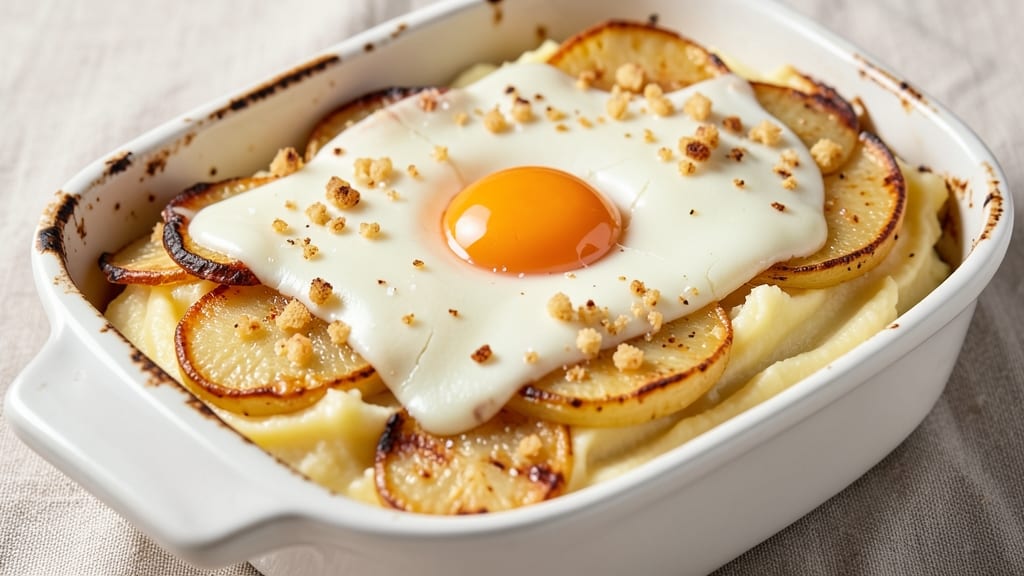
This parmentier potatoes recipe transforms humble mashed potatoes into a showstopping French classic that combines vinegar-infused crunch with velvety mayonnaise—exactly the kind of side that elevates any meal to restaurant quality.
The secret lies in precise shaping and baking techniques that create a crispy, golden crust while keeping the interior tender and creamy, a balance that takes practice but delivers dramatic results every time.
What makes this dish truly special is the contrast between the crispy exterior and the creamy interior, achieved through careful preparation. You'll start with classic mashed potatoes, then shape them into a rectangular mold before baking to perfection.
The vinegar-infused mayonnaise topping adds a tangy crunch that cuts through the richness, while a sprinkle of parsley or melted butter finishes it with professional flair.
The final result is a side dish that looks impressive enough for holiday tables but requires only basic techniques—no fancy equipment needed. The potatoes develop a beautiful golden crust while staying moist inside, and the vinegar-mayo topping adds a satisfying crunch with every bite.
This is the kind of dish that makes home cooking feel like a true culinary achievement.
Perfect for special occasions or weeknight dinners, these parmentier potatoes pair beautifully with roasted meats, fish, or even vegetarian mains. The recipe includes traditional methods and modern variations, so you can adapt it to suit your preferences while maintaining that authentic French touch.
Ingredients for parmentier potatoes
Transform simple potatoes into restaurant-worthy parmentier with these precise ingredients.
| Ingredient | Amount | Notes |
|---|---|---|
| Russet Potatoes 🥔 | 2 ½ lb | Yukon Gold for creamier texture |
| Unsalted Butter 🧈 | ½ cup | Cold, cut into small cubes |
| Heavy Cream 🥛 | ½ cup | Full-fat for optimal texture |
| Whole Milk 🥛 | ¼ cup | Warmed for smooth blending |
| Large Egg Yolks 🥚 | 3 whole | Freshly separated yolks |
| Diamond Crystal Kosher Salt 🧂 | 1 ½ tsp | Adjust to taste in final seasoning |
| Freshly Ground Black Pepper 🌶️ | ½ tsp | Coarsely ground for texture |
| Mayonnaise 🍳 | ½ cup | High-quality, not low-fat |
| White Wine Vinegar 🍶 | 1 tbsp | Distilled preferred for clarity |
| Fresh Parsley 🌿 | ¼ cup | Finely chopped for garnish |
| Extra-Virgin Olive Oil 🫒 | 1 tbsp | For brushing final crust |
| All-Purpose Flour 🌾 | ¼ cup | Sifted for even coating |
The potatoes are the foundation, and Russet or Yukon Gold make all the difference. Yukon Golds yield creamier mashed potatoes, while Russets provide that signature crispy crust. For optimal results, source organic potatoes from Whole Foods or your local specialty grocer—they hold their shape better during baking. The butter should be cold and cubed to prevent premature melting, and the heavy cream must be full-fat for that velvety texture. Fresh egg yolks are non-negotiable; powdered or dried substitutes will compromise the dish's elegance. Penzeys Spices carries excellent kosher salt if you prefer a finer grain than Diamond Crystal.
No heavy cream? Full-fat Greek yogurt mixed with milk works in a pinch, though texture will differ slightly. Substituting vinegar? Apple cider vinegar offers a similar tang, but white wine vinegar is traditional for its clarity. The mayonnaise must be high-quality—Hellmann's or Duke's are reliable choices, but homemade yields superior results. For the parsley, fresh is essential; dried will lack the vibrant finish. If you're short on time, pre-peeled frozen potatoes (like Ore-Ida) can save preparation steps, though they won't match fresh for texture. The flour coating should be sifted to avoid lumps, and almond flour can replace up to half for a gluten-free adaptation.
Store prepped mashed potato mixture in an airtight container for up to 2 days in the refrigerator, though freshly mashed yields the best results. The vinegar-mayo topping can be made 1 day ahead and refrigerated, but stir before using to re-emulsify. For optimal baking, shape the potatoes 1 hour before baking to allow the flour coating to adhere properly. Once baked, these potatoes reheat beautifully—cover with foil and warm in a 350°F oven for 10-15 minutes. Leftovers keep for 3 days in the fridge or 3 months frozen, though the crust may soften slightly upon reheating.
Why You'll Love This Recipe
- No Chopping Needed: I peel, slice, and boil—no knife skills required. The potatoes handle it all, and you’ll end up with that perfect, fluffy texture without stressing over even cuts.
- Creamy Luxury for Less: Heavy cream and butter make this taste like a restaurant dish, but honestly? It costs less than half the price. The yolks bind it all together so smoothly, you’ll forget it’s not some fancy bistro side.
- Weeknight to Dinner Party: Same recipe, totally different vibes. Serve it warm with steak for a fancy night or cold in sandwiches the next day. The leftovers reheat like a dream—no one will guess it’s been sitting in the fridge.
- Foolproof Leftovers: Between us, I’ve made this three times and always have seconds the next day. The cream sauce keeps it rich without drying out, and it’s the kind of dish that gets better as it sits—just reheat gently. Budget win.
Step-by-step instructions for parmentier potatoes
Master the technique behind this elegant dish—where crispy potato layers meet velvety sauce.
Prepare and Layer the Potatoes
Preheat your oven to 400°F. Peel and slice the 2.5 lb russet potatoes into ¼-inch thick rounds using a mandoline or sharp knife. Soak them in cold water for 10 minutes to remove excess starch, then drain thoroughly and pat completely dry with a kitchen towel.
In a large bowl, toss the sliced potatoes with 1 tbsp extra-virgin olive oil, 1 tsp diamond crystal kosher salt, and ¼ tsp freshly ground black pepper. Arrange half the potato slices in a single layer on a parchment-lined baking sheet, slightly overlapping them. Brush each layer lightly with the remaining olive oil for even browning.
Create the Vinegar-Infused Crisp
Bake the first layer for 15 minutes until the edges begin to crisp and the potatoes are tender when pierced with a fork. Remove from the oven and brush each slice with a mixture of 1 tbsp white wine vinegar and 2 tbsp water. This creates the signature tangy crunch that defines Parmentier potatoes.
Return the tray to the oven and bake for another 5 minutes until the vinegar mixture caramelizes slightly and the potatoes develop a golden hue. Remove and set aside, then repeat the process with the remaining potato slices, using the same baking sheet and oven temperature.
Build the Creamy Sauce Base
While the potatoes bake, melt 0.5 cup unsalted butter in a saucepan over medium heat. Whisk in 0.25 cup all-purpose flour to form a roux, cooking for 2 minutes until golden. Gradually pour in 0.5 cup heavy cream and 0.25 cup whole milk, whisking constantly to prevent lumps.
Simmer the mixture for 5-7 minutes until it thickens enough to coat the back of a spoon. Remove from heat and stir in 0.5 cup mayonnaise and 3 whole large egg yolks, blending until smooth. Season with the remaining ½ tsp diamond crystal kosher salt and ¼ tsp freshly ground black pepper.
Assemble and Finish
Return the baked potato layers to the oven for 3 minutes to warm through. Spread the creamy sauce evenly over the top layer of potatoes, then return to the oven for 2-3 minutes to gently melt and blend the sauce with the crispy edges.
Garnish immediately with 0.25 cup finely chopped fresh parsley for a pop of color and freshness. Serve directly from the baking sheet while the potatoes are still warm, ensuring each bite delivers the perfect contrast of crispy potato layers and velvety sauce.
Pro Tips For Making Parmentier Potatoes
- Boil Potatoes Until Fork-Tender: Russets are stubborn—don’t stop at knife-ready. Boil them until a fork slides in like butter, even if it means an extra 5 minutes. Overcooked potatoes mash better and soak up less liquid later, saving you from a soggy final texture.
- Salt the Boiling Water: Yes, even if your potatoes are already salty. A generous pinch of salt in the boiling water seasons them through and through—no need to fuss with extra salt later. I learned this the hard way when my first batch tasted bland until I realized I’d skipped this step.
- Temper the Egg Yolks: Warm the yolks first by whisking them with a splash of hot milk (about ¼ cup) before mixing with the rest. This prevents scrambling and guarantees a silky, not grainy, finish. Cold yolks curdle faster than you’d think—trust me, I’ve seen it happen.
- Press and Rest Before Baking: After shaping the potatoes into a loaf, press them firmly into the pan and let them rest uncovered for 10 minutes. This keeps them from collapsing when they hit the oven. I used to skip this, and half my loaves would spread like pancakes—now they hold their shape every time.
Dietary considerations for this recipe
Gluten-Free Adaptations
Traditional Parmentier potatoes rely on all-purpose flour for the crispy coating, but you can easily adapt this recipe for gluten-free diets. Replace the 0.25 cup all-purpose flour with 0.25 cup gluten-free flour blend (like King Arthur Measure for Measure) or almond flour for a nutty twist.
For best results, ensure your gluten-free flour is finely milled and sifted to prevent clumping. The texture will be slightly different but still delivers that satisfying crunch. 🌾
Dairy-Free Options
This recipe can be made dairy-free with minimal adjustments. Swap the 0.5 cup unsalted butter for 0.5 cup vegan butter (like Miyoko's) or coconut oil. Replace the heavy cream and whole milk with full-fat coconut milk or a dairy-free cream alternative (like Oatly).
For the sauce, use vegan mayonnaise (such as Hellmann's Vegan) to maintain the creamy texture. The vinegar-mayo topping remains unchanged, keeping that signature tang.
Lower-Carb Variations
If you're watching carbs, reduce the potato quantity to 1.5 lb and increase the vinegar-mayo topping to 0.75 cup to compensate for the smaller portion. For extra crunch, top with crushed pork rinds (about 0.25 cup) instead of flour before baking.
This keeps the dish low-carb while maintaining the crispy texture. Pair with a protein-rich main like grilled chicken or steak for a balanced meal.
Vegan-Friendly Twist
To make this dish fully vegan, use vegan butter (like Earth Balance) and aquafaba (chickpea brine) to replace the egg yolks in the sauce. Mix 3 tbsp aquafaba with 1 tbsp cornstarch to mimic the binding properties of yolks.
For the vinegar-mayo topping, use a vegan mayo (such as Just Mayo) and ensure all other ingredients are plant-based. The result is just as creamy and crispy, with no compromise on flavor.
Allergen-Friendly Notes
For nut allergies, avoid almond flour and stick to certified gluten-free flour blends. If you're sensitive to eggs, the aquafaba substitution works beautifully. Always check labels on mayonnaise and vinegar to ensure they’re free from allergens.
I recommend keeping a small bowl of plain flour or almond flour on hand for quick adjustments if needed. Cross-contamination is key—use separate utensils and surfaces if allergies are severe. 💡
Nutrition facts
Frequently asked questions
What makes Parmentier potatoes different from regular mashed potatoes?
The key difference lies in the technique: Parmentier potatoes are baked in layers to create a crispy exterior while maintaining a creamy interior, unlike traditional mashed potatoes. The vinegar-infused mayonnaise topping adds a signature tangy crunch that sets it apart. This dish is essentially a French-style potato gratin with a refined presentation.
Can I make Parmentier potatoes ahead of time?
Yes! Assemble the dish up to 1 day ahead and refrigerate. When ready to bake, let it sit at room temperature for 30 minutes before baking at 400°F for 20-25 minutes to restore crispiness. For best results, reheat the sauce separately and reapply before serving to maintain texture contrast.
Why did my Parmentier potatoes turn out soggy instead of crispy?
Soggy results usually happen from two common mistakes: either the potatoes weren't dried thoroughly before baking, or they were baked at too low a temperature. Always pat slices completely dry with a kitchen towel and bake at 400°F for optimal crispiness. For extra insurance, brush with olive oil before the vinegar mixture.
What's the best way to reheat leftover Parmentier potatoes?
Cover with foil and warm in a 350°F oven for 10-15 minutes to restore moisture. For extra crispiness, broil for 2-3 minutes at the end. Avoid microwaving as it destroys the crispy texture. The vinegar-mayo topping can be reheated separately if needed, then reapplied before serving.
Can I use sweet potatoes for this recipe?
While possible, sweet potatoes won't achieve the same texture. Their natural moisture and sweetness alter the crispy-creamy balance. Stick with Russet or Yukon Gold potatoes for authentic results. If you must use sweet potatoes, reduce baking time by 5 minutes and increase flour coating to 0.375 cup for better crispiness.