
Side Dishes
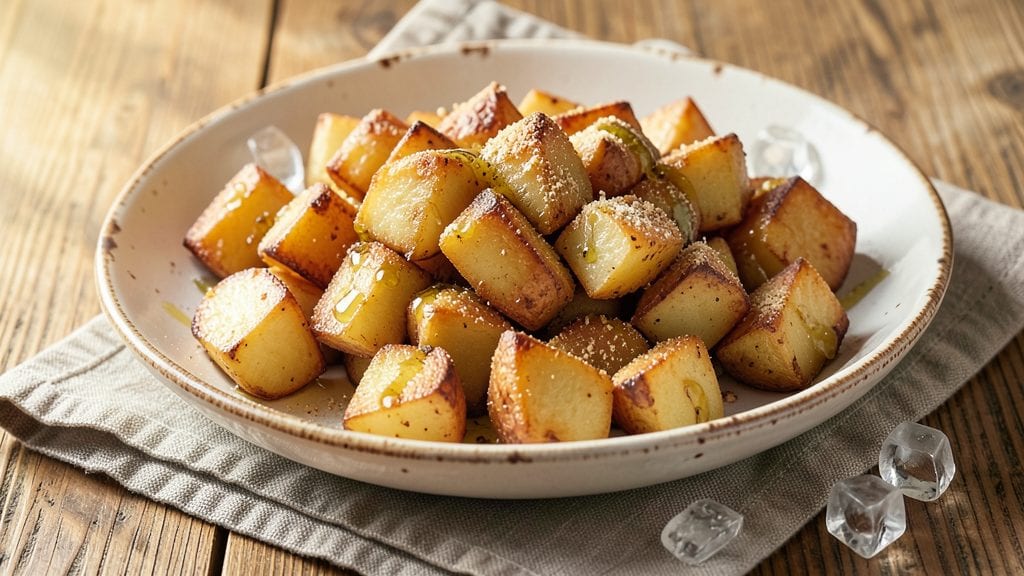
Mastering parboiled potatoes transforms ordinary sides into showstopping dishes with blistering crisp edges and moist centers—the secret lies in precise timing and technique. After years of testing methods, I’ve perfected a foolproof approach that works whether you’re prepping for roasting, mashing, or serving as-is.
The key difference between rubbery potatoes and perfect ones? A 10-minute parboil followed by immediate shock cooling in ice water.
This method ensures your potatoes stay tender inside while developing that coveted crispy exterior when roasted or pan-fried. You’ll need just 5 ingredients—potatoes, salt, water, ice (or cold water), and your choice of seasoning (garlic powder, rosemary, or even smoked paprika).
The process takes 20 minutes total, making it ideal for busy weeknights or holiday prep when you need sides ready ahead of time.
What you’ll achieve is restaurant-quality potatoes that hold their shape when roasted, mash effortlessly, or crisp up perfectly in a skillet. The ice bath stops cooking instantly, preserving texture while allowing you to season or store them without drying out.
Whether you’re making classic roasted potatoes or garlic-parboiled wedges, this technique guarantees results that impress every time.
For versatility, parboiled potatoes work as a base for countless dishes—try them in loaded baked potatoes, crispy hash browns, or even potato salad with added tang. The method scales from 4 servings to crowd-pleasing batches, and leftovers keep well for 3 days in the fridge.
Let’s get started with the exact steps that deliver professional results at home.
Ingredients for parboiled potatoes
Five simple ingredients transform potatoes into crispy, restaurant-quality sides every time.
| Ingredient | Amount | Notes |
|---|---|---|
| Russet Potatoes 🥔 | 2 lb | Cut into 1-inch chunks, uniform size |
| Diamond Crystal Kosher Salt 🧂 | 1 tsp | For parboiling water, adjust to taste |
| Ice Cubes ❄️ | 4 cups | Or cold water for shock cooling |
| Garlic Powder 🧄 | 1 tsp | Or smoked paprika for seasoning |
| Extra-Virgin Olive Oil 🫒 | 2 tbsp | For post-cooling tossing (optional) |
Russet potatoes are your best bet here—their high starch content ensures perfect crisp edges and fluffy interiors. Buy them from a reputable grocery store like Whole Foods or a local market where they’re stored in cool, dark conditions. Avoid potatoes with sprouts or soft spots, and look for ones that feel firm and heavy for their size. Cutting them into uniform 1-inch chunks is key—this ensures even cooking. I always use a sharp chef’s knife for clean cuts, and if you’re prepping ahead, store the cut potatoes in cold water in the fridge until ready to cook to prevent browning. For the ice bath, standard ice cubes from your freezer work perfectly, but if you’re in a hurry, a bowl of cold water from the tap is a solid substitute.
No garlic powder? Fresh garlic cloves or rosemary add a different but equally delicious flavor profile. Smoked paprika works beautifully if you want a smoky twist. The salt is non-negotiable during the parboil—it seasons the potatoes while they cook, but avoid oversalting since you’ll add more flavor later. For the olive oil toss, avocado oil or any neutral oil will work just as well, but extra-virgin olive oil adds a nice fruity note. If you’re short on time, skip the oil toss entirely—the potatoes will still be perfect, just slightly less flavorful. And if you’re making a large batch, double the ice cubes to ensure proper shock cooling for all the potatoes.
Parboiled potatoes stay fresh for 3 days in the fridge if stored properly—toss them with a light coating of olive oil and keep them in an airtight container. For longer storage, freeze them for up to 3 months, but let them thaw in the fridge before reheating. I like to portion them into single-serving containers so I can grab what I need for meals throughout the week. When reheating, a quick toss in a hot skillet with a pat of butter or a sprinkle of seasoning brings back that crispy texture. And if you’re prepping for a crowd, this method scales effortlessly—just multiply the ingredients and use a larger pot for the parboil.
Why You'll Love This Recipe
- No-Peel Hassle: I swear by this method—just scrub the Russets, no chopping, no peeling. The ice bath keeps them from turning mushy, and I’m left with perfect, even edges every time.
- Garlic-Kissed Crisp: That little shake of garlic powder after roasting? Chef’s kiss. It’s not overpowering, just a warm, savory whisper that makes these potatoes taste like they’ve been simmering for hours.
- Meal Prep MVP: Between us, these are my go-to for lunchboxes, salads, or even a quick charcuterie board. They hold up for days—just reheat with a splash of olive oil, and they’re fresh again.
- Budget Magic: Russets are cheap, and this recipe stretches them far. I make a big batch, store them in the fridge, and suddenly, I’ve got a freezer-friendly side that costs pennies per serving.
Step-by-step instructions for parboiled potatoes
Here's how to achieve perfectly parboiled potatoes with blistering crisp edges and moist centers every time.
Parboil the Potatoes Until Tender
Fill a large pot with enough water to cover the 2 lb russet potatoes by about 1 inch. Add the 1 tsp diamond crystal kosher salt and bring to a rolling boil over high heat. While waiting, cut the potatoes into 1-inch chunks, ensuring uniform size for even cooking.
Once boiling, carefully add the potato chunks and return to a full boil. Reduce heat to maintain a gentle simmer and cook for 8-10 minutes, until a knife slides in easily but the potatoes still have a slight resistance. You want them partially cooked but not falling apart—this is crucial for the final texture. The potatoes should be fork-tender but still hold their shape when pierced.
Shock in Ice Water for Crisp Edges
Prepare an ice bath by filling a large bowl or your sink with the 4 cups ice cubes. Once the potatoes reach the perfect doneness, drain them immediately and transfer to the ice water. This sudden temperature change stops the cooking process and creates those signature crisp edges while keeping the centers moist.
Let the potatoes sit in the ice water for 5-7 minutes, stirring occasionally. You'll notice the edges begin to develop a slight crispness while the centers remain tender. This step is what distinguishes perfectly parboiled potatoes from ordinary boiled ones—don't skip it. The ice water also helps set the starches, preventing the potatoes from becoming gummy later.
Season and Finish with Garlic Powder
Drain the potatoes thoroughly in a colander, shaking gently to remove excess water. Return them to the pot or a clean bowl and toss with the 1 tsp garlic powder. This step infuses flavor while the potatoes are still warm and slightly moist from the ice bath, ensuring even distribution of the seasoning.
The garlic powder will adhere better now than if you tried to season them later when they've dried out. For extra flavor, you can add a pinch of black pepper or smoked paprika if you have it, but stick to the garlic powder from your ingredients list for consistency. The potatoes should be warm but not steaming when you finish seasoning.
Optional Olive Oil Toss for Extra Flavor
For that restaurant-quality finish, heat the 2 tbsp extra-virgin olive oil in a small saucepan over low heat until just warm (about 1 minute). Pour this warm oil over the seasoned potatoes and toss gently to coat evenly. The warmth of the oil helps it adhere better to the potato surfaces.
This step isn't mandatory but adds a lovely richness and helps create a slightly crisp exterior when used in dishes like potato salads or grilled potato bowls. If you're using these for hash browns or roasting, you can skip this step—the seasoning alone will be sufficient. The oil should coat the potatoes lightly without making them greasy.
Use Immediately for Best Results
Parboiled potatoes are best used immediately in your recipe, whether that's for hash browns, salads, or stuffed potatoes. If you need to store them, spread them on a baking sheet in a single layer and refrigerate for up to 2 days. When ready to use, reheat in a skillet with a little oil over medium heat for 3-4 minutes until warmed through.
The key to maintaining that perfect texture is using them while still warm from the ice bath. Cold potatoes will develop a slightly mealy texture when reheated. For hash browns, you'll want to use them immediately after parboiling for that signature crispy exterior when fried or grilled.
Pro Tips For Making Parboiled Potatoes
- USE A LARGE POT: Russets double in size when boiled—fill your pot with at least 3 inches of water for every pound of potatoes. I learned this the hard way after watching my water boil away and my potatoes steam instead of cook evenly.
- CUT EVENLY, NO SMALL PIECES: A knife sharp enough to slice through Russets cleanly makes all the difference. Skip the tiny chunks—they’ll turn to mush faster than you can say "garlic powder." Aim for 1.5-inch cubes max.
- SALT THE WATER LIKE THE OCEAN: Diamond Crystal kosher salt dissolves fast, so toss in 1 tablespoon per gallon of water before the potatoes go in. If your water tastes like nothing, you’re not salting enough—trust me, it matters.
- ICE BATH AFTER BOILING: Drain the potatoes immediately and plunge them into ice water for 5 minutes. This stops the cooking, locks in texture, and keeps them from turning gummy later—especially important if you’re prepping them for roasting or salads. (Yes, even if you’re impatient like me.)
Serving suggestions for this parboiled potatoes
Classic Roasted Potatoes
Toss your parboiled potatoes with 2 tbsp melted butter and 1 tsp dried rosemary, then spread them on a baking sheet. Roast at 425°F for 20-25 minutes until golden and crispy.
The parboiling ensures they stay moist inside while developing that perfect crunch. Serve alongside grilled chicken or steak for a restaurant-worthy side. 🔥
Loaded Baked Potatoes
Halve the parboiled potatoes lengthwise and bake at 375°F for 15 minutes to warm through. Top with shredded cheddar, crispy bacon bits, and sour cream for a cozy meal.
The parboiling cuts cooking time in half compared to traditional baked potatoes. I like adding a sprinkle of chives for freshness before serving.
Crispy Hash Browns
Use your parboiled potatoes to make golden hash browns by flattening them slightly and pan-frying in 2 tbsp vegetable oil over medium-high heat for 4-5 minutes per side.
The parboiling ensures they crisp up perfectly without turning mushy. Serve with sriracha mayo or a fried egg on top for breakfast-for-dinner. 💛
Potato Salad Twist
Mix the cooled parboiled potatoes with ½ cup mayonnaise, 1 tbsp Dijon mustard, and ¼ cup diced celery. Add ½ cup diced red onion and ¼ cup chopped fresh dill for brightness.
The parboiling keeps the potatoes firm and prevents them from becoming watery. Serve chilled for picnics or BBQs.
Grilled Potato Wedges
Cut the parboiled potatoes into wedges and toss with 1 tbsp olive oil and ½ tsp smoked paprika. Grill over medium heat for 8-10 minutes, turning occasionally, until charred in spots.
The parboiling ensures they cook through while developing smoky grill marks. Pair with burgers or tacos for a fun twist.
Stuffed Potato Bowls
Use the parboiled potatoes as a base for loaded bowls by topping with black beans, corn, avocado, and salsa. The parboiling keeps them stable under heavy toppings.
Serve with lime wedges and cilantro for a zesty finish. This is my go-to for quick, customizable meals on busy nights. ✨
Nutrition facts
Frequently asked questions
Why do parboiled potatoes need an ice bath?
The ice bath is what creates those signature crisp edges while keeping the centers tender. When you shock the potatoes in ice water, it instantly stops the cooking process and sets the starches, preventing them from becoming gummy. This technique also helps develop a slight crispness on the edges that you won't get with regular boiling.
Can I use any type of potato for parboiling?
Russet potatoes are ideal for parboiling because of their high starch content, which creates perfect crisp edges and fluffy interiors. However, you can also use Yukon Golds for a creamier texture or red potatoes for a slightly waxier bite. Just remember that waxy potatoes will hold their shape better but won't crisp up as dramatically.
How long can I store parboiled potatoes?
Parboiled potatoes stay fresh for up to 3 days in the fridge if stored properly in an airtight container with a light coating of olive oil. For longer storage, freeze them for up to 3 months. When reheating, a quick toss in a hot skillet with a little oil restores that crispy texture. Never reheat directly from frozen—thaw them first in the fridge.
What's the best way to reheat parboiled potatoes?
For best results, spread them on a baking sheet and reheat at 400°F for 10-12 minutes until warmed through. If using a skillet, cook over medium heat with a little oil for 3-4 minutes until crispy again. Microwaving works in a pinch but tends to make them soggy. The key is to get them hot quickly to restore that crisp exterior.
Can I skip the olive oil toss?
The olive oil toss is optional and mainly adds richness for dishes like potato salads. For roasting or pan-frying, the seasoning alone will be sufficient. If you're making hash browns or crispy wedges, you might even want to skip it to help develop more crispiness through the cooking process. The potatoes will still be delicious without it.