
Side Dishes
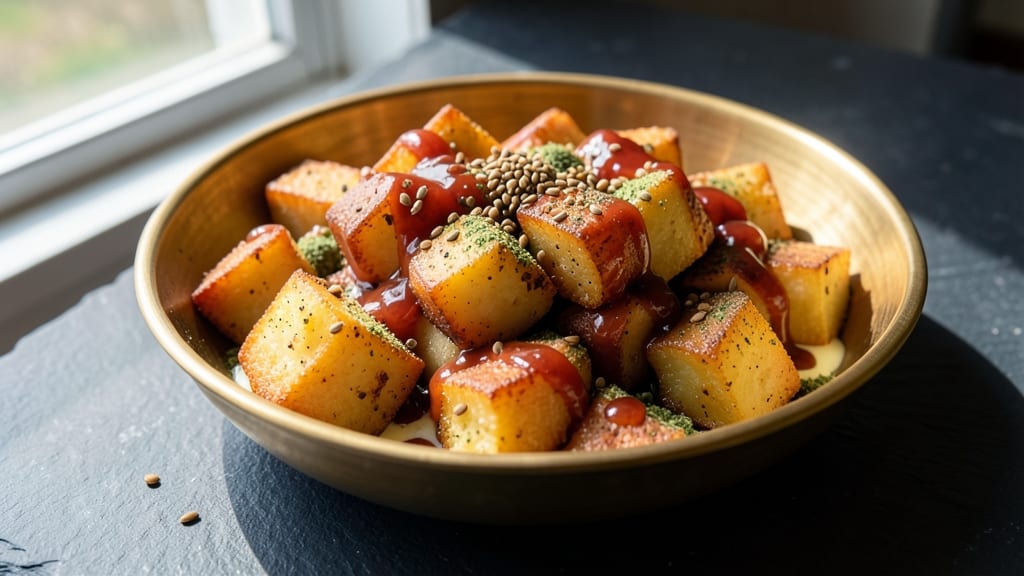
Creating the perfect pani puri potato filling transforms a simple snack into an explosion of flavors—crispy, tangy, and perfectly spiced in every bite. This recipe captures the heart of street food culture, where each ingredient plays a crucial role in balancing textures and tastes.
The secret lies in tempering spices just right, ensuring they infuse the potatoes without overpowering their natural starchy sweetness.
What sets this filling apart is the combination of traditional techniques and adaptable ingredients. You'll start with boiled potatoes, then mix them with a blend of cumin, coriander, and garam masala for warmth, followed by a tangy tamarind-chili kick.
The filling must be firm enough to hold its shape when stuffed into puris but still tender enough to melt in your mouth.
By the end, you'll have a filling that's crispy on the outside from the tempered spices and soft on the inside, with a burst of tangy, spicy flavor in every bite.
This is the kind of recipe that elevates pani puri from a snack to an experience—one that’s worth perfecting for any gathering or craving.
The beauty of this recipe is its versatility. Use it for classic pani puri or adapt it into golgappa, mathri, or even as a flavorful potato salad. The key is balancing the spices and textures, ensuring each bite delivers that perfect harmony of crunch, creaminess, and zesty tang.
Ingredients for pani puri potato filling
The foundation of perfect pani puri lies in these essential ingredients—each playing its part in creating that signature crunchy-tangy-spiced bite.
| Ingredient | Amount | Notes |
|---|---|---|
| Russet Potatoes 🥔 | 2 lbs | Medium-sized, peeled and cubed |
| Unsalted Butter 🧈 | ½ cup | Cold, cut into small cubes |
| Cumin Seeds 🌿 | 1 tbsp | Toasted until fragrant |
| Ground Coriander 🌿 | 1 ½ tbsp | Freshly ground preferred |
| Garam Masala 🌶️ | 1 ½ tsp | High-quality blend |
| Tamarind Paste 🍯 | 1 tbsp | Adjust for tanginess |
| Red Chili Powder 🌶️ | 1 tsp | Adjust for heat preference |
| Green Chilies 🌶️ | 2 whole | Finely chopped, fresh or dried |
| Asafoetida Powder 🌿 | ¼ tsp | Essential for authentic flavor |
| Salt 🧂 | 1 tsp | Kosher or sea salt |
| Fresh Cilantro 🌿 | ¼ cup | Chopped, for garnish |
| Lemon Juice 🍋 | 1 tbsp | Freshly squeezed |
| Vegetable Oil 🫒 | 2 tbsp | For tempering |
The potatoes are the star, so choose Russet potatoes—their waxy texture holds up beautifully when cubed and boiled. Whole Foods or Indian grocery stores often carry the best quality, but any medium-sized Russet will work. Peeled and cubed evenly (about 1-inch pieces), they cook uniformly and absorb flavors perfectly. For the spices, Penzeys or local Indian markets offer the most authentic blends, but don’t stress if you can’t find them—just ensure your garam masala has a robust, earthy profile. Toasting the cumin seeds in a dry pan until fragrant (about 30 seconds) unlocks their full aroma—this step is non-negotiable for that street-food depth.
No tamarind paste? Lemon juice plus a pinch of sugar mimics the tang, though it won’t be identical. Short on green chilies? Cayenne pepper at half the amount adds heat, but fresh chilies bring that bright, slightly sweet kick. Asafoetida (hing) is tricky to find outside Indian stores, but skip it if unavailable—your filling will still taste amazing. The butter should be cold and cubed; microwaving it for 20 seconds softens it just enough to blend without melting. For the cilantro, fresh is ideal, but dried works in a pinch at one-third the amount. Pro tip: If your tamarind paste is too thick, thin it with a splash of warm water before adding.
This filling keeps for 3-4 days in the fridge, sealed tightly in an airtight container. For best texture, let it sit at room temperature for 10 minutes before stuffing into puris—this helps the spices crisp up. Freeze portions in ice cube trays for up to 2 months, then transfer to a bag. When reheating, warm gently in a dry pan over medium heat (no oil needed) for 2-3 minutes to restore that crispy exterior. The filling reheats beautifully, making it perfect for last-minute gatherings or cravings.
Why You'll Love This Recipe
- No-Fuss Boil: I swear by Russet potatoes here—peel, cube, and drop them in boiling water. No peeling stress, no fancy prep. That buttery cumin-coriander mash? It’s all about the simplicity of letting the spices work their magic while you move on to other things.
- Spice Kiss: The moment those warm potatoes hit the pan with butter, cumin, and garam masala? My mouth waters. That toasty, earthy depth from the coriander and garam masala turns humble spuds into something ridiculously satisfying—crisp edges, creamy center, and a warmth that lingers.
- Party-Ready Side: This filling is my secret weapon for gatherings. It’s the perfect partner for pani puri, but honestly? I’ve tossed it into wraps, stuffed it in parathas, or even served it as a standalone snack with chutney. (Yes, even on a Tuesday night.)
- Budget Magic: Russets and spices don’t break the bank, and this recipe stretches far. Make a big batch, store it in the fridge, and use it all week—whether it’s for street food cravings or a quick lunch. Honestly, it’s the kind of recipe that makes me feel like I’m feeding a crowd without the grocery bill panic.
Step-by-step instructions for pani puri potato filling
Here's how to create a perfectly spiced, tangy potato filling that balances crunch and creaminess.
Boil and Prepare the Potatoes
Start by peeling the 2 lbs russet potatoes and cutting them into 1-inch cubes. Place them in a large pot of cold, salted water—about 1 teaspoon of salt—and bring to a boil over medium-high heat. Once boiling, reduce heat to medium and cook for 12-15 minutes until the potatoes are fork-tender but not falling apart.
Drain the potatoes immediately and transfer them to a colander to steam-dry for 2 minutes. This step removes excess moisture, which is crucial for achieving the right texture in the filling. For extra crispiness, I like to spread them on a baking sheet and let them cool completely before proceeding.
Temper the Spices in Vegetable Oil
Heat 2 tablespoons vegetable oil in a heavy-bottomed pan over medium heat. Add 1 tablespoon cumin seeds and toast them for 30 seconds until they turn golden and fragrant. This step unlocks their full flavor and prevents a raw, bitter taste in the filling.
Next, add 2 whole green chilies (finely chopped) and sauté for 1 minute until softened. Sprinkle in 0.25 teaspoon asafoetida powder and stir for 10 seconds—this ingredient adds a unique umami depth that's essential for authentic pani puri flavor. Remove the pan from heat and set aside.
Cook the Potatoes with Spices and Butter
In the same pan, add 0.5 cup unsalted butter (cut into small cubes) and melt it over medium-low heat. Add the cooked potatoes and gently toss to coat them evenly in the butter. This creates a rich, velvety base that balances the spices.
Stir in 1.5 tablespoons ground coriander, 1.5 teaspoons garam masala, 1 teaspoon red chili powder, and 1 teaspoon salt. Cook for 5-7 minutes on medium heat, stirring occasionally, until the potatoes absorb the spices and develop a golden hue. The filling should smell aromatic and slightly smoky.
Finish with Tangy Flavors
Lower the heat to low and add 1 tablespoon tamarind paste and 1 tablespoon lemon juice. Stir well to combine, then cook for 2-3 minutes until the mixture thickens slightly. The tamarind and lemon juice create the signature tangy contrast that makes this filling irresistible.
Finally, fold in 0.25 cup chopped fresh cilantro and mix gently. Let the filling cool to room temperature before using—this allows the flavors to meld completely. The texture should be slightly sticky but still hold its shape when packed into pani puri shells.
Adjust Consistency for Perfect Packing
If the filling appears too dry, add 1-2 teaspoons water at a time until it reaches a slightly moist but packable consistency. For extra crunch, you can lightly toast the filling in the same pan for 1-2 minutes over medium heat, stirring constantly until it develops a golden crust.
This filling should be ready to pack into your pani puri shells immediately. The balance of crispy potatoes, creamy butter, and tangy spices creates the perfect bite-sized explosion of flavors that defines this street food classic.
Pro Tips For Making Pani Puri Potato Filling
- BOIL POTATOES UNIFORM: Cut Russets into even 1-inch chunks—no thick ends or thin slices. I learned this the hard way after one batch turned mushy while another stayed raw; consistency is everything when you’re frying later.
- TOAST CUMIN LOW: Bloom cumin seeds in butter on medium-low for 30 seconds—just until they sizzle, not burn. After burning three batches, I finally realized high heat turns them bitter, and you want that warm, toasty aroma, not smoke.
- CRUSH POTATOES COOL: Let boiled potatoes sit in the colander for 5 minutes before mashing. Cold potatoes yield smoother, less gummy filling—no one wants gluey potato clumps in their pani puri. (Yes, even if you’re impatient like me.)
- MIX DRY SPICES FIRST: Toast ground coriander and garam masala in the same butter as cumin, then stir in potatoes. This coats every bite with flavor instead of clumping spices at the bottom—like sprinkling powdered sugar on cake after baking.
Essential equipment for this dish
Must-Have Cooking Tools
You’ll need a heavy-bottomed pan (I recommend Made In stainless steel) for tempering spices—it distributes heat evenly and prevents burning. A fine-mesh strainer helps drain potatoes perfectly without breaking them up. For crispy texture, a baking sheet is essential for cooling potatoes after boiling. 🥔
Spice Toasting Essentials
A small cast-iron skillet (like Lodge) is ideal for toasting cumin seeds—its heat retention ensures even browning without scorching. Keep a spice grinder handy for freshly ground coriander, or buy pre-ground from Penzeys for consistency. A mortar and pestle works too if you prefer traditional grinding. 🌿
Potato Prep Gear
Invest in a sharp chef’s knife (I use Victorinox Fibrox) and a peeler for quick, even potato prep. A colander with tight holes prevents potato bits from slipping through while draining. For extra crispiness, a mandoline slicer (set to ¼-inch) ensures uniform cubes. ⚡
Tangy Flavor Tools
A small bowl for mixing tamarind paste and lemon juice is key—this prevents clumping. A wooden spoon (like Oxo Good Grips) gently folds in cilantro without crushing it. For precise measurements, a digital kitchen scale ensures accurate spice ratios. 🍋
Storage Containers
Use glass airtight containers (I prefer Le Parfait) for fridge storage—they preserve texture better than plastic. For freezing, quart-sized silicone molds (like Epicurean) portion filling neatly. Label containers with dates to track freshness. ❄️
Optional Pro Upgrades
A thermometer (like Thermoworks Smoke) monitors oil temp for perfect spice toasting. A food processor blends cilantro quickly, though chopping by hand adds freshness. For authenticity, a small wok mimics street-food-style tempering. 💡
Nutrition facts
Frequently asked questions
Can I make this potato filling without butter?
Yes! For a dairy-free version, replace the ½ cup butter with ¼ cup coconut oil or 2 tablespoons ghee (if avoiding dairy). Use 1 tablespoon neutral oil for tempering instead. The texture will be slightly different but still delicious. For extra richness, add 1 tablespoon cashew cream at the end.
How do I prevent the filling from turning mushy?
Undercooked potatoes are the #1 cause of mushiness! Always boil them until fork-tender but still firm (12-15 minutes for 1-inch cubes). Drain immediately and steam-dry for 2 minutes—this removes excess moisture. For extra insurance, spread potatoes on a baking sheet to cool completely before mixing.
What's the best way to store leftover filling?
Store in an airtight container in the fridge for 3-4 days. For longer storage, freeze in ice cube trays (portioned for 1-2 puris per cube) for up to 2 months. Thaw overnight in the fridge, then warm gently in a dry pan over medium heat for 2-3 minutes to restore crispiness.
Can I use sweet potatoes instead of russet?
Sweet potatoes work but require adjustments! Their natural sweetness needs balancing—reduce the tamarind paste by half and add ½ teaspoon extra salt. Boil them 5 minutes longer (they're denser) and mash slightly before mixing with spices to prevent graininess. The filling will be sweeter but still delicious!
Why does my filling taste bland?
Bland flavor usually means under-tempered spices or insufficient tang. Double-check your cumin seeds (toast until golden) and asafoetida powder (essential for depth). Boost tang with ½ extra tablespoon lemon juice or ¼ teaspoon extra tamarind paste. For heat, add ½ teaspoon cayenne pepper or 1 extra green chili.