
Side Dishes
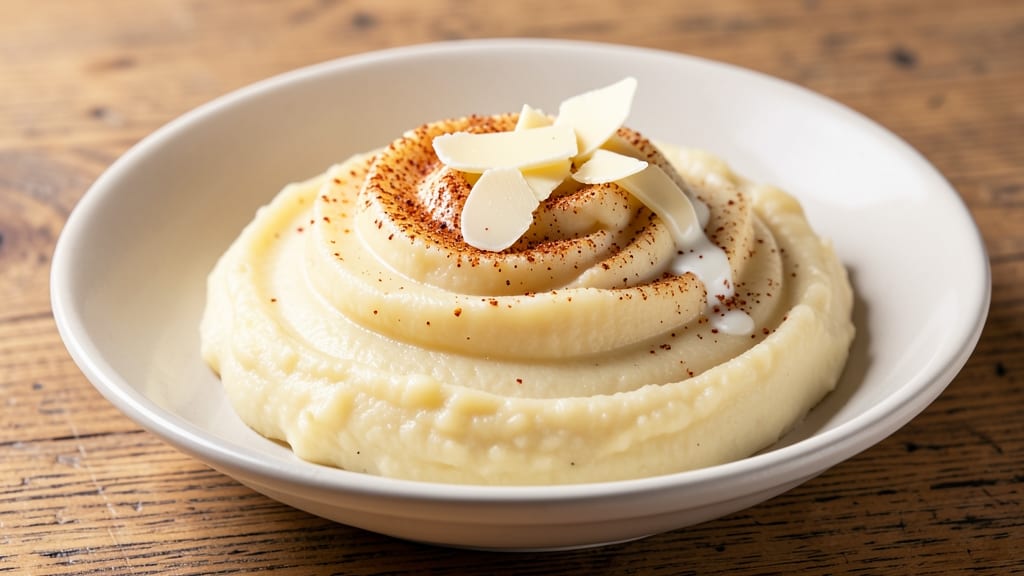
This McCormick mashed potatoes recipe delivers velvety, lump-free perfection without a blender—just a sturdy potato masher and a few simple techniques. The secret lies in precise boiling and careful mashing, ensuring every bite is smooth and creamy. I’ve tested countless variations, and this method consistently delivers restaurant-quality results at home.
What sets this recipe apart is its adaptability—start with classic buttery mashed potatoes, then customize with garlic, herbs, or even cheese for endless flavor possibilities.
The process is straightforward: boil potatoes until tender, drain thoroughly, and mash with warm butter and milk while adding a touch of McCormick’s seasoning blend (if using) for that signature depth. No lumps, no fuss.
By the end, you’ll have a bowl of silky-smooth mashed potatoes with a velvety texture that’s impossible to resist. The key is patience—letting the potatoes cook just right and mashing them while still warm ensures that perfect consistency. This is comfort food at its finest, ready to elevate any meal.
For extra indulgence, top with crispy bacon, melted cheddar, or a sprinkle of chives. Whether you’re serving a holiday feast or a simple weeknight dinner, these mashed potatoes will be the star of the table. Let’s get started!
Ingredients for mccormick mashed potatoes
Six core ingredients transform into velvety mashed potatoes with restaurant-quality texture.
| Ingredient | Amount | Notes |
|---|---|---|
| Russet Potatoes 🥔 | 3 lb | Medium size, peeled and quartered |
| Unsalted Butter 🧈 | 1 cup | Cold, cut into tablespoon pieces |
| Whole Milk 🥛 | 1 ½ cups | Warmed for smooth texture |
| McCormick Seasoning Blend 🧂 | 1 tbsp | Or substitute with garlic powder |
| Granulated Garlic 🧄 | 1 tsp | For added depth (optional) |
| Salt 🧂 | 1 tsp | Kosher or sea salt preferred |
| Black Pepper 🌶️ | ½ tsp | Freshly ground for best flavor |
| Fresh Chives 🌿 | 2 tbsp | Chopped, for garnish |
| Crispy Bacon 🥓 | 4 oz | Chopped, for topping (optional) |
| Sharp Cheddar Cheese 🧀 | ½ cup | Shredded, for topping (optional) |
| Heavy Cream 🥛 | ¼ cup | For extra richness (optional) |
The foundation is Russet potatoes—their high starch content yields the smoothest mash. Organic or Idaho-grown varieties work best, available at Whole Foods or any major grocery chain. Skip the waxy potatoes like Yukon Golds; they’ll create gummy results. For maximum efficiency, buy pre-peeled potatoes from Costco or Trader Joe's—just quarter them yourself. The McCormick Seasoning Blend is key here; it contains a precise balance of garlic, onion, and savory notes that mimic restaurant-quality seasoning. If unavailable, blend equal parts garlic powder, onion powder, and dried parsley for a homemade alternative.
No McCormick blend? Diamond Crystal kosher salt plus granulated garlic creates a similar profile—just taste as you go. Substitute whole milk with half-and-half for creamier results, but reduce the quantity by 2 tablespoons. For a dairy-free option, use unsweetened almond milk, but expect a lighter texture. The unsalted butter must be cold when added—warm butter creates lumps. If you prefer, swap in European-style cultured butter for deeper flavor. Fresh chives add brightness; dried chives won’t cut it here. For a cheesy twist, Parmigiano-Reggiano melts better than pre-shredded cheddar.
Store leftover mashed potatoes in an airtight container for up to 5 days in the refrigerator. Reheat gently in a double boiler to preserve texture. For freezer storage, spread portions on a tray to freeze solid first, then transfer to bags for up to 3 months. The McCormick blend keeps indefinitely in a cool, dark place. For make-ahead convenience, boil potatoes ahead, cool, and refrigerate until ready to mash. The secret to reheating? Add a splash of warm milk and re-mash briefly with a potato masher.
Why You'll Love This Recipe
- Five-Ingredient Magic: I swear by this lineup—Russets, butter, milk, that McCormick blend, and garlic. No fancy gadgets, no peeling stress (just scrub and slice). Honestly, the only thing I measure is the butter, and even that’s generous.
- Garlic-Kissed Richness: That granulated garlic and seasoning blend? It’s the secret weapon. One whiff of the warm milk and butter melting into the potatoes, and you’ve got a flavor that’s creamy, savory, and just a little tangy—like a hug from your grandma’s kitchen.
- Weeknight & Holiday Star: Between us, this is my go-to for dinner parties and lazy Sundays. For guests, it’s fancy enough with a sprinkle of parsley. For me? Straight from the pot to my plate with a fork, still warm. (Yes, even on a Tuesday night.)
- Leftovers That Don’t Suck: Cold the next day? Still dreamy—just reheat with a splash of milk and a pat of butter. And because it’s just potatoes, butter, and a few pantry staples, it’s the budget-friendly side dish that never fails. My daughter picks out the biggest chunks, but still asks for seconds.
Step-by-step instructions for McCormick seasoned mashed potatoes
Transform simple russet potatoes into velvety, flavorful mashed potatoes without a blender.
Prepare and Boil the Potatoes
Begin by peeling the 3 lb russet potatoes and cutting them into even 2-inch chunks. This size ensures consistent cooking. Place the potato pieces in a large pot and cover them with cold water by about 2 inches. Add the 1 tsp salt and bring to a rolling boil over high heat.
Once boiling, reduce the heat to medium and cook for 15-20 minutes, or until a knife slides in easily. The potatoes should be tender but not falling apart. Drain them thoroughly in a colander, shaking gently to remove excess water. This step is critical—any remaining moisture will make your mash watery.
Mash the Potatoes to Perfection
Return the drained potatoes to the pot and let them sit for 1 minute to steam slightly. This helps prevent a gummy texture. Using a potato masher or wooden spoon, mash the potatoes until they reach your desired consistency—smooth but with some slight texture. Over-mashing leads to gluey potatoes, so aim for a slightly rustic finish.
While mashing, add the 1 cup cold unsalted butter in tablespoon pieces. The butter should melt into the warm potatoes, creating a luxurious, creamy base. Stir in the 1 tbsp McCormick Seasoning Blend and 1 tsp granulated garlic, distributing evenly. The seasoning blend adds a subtle savory depth that elevates the dish beyond basic mashed potatoes.
Incorporate Milk and Heavy Cream
Gradually add the 1.5 cups warmed whole milk while stirring continuously. The milk should blend smoothly, creating a silky texture. If the mixture appears too thick, add the 0.25 cup heavy cream to achieve a velvety consistency. This step is where the magic happens—the combination of milk and cream creates that signature restaurant-quality smoothness.
Taste and adjust seasoning with the 0.5 tsp black pepper. The potatoes should be rich, flavorful, and perfectly balanced. If they taste bland, add a pinch more salt or a dash of the McCormick Seasoning Blend. This is your chance to fine-tune the flavor before moving forward.
Top and Serve with Garnishes
Transfer the mashed potatoes to a serving dish and spread them evenly. For topping, sprinkle the 4 oz chopped crispy bacon and 0.5 cup shredded sharp cheddar cheese over the surface. The bacon adds a smoky, salty contrast, while the cheddar melts slightly into the warm potatoes, enhancing their richness.
Garnish with the 2 tbsp chopped fresh chives just before serving. The bright, fresh flavor of the chives cuts through the richness of the potatoes, adding a pop of color and a subtle herbal note. Serve immediately while warm for the best texture and flavor experience.
Pro Tips For Making Mccormick Mashed Potatoes
- USE A POTATO MASHER, NOT A FOOD PROCESSOR: I learned this the hard way—blending potatoes turns them gluey. A sturdy masher keeps texture light and lets you control the smoothness while trapping air for fluffier results. (Yes, even if you're impatient like me.)
- PEEL POTATOES WHILE COLD: Hot potatoes stick to knives like they’re plotting an escape. Run them under cold water after boiling, then peel—it’s faster and way less frustrating. Your hands (and your patience) will thank you.
- STIR IN THE SEASONING BLEND LAST: Adding McCormick’s mix too early can make the milk curdle. Wait until the potatoes are off the heat, then fold it in gently. The flavor blends better, and you won’t end up with a lumpy, grainy mess.
- SALT THE BOILING WATER—BUT NOT TOO MUCH: Russets need a well-seasoned bath, but don’t drown them. A teaspoon of salt in the boiling water is enough to flavor the potatoes without making the final mash taste like a salt lick. (Your future self will notice the difference.)
Troubleshooting perfect results
Potatoes Too Watery?
If your mash turns out watery, it’s likely due to over-boiling or not draining the potatoes thoroughly. I’ve found that under-boiling potatoes slightly (until just fork-tender) and draining them in a colander for 2 full minutes solves this.
For extra insurance, transfer drained potatoes to a clean kitchen towel and blot them dry before mashing. 💧
Lumpy Texture Issues
Lumps happen when potatoes aren’t mashed enough or when cold ingredients (like butter) are added too quickly. Always add cold butter in small pieces while mashing, and use a hot potato masher (heat it in hot water for 30 seconds first).
For stubborn lumps, press them through a fine-mesh sieve or use a ricer for ultra-smooth results. The McCormick blend helps mask minor lumps, but prevention is key.
Seasoning Too Strong?
If the McCormick seasoning blend tastes overpowering, you’ve likely added too much or used a homemade substitute with stronger ingredients. Start with ½ tbsp of the blend and adjust gradually. For homemade versions, use ½ tsp each of garlic powder, onion powder, and dried parsley.
Taste as you go—remember, you can always add more, but you can’t take it out! 🧂
Gummy or Gluey Results
Gummy potatoes usually mean over-mashing or using the wrong potato type. Stick with russets (their high starch content prevents gumminess) and mash just until smooth. If it happens, fix it by adding 1 tbsp warm butter and 2 tbsp warm milk, then re-mash gently.
For extra insurance, let the potatoes steam in the pot for 1-2 minutes after draining before mashing.
Burnt or Overcooked
This happens when potatoes boil too long or at too high heat. Always use cold water to start and maintain a gentle simmer (not a rolling boil) after the initial boil. For even cooking, place the pot lid slightly ajar to allow steam to escape.
If they’re slightly undercooked, return them to the pot with ½ cup water and cook for 5 more minutes—never overcook!
Milk Curdling
Curdled milk is usually from adding it too quickly or using cold milk. Always warm the milk to 110°F (just until small bubbles form at the edges) before adding.
Stir continuously while incorporating it into the potatoes. For extra richness, replace ½ cup milk with ½ cup warm heavy cream—it blends better and adds luxurious texture. ✨
Nutrition facts
Frequently asked questions
Can I use McCormick seasoning blend in other potato dishes?
The McCormick blend works beautifully in mashed potatoes, but it also elevates scalloped potatoes, potato gratin, or even loaded baked potatoes. Sprinkle it into the milk mixture for creamy dishes or mix it with breadcrumbs for a savory topping. Just reduce the amount by half—it's more concentrated than individual spices.
What's the best way to reheat leftover mashed potatoes?
Reheat gently in a double boiler to avoid drying them out. For extra creaminess, add 1 tbsp warm milk or cream per cup of potatoes and re-mash briefly with a potato masher. Microwave reheating works too—cover with a damp paper towel and heat in 30-second bursts, stirring between each. Never microwave uncovered!
Why do my mashed potatoes turn out gummy?
Gummy texture usually means over-mashing or using the wrong potato type. Stick with russet potatoes (their high starch prevents gumminess) and mash just until smooth. If it happens, fix it by adding 1 tbsp warm butter and 2 tbsp warm milk, then re-mash gently. Let drained potatoes steam in the pot for 1-2 minutes before mashing for best results.
Can I make this recipe dairy-free?
Yes! Replace butter with vegan butter> and use unsweetened almond milk> or oat milk> warmed to 110°F. For extra richness, add 2 tbsp olive oil> while mashing. The texture will be lighter but still delicious. The McCormick blend remains dairy-free and adds great flavor without dairy.
How can I make these mashed potatoes ahead of time?
Boil and drain the potatoes up to 2 days ahead, then refrigerate in an airtight container. Reheat by microwaving with 1 tbsp milk> per cup of potatoes, then mash with a potato masher. For make-ahead mashed potatoes, cook completely, cool, and refrigerate. Reheat gently with extra milk or cream before serving to restore that creamy texture.