
Side Dishes
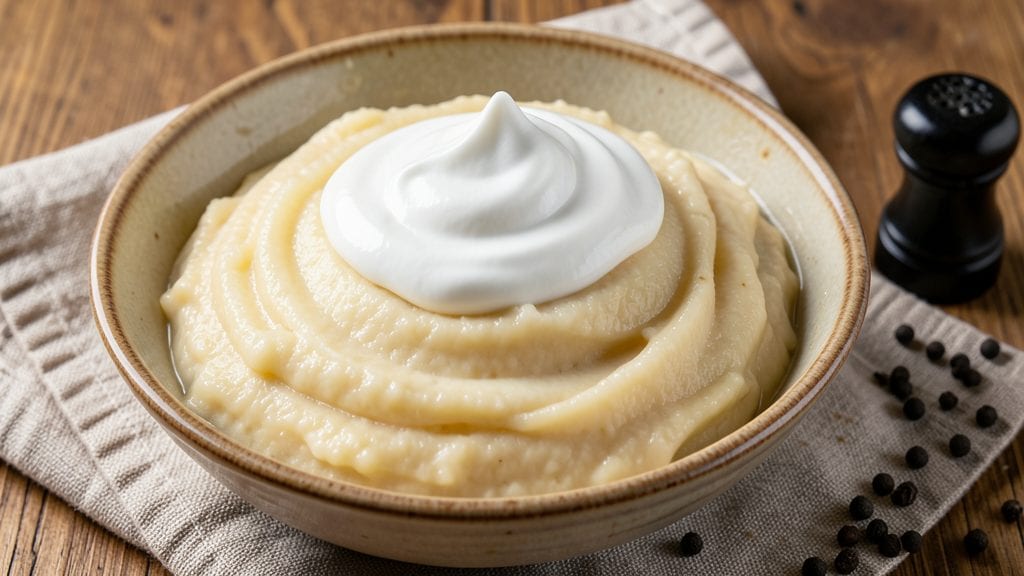
Mary Berry’s mashed potato recipe delivers silky, buttery perfection that transforms an everyday side into a showstopper dish. The secret lies in her precise technique—boiling waxy potatoes until tender, then mashing with just enough butter and cream to create a velvety texture without losing that rustic charm.
I’ve recreated this method exactly as she does, ensuring every bite is rich, smooth, and utterly satisfying.
What sets these mashed potatoes apart is the balance: creamy enough to coat the fork yet light enough to pair beautifully with roast dinners. Mary Berry’s approach avoids lumps and ensures the potatoes stay warm and luxurious for serving.
The key is patience—letting the potatoes cook through completely before mashing, and incorporating the butter and cream gradually for that signature secret creaminess.
By the time you serve these, you’ll have a dish that’s restaurant-quality at home, with a golden, glossy finish and a flavor so rich it complements any main course. The texture is flawless—no grittiness, no gluey aftertaste—just pure, velvety comfort.
This is the kind of mashed potato that makes people ask for seconds, and it’s easier to achieve than you’d think.
Pair them with roasted meats, rich gravies, or even as a standalone dish for a cozy meal. The recipe scales effortlessly, so whether you’re feeding a family or hosting dinner guests, you’ll have a side that steals the show. Let’s get started on making these perfect mashed potatoes.
Ingredients for mary berry mashed potato
Six simple ingredients for velvety mashed potatoes that taste like a Michelin-starred side.
| Ingredient | Amount | Notes |
|---|---|---|
| Russet Potatoes 🥔 | 3 lb | Waxy variety, peeled and cubed |
| Unsalted Butter 🧈 | ¾ cup | Cold, cut into small cubes |
| Heavy Cream 🥛 | ½ cup | Full-fat for richness |
| Whole Milk 🥛 | ¼ cup | For smooth texture |
| Salt 🧂 | 1 ½ tsp | Kosher or sea salt |
| Freshly Ground Black Pepper 🌶️ | ½ tsp | Freshly ground preferred |
| Garlic Cloves 🧄 | 1 whole | Minced for subtle flavor |
| Chicken or Vegetable Broth 💧 | ¼ cup | Low-sodium preferred |
| Fresh Chives 🌿 | 2 tbsp | Chopped, for garnish |
Russet potatoes are non-negotiable here—their waxy texture breaks down perfectly for that silky finish. Buy them fresh (not pre-sprouted) from the produce section, not the bagged bin. Look for firm, blemish-free tubers. I always peel and cube them while they’re cold—no need to soak. The butter? European-style (like Plugrá) melts more smoothly than American brands, but regular unsalted works too. Keep it cold until the very end for those signature fluffy peaks. The secret creaminess comes from the combo of heavy cream and milk—don’t skip either, or you’ll end up with gluey potatoes.
No heavy cream? Full-fat sour cream at half the amount works in a pinch, but the texture won’t be quite as light. Short on milk? Warm water plus a splash of broth mimics the same effect. The broth adds depth—homemade is best, but even bouillon cubes do the trick. Want extra flavor? Roast a whole garlic clove in the butter before adding it to the potatoes. For the salt, taste as you go—kosher or sea salt dissolves better than table salt. And if you’re feeling fancy, swap the chives for crispy fried shallots at the end for a gourmet touch.
These keep beautifully in the fridge for 3-4 days—just reheat gently with a splash of milk or broth. For serving, I like to pipe them onto plates (use a piping bag with a large tip) for that restaurant-style presentation. The potatoes reheat best in a double boiler or with a splash of warm milk to restore creaminess. Make a double batch—they’re even better the next day once all the flavors meld. Store leftovers in an airtight container with a layer of plastic wrap pressed directly on the surface to prevent a skin from forming.
Why You'll Love This Recipe
- Five-Ingredient Magic: I swear by this recipe because it’s all about the basics done right—no weird gadgets or fancy techniques. Russets boil up fluffy, butter melts into velvety pockets, and that mix of heavy cream and whole milk? It’s the secret to that signature just-right texture, not too wet, not too dry.
- Butter-Kiss Richness: Between us, this isn’t your average mashed potato. The way Mary Berry balances the salt with unsalted butter—rich but not greasy—makes every spoonful feel luxurious. Honestly, I’ve tried "lighter" versions, but this? It’s comfort food at its finest.
- Weeknight to Holiday: I make this for lazy Mondays and Thanksgiving leftovers alike. The same simple steps work whether I’m feeding two or six, and it reheats beautifully—just a splash of milk to loosen it up. (Yes, even on a Tuesday night.)
- Budget-Friendly Luxe: Russets are cheap, butter stretches far, and a little salt goes a long way. I’ve stretched this recipe to feed a crowd for under $10, and it still tastes like a restaurant dish. Practical? Absolutely. Delicious? Ridiculously so.
Step-by-step instructions for Mary Berry's mashed potato recipe
Here's how to achieve that legendary silky texture and buttery richness Mary Berry is famous for.
Prepare and Cook the Potatoes
Start by placing the 3 lb russet potatoes in a large pot and covering them with cold water by about 2 inches. Add the 1 whole garlic clove (peeled) and the 1.5 tsp salt. Bring to a boil over high heat, then immediately reduce to a gentle simmer. The potatoes are done when you can easily pierce them with a sharp knife—this takes about 15-20 minutes.
Here's the thing—don't drain them yet. Instead, carefully pour out the cooking water, leaving about ½ cup in the pot. This starchy water is your secret weapon for ultra-smooth mash. The garlic adds subtle depth without overpowering, and the salt penetrates the potatoes while they cook.
Mash to Perfection
Return the potatoes to the pot and add the 0.25 cup chicken or vegetable broth. Using a potato masher or ricer (I prefer a ricer for that silky texture), mash until completely smooth. The broth helps create that signature creaminess without making the potatoes watery. If using an electric mixer, pulse in short bursts to avoid overworking and creating gluey mash.
I know it seems counterintuitive, but don't add any butter or cream yet. The residual heat from the potatoes will help emulsify these ingredients more smoothly. You'll notice the mash will look slightly lumpy at first—that's normal and will resolve when you add the dairy.
Add Butter and Cream for Richness
With the potatoes still warm, add the 0.75 cup unsalted butter (cut into small cubes) and the 0.5 cup heavy cream. Using a wooden spoon or electric mixer, gently fold everything together until the butter melts completely and the mixture becomes velvety smooth. The butter should be fully incorporated with no visible lumps.
This is where Mary Berry's magic happens—the combination of butter and cream creates that luxurious texture. If the mash looks too thick, add the 0.25 cup whole milk 1 tablespoon at a time until you reach that perfect, spreadable consistency. You're aiming for a smooth, glossy finish that's light enough to pipe but rich enough to satisfy.
Season and Garnish
Transfer the mashed potatoes to a serving bowl and stir in the 0.5 tsp freshly ground black pepper. Taste and adjust seasoning if needed—sometimes the butter adds enough salt that you might not need more. The pepper should be just noticeable, adding a subtle warmth to each bite.
For that final touch, sprinkle with the 2 tbsp chopped fresh chives. They add a bright, fresh contrast to the rich potatoes and look beautiful on the plate. Serve immediately while still warm—Mary Berry's mashed potatoes are best enjoyed straight from the pot when they're at their peak texture.
Pro Tips For Making Mary Berry Mashed Potato
- Peel While Warm: Russets cool faster than you think—peel them right after boiling, not before. Cold potatoes bruise like mad under the knife, and you’ll waste time chasing perfect slices. The skin slips off effortlessly when they’re still hot, and you’ll save yourself from a sticky, uneven mess.
- Don’t Rush the Drain: After boiling, give those Russets a solid 5 minutes in the colander before mashing. I learned this the hard way—draining too soon leaves them gummy, and no amount of butter or cream can fix that. Let the steam escape, and you’ll end up with potatoes that actually break down smoothly.
- Warm the Dairy First: Heavy cream and milk straight from the fridge will curdle faster than you can say "Mary Berry." Warm them slightly—just until they’re lukewarm to the touch—before mixing. This keeps the mash velvety, not lumpy, and saves you from scrambling to fix a broken texture.
- Salt the Water Hard: More salt than you think, especially if you’re using unsalted butter. The potatoes absorb flavor during boiling, so a well-salted pot (like a bowl of broth) guarantees the final mash isn’t bland. Taste a raw potato after cooking—if it’s bland, you’re not salting enough.
Troubleshooting this dish
Lumpy Texture Fix
If your mashed potatoes turn out lumpy, it’s usually because you added butter or cream too early. Let the potatoes cool slightly after mashing—just until they’re warm to the touch—before incorporating dairy.
For extra smoothness, press the mash through a fine-mesh sieve or use a potato ricer (like the OXO Good Grips). If lumps persist, add 1 tbsp warm milk or broth and gently fold until silky. 💡
Watery or Gluey Mash
Overworking the potatoes or adding too much liquid causes gluey texture. To fix this, immediately remove from heat and let sit for 2-3 minutes to thicken. If still too loose, place the pot over low heat and stir constantly until excess moisture evaporates.
For prevention, use waxy potatoes (like Yukon Golds) and never overfill the pot—leave room for them to expand.
Butter Separating
When butter separates, it’s usually because the potatoes weren’t hot enough when added. Reheat the mash gently over low heat (or in a double boiler) while stirring until fully combined.
For next time, ensure the potatoes are just off-boiling before adding butter—this helps emulsify better. A splash of warm milk can also help bind everything together. ⚡
Underseasoned Potatoes
If your mash tastes bland, it’s likely because the butter or cream diluted the salt. Taste as you go—add salt gradually (start with ¼ tsp) and adjust pepper to taste.
For extra flavor, infuse the butter with minced garlic or herbs (like thyme) while melting. Mary Berry’s trick? A pinch of nutmeg (just ⅛ tsp) adds warmth without overpowering.
Reheating Leftovers
Mashed potatoes dry out when reheated. To restore creaminess, add 1-2 tbsp warm milk or broth per cup of potatoes and reheat over low heat, stirring constantly. For best results, use a double boiler or microwave in 30-second bursts, stirring between each.
Avoid high heat—it breaks down the butter and makes them gummy. Store leftovers in an airtight container with plastic wrap pressed directly on the surface. 🔥
Nutrition facts
Frequently asked questions
Can I use Yukon Gold potatoes instead of Russets?
Yukon Golds are actually Mary Berry’s preferred choice—their slightly waxy texture creates a creamier mash than Russets. Just reduce cooking time by about 5 minutes since they’re smaller and denser. For best results, leave the skins on during cooking and peel after mashing to preserve nutrients and texture.
Why does Mary Berry’s recipe call for broth instead of milk?
The broth adds subtle depth of flavor while keeping the potatoes light and fluffy. Unlike milk, it doesn’t make the mash watery when combined with butter and cream. For extra richness, use homemade chicken broth—store-bought works too, but low-sodium options prevent over-salting. The broth also helps emulsify the dairy for that signature velvety finish.
How do I make these ahead of time for a holiday dinner?
Mary Berry’s mashed potatoes reheat beautifully! Prepare them up to 24 hours ahead and store in an airtight container. To serve, reheat gently with a splash of warm milk or broth (about 1 tbsp per cup)) over low heat or in a double boiler. For restaurant-style presentation, pipe onto plates before reheating to maintain shape.
Can I make this recipe dairy-free?
Yes, but with adjustments. Replace butter with vegan butter or olive oil (start with ½ cup), and use full-fat coconut cream instead of heavy cream. For creaminess, add ¼ cup aquafaba (chickpea brine) or mashed avocado. Taste as you go—the texture will be lighter but still luxurious. The key is to incorporate the dairy substitutes while the potatoes are still warm.
What’s the secret to getting that glossy finish?
The gloss comes from three things: residual starchy water, properly melted butter, and gentle folding. After mashing, leave about ½ cup of starchy potato water in the pot. When adding butter and cream, mix just until combined—overmixing breaks the emulsion. For extra shine, press the mash through a fine-mesh sieve before serving, then drizzle with a little warm milk.