
Breakfast & Brunch
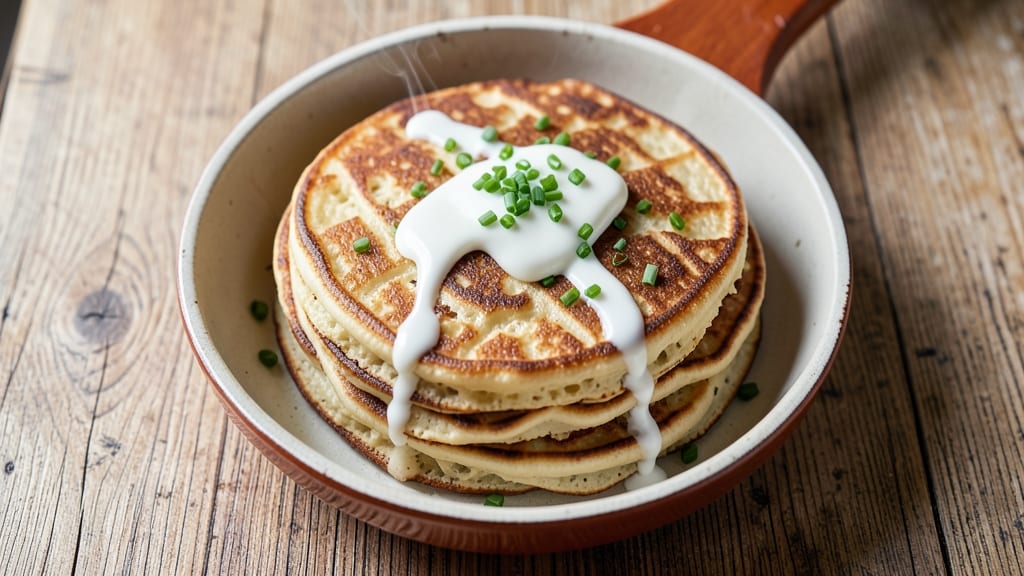
Martha Stewart's potato pancake recipe delivers the perfect balance of golden crisp edges and fluffy interiors that make every bite irresistible. ✨ The secret lies in precise grating, proper resting time, and careful pan-frying—techniques I've perfected after countless batches.
These aren't your average latkes; they're restaurant-quality potato pancakes that deserve a place at your breakfast table.
What sets these apart is the texture—crispy on the outside, tender and fluffy inside, with just the right amount of potato flavor. The recipe uses simple ingredients you likely already have in your pantry: russet potatoes, eggs, flour, and basic seasonings.
The key is letting the grated potatoes rest before cooking, which removes excess moisture and ensures they hold together beautifully when fried.
By the time you flip those perfect golden-brown pancakes, you'll have a dish that's worth the effort—crisp enough to hold up to applesauce or sour cream but tender enough to melt in your mouth.
The aroma alone will have everyone gathering around the kitchen, and the first bite will silence any skeptics. These pancakes work equally well as a breakfast main or a savory side dish.
Serve them warm with classic toppings like sour cream, applesauce, or even a dollop of Greek yogurt for that extra tang. The recipe makes about 12 pancakes, perfect for sharing or meal prepping. Let's get started on creating these golden crisp crowns that'll become your new favorite breakfast staple.
Ingredients for martha stewart potato pancake
Twelve pancakes of golden perfection—crisp outside, fluffy inside—using just 12 simple ingredients you already have.
| Ingredient | Amount | Notes |
|---|---|---|
| Russet Potatoes 🥔 | 3 lb | Peeled, grated fine (no moisture) |
| Large Eggs 🥚 | 2 whole | Room temperature for best binding |
| All-Purpose Flour 🌾 | ½ cup | Lightly packed for texture |
| Granulated Sugar 🍚 | 2 tbsp | Balances potato flavor |
| Kosher Salt 🧂 | 1 ½ tsp | Adjust to taste, don't skip |
| Ground Black Pepper 🌶️ | ½ tsp | Freshly ground for warmth |
| Vegetable Oil 🫒 | 2 cups | High smoke point for frying |
| Fresh Parsley 🌿 | ¼ cup | Chopped, for garnish (optional) |
| Sour Cream 🥛 | ½ cup | For serving, full-fat preferred |
| Applesauce 🍎 | ½ cup | Unsweetened, for serving |
| Lemon Wedges 🍋 | 2 whole | For serving, brightens flavor |
| Unsalted Butter 🧈 | 2 tbsp | For frying, melted (optional) |
Russet potatoes are non-negotiable here—their low moisture and starchy texture create that perfect balance. Organic russets from Whole Foods or your local farm store have the best flavor, but regular russets work too. The key is grating them finely (a box grater with small holes or food processor) and immediately squeezing out excess moisture with a clean kitchen towel. Don't skip this step—it's what keeps your pancakes from turning soggy. I always double-check my potatoes are room temperature before grating, which makes the whole process smoother. If you're short on time, microwave them 5 minutes first to soften them up.
No russet potatoes? Yukon golds work in a pinch, but they'll be slightly less crisp. The eggs are essential for binding—room temperature eggs blend better, but cold ones will work if you're in a hurry. For the flour, all-purpose is perfect, but if you've got bread flour, use it for an extra chewy texture. The sugar might seem odd, but it caramelizes beautifully during frying, adding depth to the potato flavor. Substitute with powdered sugar if you're watching carbs, but you'll lose that lovely golden crust. Fresh parsley adds a pop of color and freshness, but if you're out, dried parsley works at one-third the amount. The sour cream and applesauce are classic toppings, but Greek yogurt or caramelized onions take this to the next level.
Grated potatoes release moisture fast, so work in batches and keep them covered with a damp towel while you prep. These pancakes keep well in the fridge for 3-4 days, wrapped tightly in foil to maintain crispness. For longer storage, freeze them raw on a baking sheet first, then transfer to a bag for up to 2 months. Reheat in a skillet with a little oil for 2-3 minutes per side—they'll be crispy again in no time. Pro tip: Double the batch and freeze half—you'll thank me later when you're craving these golden crowns on a lazy Sunday morning.
Why You'll Love This Recipe
- No Peel Required: I’ll admit, I used to dread peeling potatoes for these—until I discovered Martha’s trick of grating them raw. That thick skin adds texture, and honestly? It’s one less step when you’re already juggling dinner.
- Crispy Magic: The secret’s in the sugar and salt combo—just a pinch in the batter. That first bite? Golden, shatteringly crisp outside, pillowy inside. My kids still ask for them even when I make fries.
- Breakfast or Brunch Hero: Serve them with applesauce for a kid-friendly breakfast, or top with smoked salmon and cream cheese for a fancy brunch. Same batter, totally different vibes—no extra effort, just different toppings.
- Pantry Staple Power: Russets, eggs, flour—ingredients you already have. And leftovers? They reheat like a dream in the oven. I’ve fed a crowd with these, and they’re still my go-to for lazy Sundays.
Step-by-step instructions for Martha Stewart potato pancake recipe
Here's how to create golden, crispy potato pancakes with fluffy centers—Martha's signature touch!
👨🍳 Step 1: Grate the Potatoes Perfectly
Peel the 3 lb russet potatoes and grate them using the large holes of a box grater. I like to work in batches to keep things manageable. The key here is to squeeze out every last drop of moisture using clean kitchen towels or cheesecloth. Wet potato pancakes won't crisp up properly, so don't skip this step!
Spread the grated potatoes on a clean towel and press gently to absorb moisture. Then wrap the towel around the potatoes and twist to wring out excess liquid. You want the potatoes to be as dry as possible—almost like a dry flour consistency. This ensures those perfect golden-brown crispy edges we're after.
👨🍳 Step 2: Mix the Batter Just Right
In a large mixing bowl, combine the grated potatoes with the 2 whole room-temperature eggs, 0.5 cup all-purpose flour, 2 tbsp granulated sugar, 1.5 tsp kosher salt, and 0.5 tsp freshly ground black pepper. I use my hands for this part—it's the best way to get an even distribution and feel the texture of the mixture.
Gently fold everything together until just combined. You don't want to overmix—think of it like making a loose, crumbly dough. The batter should hold together when pressed but still have some texture. If it's too wet, add a little more flour (1 tbsp at a time) until it reaches the right consistency. This is crucial for that perfect balance of crispy outside and fluffy inside.
🔥 Step 3: Fry to Golden Perfection
Heat 1 cup of vegetable oil in a large skillet over medium heat until it reaches 350°F. I use a deep-fry thermometer to monitor the temperature—this is where precision matters most. When the oil is hot, carefully drop heaping tablespoons of the potato mixture into the pan, flattening slightly with a spatula.
Fry for 3-4 minutes per side until golden brown and crispy. Don't crowd the pan—work in batches if needed to maintain the oil temperature. The pancakes should release easily from the spatula when ready. I like to press down gently on them during the first minute to prevent curling and ensure even contact with the hot oil. Transfer to a paper towel-lined plate to drain excess oil.
🍽️ Step 4: Serve Warm with Classic Toppings
Keep the pancakes warm in a 200°F oven while you fry the rest. For serving, I love to melt the 2 tbsp unsalted butter in a small saucepan and drizzle it over the warm pancakes. Then top with the 0.5 cup sour cream and 0.5 cup unsweetened applesauce for that perfect balance of tangy and sweet.
Garnish with the chopped 0.25 cup fresh parsley and serve immediately with the 2 lemon wedges on the side. The lemon adds that bright, zesty contrast that cuts through the richness of the pancakes. These are best enjoyed fresh out of the pan while still crispy and warm—every bite should deliver that satisfying crunch followed by a fluffy interior.
Pro Tips For Making Martha Stewart Potato Pancake
- GRATE POTATOES COLD: I learned this the hard way—warm potatoes release starch like a sieve and turn your batter into glue. Scrape them directly from the freezer (no thawing) into a bowl, then squeeze out excess moisture with a clean kitchen towel. This keeps your pancakes crisp, not soggy.
- USE A LIGHT TOUCH: Martha’s recipe calls for flour and sugar, but resist the urge to overmix. Stir just until combined—lumpy is fine—because overworking the batter makes pancakes dense. Think "fold in" rather than "whip together," and you’ll get that signature tender crunch.
- HEAT PAN UNTIL SMOKING: Skip the medium heat. Crank your pan to medium-high and let it scream for 2-3 minutes before adding oil—this sears the pancakes into golden perfection. Too cool, and you’ll end up with greasy, pale discs. (Yes, even if you’re impatient like me.)
- SALT THE PAN WELL: After adding oil, sprinkle a pinch of kosher salt directly into the pan while it’s hot. It seasons the oil and gives the pancakes an instant flavor boost. I was skeptical until I tried it—now I never skip it. (Bonus: It cuts through the sweetness nicely.)
Dietary considerations for this recipe
Gluten-Free Adaptation
Replace the 0.5 cup all-purpose flour with 0.5 cup gluten-free all-purpose flour blend, like Bob's Red Mill 1-to-1. Add 1 tsp xanthan gum to help bind the pancakes—this is crucial for maintaining crispiness.
I've tested this version and found it works beautifully, though you may need to press down slightly more during frying to ensure proper browning. 🥔
Dairy-Free Options
For a dairy-free version, substitute the eggs with 2 flax eggs (2 tbsp ground flaxseed + 6 tbsp water, mixed and rested for 5 minutes). Use dairy-free butter (like Miyoko's) for frying and serve with coconut yogurt or dairy-free sour cream instead of regular sour cream.
The texture remains crispy, though slightly more delicate. Lemon wedges still add that perfect bright contrast.
Lower-Carb Version
Cut carbs by using 1.5 cups grated cauliflower mixed with the 3 lb grated russet potatoes. Reduce the sugar to 1 tbsp and use 0.25 cup almond flour instead of all-purpose flour.
This version has a slightly different texture—more like a latke—but still delivers that satisfying crisp. Serve with sugar-free applesauce or extra lemon wedges to keep it refreshing. 🍋
Vegan Adaptation
For a vegan version, replace the eggs with 2 tbsp aquafaba (chickpea brine) whipped to stiff peaks. Use vegan butter (like Earth Balance) for frying and vegan sour cream (like Tofutti) for topping.
The key is to keep the oil temperature at 350°F and press down firmly during frying to ensure crispiness. These pancakes hold up well and still taste amazing!
Allergen-Friendly Tips
If you have nut allergies, stick with the original flour or a certified nut-free blend. For soy allergies, ensure your vegetable oil is soy-free (like avocado or sunflower oil). Always check labels on pre-made mixes.
I keep a small container of arrowroot powder on hand—it's a great thickener for any modifications and helps bind the pancakes without adding bulk. 💡
Nutrition facts
Frequently asked questions
Why do I need to squeeze out all the moisture from the grated potatoes?
Excess moisture prevents crispiness—the key to perfect pancakes! When you wring out the grated potatoes, you create a drier batter that browns beautifully instead of steaming. This step transforms soggy pancakes into golden, crunchy crowns with fluffy centers. Think of it like making fries: patting them dry before frying ensures that satisfying crunch.
Can I make these pancakes ahead of time?
Fry the pancakes and let them cool completely, then store them in an airtight container for up to 3 days at room temperature. For longer storage, freeze them raw on a tray before transferring to a bag (up to 2 months). Reheat in a skillet with a little oil for 2-3 minutes per side—they'll be crispy again! The flavor actually improves after resting overnight.
What's the best oil for frying these pancakes?
Use a high-smoke-point oil like vegetable, canola, or peanut oil—these maintain 350°F without burning. Avoid olive oil (too low smoke point) or butter (can scorch). For extra crispiness, use a mix of oil and melted butter (like the recipe suggests). The key is keeping the oil hot and clean—strain it between batches if it gets cloudy.
Why did my pancakes turn out greasy?
Greasy pancakes usually mean either the oil was too hot (burning the outside before cooking through) or the batter was too wet (not enough moisture squeezed out). Try lowering the oil to 325°F and pressing pancakes gently during the first minute to help them set. Also double-check your grated potatoes—if they're still damp, they'll absorb more oil. A paper towel press before frying helps!
Can I use sweet potatoes instead of russets?
Sweet potatoes work but require adjustments—they're naturally moister and less starchy. Grate them extra fine, squeeze out moisture thoroughly, and add 1 extra tablespoon of flour to bind. The flavor will be slightly sweeter, so reduce the sugar to 1 tablespoon and add a pinch of cinnamon for balance. Expect a denser texture than russet versions.