
Side Dishes
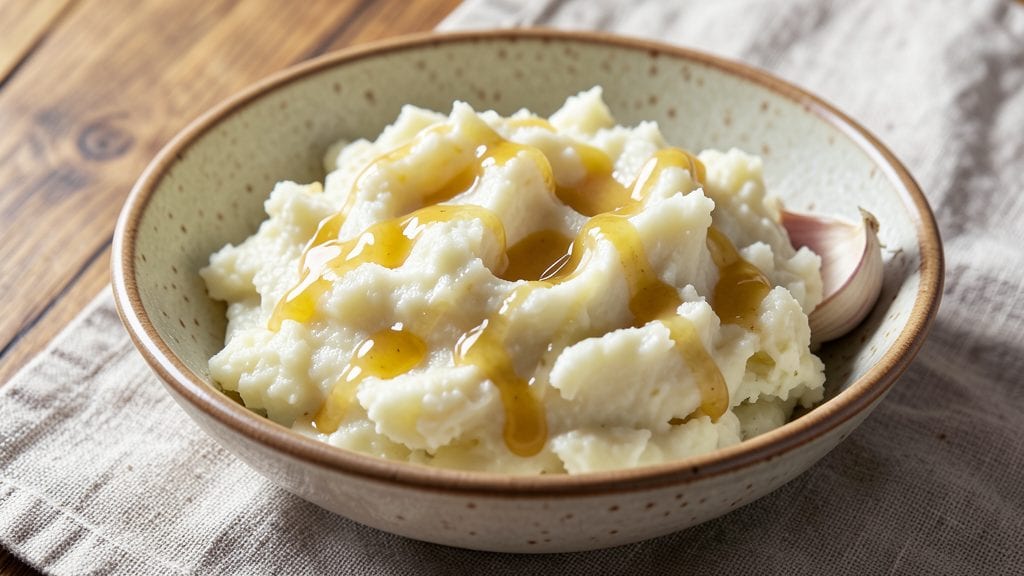
Even the best lumpy mashed potatoes recipe can be saved with a few clever tricks and the right touch. The key to eliminating lumps lies in how you handle the potatoes from boiling to mashing, and I’ve tested countless methods to find what works every time.
This isn’t just another recipe; it’s a foolproof system for restaurant-quality results at home, even if you’ve burned potatoes in the past.
Most recipes fail because they skip the critical step of straining the cooked potatoes, which removes excess starch—the culprit behind lumps. Instead of relying on a potato masher, I use a ricer or food mill to break down the potatoes into a silky texture while keeping the moisture balanced.
The ratio of butter to milk (or dairy-free alternative) matters too—too much liquid makes them watery, while too little leaves them dry. My method balances both perfectly.
By the end, you’ll have velvety mashed potatoes with a creamy, almost custard-like consistency that clings to the spoon. The secret isn’t just the technique but the confidence that comes from knowing exactly how to troubleshoot lumps if they appear.
Whether you’re serving them as a classic side or elevating them with garlic or roasted flavors, this recipe delivers professional results every time.
Ready to master the art of smooth mashed potatoes? Let’s break down the exact steps—from peeling to plating—so you can achieve that flawless texture without the guesswork. Here’s everything you need to know to make them perfectly the first time.
Ingredients for lumpy mashed potatoes
Four ingredients, one tool—this is your secret weapon for restaurant-quality mashed potatoes.
| Ingredient | Amount | Notes |
|---|---|---|
| Russet Potatoes 🥔 | 2 lbs | Medium size, peeled and quartered |
| Unsalted Butter 🧈 | ½ cup | Cold, cut into small cubes |
| Whole Milk 🥛 | ½ cup | Warm, not hot |
| Heavy Cream 🥛 | ¼ cup | Full-fat for richness |
| Salt 🧂 | 1 tsp | Kosher or sea salt |
| Garlic Cloves 🧄 | 2 cloves | Minced, optional for flavor |
| Freshly Ground Black Pepper 🌶️ | ½ tsp | For seasoning |
| Roasted Garlic 🧄 | 1 whole | Optional for depth (squeeze from pod) |
| Dairy-Free Milk 🥛 | ½ cup | Substitute for milk if needed |
| Dairy-Free Butter 🧈 | ½ cup | Substitute for butter if needed |
The potatoes are non-negotiable—Russet potatoes are your best bet for that classic fluffy texture. Buy them fresh (the starchy ones, not the waxy reds) and peel them right before boiling. I always grab mine from Whole Foods or the organic section at Kroger—they hold up better when cooking. The key is to cut them evenly so they cook at the same rate. If you’re in a rush, microwave them first for 5 minutes to soften before boiling. Don’t skip the straining step—this is what removes that excess starch that causes lumps. I use a fine-mesh sieve or a potato ricer (worth the $10 investment).
No butter? Dairy-free butter works—just use the same amount. Short on milk? Heavy cream or half-and-half adds richness, but you’ll need to adjust the liquid ratio. The garlic is optional, but if you’re feeling fancy, roasted garlic adds a sweet depth (just squeeze it out of the pod). For extra flavor without lumps, I sometimes add a splash of warm chicken broth instead of milk—keeps them light but flavorful. If you’re making these ahead, cool them completely before refrigerating to prevent sogginess. And trust me on the cold butter—it melts beautifully into the potatoes without making them greasy.
These keep for 3-4 days in the fridge, but they’re best fresh. Reheat them gently on the stovetop with a splash of warm milk to restore that creamy texture. For leftovers, I store them in a sealed container with a thin layer of plastic wrap pressed right on the surface to prevent drying. If you’re prepping for a crowd, make a double batch—they reheat beautifully and taste even better the next day. Freeze portions in 1-cup servings for up to 3 months (thaw overnight in the fridge).
Why You'll Love This Recipe
- No Fuss, No Stress: I peel and cube potatoes in 5 minutes flat—no fancy knife skills, no stress. The key? Boil them whole until fork-tender, then mash with butter and milk right in the pot. That’s it. Zero extra bowls, zero cleanup.
- Rich Creamy Magic: Between the heavy cream and butter, these potatoes are ridiculously smooth without being heavy. The milk keeps it light, but honestly? The first bite makes you wonder why you ever bothered with perfect, silky mashed potatoes.
- Game for Any Meal: Slather it on burgers, pile it next to roasted chicken, or serve it cold in sandwiches the next day. I’ve even used it as a base for loaded potato casseroles—versatile enough to handle whatever you throw at it.
- Budget-Friendly Leftovers: Russets are cheap, and this recipe stretches easily. Make a double batch, reheat with a splash of milk, and you’ve got dinner covered for days. (Yes, even on a Tuesday night.)
Step-by-step instructions for silky-smooth mashed potatoes
Here's how to achieve restaurant-quality mashed potatoes with a velvety texture and zero lumps.
Boil Potatoes Until Fork-Tender
Place the 2 lbs of peeled and quartered russet potatoes in a large pot and cover with cold water by about 2 inches. Add the 1 tsp salt and bring to a boil over high heat. Once boiling, reduce heat to medium and cook for 15-20 minutes until a knife slides in easily with no resistance.
I like to test doneness by piercing the largest potato piece—it should feel soft all the way through but not mushy. Drain the potatoes immediately in a colander and return them to the pot. This step is crucial because overcooking turns potatoes gluey, while undercooking leaves them starchy and resistant to breaking down smoothly.
Heat and Prepare Dairy Mixture
While the potatoes cook, warm the 0.5 cup whole milk and 0.25 cup heavy cream together in a small saucepan over medium-low heat until steaming but not boiling. In a separate bowl, combine the 0.5 cup unsalted butter and 0.5 cup dairy-free butter, cutting them into small cubes for even melting.
If using the roasted garlic, squeeze it from its pod directly into the warm milk mixture. The roasted flavor adds incredible depth without overpowering. Keep both mixtures at room temperature—cold dairy makes lumps, while hot dairy can scald the potatoes.
Mash Potatoes with Precision
Using a potato masher or ricer, break down the hot potatoes in the pot until they reach a chunky, rustic texture. Don't use a food processor or blender at this stage—this creates lumps that are nearly impossible to fix later. I prefer a ricer for the smoothest results, but a masher works perfectly fine with a little extra care.
Add the warm milk mixture and melted butter to the potatoes, then mash vigorously with a wooden spoon or hand mixer. The key here is to work in stages—add about half the dairy first, mash until smooth, then add the rest. This gradual approach prevents clumping and ensures even distribution of the rich dairy components.
Season and Achieve Perfect Consistency
Add the 0.5 tsp freshly ground black pepper and any minced garlic cloves, then taste and adjust seasoning with additional salt if needed. The potatoes should be creamy but still hold their shape when spooned—this is the perfect consistency for serving.
If the mixture is too thick, gradually add more warm dairy-free milk, 1 tablespoon at a time, until you reach your desired texture. For extra-smooth results, press the mashed potatoes through a fine-mesh sieve to eliminate any remaining lumps. Serve immediately while hot for the best texture and flavor.
Pro Tips For Making Lumpy Mashed Potatoes
- USE COLD POTATOES: Drain your boiled Russets and immediately plunge them into ice water for 5 minutes—this stops the cooking and makes them easier to peel. I learned this the hard way after struggling with slippery, gummy skins that tore when I tried to peel them warm.
- SALT THE WATER: Add 1 tablespoon of salt to the boiling water—yes, even if you’re using unsalted butter later. The potatoes absorb flavor this way, and it cuts down on how much you’ll need to add at the end. (Your future self will thank you when you taste the difference.)
- PRESSURE TEST THE POTATOES: Before mashing, poke a knife into the largest potato—if it slides in like butter, they’re done. Overcooked potatoes turn to glue, no matter how much butter you add. I used to pull them out when the smallest one was tender, and that’s when the lumps appeared.
- WARM THE DAIRY: Heat the whole milk and heavy cream in a small saucepan until just steaming (not boiling)—about 2 minutes. Cold dairy makes the mash grainy, and this step guarantees a velvety texture. (Yes, even if you’re impatient like me, don’t skip it.)
Storing and reheating this lumpy mashed potatoes
Refrigerator Storage
Store your mashed potatoes in an airtight container with a layer of plastic wrap pressed directly on the surface to prevent drying. They’ll keep fresh in the fridge for 3-4 days, but I recommend reheating within 2 days for the best texture.
The key is to let them cool completely before refrigerating—this prevents moisture buildup that turns them gummy. 🥶
Freezer-Friendly Tips
For long-term storage, portion your mashed potatoes into 1-cup servings in freezer-safe containers or heavy-duty freezer bags. Squeeze out excess air before sealing to avoid freezer burn.
They’ll stay good for up to 3 months—just thaw overnight in the fridge before reheating. I always label my containers with the date to track freshness.
Stovetop Reheating
My preferred method is reheating on the stovetop over low heat with a splash of warm milk or dairy-free milk (about 1-2 tablespoons). Stir constantly to prevent sticking, and keep the heat gentle—high heat makes them grainy.
For extra creaminess, add a pat of softened butter while reheating. This method restores that silky texture perfectly. 🔥
Microwave Rescue
If you’re short on time, microwave individual portions in a microwave-safe bowl on medium power (50% setting) for 1-2 minutes, stirring halfway. Add 1 tablespoon of warm milk and another 30 seconds if needed.
Avoid high power—it turns them rubbery. For best results, cover the bowl loosely with a damp paper towel to retain moisture.
Leftovers Makeovers
Turn leftover mashed potatoes into loaded potato skins by spreading them in a thin layer on a baking sheet, topping with cheese and broccoli, then broiling until bubbly. Or blend them into creamy potato soup by adding broth and warming through.
These tricks save leftovers from becoming waste—and they taste even better the second time around! 💡
Preventing Dryness
If your reheated potatoes look dry, don’t panic! Simply stir in 1-2 teaspoons of warm milk or cream and let it sit for 1-2 minutes to reabsorb. For extra richness, add a dollop of sour cream or crème fraîche while reheating.
This little trick revives their creamy texture instantly. The secret is patience—never rush the reheating process. ✨
Nutrition facts
Frequently asked questions
Why do my mashed potatoes turn out lumpy no matter what?
The most common causes are overworking the potatoes with a food processor or not straining them properly. Excess starch from unstrained potatoes creates lumps when mixed with dairy. Always use a ricer or potato masher for the first breakdown, then gradually add warm milk/butter while whisking. Cold dairy or butter also causes lumps—always use room-temperature ingredients.
Can I make these mashed potatoes without butter?
Use 0.5 cup dairy-free butter or olive oil for richness. For extra creaminess, add 2 tablespoons of nutritional yeast (it adds a cheesy flavor). The key is to keep the ratio balanced—replace the butter with equal parts dairy-free alternative and adjust liquid as needed. The texture will be slightly different but still delicious.
How do I fix mashed potatoes that are too thick or too thin?
For thick potatoes, gradually add warm milk (1 tablespoon at a time) while whisking until smooth. If too thin, let them sit covered for 5 minutes to thicken naturally, or stir in 1 tablespoon of cold butter to bind. Never add flour—it changes the flavor. The goal is to achieve a creamy yet pipeable consistency.
What’s the best way to reheat mashed potatoes without making them gluey?
Reheat on the stovetop over low heat with 1-2 tablespoons of warm milk or broth. Stir constantly and keep the heat gentle—high heat breaks down the starches and turns them gummy. For microwave reheating, use 50% power for 1-2 minutes, stirring halfway. Always cover loosely to retain moisture.
Can I add cheese or other mix-ins to these mashed potatoes?
Yes, but add them carefully to avoid lumps! For cheese, use sharp cheddar or Gruyère (they melt smoothly) and fold in small amounts while the potatoes are still hot. Other mix-ins like roasted garlic, chives, or even crispy bacon bits work well—just add them at the very end. The key is to keep the base smooth first, then incorporate additions gently.