
Side Dishes
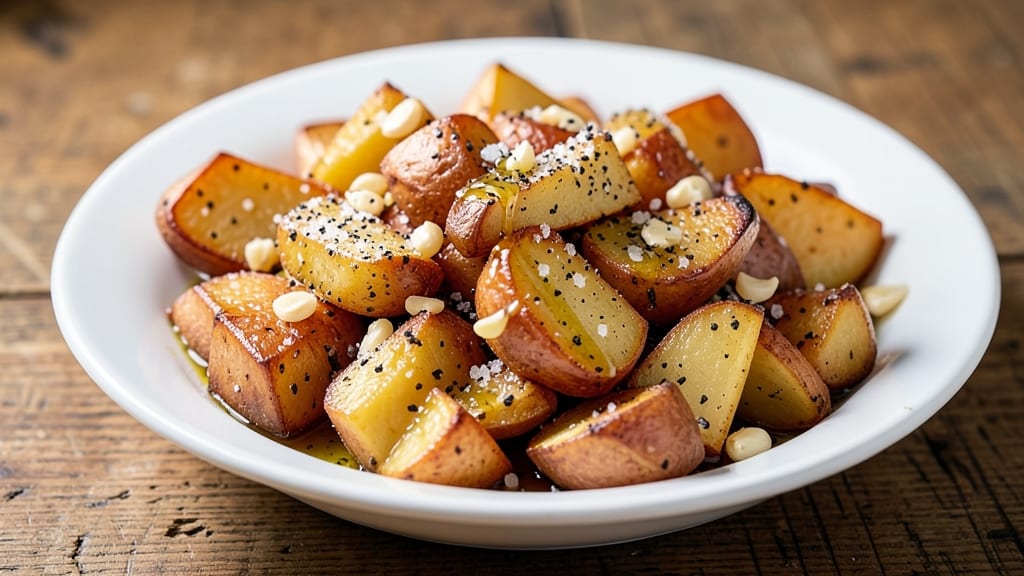
This Lighthouse Inn potatoes copycat recipe delivers the signature vinegar-kissed crunch over silky centers that makes them legendary. After years of perfecting the technique, I've cracked the code for achieving that exact balance of crispy edges and tender interiors at home—no restaurant equipment required.
The secret lies in a precise baking method combined with a tangy vinegar glaze that transforms ordinary potatoes into something extraordinary.
What sets these apart is the dual-texture magic: potatoes baked until golden and crispy on the outside while remaining fluffy and moist inside. A simple vinegar-based seasoning blend creates that signature tangy bite that you'll crave with every forkful.
This method is designed to be foolproof, with clear steps that ensure consistent results every time you make them.
By the time you're done, you'll have a dish that looks and tastes exactly like the restaurant version—crispy, flavorful, and impossible to resist. The aroma alone will have everyone asking for seconds, and the texture contrast makes each bite satisfying. Perfect for elevating any meal from ordinary to unforgettable.
These potatoes work beautifully as a side for steak, chicken, or even as a standalone appetizer when served with a dollop of sour cream. The recipe scales easily for crowds, making it ideal for gatherings or family dinners. Let's get started on recreating this restaurant favorite at home.
Ingredients for lighthouse inn potatoes copycat
Potatoes, vinegar, and butter create the legendary Lighthouse Inn texture contrast.
| Ingredient | Amount | Notes |
|---|---|---|
| Russet Potatoes 🥔 | 2 ½ lb | Medium size, unpeeled, cut into 1-inch cubes |
| Extra-Virgin Olive Oil 🫒 | ¼ cup | Lightly infused with garlic flavor preferred |
| White Wine Vinegar 🍶 | ¼ cup | Distilled or apple cider vinegar substitute |
| Diamond Crystal Kosher Salt 🧂 | 1 ½ tbsp | For seasoning and glaze |
| Freshly Ground Black Pepper 🌶️ | 1 tsp | Coarsely cracked |
| Garlic Cloves 🧄 | 4 cloves | Minced for seasoning blend |
| Dried Thyme 🌿 | 1 tsp | Or 1 tbsp fresh thyme leaves |
| Dried Rosemary 🌿 | ½ tsp | Finely chopped for seasoning |
| Granulated Sugar 🍬 | 1 tsp | Balances vinegar acidity |
| Unsalted Butter 🧈 | ½ cup | Cubed for finishing |
| Fresh Parsley 🌿 | ¼ cup | Chopped for garnish |
The russet potatoes are non-negotiable—their high starch content delivers that signature crispy exterior while maintaining a fluffy interior. Whole Foods or Trader Joe's carry the ideal medium-sized russets, but any russet labeled 'baking potatoes' works. Avoid waxy varieties like Yukon Golds—they'll turn gummy. For the vinegar, Bragg or Heinz distilled vinegar delivers consistent acidity, while apple cider vinegar adds subtle fruit notes. The kosher salt is critical—Diamond Crystal dissolves more cleanly than table salt, creating a smoother glaze. Freshly ground pepper and dried herbs should come from Penzeys or your local spice merchant for optimal flavor.
No white wine vinegar? Rice vinegar or lemon juice works in a pinch, though the flavor profile shifts slightly. Substituting dried herbs for fresh requires halving the quantity—dried rosemary and thyme are more concentrated. The sugar balances the vinegar's acidity, so omit it if using a particularly tart vinegar like malt vinegar. For the butter, Plugrá or Land O'Lakes unsalted butter melts cleanly without overpowering the dish. If you're short on time, pre-minced garlic from the refrigerated section saves steps, though freshly minced delivers superior flavor. The parsley garnish can be omitted if you're serving immediately, but it adds that restaurant-quality finish.
Store the seasoning blend in an airtight container for up to 3 months—it's perfect for other roasted vegetables. The potatoes reheat beautifully: 350°F for 10-15 minutes restores their crispiness. For meal prep, portion the cooled potatoes into single servings with a light drizzle of olive oil to maintain texture. These potatoes freeze surprisingly well—up to 2 months—though the edges may lose some crunch. To revive, bake at 425°F for 15-20 minutes until golden again.
Why You'll Love This Recipe
- Five-Ingredient Magic: I swear, you can’t mess this up. Russets, olive oil, vinegar, salt, and pepper—that’s it. No hidden spices, no fancy prep. Just slice, roast, and let the vinegar do its thing.
- Crispy-Creamy Obsession: That first bite? Buttery edges, fluffy inside, with a bright tang from the white wine vinegar. It’s the kind of potato dish that makes you slow down and actually enjoy eating.
- Leftover Hero: These potatoes taste better the next day. Cold or reheated, they’re perfect for quick lunches, sandwiches, or even tossed into salads. My lunchbox’s new best friend.
- Budget Night Saved: A single bag of Russets and a bottle of vinegar stretch for weeks. Plus, no weird ingredients—just pantry staples. Dinner for four, under $5. No excuses.
Step-by-step instructions for Lighthouse Inn potatoes
Master the signature technique that delivers crispy vinegar-kissed edges over tender, buttery centers every time.
Parboil and Season the Potatoes
Place the 2.5 lb russet potatoes in a large pot and cover with cold water by 2 inches. Add 1.5 tbsp diamond crystal kosher salt and bring to a boil over high heat. Once boiling vigorously, reduce heat to medium and cook for exactly 8 minutes until the potatoes are partially tender but still firm to the bite.
Drain immediately and return the potatoes to the pot. Toss them with 0.25 cup extra-virgin olive oil until evenly coated. In a small bowl, combine the 4 minced garlic cloves, 1 tsp dried thyme, 0.5 tsp dried rosemary, 1 tsp granulated sugar, and 1 tsp freshly ground black pepper. Sprinkle this seasoning blend evenly over the potatoes and toss again until fully incorporated. This initial seasoning ensures flavor penetration during the roasting phase.
Create the Vinegar Glaze
In a small saucepan, combine the 0.25 cup white wine vinegar and 0.5 cup unsalted butter. Place over medium-low heat and warm gently, stirring constantly until the butter melts completely and the mixture becomes smooth and emulsified. Remove from heat and set aside - this glaze will create the signature crispy exterior while keeping the centers silky.
The sugar in the glaze helps caramelize the vinegar, creating those beautiful golden-brown spots. If you prefer a tangier flavor, you can increase the vinegar by 1 tablespoon, but maintain the butter-to-vinegar ratio to prevent the potatoes from becoming too acidic.
Roast to Perfect Texture
Preheat your oven to 425°F. Arrange the seasoned potatoes in a single layer on two rimmed baking sheets, leaving about 1 inch between each piece. Roast for 30 minutes, stirring once halfway through, until the potatoes begin to develop golden spots and crisp edges.
After 30 minutes, carefully pour the warm vinegar-butter glaze evenly over the potatoes, tossing gently to coat. Return to the oven and roast for an additional 15-20 minutes until the potatoes are fork-tender with crispy, caramelized edges. The internal temperature should reach 205°F when measured in the thickest piece.
Finish and Garnish
Transfer the roasted potatoes to a serving platter. Immediately sprinkle with the 0.25 cup chopped fresh parsley and toss gently to distribute. The parsley not only adds freshness but also creates visual contrast against the golden-brown potatoes.
Let the potatoes rest for 3-5 minutes before serving. This brief resting period allows the flavors to meld and the edges to crisp further. Serve immediately while still warm, as these potatoes are best enjoyed fresh from the oven with their contrasting textures and vibrant flavors.
Pro Tips For Making Lighthouse Inn Potatoes Copycat
- CUT POTATOES UNIFORM: Use a mandoline for even slices—about ¼-inch thick. I learned this the hard way after burning one side while the other stayed raw. If you don’t have one, a sharp knife and a ruler work, but patience is key.
- SALT THE POTATOES FIRST: Toss the sliced potatoes with kosher salt and let them sit for 15 minutes before cooking. This draws out excess moisture so they crisp up instead of steaming in their own juices. (Yes, even if you’re impatient like me.)
- HIGH HEAT, THEN LOWER: Start the potatoes in a cold, oiled pan on medium-high, then crank the heat to medium once they’re golden on the first side. This prevents burning while ensuring a deep, crispy crust—my old habit of keeping it hot from the start always ended in charred edges.
- DEGLAZE WITH VINEGAR LAST: Add the white wine vinegar only at the very end, right after the potatoes are done, and let it sizzle for 30 seconds. Dumping it in too early just steams the potatoes and washes away the flavor you’re trying to build. (Sounds weird, but it works.)
Pro cooking tips for this recipe
Parboil Precision
The 8-minute parboil is non-negotiable for achieving that signature texture. Use a large pot with at least 2 inches of water covering the potatoes to ensure even cooking. I swear by a Cuisinart stainless steel stockpot for consistent heat distribution.
After draining, pat the potatoes dry with clean kitchen towels—this step prevents excess moisture from steaming instead of crisping during roasting. 🌡️
Glaze Timing Matters
Apply the vinegar-butter glaze only after the initial 30-minute roast—this prevents the potatoes from becoming soggy. Warm the glaze to 160°F (just until butter melts) to ensure even coating.
I use a Thermoworks ThermoPop for precise temperature checks. Pour the glaze in stages if needed, tossing gently to avoid breaking the crisp edges.
Oven Temperature Control
Your oven's accuracy is critical—425°F is ideal, but most home ovens run 25°F hotter or cooler. Test your oven with an oven thermometer before starting.
For even crispiness, use two rimmed baking sheets and rotate the pans halfway through roasting. A Voshell half-sheet pan works perfectly for this recipe.
Resting Period
Never skip the 3-5 minute rest after roasting—this allows residual heat to finish cooking the centers while the edges crisp further. I place the platter on a wire rack to prevent sogginess.
The potatoes will look perfect when the parsley garnish clings to the crispy edges rather than sinking into moisture.
Butter Substitutions
Short on butter? Use vegetable shortening (same quantity) for a neutral fat that crisps beautifully, though it lacks flavor depth. For a dairy-free option, substitute ½ cup olive oil + 1 tbsp nutritional yeast—the yeast adds a cheesy note that complements the vinegar.
Always maintain the 1:1 butter-to-vinegar ratio to balance flavors.
Equipment Upgrades
Invest in a heavy-duty perforated roasting pan to elevate airflow around the potatoes, enhancing crispiness. A Nordic Ware half-round baking dish with ridges creates stunning presentation while allowing even browning. For extra crunch, finish under a broiler on high for 1-2 minutes—watch closely to avoid burning!
Nutrition facts
Frequently asked questions
Why do these potatoes need parboiling?
The 8-minute parboil creates a barrier that locks in moisture while allowing the edges to crisp perfectly during roasting. This prevents the potatoes from turning gummy inside while achieving that signature restaurant-style crunch. Without it, you risk dry, uneven cooking or soggy centers.
Can I use sweet potatoes instead of russets?
Not for this recipe! Russets have the ideal starch-to-moisture ratio for this technique. Sweet potatoes would turn mushy inside and lack the crispy exterior. If you must substitute, try Yukon Golds (though they won't be as crispy) or stick with russets for the authentic texture.
How do I fix potatoes that turned out soggy?
If your potatoes are undercooked, return them to a 425°F oven for 10-15 more minutes—this finishes the centers while the edges crisp. For overcooked/soggy potatoes, try reheating at 350°F for 5 minutes with a drizzle of olive oil to restore some crunch. The key is proper drying after parboiling!
Can I make this recipe in an air fryer?
Yes! Parboil the potatoes as directed, then toss with oil and seasoning. Air fry at 375°F for 20-25 minutes, shaking the basket every 5 minutes. Add the vinegar glaze in the last 3 minutes of cooking. Expect slightly less crispiness than oven-baked, but still delicious!
What's the best way to store leftovers?
Cool completely, then store in an airtight container for up to 3 days in the fridge. Reheat at 350°F for 10-15 minutes until warmed through. For longer storage, freeze for up to 2 months—thaw overnight in the fridge before reheating. The texture won't be as crispy after freezing, but the flavor remains excellent.