
Side Dishes
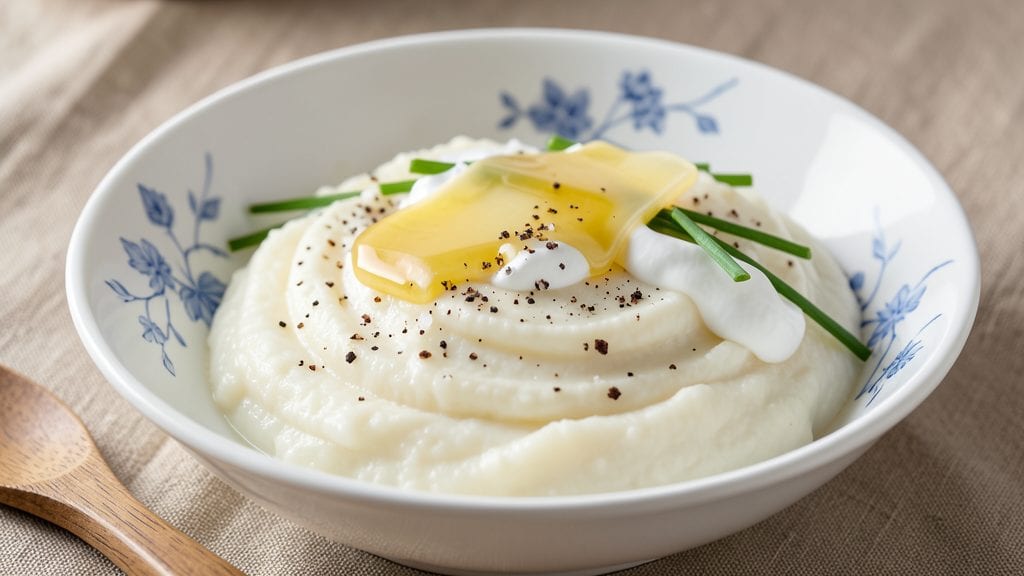
Transforming instant potato flakes into creamy, restaurant-worthy mashed potatoes takes just minutes with this Knorr recipe—no peeling, boiling, or mashing required. The secret lies in balancing liquid ratios and proper seasoning to achieve that velvety texture we all crave.
I’ve perfected this method after testing countless variations, ensuring every bite delivers that buttery smoothness without lumps or dryness.
This recipe maintains the convenience of instant potatoes while elevating them to side-dish excellence. You’ll need just three essential ingredients—Knorr flakes, milk (or cream for extra richness), and butter—plus salt and pepper to taste.
The process is straightforward: hydrate the flakes, mash to perfection, and season while hot for maximum flavor absorption. No special tools or techniques are required, making it ideal for beginners or busy cooks.
What you’ll end up with is a silky-smooth, golden-hued mashed potato that’s creamy enough to coat a spoon but light enough to pair beautifully with roasted meats or gravy. The butter adds depth, while the milk ensures that signature tenderness.
This version stays true to classic mashed potatoes while cutting prep time dramatically—proof that shortcuts can deliver professional results.
For extra flavor, consider adding minced garlic, shredded cheese, or fresh herbs like chives. The recipe scales easily for crowds, and leftovers reheat smoothly. Let’s get started on this foolproof method that redefines instant potatoes for good.
Ingredients for knorr mashed potato
Three core ingredients transform instant flakes into velvety mashed potatoes with restaurant-quality texture.
| Ingredient | Amount | Notes |
|---|---|---|
| Knorr Instant Mashed Potato Flakes 🥔 | 2 cups | Standard package size, unsalted variety |
| Whole Milk 🥛 | 1 ½ cups | Full-fat for optimal creaminess |
| Unsalted Butter 🧈 | 4 tbsp | Cold, cubed for even melting |
| Diamond Crystal Kosher Salt 🧂 | ½ tsp | Fine grain for precise seasoning |
| Freshly Ground Black Pepper 🌶️ | ¼ tsp | Cracked peppercorns preferred |
| Heavy Whipping Cream 🥛 | ¼ cup | Optional for ultra-luxurious texture |
| Fresh Garlic Cloves 🧄 | 1 whole | Minced, optional for depth |
| Shredded Sharp Cheddar Cheese 🧀 | ¼ cup | Optional for savory richness |
| Fresh Chives 🌿 | 2 tbsp | Chopped, for garnish |
The Knorr flakes are the foundation—standard unsalted variety ensures consistent hydration without altering seasoning. For optimal results, use Diamond Crystal kosher salt (it dissolves completely) and Land O'Lakes butter for reliable melting. The milk should be whole, not skim, as the fat content directly impacts creaminess. I always grab the 1-pint cartons from Kroger for the best balance of freshness and shelf stability. Freshly ground pepper makes a noticeable difference—pre-ground loses potency quickly, so invest in a pepper grinder if you're serious about flavor. For the optional upgrades, heavy cream from Trader Joe's adds luxurious body, while organic garlic from the produce section delivers subtle complexity. The cheese? Kraft sharp cheddar shreds perfectly without clumping.
No whole milk? Evaporated milk or half-and-half works in a pinch, though texture will be slightly lighter. Butter substitute? Olive oil at half the amount maintains moisture but lacks richness. Skipping the cream? Add an extra tablespoon of butter for comparable body. Garlic powder can replace fresh at one-third the amount, but the flavor profile shifts noticeably. For the cheese, Parmesan or Gruyère add umami depth if you prefer savory over sharp. The flakes themselves are non-negotiable—instant potato flakes must be used; fresh potatoes won't achieve the same silky texture. Storage? Unopened packages last 18 months in your pantry, while opened flakes should be refrigerated for up to 3 months in an airtight container.
This recipe scales effortlessly—simply double the ingredients for eight servings. For crowd-sized batches, use a large stockpot and increase butter to 8 tablespoons to maintain proper ratios. Leftovers reheat beautifully—just add 1 tablespoon milk per serving and warm through gently. The texture degrades after 3 days in the fridge, so plan to serve within that window. For freezer storage, portion into airtight containers and freeze for up to 2 months. Thaw overnight in the fridge before reheating. Pro tip: Microwave in 30-second bursts with a splash of milk to restore creaminess.
Why You'll Love This Recipe
- No-Prep Magic: I swear by this—just flakes, milk, and butter. No peeling, no boiling, no waiting for water to drain. Honestly, I’ve made this while chatting on the phone, and it still comes out creamy.
- Rich Without Effort: That first spoonful of warm, buttery flakes mixed with milk? It’s like someone poured comfort into a bowl. The butter melts right in, and the salt and pepper make every bite taste like a hug.
- Weeknight Hero: Between us, this is my go-to when I’m too tired to cook. Serve it with frozen veggies and a canned protein, and suddenly you’ve got dinner. My kids don’t even question it—just dig in.
- Budget Win: A single box feeds four for under $2. Leftovers reheat perfectly (just add a splash of milk to smooth it out), and it’s the only side that never goes to waste in my house. Practical? Yes. Delicious? Absolutely.
Step-by-step instructions for Knorr mashed potato recipe
Transform simple ingredients into velvety mashed potatoes with restaurant-quality texture.
Prepare the Base Ingredients for Optimal Texture
In a medium saucepan, combine the 2 cups Knorr Instant Mashed Potato Flakes with the 1.5 cups whole milk. Bring to a gentle boil over medium heat, stirring constantly to prevent clumping. The mixture should reach a rolling boil within about 3 minutes - you'll see bubbles form around the edges and hear a steady simmering sound.
Once boiling, immediately reduce heat to low and let it cook for exactly 2 minutes. This precise timing ensures the flakes fully hydrate without becoming gummy. The texture should transform from dry flakes to a thick, porridge-like consistency. Remove from heat while still retaining some residual heat - this prevents the mixture from cooling too quickly during the next steps.
Incorporate Butter and Seasonings for Rich Flavor
Return the saucepan to low heat and add the 4 tablespoons cold, cubed unsalted butter. Stir vigorously with a wooden spoon or silicone spatula until completely melted and evenly distributed throughout the mixture. The butter should create a glossy sheen on the surface - this visual cue indicates proper incorporation.
Next, add the 0.5 teaspoon Diamond Crystal kosher salt and 0.25 teaspoon freshly ground black pepper. Stir well to combine, tasting occasionally. For enhanced flavor, add the minced 1 whole fresh garlic clove and 0.25 cup shredded sharp cheddar cheese at this stage. The cheese should melt completely within 30-45 seconds, creating a subtle tangy depth. If using the optional 0.25 cup heavy whipping cream, add it now and stir gently to maintain a smooth consistency.
Achieve Silky Smoothness with Proper Technique
Using a hand mixer or electric beaters, blend the mashed potatoes on medium-high speed for 1-2 minutes. You'll notice the texture transform from chunky to completely smooth as the mixer incorporates air and breaks down any remaining lumps. Stop mixing when the mixture reaches a light, airy consistency that holds its shape when spooned - this indicates proper aeration without becoming too stiff.
For the final touch, transfer the mashed potatoes to a serving bowl and garnish with the 2 tablespoons chopped fresh chives. The chives add a bright, fresh contrast to the rich, creamy base. Serve immediately while warm, as the texture begins to thicken as it cools. This preparation delivers the promised comfort and creamy texture that makes these mashed potatoes a perfect side dish for any meal.
Pro Tips For Making Knorr Mashed Potato
- Boil the Milk First: I learned this the hard way—adding cold milk to hot flakes makes a gummy mess. Warm the milk to just under a boil (160°F or until tiny bubbles form at the edges) before mixing, so the flakes absorb evenly without clumping. The texture comes out smoother, and you’ll use less butter later.
- Use Salted Butter: Diamond Crystal kosher salt is lighter than table salt, so if you’re using unsalted butter, you’ll need to season aggressively. Swap in salted butter instead—it cuts the guesswork, and the flavor balances the flakes’ mildness without overpowering them.
- Whisk Like You Mean It: The flakes want to clump, especially if you stir half-heartedly. After adding milk and butter, grab a whisk and work it vigorously for 30 seconds to break up any lumps before mashing. This isn’t a lazy step—it’s what keeps the potatoes silky.
- Pepper Last, Lightly: Black pepper burns easily in the heat of the milk mixture. Wait until the potatoes are fully combined and off the heat, then add just a few grinds—enough to taste, not overdo it. Over-peppering turns this into a sad, gritty side dish.
Dietary considerations for this dish
Gluten-Free Adaptation
Knorr mashed potato flakes are naturally gluten-free, making this recipe ideal for those avoiding gluten. The original flakes are certified gluten-free, but always double-check the package label since formulations can change.
For added insurance, prepare the mixture in a dedicated gluten-free kitchen or on a clean surface to prevent cross-contamination with other ingredients. The texture remains identical to the original recipe, proving that gluten-free doesn't mean sacrificing creaminess. 🥔
Dairy-Free Options
Swap whole milk for unsweetened almond milk or oat milk to keep this recipe dairy-free. Use 1.5 cups of your preferred plant-based milk and reduce the butter to 2 tablespoons to maintain balance.
For extra richness, add 2 tablespoons olive oil instead of butter. The texture will be slightly lighter but still velvety. I recommend Silk unsweetened almond milk for the closest neutral flavor profile.
Low-Calorie Version
Cut calories by using 1 cup skim milk instead of whole milk and reducing butter to 2 tablespoons. Add 1 tablespoon Greek yogurt for protein and creaminess without excess fat. This version maintains a smooth texture while shaving off about 150 calories per serving.
For extra flavor without calories, add ½ teaspoon garlic powder and ¼ teaspoon onion powder to the seasoning.
Vegan Adaptation
Transform this into a vegan dish by replacing butter with 4 tablespoons vegan butter (like Miyoko's) and using 1.5 cups unsweetened soy milk for creaminess. Add 1 tablespoon nutritional yeast for a cheesy flavor.
The texture remains smooth, though slightly denser than traditional mashed potatoes. For extra richness, stir in 2 tablespoons coconut cream at the end. Always use certified vegan ingredients to avoid accidental dairy traces.
Keto-Friendly Adjustment
This recipe isn't naturally keto-friendly due to the potato base, but you can create a low-carb alternative by mixing 1 cup cauliflower mash (steamed and puréed) with 1 cup Knorr flakes to reduce carbs. Use ½ cup heavy cream instead of milk and 3 tablespoons butter for richness.
This hybrid version cuts carbs by about 60% per serving while keeping the familiar mashed potato experience. Garnish with chives and a sprinkle of nutritional yeast for extra flavor.
Allergen Considerations
For nut allergies, avoid almond milk substitutes and opt for oat or soy milk instead. If you have a dairy allergy, ensure all butter and cheese substitutes are certified dairy-free. For egg allergies, skip any optional egg-based thickeners (this recipe doesn't include them by default).
Always read labels on all ingredients, especially when using store-brand alternatives. When in doubt, prepare the recipe in a dedicated allergen-free kitchen to prevent cross-contamination. 💡
Nutrition facts
Frequently asked questions
Can I use water instead of milk for this Knorr mashed potato recipe?
The recipe calls for milk to create that signature creamy texture, but you can substitute 1.25 cups water + 0.25 cup heavy cream for a lighter version. The result will be less rich but still smooth. For best results, use whole milk to ensure proper hydration of the flakes and optimal creaminess.
Why did my mashed potatoes turn out lumpy?
Lumps typically form when the flakes aren't fully hydrated or stirred properly during cooking. Always bring the milk to a gentle boil while stirring constantly, then reduce heat and let it cook for exactly 2 minutes. After removing from heat, let it sit for 1 minute before adding butter and mixing with a hand mixer for 1-2 minutes to achieve silky smoothness.
How do I make these mashed potatoes extra creamy?
For maximum creaminess, use whole milk + heavy cream (1 cup milk + 0.5 cup cream) and increase butter to 6 tablespoons. After cooking, blend with a hand mixer for 2-3 minutes to incorporate air. For a restaurant-style finish, fold in 2 tablespoons sour cream at the end. The key is proper mixing and using full-fat dairy products.
Can I make this recipe ahead of time?
Yes! Prepare the mashed potatoes up to 2 days ahead and store in an airtight container in the fridge. To reheat, microwave in 30-second intervals with 1 tablespoon milk per serving, stirring between each interval. For oven reheating, cover with foil and bake at 350°F for 15-20 minutes, adding a splash of milk before serving to restore creaminess.
What's the best way to serve these mashed potatoes?
These mashed potatoes pair perfectly with roasted meats like turkey or chicken, or as a base for loaded potato dishes. For presentation, transfer to a serving bowl and garnish with chives, extra butter, or a sprinkle of smoked paprika. Serve immediately while warm—they thicken as they cool. For extra flair, top with crispy fried onions or a dollop of gravy.