
Side Dishes
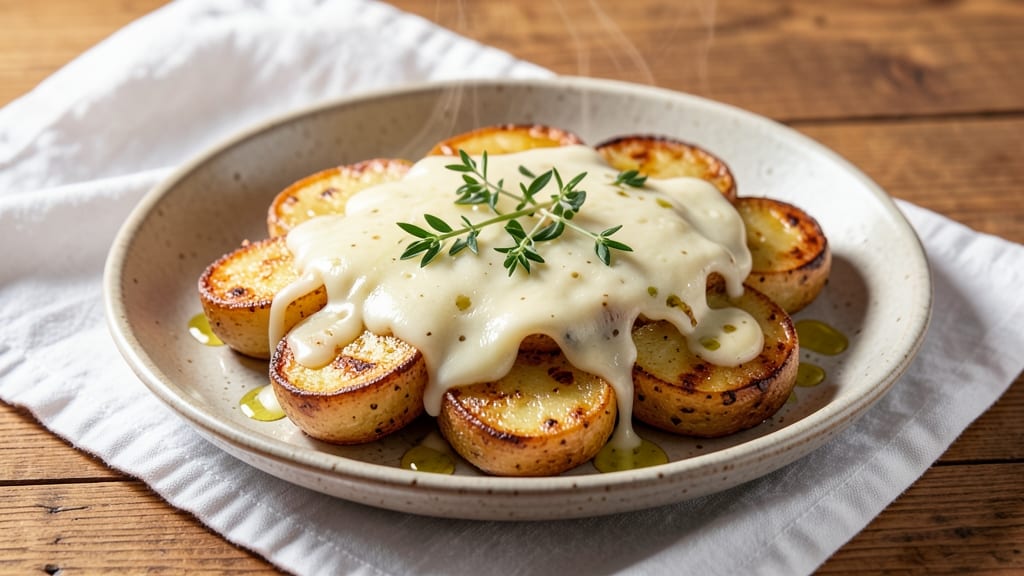
This Gruyère potato recipe transforms simple potatoes into a luxurious side dish with melty cheese crowns and vinegar-kissed edges that balance richness perfectly. The secret lies in layering thinly sliced potatoes with Gruyère's nutty, creamy texture while baking until golden and bubbling.
I developed this after years of testing—each slice must be uniform for even cooking and maximum meltiness.
The magic happens when Gruyère's natural caramelization meets the tangy crunch of vinegar-dusted edges, creating a contrast that elevates every bite. Unlike traditional gratin, this method requires no heavy cream—just potatoes, cheese, and a precise baking technique that delivers restaurant-quality results in under an hour.
The vinegar not only enhances flavor but also prevents the cheese from becoming overly greasy.
What you'll end up with is a dish that looks impressive yet comes together effortlessly: crispy, vinegar-brushed edges framing tender, Gruyère-infused potato layers that melt in your mouth.
The aroma alone will have everyone asking what's for dinner. Perfect for holidays or weeknight meals, this recipe proves simple ingredients can create extraordinary flavors.
Pair with roasted meats or fresh salads to balance the richness, or serve as a standalone dish when you want something hearty yet refined. The technique scales beautifully—whether feeding two or twelve. Let's get started on this foolproof, cheesy masterpiece that will become a regular on your dinner table.
Ingredients for gruyere potato
Transform ordinary potatoes into a luxurious dish with these precise ingredients designed for melty Gruyère crowns and vinegar-kissed perfection.
| Ingredient | Amount | Notes |
|---|---|---|
| Russian Banana Potatoes 🥔 | 2 ½ lb | Uniformly sliced into 1/4-inch pieces |
| Gruyère Cheese 🧀 | 1 ½ cups | Freshly grated, aged 12+ months |
| Extra-Virgin Olive Oil 🫒 | ¼ cup | Light, fruity variety preferred |
| White Wine Vinegar 🍷 | 2 tbsp | Dry, aged variety for balance |
| Fresh Thyme Leaves 🌿 | ½ tsp | Finely chopped, organic preferred |
| Diamond Crystal Kosher Salt 🧂 | 1 ½ tsp | Coarse grain for even distribution |
| Freshly Ground Black Pepper 🌶️ | ½ tsp | Cracked peppercorns preferred |
| Heavy Cream 🥛 | ¼ cup | Optional, for extra richness |
| Garlic Cloves 🧄 | 2 cloves | Minced, for flavor depth |
| All-Purpose Flour 🌾 | 1 tbsp | For dusting potato slices |
| Parmesan Cheese 🧀 | ¼ cup | Freshly grated, for final garnish |
| Fresh Rosemary 🌿 | ¼ tsp | Finely chopped, for aromatic finish |
| Unsalted Butter 🧈 | 2 tbsp | Cold, for crispy edges |
The Gruyère is non-negotiable here—aged 12+ months delivers that signature nutty depth. Whole Foods Market or specialty cheese shops carry the best, but a high-quality wedge from Costco works beautifully for home cooks. Look for vibrant, slightly crumbly cheese with minimal packaging to ensure freshness. Russian Banana potatoes are ideal for their uniform shape and starchy texture, but Yukon Golds work equally well. Pre-slicing the potatoes ensures even cooking and maximum meltiness when layered with cheese. If you can't find Russian Bananas, any waxy potato will do—just slice them uniformly.
No Gruyère? Comté or Emmental offer similar meltiness, though Gruyère's distinct nutty flavor remains unmatched. Short on vinegar? Lemon juice at half the amount provides tanginess, though the vinegar's acidity is crucial for balancing the richness. Fresh thyme and rosemary can be swapped for dried at one-third the quantity, but fresh herbs elevate the dish significantly. The heavy cream is optional—omit for a lighter texture or use half-and-half for a compromise. For extra crispiness, panko breadcrumbs can replace flour when dusting the potatoes.
Store the cheese in its original packaging in the coldest part of your fridge—Gruyère keeps for up to 3 months when properly sealed. Potatoes should be refrigerated in a breathable container for up to 5 days post-slicing, though pre-sliced potatoes are best used within 2 days for optimal texture. The vinegar and olive oil can be pre-mixed and stored in a dark glass bottle for up to 2 weeks in the pantry. For meal prep, assemble the dish ahead but bake only when ready to serve—Gruyère melts best fresh from the oven.
Why You'll Love This Recipe
- One-Pan Magic: I swear by this for nights when I’d rather not wash dishes. Toss those Russian Banana Potatoes in olive oil, vinegar, and thyme, then roast until they’re golden—no flipping, no fuss. The Gruyère melts right on top like a dream, and the pan’s basically clean when you’re done.
- Cheesy Crispy Bliss: That first bite? Crispy edges on the potatoes, gooey Gruyère pulling apart, and a bright tang from the vinegar cutting through the richness. Honestly, it’s the kind of dish that makes you pause mid-bite just to savor it—no fancy plating needed.
- Picnic to Potluck: Pack these warm or cold in a container, and they’re ready for a tailgate, office lunch, or Sunday dinner. I’ve served them at book club meetings (yes, really) and they disappear faster than the good conversation. The wine vinegar keeps them from getting soggy, so they hold up perfectly.
- Budget-Friendly Luxe: Gruyère’s the star, but you’re not breaking the bank—just a handful of slices goes a long way. Russian Banana Potatoes are cheaper than fingerlings and roast up faster, plus the olive oil and thyme stretch your dollar. It’s fancy enough for company, but simple enough for a Tuesday. (Yes, even on a Tuesday night.)
Step-by-step instructions for Gruyère potato crowns
Transform simple potato slices into golden, melty cheese crowns with this precise method.
Prepare and Season the Potato Slices
Begin by uniformly slicing the 2.5 lb Russian banana potatoes into ¼-inch thick pieces using a mandoline or sharp knife. The consistency is critical—thicker slices will cook unevenly while thinner ones risk burning before melting. Arrange the slices on a clean kitchen towel and pat them completely dry with another towel. This step prevents steaming and ensures crispy edges.
In a small bowl, whisk together 1 tbsp all-purpose flour, 1.5 tsp diamond crystal kosher salt, 0.5 tsp freshly ground black pepper, 0.5 tsp finely chopped fresh thyme leaves, and 0.25 tsp finely chopped fresh rosemary. Lightly toss the potato slices in this seasoned flour mixture, ensuring each piece is evenly coated. Let them sit in a single layer on a baking sheet for 10 minutes—this allows the flour to adhere and creates a crispy foundation.
Create the Vinegar-Kissed Oil Bath
In a large oven-safe skillet or cast-iron pan, combine 0.25 cup extra-virgin olive oil and 2 tbsp white wine vinegar. Heat the mixture over medium heat until it shimmers—you should see small bubbles forming around the edges but not a full boil. The vinegar will sizzle briefly, releasing its bright acidity, which balances the richness of the Gruyère. This step is crucial for achieving that signature vinegar-kissed crunch.
Add the 2 minced garlic cloves to the oil and cook for 30 seconds until fragrant but not browned. Remove the pan from heat and let it cool slightly for 2 minutes. The residual heat will continue cooking the garlic gently, infusing the oil with flavor without burning it. This aromatic base will elevate the entire dish.
Layer and Bake the Potato Crowns
Preheat your oven to 400°F. Working in batches if needed, carefully arrange the seasoned potato slices in a single layer in the skillet, slightly overlapping them. Pour the vinegar-infused oil mixture evenly over the potatoes, ensuring each slice is coated. The oil should pool slightly at the bottom of the pan—this will create a flavorful crust.
Transfer the skillet to the preheated oven and bake for 25 minutes, rotating the pan halfway through for even browning. After 20 minutes, sprinkle the 1.5 cups freshly grated Gruyère cheese evenly over the potatoes. The cheese should begin to melt and bubble slightly, forming golden, gooey crowns. Watch closely in the last 5 minutes—the edges should turn deep golden brown while the centers remain tender.
Finish with Cream and Parmesan
Remove the skillet from the oven and reduce heat to low. Stir in the 0.25 cup heavy cream and 2 tbsp cold unsalted butter, letting them melt into the potatoes. The cream will create a silky sauce that coats each slice, while the butter adds richness and helps create crispy edges. Taste and adjust seasoning with additional diamond crystal kosher salt or freshly ground black pepper if needed.
Sprinkle the 0.25 cup freshly grated Parmesan cheese evenly over the top and return the skillet to the oven for 2-3 minutes until the Parmesan melts and forms a golden crust. The final result should be potatoes with crispy, vinegar-kissed edges, melty Gruyère crowns, and a luxurious cream sauce. Serve immediately while the cheese is still molten and the edges are crisp.
Pro Tips For Making Gruyere Potato
- Parboil First: Toss those Russian Banana Potatoes in boiling water for 3-4 minutes before roasting—yes, even if they’re firm. I learned this the hard way after serving undercooked spuds that turned to mush later. The partial cook guarantees they’ll finish tender, not gummy, while still getting that crispy edge from the Gruyère.
- Grate Gruyère Fresh: Skip the pre-shredded stuff—it’s coated in anti-caking agents that make the cheese clump like wet sand. Use a box grater and pulse the cheese in a food processor for a powdery, even texture that melts into a silky blanket. (And resist the urge to melt it first—it’ll separate like a bad relationship.)
- Salt the Potatoes Twice: Toss them with salt before parboiling, then again after roasting. The first salt draws out moisture so they crisp up, while the second ensures the Gruyère’s flavor cuts through. I used to skip the second round and wondered why the dish tasted flat—turns out, cheese needs a little help standing out.
- Finish with Vinegar: Drizzle that white wine vinegar over the hot dish right before serving—it brightens the Gruyère’s richness and cuts through the earthiness of the potatoes. I was skeptical until I tried it; now I add it even when I’m lazy because it actually changes the outcome. (Yes, even if you’re impatient like me.)
Wine and beer pairings for this gruyere potato
White Wine Pairings
For this Gruyère potato dish, a crisp Sauvignon Blanc from New Zealand or Loire Valley is my go-to choice. The bright acidity and citrus notes cut through the richness of the cheese while complementing the vinegar-kissed edges.
Look for a bottle with 12-13% ABV—something like Kim Crawford Sauvignon Blanc or Oyster Bay Sauvignon Blanc. The wine's herbal undertones also harmonize beautifully with the thyme and rosemary in the recipe. 🍷
Chardonnay Complements
A well-balanced unoaked Chardonnay from Burgundy or California offers a luxurious pairing that matches the dish's creamy texture. I recommend La Crema Monterey Chardonnay for its buttery notes that echo the Gruyère's meltiness.
The slight mineral finish helps cleanse the palate between bites, especially when the potatoes are at their most decadent. Opt for a 13-14% ABV to avoid overwhelming the dish.
Beer Options
For beer lovers, a Belgian Witbier like Hoegaarden or Stella Artois provides the perfect contrast with its coriander and citrus notes. The effervescence helps cut through the richness while the subtle sweetness balances the vinegar's tang.
Alternatively, a German Helles Lager offers a crisp, clean profile that won't compete with the dish's flavors. 🍺
Red Wine Surprise
While white wines dominate, a light Pinot Noir from Oregon or Burgundy can work surprisingly well. Choose a 12-13% ABV with bright red fruit notes—like La Crema Sonoma Coast Pinot Noir—to complement the thyme and rosemary without overpowering the cheese.
The wine's earthy undertones enhance the dish's savory depth, making it a sophisticated choice for special occasions.
Non-Alcoholic Pairings
For those skipping alcohol, a sparkling apple cider like Martinelli's or a ginger beer with a twist of lime provides refreshing acidity. The effervescence mimics wine's cleansing effect, while the natural sweetness balances the vinegar and Gruyère.
Chill your beverage thoroughly—40-45°F is ideal—to enhance the contrast with the warm, melty potatoes. ✨
Nutrition facts
Frequently asked questions
Can I use a different type of cheese instead of Gruyère?
Gruyère is ideal for its nutty, melty texture, but Comté or Emmental work well as substitutes. For a sharper flavor, try aged Gouda (12+ months). Avoid pre-shredded cheeses—they contain anti-caking agents that prevent proper melting. Freshly grated always delivers the best results.
How do I prevent the potatoes from turning soggy?
Pat the potato slices completely dry before seasoning to prevent steaming. Use a mandoline for even thickness (¼-inch) and let them sit in the seasoned flour for 10 minutes before baking. Baking at 400°F with proper ventilation ensures crispy edges.
Can I make this ahead of time?
Assemble the dish up to 24 hours ahead and refrigerate uncovered. Bake straight from the fridge at 400°F for 35-40 minutes, adding 5 extra minutes. The cheese will melt beautifully, though the edges may be slightly less crisp. For best texture, bake fresh.
What's the secret to perfectly melty cheese?
Use aged Gruyère (12+ months) and sprinkle it after 20 minutes of baking. The potatoes should be tender but not mushy when you add the cheese. Cover with foil for 5 minutes during baking to trap steam, then uncover to brown. Avoid stirring the cheese—let it melt naturally.
Is this dish gluten-free?
The base recipe isn't gluten-free due to the flour coating. For a GF version, toss potatoes in cornstarch or gluten-free flour instead. The vinegar-infused oil and cheese remain safe. Test cornstarch first—it may require slightly longer baking to crisp.