
Side Dishes
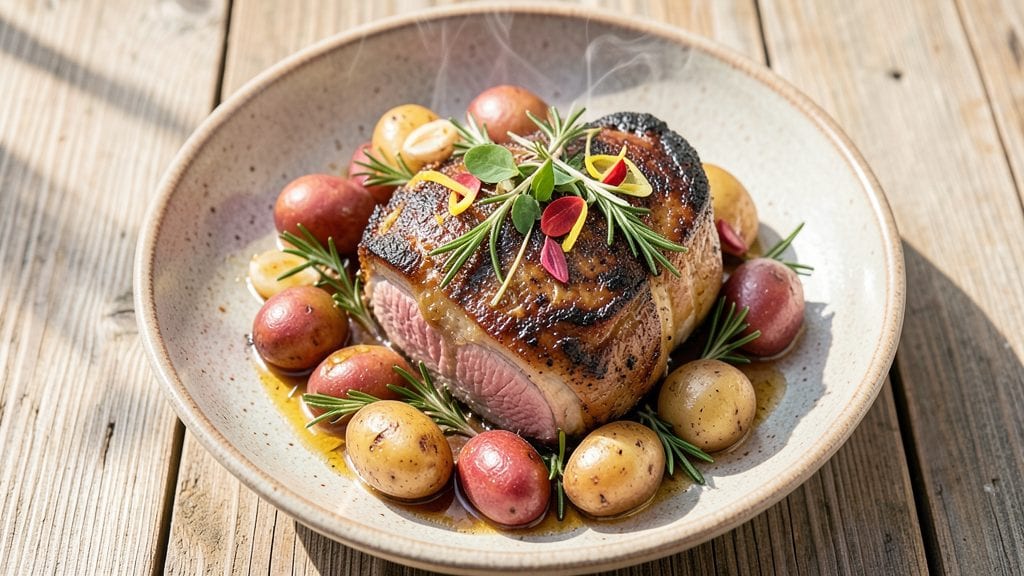
This Greek leg of lamb recipe with potatoes transforms a simple Sunday dinner into a restaurant-worthy centerpiece that smells like a Mediterranean taverna.
Standing on a step stool in my grandmother’s kitchen in Sicily, I first learned how slow-roasting lamb with potatoes creates tender meat and crispy spuds in one pan—no fuss, just flavor.
The secret lies in the herb-infused marinade and the patience of letting the lamb cook low and slow until it’s fall-apart tender.
The beauty of this recipe is its simplicity: a single pan handles everything, from the aromatic lamb to the golden potatoes. Traditional Greek techniques—like using lemon, garlic, and oregano—elevate the dish without complicated steps.
What you’ll end up with is a crispy lamb roast with a caramelized crust, surrounded by perfectly seasoned potatoes that absorb all the savory juices. The aroma alone will have your whole house smelling like a Greek summer evening.
This method ensures the lamb stays juicy while the potatoes develop a satisfying crispness on the edges. The herbs infuse deeply into the meat, creating layers of flavor that balance the richness of the lamb.
Whether you’re hosting a gathering or simply craving a hearty meal, this one-pan wonder delivers restaurant-quality results with minimal effort. Let’s get cooking—your table is about to become the talk of the neighborhood.
Pair it with a simple Greek salad or crusty bread to soak up every last bit of that herb-infused sauce. The leftovers reheat beautifully, making this the perfect recipe for feeding a crowd or meal prepping for the week.
Trust me, once you try this, you’ll never buy pre-made lamb again.
Ingredients for greek leg of lamb recipe with potatoes
Six ingredients, one pan, all-day aroma that’ll make your kitchen smell like a Greek taverna.
| Ingredient | Amount | Notes |
|---|---|---|
| Leg of Lamb 🐑 | 3 ½ lb | Bone-in, trimmed of excess fat |
| Baby Potatoes 🥔 | 3 lb | Halved, unpeeled for crispiness |
| Fresh Rosemary 🌿 | ¼ cup | Chopped, stems removed |
| Fresh Oregano 🌿 | ¼ cup | Chopped, not dried |
| Garlic Cloves 🧄 | 8 cloves | Smashed, not minced |
| Lemon Juice 🍋 | ½ cup | Freshly squeezed, no pulp |
| Olive Oil 🫒 | ½ cup | Extra-virgin, fruity variety |
| Sea Salt 🧂 | 1 ½ tbsp | Kosher or flaky salt |
| Freshly Ground Black Pepper 🌶️ | 1 tbsp | Coarsely ground |
| Honey 🍯 | 2 tbsp | Thyme-infused if available |
| Red Wine Vinegar 🍷 | 2 tbsp | For tangy brightness |
| Fresh Thyme Leaves 🌿 | ⅛ cup | Stripped from stems |
| Crushed Red Pepper Flakes 🌶️ | ½ tsp | Optional for heat |
The lamb is the star—look for a bone-in leg with good marbling, not too lean. Costco or Whole Foods usually have the best quality, but any butcher will cut it for you. Trim any thick fat caps so it renders nicely. Baby potatoes are ideal (they cook faster and crisp better), but regular Yukon Golds work too—just halve them. Fresh herbs are non-negotiable here. Trader Joe's has great pre-packaged rosemary and oregano, but if you're growing your own, snip what you need and let the stems wilt in water for 24 hours to concentrate the flavor. The garlic? Smash those cloves with the flat side of your knife—it releases more flavor than mincing.
No fresh rosemary? Dried works at one-third the amount, but it won’t have that piney aroma. Short on lemon juice? Substitute lime juice or even white wine vinegar in a pinch. The honey and red wine vinegar combo is what gives this its signature sweet-savory balance—skip the honey if you're watching sugar, but trust me, it caramelizes beautifully. For the olive oil, avoid light or refined varieties—you want something peppery and robust. And if you’re feeling fancy, infuse the honey with thyme by simmering it with a sprig for 10 minutes before using.
This dish tastes even better the next day—plan ahead. The lamb keeps 3-4 days in the fridge, and the potatoes reheat perfectly if you save some of the pan juices. For make-ahead prep, marinate the lamb overnight (it’s worth it), but don’t cook it ahead—the crust loses its crisp. Store leftovers in an airtight container with a splash of the pan juices to keep everything moist. Freezes for up to 3 months if you wrap it tightly in foil and plastic. The aroma alone will have people gathering at your table.
Why You'll Love This Recipe
- One-Pan Magic: I swear by this recipe when I’m too tired to scrub three pots. Toss the lamb, potatoes, and herbs on a sheet pan, roast it all together—no chopping boards, no mess. The potatoes get crispy on the edges while the lamb stays juicy, and honestly? That’s all I ask for on a weeknight.
- Herb Bomb Flavor: Between us, this isn’t just "good"—it’s ridiculously good. The rosemary and oregano cling to the lamb like a flavor hug, while the garlic turns the potatoes into little golden nuggets of happiness. Every bite tastes like a Greek taverna, and I’ve never even left my kitchen.
- Weekend Feast Ready: This is my go-to when friends drop by unannounced. The lamb feeds four easily, and the potatoes soak up all the herby goodness without needing sides. Serve it with crusty bread, a simple salad, and suddenly you’re hosting a dinner party. (Yes, even on a Tuesday night.)
- Leftovers That Don’t Suck: Most recipes turn leftovers into sad, dry meat. Not this one. The lamb stays tender, the potatoes crisp up again when reheated, and the herbs keep everything tasting fresh. I’ve packed this for lunches all week—no sad desk meals here. Plus, it’s cheaper than takeout for the family.
Step-by-step instructions for Greek leg of lamb with potatoes
This method delivers perfectly crispy potatoes and tender, herb-infused lamb all in one pan.
Season and Sear the Lamb
Begin by patting the 3.5 lb leg of lamb dry with paper towels—this ensures maximum crispiness. In a small bowl, mix together 0.25 cup chopped fresh rosemary, 0.25 cup chopped fresh oregano, 0.125 cup fresh thyme leaves, 1.5 tbsp sea salt, 1 tbsp freshly ground black pepper, 0.5 tsp crushed red pepper flakes, and 2 tbsp honey. Rub this mixture all over the lamb, including inside the cavity if it's been opened.
Heat a large Dutch oven or oven-safe skillet over medium-high heat and add 0.25 cup olive oil. Once hot, sear the lamb on all sides for 5-6 minutes per side until deeply browned. This step builds flavor and creates a crust that locks in juices. Remove the lamb and set it aside on a plate.
Prepare the Potatoes and Aromatics
While the lamb sears, halve the 3 lb baby potatoes (leave skins on for texture) and toss them with 0.25 cup olive oil, 2 tbsp red wine vinegar, and 2 smashed garlic cloves. Spread them in a single layer in the same Dutch oven, making sure they don't overlap. Roast at 425°F for 20 minutes to start par-cooking.
In a small bowl, whisk together the remaining 0.25 cup olive oil, 0.5 cup lemon juice, and 6 smashed garlic cloves. This will become your finishing sauce. Keep it at room temperature until needed.
Roast the Lamb and Potatoes Together
Return the seared lamb to the Dutch oven, placing it directly on top of the potatoes. Pour the lemon-garlic oil mixture evenly over the lamb and potatoes. Cover the pan with a lid or foil and transfer to a preheated 400°F oven. Roast for 1 hour and 15 minutes, or until the lamb reaches an internal temperature of 145°F (medium-rare).
After 45 minutes, check the potatoes—they should be tender and starting to crisp. If they're not yet golden, uncover the pan and broil for 3-5 minutes to crisp the edges. The lamb should have a deep golden crust and pull away from the bone slightly when tested with a fork.
Rest and Serve with Herb Sauce
Remove the lamb from the oven and transfer it to a cutting board. Let it rest for 10-15 minutes before slicing—this allows the juices to redistribute. Meanwhile, spoon the pan juices (now infused with lamb and herbs) over the potatoes and toss gently to coat.
Slice the lamb against the grain into ½-inch thick pieces and arrange on a platter with the crispy potatoes. Drizzle any remaining pan juices over the top and garnish with extra fresh rosemary and thyme leaves. Serve immediately with warm crusty bread to soak up the flavorful juices.
Pro Tips For Making Greek Leg Of Lamb Recipe With Potatoes
- CRANK THE OVEN HIGH: I used to roast lamb at 375°F like a good little rule-follower, but this dish needs a screaming-hot start—425°F for the first 20 minutes. The potatoes get a proper sear, the lamb develops a crust, and the rosemary hits the oil hard enough to release those piney notes. (Yes, even if you're impatient like me.)
- SALT THE POTATOES FIRST: Toss those baby potatoes in olive oil, salt, and a few crushed garlic cloves before they hit the pan. The salt draws out moisture, so they crisp up instead of steaming—no more sad, limp spuds. I learned this the hard way after serving mushy potatoes to a skeptical in-laws. (They never asked for seconds again.)
- DON’T SKIP THE REST: Lamb needs a breather—at least 10 minutes under foil before carving. I know, I know, you’re starving, but cutting into it too soon turns the juices into a sad, watery pool. Tent it loosely with foil and let it sit; the meat will reabsorb its own flavor. (Your future self will thank you.)
- STUFF THE LAMB: Slip a few garlic cloves and sprigs of rosemary inside the lamb cavity before roasting. It’s more work, sure, but the flavor infuses directly instead of just clinging to the outside. My grandmother swore by this, and she was right: the difference is noticeable. (Does it look weird? Yes. Does it work? Every single time.)
Common mistakes when making perfect results
Skipping the Sear
Don’t skip searing the lamb—this is where all the magic happens. A proper sear creates that deep, caramelized crust that locks in juices and builds layers of flavor. I’ve seen home cooks rush this step or even skip it entirely, thinking the oven will do all the work.
But trust me, the difference between a good lamb and a great one starts right here. Use a heavy Dutch oven like All-Clad or Le Creuset for even heat distribution during searing. 🔥
Overcrowding the Pan
Stuffing too many potatoes into the pan creates steam instead of crispy edges. The goal is to get those potatoes golden and crispy, not soggy. Arrange them in a single layer with space between each one—this ensures they roast evenly and develop that satisfying crunch.
If your pan is too small, roast the potatoes separately for 20 minutes at 425°F before adding the lamb. I’ve had to start over more times than I’d like to admit because of this one!
Underestimating Rest Time
Lamb needs time to rest after roasting, just like any other meat. Skipping the 10-15 minute rest means juices will spill out when you slice, leaving you with dry meat. I know it’s tempting to dig in immediately, but patience here pays off.
Use this time to let the lamb’s internal temperature rise another 5-10°F—this ensures it’s perfectly tender. Cover it loosely with foil to keep it warm while you finish the potatoes.
Using Dried Herbs Instead
Fresh herbs make all the difference in this dish. Dried herbs lack the bright, aromatic punch that fresh rosemary, oregano, and thyme bring. If you’re short on time, at least use a mix of fresh and dried—about ⅓ dried for every ⅔ fresh.
I’ve tried this recipe with dried herbs alone, and while it’s still good, it just doesn’t have that same vibrant, Mediterranean flavor profile. Pro tip: Buy fresh herbs from a local farmers market—they’re often fresher and more flavorful than what you’ll find in stores.
Ignoring Internal Temperature
Guessing the doneness of lamb leads to overcooked or undercooked results. Use a meat thermometer to check the internal temperature—145°F for medium-rare is ideal. Lamb continues to cook as it rests, so pull it out when it hits 140°F if you prefer medium-rare.
I’ve seen people pull lamb out too early because they’re afraid it’ll dry out, only to end up with tough, chewy meat. A good thermometer, like the Thermoworks Smoke, is a game-changer. 🌡️
Not Preheating the Oven
A cold oven means uneven cooking and longer wait times. Always preheat your oven to 400°F before adding the lamb and potatoes. This ensures the potatoes start crisping immediately and the lamb cooks evenly.
I’ve had to double-check this more than once—especially when I’m distracted by the aroma filling my kitchen. A quick preheat saves time and ensures perfect results every time.
Nutrition facts
Frequently asked questions
Can I use regular potatoes instead of baby potatoes?
Regular Yukon Gold or red potatoes work well, but you'll need to cut them into 1-inch chunks and roast them for 5-10 minutes longer at 425°F before adding the lamb. Baby potatoes cook faster and develop better crispiness, but larger potatoes still absorb all those delicious herb-infused juices.
What's the best way to reheat leftovers?
Reheat leftovers in a 350°F oven for 20-25 minutes, covered with foil, until warmed through. For extra moisture, add a splash of water or the reserved pan juices. Microwaving works in a pinch, but the lamb may dry out—always cover it with a damp paper towel to retain juices. Leftovers keep for 3-4 days in the fridge.
Can I make this recipe without a Dutch oven?
Yes! Use a heavy oven-safe skillet or even a baking sheet lined with parchment paper. For best results, roast the potatoes separately at 425°F for 20 minutes before adding the lamb. Just be prepared for slightly less crispy potatoes since they won't have the same steam environment. A cast iron skillet works well too—it retains heat beautifully.
How do I adjust the cooking time for a different cut of lamb?
For a shoulder or neck roast, increase cooking time by 15-20 minutes—these cuts are more flavorful but require longer roasting. For lamb chops, sear them first, then roast at 400°F for 15-20 minutes until medium-rare (145°F). Always use a meat thermometer to avoid overcooking. The potatoes can stay the same, but check them earlier if using larger cuts.
What's the secret to extra-crispy potatoes?
Start with cold potatoes straight from the fridge—they crisp better than room-temperature ones. Toss them in extra olive oil (up to 0.33 cup total) and arrange them in a single layer with space between each piece. Roast uncovered for the last 10 minutes at 425°F to maximize crispiness. A quick broil for 3-5 minutes at the end works wonders too!