
Side Dishes
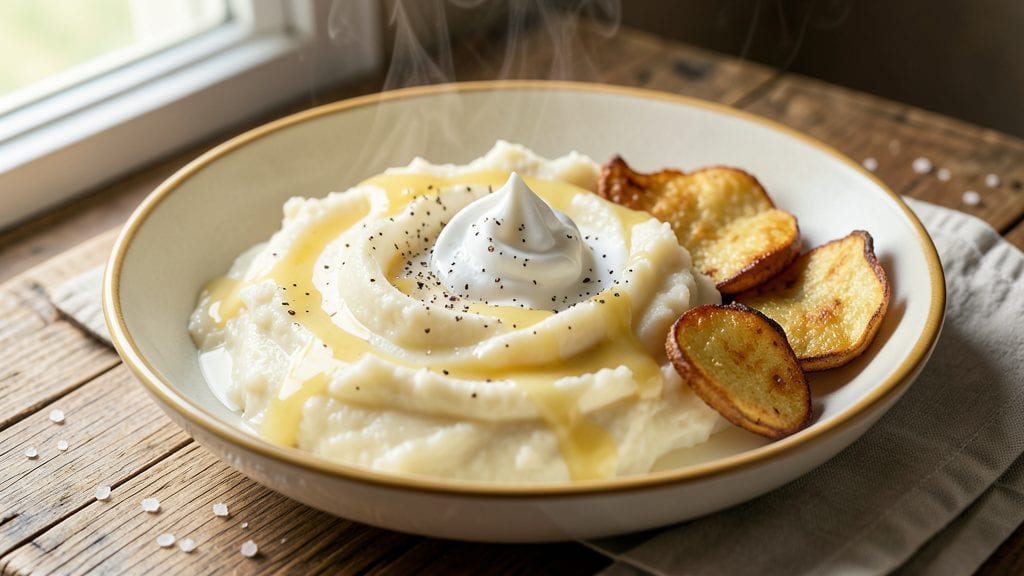
This Grandma’s mashed potatoes recipe brings back the comforting, velvety texture and rich flavor of childhood dinners—where every bite is buttery, creamy, and completely lump-free.
The secret lies in precise technique: boiling potatoes until tender, draining them well, and then mashing with hot butter and milk while keeping the heat low. I’ve perfected this method over years of holiday gatherings, and it never fails to impress.
What makes these mashed potatoes truly special is the balance of ingredients—just enough cream for richness, buttery flavor that melts into every forkful, and a touch of salt to enhance the natural potato sweetness.
The key is patience: letting the potatoes cook thoroughly before mashing ensures a smooth, silky finish without any resistance. This recipe also includes a foolproof method for achieving that signature fluffy texture, even if you’re not an experienced cook.
By the time you’re done, you’ll have a bowl of mashed potatoes so creamy and indulgent, it’ll feel like a hug on a plate. The aroma of warm butter and milk fills the kitchen, and the first bite delivers that perfect harmony of flavors—savory, rich, and just sweet enough.
These are the kind of mashed potatoes that turn ordinary meals into something extraordinary, and they’re easier to make than you might think.
Whether you’re serving them alongside roasted turkey, grilled steak, or even as a standalone comfort dish, this recipe delivers restaurant-quality results at home. Ready to master the art of creamy mashed potatoes? Let’s get started.
Ingredients for grandma's mashed potatoes
Six simple ingredients transform into creamy, velvety mashed potatoes that taste like home.
| Ingredient | Amount | Notes |
|---|---|---|
| Russet Potatoes 🥔 | 3 lb | Medium size, peeled and cubed |
| Unsalted Butter 🧈 | 1 cup | Cold, cut into small pieces |
| Heavy Whipping Cream 🥛 | ½ cup | Full-fat for best texture |
| Whole Milk 🥛 | ½ cup | Warm, not hot |
| Salt 🧂 | 1 ½ tsp | Kosher or sea salt |
| Freshly Ground Black Pepper 🌶️ | ½ tsp | Freshly cracked for best flavor |
| Garlic Cloves 🧄 | 2 cloves | Optional, minced for aroma |
| Roasted Garlic 🧄 | 1 whole | Optional, for deeper flavor |
| Chives 🌿 | 2 tbsp | Chopped, for garnish |
The potatoes are the foundation—Russet potatoes have the perfect starch-to-moisture ratio for creamy results. Look for firm, unblemished potatoes with smooth skin; avoid any with sprouts or soft spots. Most grocery stores carry them year-round, but local farmers markets often have fresher options in season. For extra flavor, roast a whole garlic clove in the oven (400°F for 30 minutes) and add it to the boiling water along with the potatoes. The butter should be high-quality, unsalted—like Land O’Lakes or Plugrá—to avoid excess water content that can make the potatoes watery. Buy it in small blocks rather than sticks for easier cutting into small pieces later.
No heavy cream? Whole milk plus 2 tbsp sour cream works in a pinch, though the texture won’t be quite as rich. Substitute half-and-half at a 1:1 ratio, but expect slightly less creaminess. The roasted garlic is optional but adds a sweet, mellow depth—if you skip it, double the minced garlic for a sharper kick. For salt, kosher or sea salt dissolves more easily than table salt, so measure carefully. Freshly ground black pepper makes a noticeable difference, so skip the pre-ground if possible. The chives are purely decorative but add a bright finish; dried chives won’t work here—they lack the freshness needed for garnish.
Potatoes can be peeled and cubed up to 24 hours ahead—store them in cold water in the fridge to prevent browning. The butter should be cold when added to create steam and achieve that signature fluffy texture. Once mashed, transfer to a heatproof bowl and keep warm at 170°F if serving family-style. Leftovers keep for 3-4 days in the fridge, but they’re best reheated gently with a splash of milk to restore creaminess. For freezing, portion into airtight containers and freeze for up to 3 months—thaw overnight in the fridge before reheating.
Why You'll Love This Recipe
- No-Peel Hassle: I swear by Russets—they’re forgiving, never bitter, and peel in seconds with a paring knife. Skip the scrubbing, skip the stress, just slice and boil.
- Creamy Luxury: That butter-to-cream ratio? Chef’s kiss. The heavy cream keeps it velvety, the whole milk adds just enough brightness, and the butter? It melts into pure, golden richness—no lumps, no guesswork.
- Leftovers Win: Honestly, I make double batches on purpose. Reheat with a splash of milk and a pat of butter, and it’s just as smooth as day one. (Yes, even on a Tuesday night.)
- Holiday or Weeknight: Between us, this is my go-to for Thanksgiving and lazy Sundays. Dress it up with roasted garlic or keep it simple—it’s the kind of side that makes everything else on the plate taste better.
Step-by-step instructions for Grandma's mashed potatoes
Here's the method that delivers velvety, lump-free perfection every time—just like Grandma made.
Prepare and Boil the Potatoes
Begin by peeling the 3 lb russet potatoes and cutting them into even 1½-inch cubes. I use a sharp chef's knife for this—it gives you cleaner cuts and more uniform pieces that cook at the same rate. Place the cubed potatoes in a large pot and cover them completely with cold water by about 2 inches. Add the 1.5 tsp salt and the 2 cloves garlic cloves (if using) to the water.
Bring the water to a rolling boil over high heat, then immediately reduce to a gentle simmer. You're looking for small, steady bubbles breaking the surface—not a vigorous boil that can cause the potatoes to break apart. Simmer the potatoes for 15-20 minutes until they're fork-tender. To test, pierce a piece with a fork—it should slide in easily with just slight resistance. Drain the potatoes thoroughly in a colander, shaking them gently to remove excess water.
Create the Buttery Base
While the potatoes are cooking, melt the 1 cup unsalted butter in a large, heavy-bottomed pot over medium heat. I like to use a Dutch oven for this step—it retains heat well and prevents the butter from burning. Once the butter has melted completely and is foaming gently, remove it from the heat and let it cool slightly for about 2 minutes. This prevents the butter from cooking off too quickly when you add the hot potatoes.
Add the 1 whole roasted garlic (if using) to the melted butter and let it infuse for about 1 minute. You'll notice the aroma intensify—this is where the deep, rich flavor comes from. The roasted garlic will soften slightly but won't burn, giving you that subtle sweetness that makes these potatoes truly special.
Mash to Silky Perfection
Return the drained potatoes to the pot with the butter and roasted garlic. Using a potato masher or wooden spoon, begin to mash the potatoes gently. I like to start with a few pieces at a time to ensure even distribution of the butter. After about 2 minutes of mashing, you'll see the potatoes begin to break down into chunks. This is normal—we're not going for completely smooth potatoes yet.
Gradually add the 0.5 cup heavy whipping cream and 0.5 cup warm whole milk while continuing to mash. The cream and milk should be warm (not hot) to help emulsify the mixture. Keep mashing until the potatoes reach your desired consistency—smooth with just a hint of texture, or completely silky. For truly lump-free results, I like to press the potatoes through a ricer, which gives you that restaurant-quality texture. If you don't have a ricer, continue mashing vigorously with a wooden spoon until smooth.
Season and Finish
Once the potatoes reach your desired consistency, return the pot to low heat and stir in the 0.5 tsp freshly ground black pepper. Keep the mixture warm for just 1-2 minutes—this allows the flavors to meld together. The potatoes should be creamy and glossy, with a velvety texture that coats the back of a spoon. If the mixture looks too thick, add a splash more warm milk to achieve that perfect, light body.
Transfer the mashed potatoes to a serving bowl and garnish with the 2 tbsp chopped chives. The chives add a fresh, bright contrast to the rich, buttery potatoes. Serve immediately while still warm—these potatoes are best enjoyed fresh from the pot, with that perfect balance of creaminess and flavor that makes them truly unforgettable.
Pro Tips For Making Grandma'S Mashed Potatoes
- USE COLD POTATOES, NOT HOT: I learned this the hard way—dumping boiling potatoes straight into the pot with cold dairy always gives you gluey, watery mash. Let them cool for 10 minutes first, then add the butter, cream, and milk. The temperature shock prevents starch overload, and your mash stays smooth instead of turning into paste.
- PEEL WHEN COLD: Russets are stubborn when hot. Peel them right after boiling while they’re still warm but not scalding—this makes the skins slip off cleanly. If you peel them raw, you’ll fight uneven peels and wasted potato; if you wait too long, the skins stick like glue.
- SALT THE WATER LIKE THE SEA: Skip the "light salt" approach—add 1½ tablespoons of salt to the boiling water (yes, even if your potatoes are big). Under-salting here means your mash will taste bland no matter how much you add later. Grandma’s rule: "If it tastes like the ocean, it’s right."
- MASH IN BATCHES, NOT ALL AT ONCE: Dumping all the potatoes into the pot at once turns your butter into soup. Work in two batches: mash half, mix in half the dairy, then repeat. This keeps the texture light and lets you control the consistency—no lumps, no gloop. (And yes, it’s worth the extra 30 seconds.)
Pro cooking tips for grandma's mashed potatoes
Butter Temperature Matters
Cold butter is your secret weapon for fluffy mashed potatoes. When you add room-temperature butter directly to hot potatoes, it melts too quickly, creating a watery mixture.
Instead, melt the 1 cup unsalted butter in a Dutch oven over medium heat until it foams gently, then let it cool for 2 minutes before adding the potatoes. This creates steam when combined with hot potatoes, lifting them to that signature cloud-like texture. 💫
Potato Size Uniformity
Cutting potatoes into even 1½-inch cubes ensures they cook perfectly at the same time. I use a sharp chef’s knife for clean cuts—dull knives crush the edges, leading to uneven cooking.
For extra efficiency, slice the peeled potatoes in half lengthwise first, then cut each half into three equal wedges. This method guarantees tender, creamy potatoes without any undercooked centers.
Draining Thoroughly Prevents Water
After boiling, shake the drained potatoes vigorously in the colander for 10-15 seconds to remove excess starch and moisture. I even press them gently with a clean kitchen towel to absorb any lingering water.
Wet potatoes will make your mash gummy, no matter how much butter you add. This step is especially critical if you’re using older potatoes—they release more starch when cooked.
Low-and-Slow Mashing
Mash potatoes over low heat while adding warm cream and milk to prevent lumps. I start with a wooden spoon to break them down, then switch to a potato ricer for ultra-smooth results.
If using a ricer, press the potatoes through in batches to avoid clogging. For a rustic texture, a fork or potato masher works too—just work quickly to keep the mixture warm.
Roasted Garlic Infusion
Roasting a whole garlic clove at 400°F for 30 minutes before adding it to the butter creates a sweet, mellow depth that store-bought minced garlic can’t match. The caramelized flavor melds beautifully with the butter, elevating the dish without overpowering it.
For even more richness, mash the roasted garlic directly into the potatoes before adding the cream. 🧄
Final Seasoning Adjustment
Taste your mashed potatoes before serving—they often need a pinch more salt or pepper after resting. I like to add a tiny splash of warm milk if the texture seems too thick, then finish with a drizzle of melted butter for extra shine.
The key is balance: the potatoes should taste rich but not greasy, and the seasoning should be subtle yet noticeable. 💡
Nutrition facts
Frequently asked questions
Why do your mashed potatoes turn out lump-free while others get clumpy?
Perfectly smooth mashed potatoes start with thoroughly drained potatoes and the right technique. After boiling, shake them vigorously in a colander to remove excess starch, then mash over low heat while adding warm cream and milk gradually. Using a potato ricer or pressing with a wooden spoon creates that silky texture. Cold butter added last helps bind everything together without lumps.
Can I make these mashed potatoes ahead of time?
You can peel and cube the potatoes up to 24 hours ahead—store them in cold water in the fridge. For the finished dish, reheat gently in a heatproof bowl over simmering water (double boiler) with a splash of warm milk to restore creaminess. Never microwave leftovers—they turn gummy. For freezing, portion into airtight containers and freeze for up to 3 months, thawing overnight in the fridge.
What's the best way to store leftover mashed potatoes?
Transfer leftovers to an airtight container and refrigerate for up to 3-4 days. To reheat, place the container in a pot of simmering water (double boiler) for 5-7 minutes, stirring occasionally with a splash of warm milk. Never reheat directly in the microwave—it makes them gluey. For extra richness, stir in a pat of cold butter at the end.
How do I adjust this recipe for fewer/more servings?
This recipe makes 6 servings—scale by ½ lb potatoes per serving. For example, 4 servings requires 2 lb potatoes, ⅔ cup butter, and ⅓ cup each cream/milk. Keep the ratio 1:3 butter-to-potatoes (1 cup butter for 3 lb potatoes) for perfect texture. Adjust salt to taste after scaling.
Can I make these mashed potatoes without dairy?
Yes! Replace butter with olive oil or vegan butter and use full-fat coconut milk or cashew cream for richness. For the same creamy texture, add 1 tbsp cornstarch to the potatoes before mashing. Taste and adjust salt—vegan versions often need more. The key is keeping everything warm while mashing to maintain consistency.