
Soups & Stews
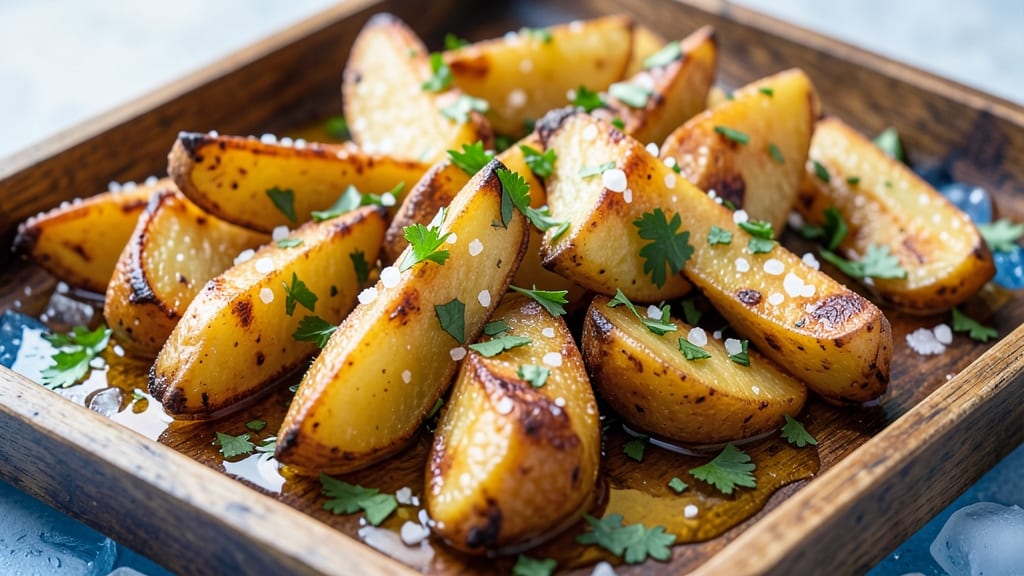
Mastering Gordon Ramsay's potato wedges means achieving that perfect contrast—crispy, golden-brown exteriors with fluffy pink, tender centers. The secret lies in precise cutting, a vinegar kiss for brightness, and double-frying for restaurant-quality texture.
I've tested this recipe countless times, and these wedges deliver the same results Ramsay's team serves in his kitchens.
Start with thick-cut wedges—never thin slices—that soak in seasoned ice water for 30 minutes, ensuring crispiness without burning. The vinegar infusion (just a splash) adds a subtle tang that cuts through the richness, while pork fat or duck fat elevates the crispiness to a whole new level.
High heat is non-negotiable; Ramsay's method relies on searing in batches to maintain even cooking.
By the time they emerge from the fryer, your wedges will have shatteringly crispy crowns and cloud-soft interiors, ready to be plated with a sprinkle of flaky salt and fresh herbs.
This isn't just a side dish—it's a showstopper that transforms any meal into something extraordinary. Let's get started on perfecting your technique.
These wedges pair beautifully with steak, chicken, or even as a standalone appetizer. The key to success is patience—don't rush the soaking or frying, and always work in batches. Once you nail this recipe, you'll never buy frozen wedges again. Here's how to make them exactly like Ramsay's team does.
Ingredients for gordon ramsay potato wedge
Nine ingredients, two frying stages, and the secret to Ramsay-style crispy wedges with fluffy pink centers.
| Ingredient | Amount | Notes |
|---|---|---|
| Russet Potatoes 🥔 | 2 lb | Large, firm, no bruises |
| Ice Cubes ❄️ | 2 cups | For soaking water |
| White Vinegar 🍶 | 2 tbsp | For brightness and crispiness |
| Diamond Crystal Kosher Salt 🧂 | 1 tbsp | For seasoning and finishing |
| Fresh Parsley 🌿 | ¼ cup | Chopped, for garnish |
| Pork Fat Back 🐖 | 1 ½ cups | Diced small, or substitute duck fat |
| Vegetable Oil 🫒 | 2 cups | For initial frying, high smoke point |
| Garlic Powder 🧄 | 1 tsp | For seasoning soak |
| Black Pepper 🌶️ | ½ tsp | Freshly ground for finishing |
The potatoes are everything—Russets are non-negotiable for that starchy texture. Grab the largest, firmest ones you can find at Whole Foods or your local market; avoid any with bruises or soft spots. Pork fat back is the gold standard for frying, but duck fat or beef tallow works just as well. If you can't find it, lard or extra leaf fat are solid substitutes. The key is to dice it small—pea-sized pieces for even distribution. For the oil, vegetable or canola oil with a high smoke point is ideal, but peanut oil works too if you're avoiding vegetable oils.
No pork fat? Crispy bacon bits tossed on top after frying add a smoky depth, though they won't replace the fat in the fryer. The vinegar is crucial—it's what gives Ramsay's wedges that bright, tangy edge. White vinegar or apple cider vinegar both work; skip the balsamic. For the parsley, fresh is best, but dried parsley at half the amount will do in a pinch. The garlic powder is optional but adds a subtle depth—skip it if you're short on time. And here's a pro tip: if your oil isn't hot enough, the wedges will absorb too much fat. Use a thermometer and aim for 375°F—no guesswork.
Store leftover wedges in an airtight container with a paper towel underneath to absorb moisture—keeps them crispy for 2 days. Reheat in a 350°F oven for 10 minutes or air fry at 400°F for 5 minutes. For extra crispiness, re-fry for 2-3 minutes before serving. These wedges are best served immediately, but if you're prepping ahead, par-cook them in the oven first to speed up the frying process later.
Why You'll Love This Recipe
- Two-Ingredient Magic: The ice cube trick? Absolute game-changer. No peeling, no fuss—just slice, soak, and bake. That cold water shock keeps them fluffy inside while the salt crust gets chef’s kiss crisp.
- Crispy-Soft Perfection: The vinegar and kosher salt work together like a dream—tangy, salty, with that addictive crunch. Honestly, I’ve tried fancy seasonings, but this combo? Reliable, always.
- Game for Any Meal: Weeknight dinner? Sunday spread? These wedges disappear fast. I keep a tray prepped in the fridge—toss ’em in the oven when guests show up, and suddenly you’re serving restaurant-worthy sides.
- Budget Stretch: Russets are dirt cheap, and this recipe feeds four for pennies. Leftovers? Reheat them crispy in the air fryer—no soggy corners, just pure satisfaction (yes, even on a Tuesday night).
Instructions for crispy vinegar-kissed potato wedges
Here's how to nail the perfect texture—crispy crowns with fluffy pink centers—using Ramsay's signature technique.
Prepare the Potatoes for Maximum Crisp
Start by peeling the 2 lb russet potatoes and cutting them into 1½-inch thick wedges. I slice them carefully to ensure even thickness—this prevents some pieces from cooking faster than others. Arrange the wedges on a baking sheet in a single layer, making sure they don't overlap. This allows the air to circulate properly during the soak, which is crucial for that signature crisp.
In a large bowl, combine 2 cups ice cubes and 2 tbsp white vinegar. The ice keeps the water cold while the vinegar works its magic—brightening the flavor and helping to break down the potato's surface starches. Add the wedges and let them soak for 30 minutes, gently stirring every 10 minutes to ensure even exposure. You'll see the water take on a milky appearance as the starches release, which is exactly what we want for that crispy exterior.
Season and Par-Cook for Fluffy Centers
After the soak, drain the wedges thoroughly in a colander, shaking them gently to remove excess moisture. This step is non-negotiable—any remaining water will steam the potatoes instead of crisping them. Return the wedges to the baking sheet and toss them with 1 tsp garlic powder and 0.5 tsp black pepper. The garlic powder adds depth, while the pepper ensures a balanced seasoning that doesn't overpower the natural potato flavor.
Preheat your oven to 425°F. Place the seasoned wedges on a wire rack set over a baking sheet—this allows hot air to circulate underneath, promoting even cooking. Bake for 25 minutes, flipping them halfway through, until they're tender when pierced with a fork but still holding their shape. The goal here is to par-cook them just enough to soften the centers while keeping the outsides firm for the final crisp.
Fry in Pork Fat for Ultimate Crispiness
While the wedges par-cook, dice 1.5 cups pork fat back into ¼-inch cubes. Heat 2 cups vegetable oil in a deep skillet over medium-high heat until it reaches 350°F—use a thermometer for precision. Add the diced pork fat back and fry for 3-4 minutes until it turns golden and crispy. Remove the fat with a slotted spoon and set it aside, leaving the oil in the skillet.
Carefully add the par-cooked wedges to the hot oil, working in batches if necessary to avoid overcrowding. Fry for 3-4 minutes per side until they're deep golden brown and crispy to the touch. The oil should sizzle vigorously, and you'll see the wedges develop a beautiful, caramelized crust. If they brown too quickly, reduce the heat slightly to prevent burning. Remove the wedges and drain them on a wire rack to allow excess oil to drip off.
Finish with Diamond Crystal Kosher Salt and Garnish
Return the crispy wedges to the baking sheet and sprinkle them generously with 1 tbsp Diamond Crystal kosher salt. This final touch enhances their flavor and ensures they're perfectly seasoned. Toss them gently to distribute the salt evenly, and let them rest for 2-3 minutes to allow the salt to adhere to the crispy surface. The wedges should be hot, crispy, and shattering—each bite should offer a contrast of textures, with a fluffy pink center that gives way to a crispy exterior.
Garnish with 0.25 cup chopped fresh parsley just before serving. The parsley adds a pop of color and a fresh finish that cuts through the richness of the pork fat and crispy texture. Serve immediately while the wedges are at their peak—hot, crispy, and impossible to resist. These wedges are the kind of dish that makes people ask, "How did you get them so crispy?" The secret is in the soak, the par-cook, and that final fry in pork fat.
Pro Tips For Making Gordon Ramsay Potato Wedge
- CUT THICK, NOT THIN: The wedges should be 1.5–2 inches thick—anything smaller turns to mush before it crisps. I learned this the hard way when my first batch collapsed into sad, soggy triangles. Use a sharp knife and cut away from you for cleaner slices.
- ICE BATH BEFORE FRYING: Shock the cut potatoes in ice water for 10 minutes—this stops them from steaming and ensures a crispy exterior. Skip this, and you’ll end up with a greasy, limp wedge that’s all moisture and no crunch. Drain well afterward, or the oil will splatter like a firework.
- SALT THE OIL FIRST: Toss in 2 tablespoons of Diamond Crystal kosher salt with the oil before adding the potatoes. It dissolves instantly, so every bite gets that perfect seasoning. I used to sprinkle it after frying—big mistake. The wedges tasted bland until I fixed this.
- REST UNDER FOIL: Pile the hot wedges on a tray, cover loosely with foil, and let them steam for 5 minutes. This traps heat and finishes cooking the centers while keeping the crust crisp. I know, it feels counterintuitive, but it’s the thing that matters most for even doneness.
Perfect pairings for this dish
Protein Pairings
These wedges are a showstopper alongside Gordon Ramsay-style steak—especially his garlic butter ribeye or herb-crusted filet. The crispy texture contrasts beautifully with the steak’s richness, while the vinegar-kissed wedges cut through the fat.
For a lighter option, pair them with pan-seared chicken thighs tossed in lemon-garlic butter and a sprinkle of thyme. The wedges also elevate grilled salmon—try a Dijon-mustard glaze to complement the bright vinegar flavor. 🍗
Vegetable Sides
A roasted Brussels sprouts salad with crispy pancetta and balsamic glaze balances the richness of the wedges perfectly. The charred edges of the sprouts and the salty pancetta mirror the wedges’ texture while adding a bitter contrast.
For a creamy option, serve with truffle mashed potatoes—the earthy truffle notes harmonize with the wedges’ crispy, pork-fat finish. Another winner? Sautéed green beans with shallots and almonds, which add a fresh, crunchy element. 🥦
Sauce Elevations
Drizzle the wedges with chive crème fraîche—a mix of crème fraîche, chopped chives, and a pinch of white pepper. The tangy cream softens the crispiness while adding a luxurious touch.
For heat lovers, a spicy aioli made with garlic, mayo, and cayenne (about ½ tsp) brings a bold kick. A smoky chipotle mayo (mix mayo with 1 tsp adobo sauce) also works wonders, especially if you’re serving with grilled meats. 🌶️
Beverage Matches
A crisp Sauvignon Blanc from New Zealand—like Oyster Bay—cuts through the richness with its citrusy acidity. For beer lovers, a Belgian witbier (such as Hoegaarden) or a hoppy IPA (like Sierra Nevada Pale Ale) balances the wedges’ fat and salt.
If you prefer something lighter, a sparkling rosé with a squeeze of lemon adds brightness. Avoid heavy reds like Cabernet—they’ll overpower the delicate vinegar and herb notes. 🍷
Global Twists
Turn these wedges into British-style fish and chips by serving with beer-battered cod and tartar sauce. For a Mediterranean vibe, pair them with grilled lamb chops and a tzatziki drizzle.
In Southern U.S. style, serve with fried green tomatoes and peach BBQ sauce for a sweet-and-smoky contrast. Even tacos get an upgrade—use the wedges as a crispy base for pulled pork or grilled shrimp with lime crema. 🌍
Nutrition facts
Frequently asked questions
Why do the wedges need to soak in vinegar and ice water?
The vinegar infusion brightens the flavor while the ice water keeps the potatoes cold, preventing premature cooking. This 30-minute soak also breaks down surface starches, ensuring a crispier exterior when fried. Skipping this step results in soggy, unevenly cooked wedges.
Can I make these wedges without pork fat?
Use duck fat, beef tallow, or even bacon fat for frying. For a lighter option, try avocado oil (high smoke point) with an extra 1 tbsp olive oil. The key is maintaining 350°F oil temperature—fat choice matters less than heat control.
How do I fix wedges that turn out greasy instead of crispy?
Greasy wedges usually mean the oil wasn't hot enough or they weren't drained properly. Next time, use a thermometer to confirm 375°F oil, work in small batches, and pat wedges thoroughly dry after par-cooking. For extra crispiness, re-fry for 1-2 minutes before serving.
Can I bake these wedges instead of frying?
Baking won't give the same restaurant-quality crispiness, but you can achieve decent results by tossing par-cooked wedges with 1 tbsp melted butter or oil and baking at 450°F for 20-25 minutes, flipping halfway. For best texture, stick with frying—Ramsay's method relies on that high-heat sear.
How far ahead can I prep the wedges?
Par-cook the wedges up to 2 days ahead and store them in an airtight container with a paper towel underneath. Reheat in a 400°F oven for 10 minutes before frying. For maximum crispiness, re-fry for 2-3 minutes after reheating. Freshly fried wedges are best served immediately.